
Views: 253 Author: CORTECH Publish Time: 2026-10-07 Origin: Site


Content Menu
>> Core Drilling Cost Per Metre
>> Drilling Services Versus Equipment Purchase
>> Hole Depth and Core Diameter
>> Access and Operating Environment
>> A Transparent Budget Example
>> Measure Cost Per Recovered Metre
>> Compare Quotations Consistently
>> Surface, Modular, and Underground Rigs
>> Evaluate Ownership Economically
>> 1. How Much Does Core Drilling Cost?
>> 2. Is Concrete Coring Priced Similarly?
>> 3. Why Does Diamond Drilling Cost More?
>> 4. Does a Deeper Hole Cost More?
>> 5. Can a Better Rig Reduce Costs?
>> 6. Are Customer Reviews Available?
>> References
The cost of core drilling depends on depth, core diameter, geology, site access, and what the quotation includes. One published exploration benchmark lists diamond drilling at $110–250 per metre, but its currency and pricing date are unspecified, so it is a reference point—not a current USD quotation.
For mining companies, drilling contractors, and exploration teams, the more useful question is: What will it cost to complete the program and recover usable geological information?
This guide focuses on hydraulic wireline diamond core drilling for mineral exploration and geotechnical investigation. It does not cover concrete coring for plumbing openings or construction penetrations.
From a manufacturer-side perspective, I would evaluate drilling cost in three layers: the contractor's drilling rate, the complete project budget, and the cost of owning or operating the equipment. Keeping those layers separate makes quotations easier to compare and investment decisions more defensible.

A per-metre rate usually describes a defined drilling scope. It does not automatically cover every expense required to deliver logged, sampled, and analyzed core.
The published $110–250 benchmark also warns that consumables, standby, mobilization, water transport, and poor penetration can bring the final drilling cost to approximately twice the base rate.
That warning is more useful than treating the range as a universal price list. A road-accessible surface program and a remote helicopter-supported campaign can have very different economics.
Before comparing rates, establish the quotation's boundaries.
| Cost category | What it may include | What to clarify |
|---|---|---|
| Base drilling | Crew, rig operation, specified drilling work | Depth bands, diameter, operating schedule |
| Mobilization | Transport, loading, initial setup | Demobilization and transport restrictions |
| Consumables | Bits, fluids, casing, replacement tools | Included allowance and excess charges |
| Site support | Water, fuel, accommodation, access | Which party supplies each service |
| Standby | Weather, access, client-caused delays | Hourly rate and chargeable conditions |
| Geological services | Logging, sampling, surveys, assays | Whether these are outside the drilling contract |
A quotation can be competitive while excluding substantial project expenses. Conversely, a higher base rate may include services that another bidder charges separately.
The cost of a core drilling rig is a separate question from the cost of a drilling campaign.
Buying equipment introduces capital expenditure, freight, commissioning, training, tooling, maintenance, and operating responsibilities. Hiring a contractor purchases drilling services under an agreed scope.
There is no verified CORTECH price list in the material available for this article. Accordingly, an equipment purchase price should come from a configuration-specific quotation rather than an invented market range.
For a meaningful request, specify the target depth, core size, hole angles, expected formations, site access, and available power.
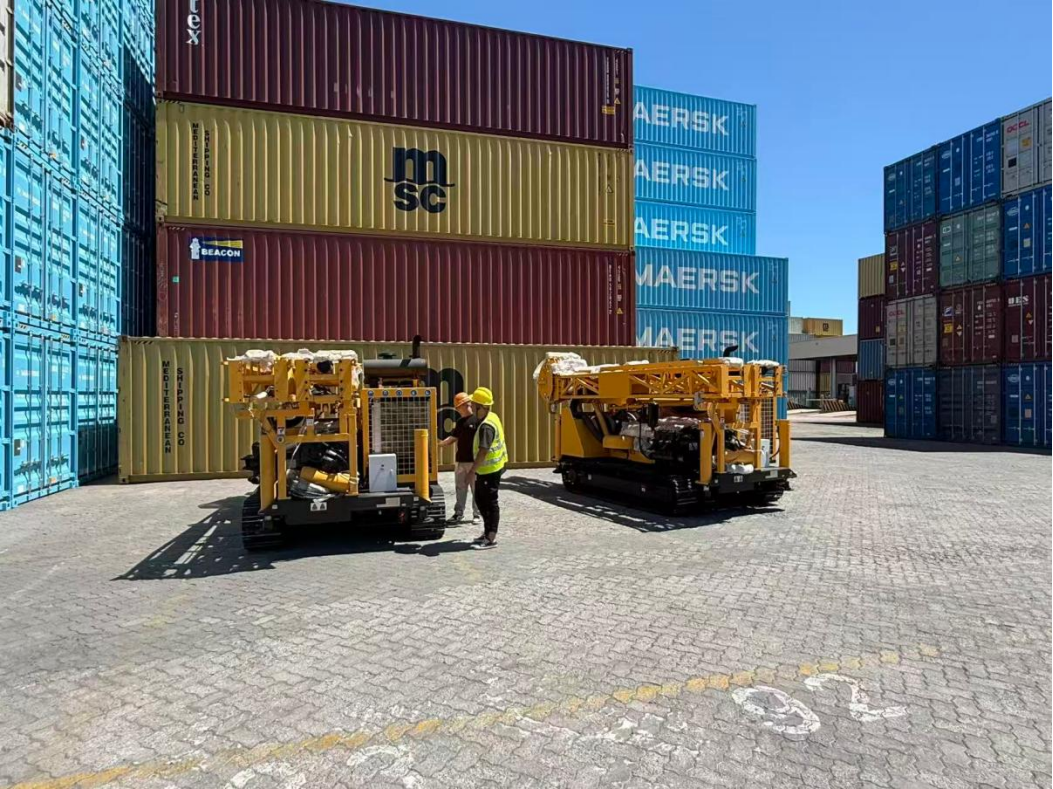
Deeper holes generally require more rods, longer handling cycles, and greater attention to equipment capacity and downhole conditions.
A contractor may therefore apply different rates to successive depth bands. Request the full schedule rather than comparing only the shallowest advertised rate.
Larger core diameters also tend to increase drilling costs. However, the cheapest diameter is not necessarily appropriate for the geological or geotechnical objective.
Discuss the required sample size with the responsible technical team before requesting quotations. Changing the specification after mobilization can affect tooling, productivity, and the budget.
Hardness is only one part of the drilling challenge. Abrasiveness, fractures, unstable zones, and changing formations can affect bit selection, fluid requirements, penetration, and recovery.
In difficult ground, faster drilling can become a false economy if it damages or loses important core.
My preferred purchasing principle is usefulness: assess whether the drilling method delivers material suitable for the intended interpretation, not simply whether the rig advances quickly.
Recovery should be reviewed by interval. A satisfactory campaign average can conceal poor recovery through the most important mineralized or structural zone.
Surface drilling with reliable road access differs from drilling on a mountain pad or inside an operating mine.
Remote programs may require aircraft support, camps, water transport, weather allowances, and carefully planned spare-parts inventories.
Underground programs can face chamber restrictions, ventilation requirements, power limitations, blasting interruptions, and access delays.
These conditions affect productive time even when the nominal drilling rate remains unchanged. The correct budget must reflect the site, not merely the drilling method.
Metres per shift influence how long support personnel, accommodation, vehicles, and other resources remain on site.
Consider two hypothetical contractors drilling 3,000 metres:
| Assumption | Contractor A | Contractor B |
|---|---|---|
| Base rate | US$140/m | US$150/m |
| Average production | 50 m/day | 60 m/day |
| Estimated drilling duration | 60 days | 50 days |
| Direct drilling charge | US$420,000 | US$450,000 |
| Support at US$4,000/day | US$240,000 | US$200,000 |
| Combined amount | US$660,000 | US$650,000 |
These are illustrative assumptions, not observed contractor results. They exclude mobilization, taxes, contingency, and other services.
Nevertheless, they demonstrate why the lower metre rate does not always produce the lower project cost. Productivity estimates must be credible for the actual geology and operating conditions.
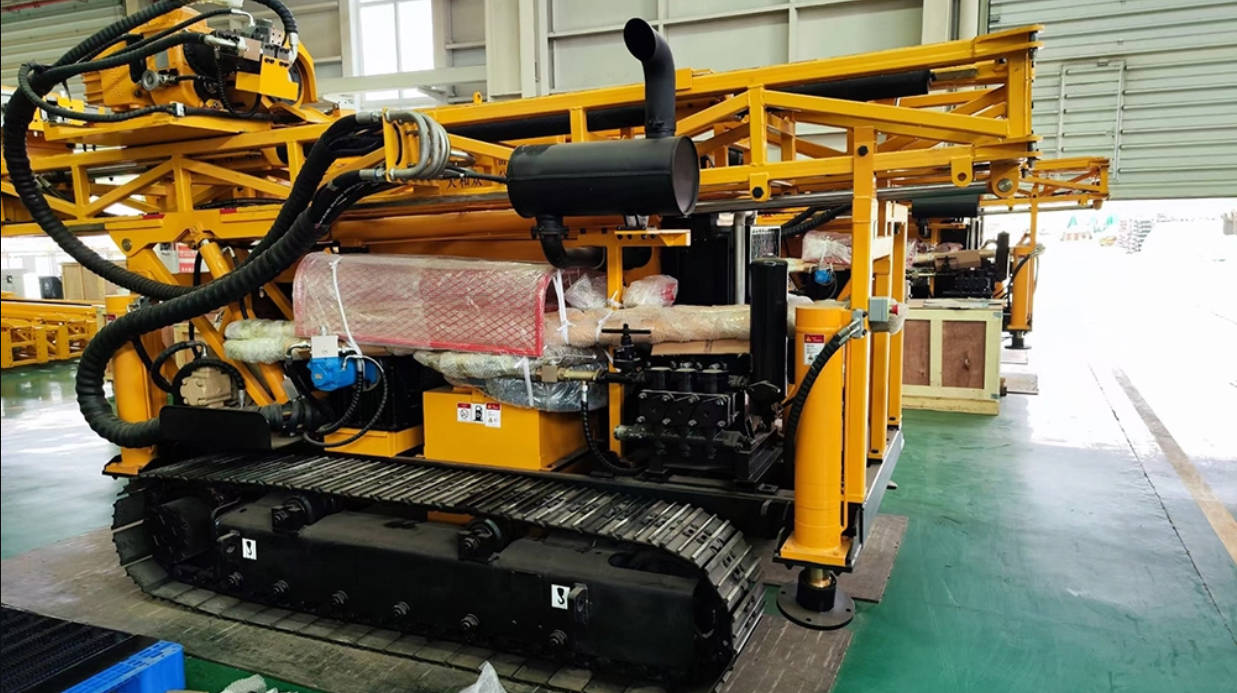
The following hypothetical budget illustrates a 3,000-metre surface diamond drilling program. Every amount is an assumed USD input, not a CORTECH quotation or current industry average.
| Budget item | Assumption | Amount |
|---|---|---|
| Base drilling | 3,000 m × US$150/m | US$450,000 |
| Mobilization and demobilization | Lump sum | US$30,000 |
| Additional consumables | Allowance | US$24,000 |
| Water, fuel, and accommodation | Allowance | US$45,000 |
| Pads and access preparation | Allowance | US$20,000 |
| Logging, surveys, and assays | Allowance | US$36,000 |
| Subtotal | Before contingency | US$605,000 |
| Contingency | Illustrative 10% | US$60,500 |
| Total | Including contingency | US$665,500 |
The resulting budget is approximately US$222/m, compared with the assumed base rate of US$150/m.
The contingency percentage is not a universal recommendation. Its suitability depends on geological uncertainty, access risk, contractual allocation, and the maturity of the project plan.
Avoid double-counting. For example, fuel or drilling fluids may already be included in the contractor's rate.
A useful supplementary metric is:
Cost per recovered metre=Defined project cost/Recovered core length
Suppose two hypothetical programs each drill 3,000 metres and cost US$600,000.
At 95% recovery, the recovered length is 2,850 metres, giving approximately US$211 per recovered metre. At 80% recovery, the recovered length is 2,400 metres, giving US$250 per recovered metre.
Both programs cost US$200 per drilled metre, but their recovery-adjusted costs differ substantially.
This metric has limitations. Recovered length alone does not establish sample integrity, orientation quality, representativeness, or geological value. Use it alongside interval-level recovery and the project's technical acceptance criteria.
A practical budget should show what happens when production falls below plan.
Use three scenarios: expected conditions, slower drilling, and a significant interruption. Identify which expenses continue during each scenario and which contractual charges apply.
For example, ten extra days at an assumed US$4,000 daily support cost add US$40,000 before any additional drilling or standby charges.
This exercise reveals whether the main financial exposure comes from penetration, logistics, equipment reliability, or client-controlled access.
1. Define metres, hole depths, angles, core diameter, and sampling objectives.
2. Share available geological information and known ground risks.
3. Specify access, water, power, accommodation, and working-hour arrangements.
4. Require separate mobilization, depth-band, standby, and consumable schedules.
5. Confirm recovery expectations, reporting requirements, and responsibilities.
6. Compare complete budgets using the same assumptions.
The strongest comparison is not three headline rates. It is three clearly defined scopes priced against the same drilling program.
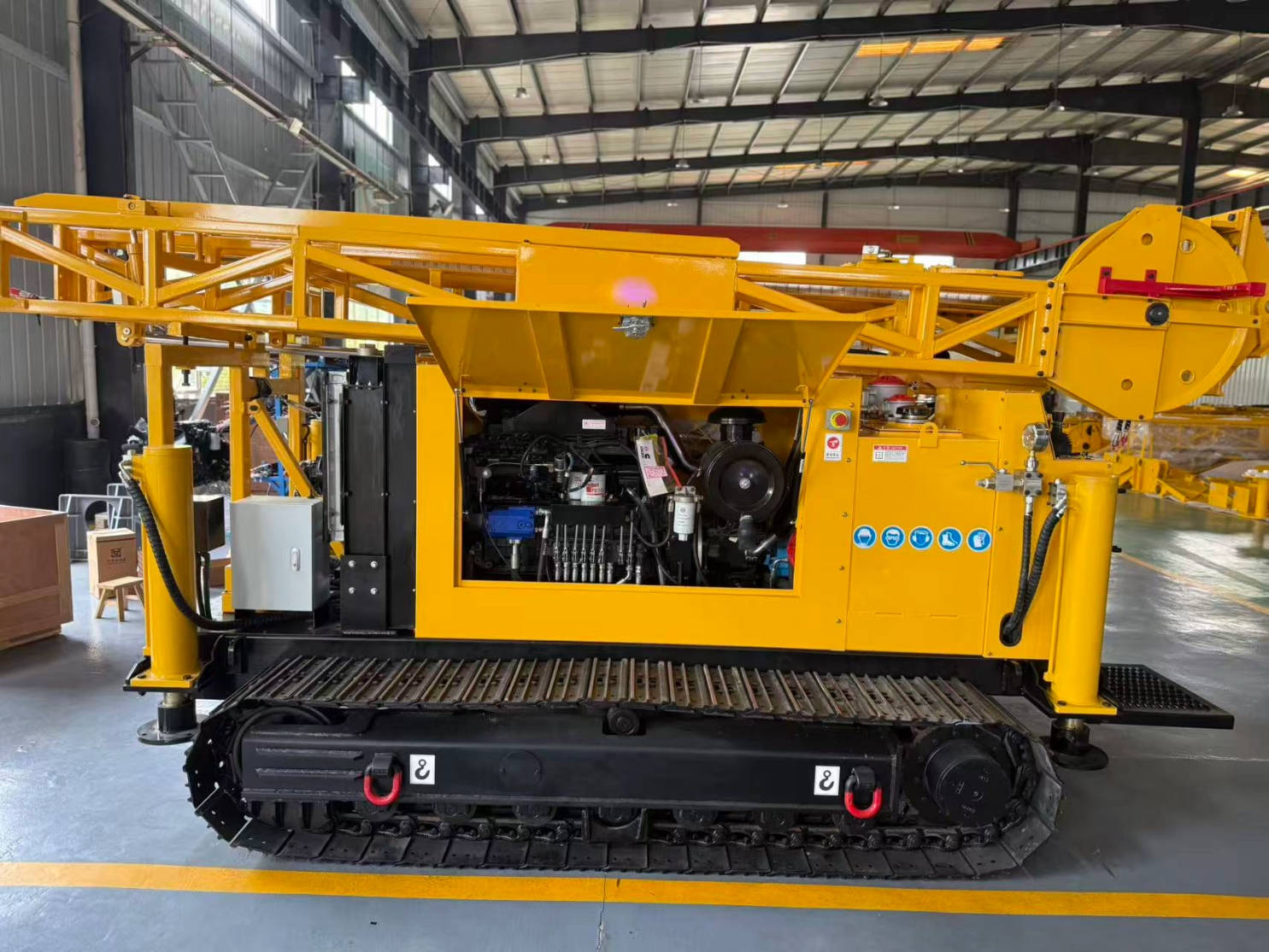
CORTECH develops and manufactures full-hydraulic diamond core drilling rigs, including CORE SURFACE DRILL, CORE HELI DRILL, and CORE U/G DRILL product categories.
Equipment selection should follow the project's operational constraints.
| Rig category | Primary application | Cost questions to investigate |
|---|---|---|
| CORE SURFACE DRILL | Surface exploration and investigation | Access, pad preparation, relocation, depth capability |
| CORE HELI DRILL | Modular deployment for access-constrained sites | Module weights, lift requirements, assembly, support transport |
| CORE U/G DRILL | Underground core drilling | Chamber dimensions, hole angles, power, ventilation, anchoring |
A modular rig may help address transport constraints, but modularity does not automatically make a campaign cheaper.
For helicopter-supported work, verify the weight and dimensions of every transported module against aircraft capability and site conditions. Include tooling, fluids, spares, and support equipment in the logistics plan.
For underground work, verify the operating envelope before purchase. A rig that meets the drilling specification but does not suit the chamber creates avoidable cost.
For an owner-operated fleet, compare:
Include crew costs, maintenance, insurance, storage, consumables, training, and support equipment. Use a consistent treatment of financing, depreciation, and residual value to avoid counting the same capital cost twice.
Utilization matters. Equipment that performs well technically can still be expensive per metre if it spends much of the year idle.
Before purchasing, request model-specific documentation covering drilling capacity, hydraulic performance, transport dimensions, maintenance requirements, spare parts, and commissioning support.
There is no universal rate. One published exploration benchmark gives $110–250 per metre before extras, but does not identify currency or pricing date. Obtain current local quotations with defined inclusions.
Not directly. Concrete coring and exploration diamond drilling involve different equipment, scopes, access conditions, and deliverables. Construction hole prices should not be used to estimate a mineral exploration campaign.
Diamond drilling retrieves cylindrical rock samples rather than only chips. Tooling, core retrieval, sample-quality requirements, and challenging ground conditions contribute to its cost.
Generally, yes. Published exploration guidance identifies depth as a cost driver. Ask contractors to show depth-band rates and associated handling or consumable charges.
A suitably specified rig may improve operational efficiency, but savings depend on utilization, tooling, crew competence, maintenance, geology, and support logistics. Equipment alone cannot guarantee lower project costs.
No verified customer reviews were supplied for this article. Request attributable references from comparable projects and assess their drilling conditions, service history, recovery results, and reported downtime.
1. [Novo Resources — Drilling Techniques & Costs]. Undated company glossary. Supports the published $110–250 per-metre benchmark, additional-cost warning, and depth and diameter cost drivers. The page does not specify currency or pricing date. [novoresources]
2. [Boart Longyear — Quantifying Drilling Efficiencies: Why Drilling Metrics Matter]. Published October 10, 2018. Supports the discussion of metres per shift, support costs, downtime, maintenance, and core recovery. Company-authored operational guidance, not a current pricing survey. [boartlongyear]
3. [CORTECH — Full Hydraulic Diamond Core Drilling Rigs]. Manufacturer website. Supports the company description and listed surface, heli, and underground drilling categories. Manufacturer performance claims require model-specific and project-specific verification. [cortechdrilling]
4. [Institut de la statistique du Québec — Number of Metres Drilled and Costs]. Updated August 25, 2026, with tables covering 1997–2025. Defines exploration campaign costs broadly, including mobilization, preparation, drilling, support equipment, sampling, and assays. No numerical provincial rate is reproduced here. [statistique.quebec]
5. Editorial calculations and supplied company brief. Budget examples, productivity comparisons, recovery-adjusted calculations, and visual prompts are original illustrations using explicitly stated assumptions. They are not customer case studies, observed CORTECH performance results, or commercial quotations.


