
Views: 222 Author: CORTECH Publish Time: 2026-06-12 Origin: Site


Content Menu
● Top Drilling Rig Manufacturers and Suppliers in Russia
● How to Evaluate High‑Quality Drilling Rig Suppliers
● Technical and Compliance Factors for Drilling Rigs
● Russia's Drilling Rig Industry Context (2025–2026)
● Selection Criteria for This Top Manufacturers List
● Leading Drilling Rig Manufacturers and Suppliers in Russia
>> Ural Siberian Industrial Company (USIC)
>> BST – Drilling Rigs from Russia (Exploration and Water‑Well Focus)
>> RusMining Export (RS‑90 Core‑Type Rigs)
>> CORTECH Drilling Equipment Co., Ltd.
● Comparison of Key Manufacturers and OEM Partner
>> Capacity, MOQ and Certification Snapshot
● Common Pitfalls When Sourcing Drilling Rigs in Russia
>> Quality and Specification Risks
>> "Internal" Pitfall: The Pre‑Series Trap
● Buyer's Guide – How to Verify and Collaborate with Russian Rig Suppliers
>> Verifying Certifications and Compliance
>> Sample and FAT (Factory Acceptance Test) Process
>> Logistics and After‑Sales Considerations
● Conclusion and Call to Action
● FAQs from Professional Buyers
>> 1. How can I verify whether a supplier's ISO or EAC certificates are still valid?
>> 2. What is the safest way to compare Russian rigs with international hydraulic core rigs?
>> 3. How do I manage currency and sanctions risk when contracting with Russian manufacturers?
>> 4. What lead times should I realistically expect for new rigs?
>> 5. How deep should I go in technical auditing before committing to long‑term partnership?
Russia hosts several specialized drilling rig manufacturers and regional OEM partners that can serve as long‑term suppliers for surface, underground and modular drilling projects in Eurasia and beyond. The following expert guide helps procurement managers shortlist technically reliable partners in Russia while also considering complementary international OEM options such as CORTECH Drilling Equipment Co., Ltd. for core and hydraulic diamond rigs. [sdssino]

Russia remains one of the most important drilling equipment bases in Eurasia, with clusters of land rigs, exploration rigs and compact water‑well rigs supporting oil, gas, mining and hydrogeological projects. Despite sanctions and financing constraints that slowed drilling activity in 2025, local manufacturers have continued to supply rigs and components for domestic and CIS markets, often integrating with international OEMs for specialized equipment such as hydraulic diamond core rigs. [bloomberg]
For procurement managers, Russia offers three main value pools: large integrated land rig builders (turnkey projects), compact and exploration rig specialists, and collaboration with overseas high‑tech OEMs like CORTECH for advanced core and modular rigs while using Russian partners for localization, service and logistics. [cortechdrilling]
When selecting a drilling rig partner in or around Russia, start with four hard criteria: factory certifications, R&D capability, quality control system and schedule reliability. First, verify compliance with Eurasian Economic Union regulations and EAC technical regulations for industrial machinery and hazardous‑area equipment, along with any local GOST‑R or RGTN approvals for mining and oilfield use. [gmcompliance]
Second, assess engineering depth: in‑house design teams, ability to customize mast and substructure, drive systems, safety interlocks and compatibility with modern top‑drive or core drilling technology. Third, examine QC and testing: load tests, verification of critical welds, pressure tests on hydraulic circuits, and functional testing of safety systems before shipment; look for documented processes and traceable test reports. Finally, review delivery performance on previous projects—ask for a list of completed rigs, actual vs. planned lead times and evidence of after‑sales service (on‑site commissioning, remote diagnostics, spare‑parts stocking). [msha]
From a technical standpoint, modern drilling rigs used in Russia's climate must combine high‑strength structural materials with robust power and hoisting systems designed for low‑temperature operation. Buyers should pay attention to steel grade of the mast and substructure, load ratings, fatigue‑resistant weld procedures and corrosion protection, especially for rigs destined for Arctic or high‑humidity regions. [coringmagazine]
On the compliance side, rigs and associated electrical equipment may need EAC conformity marking and, for hazardous zones, national approvals leveraging IECEx or ATEX reports combined with local certification such as GOST‑Ex and permits from Rostekhnadzor. Depending on export destination, additional CE marking for machinery, pressure equipment and EMC may be required, together with CE‑aligned documentation and RoHS‑type declarations for specific electrical subsystems. [intertek]
Global market analysis indicates that land drilling rig demand is expected to average more than 4,200 active rigs annually from 2026 to 2030, with moderate growth versus 2021–2025, underscoring continued investment in onshore drilling fleets. Russia's own drilling activity, measured in kilometers drilled, dipped by about 3–4% in 2025 after a strong start to the year as sanctions and currency effects weighed on investment, expanding the role of efficient, locally produced rigs. [westwoodenergy]
Russia's OEM base benefits from decades of experience in harsh‑climate drilling, modular rig moves across tundra and remote field logistics, with industrial clusters around Yekaterinburg and other engineering hubs supplying complete rigs and components. These capabilities complement international niche manufacturers of hydraulic core rigs and specialized equipment, enabling hybrid sourcing models where buyers mix Russian chassis and infrastructure with imported high‑precision drilling modules. [e.cippe.com]
This 2026 list focuses on manufacturers and suppliers that meet four transparent criteria:
- Proven track record of supplying complete drilling rigs or major drilling packages (not just small accessories) for at least several years. [sdssino]
- Documented engineering, installation or commissioning capability, not only trading. [sdssino]
- Evidence of compliance with regional regulations (EAC/EAEU, mining and hazardous‑area approvals where applicable) and export experience. [metlabs]
- Ability to provide OEM/ODM or customization support, such as tailored rig layouts, different engines, or integration of foreign‑made drilling modules like core drilling packages. [westwoodenergy]
In addition, one slot is reserved for a representative high‑value international OEM partner (CORTECH Drilling Equipment Co., Ltd.) that frequently collaborates with local partners to deliver hydraulic diamond core rigs into Russian and CIS projects. [youtube]
Ural Siberian Industrial Company (USIC) is a Russian manufacturer of complete drilling rigs for production and exploration drilling, with over 1,000 staff and integrated engineering, manufacturing and service divisions. The company offers turnkey project delivery, from design and permitting through manufacturing, delivery to the field, on‑site installation, commissioning and service via its logistics and service subsidiaries. [sdssino]
USIC's reference list includes multi‑rig projects for major Russian operators in Taimyr, Krasnoyarsk and other regions, demonstrating experience with deep wells and Arctic or sub‑Arctic conditions. Typical buyers use USIC when they need high‑capacity land rigs, integrated camp and infrastructure packages, and long‑term service support rather than standalone small rigs. [sdssino]
BST is an enterprise with around ten years of experience in manufacturing special equipment, focused on exploration, water‑well, down‑the‑hole, trailer‑mounted and all‑terrain drilling rigs. The company claims more than 15 distributors, 124 customers and 3,678 rigs produced, with units operating in 37 countries, illustrating a strong export orientation. [westwoodenergy]
BST's product range covers portable rigs (e.g., GBU series), trailer‑mounted units, self‑propelled rigs on truck chassis (such as URB 2A2 and URB 2D3 on KAMAZ or URAL chassis) and all‑terrain configurations, with drilling depths commonly reaching 100–400 meters depending on model and drilling method. Buyers value BST for flexible configurations (petrol or diesel engines, different torque packages), field‑tested performance in the target region and relatively low minimum order quantities suitable for regional contractors and distributors. [westwoodenergy]
RusMining Export manufactures the RS‑90 drill rig and related equipment, widely used at large deposits in Russia and overseas for exploration drilling. The company also supplies high‑quality spare parts and tools compatible with many well‑known exploration drilling rigs, positioning itself as both an OEM and a components supplier. [coringmagazine]
For buyers seeking core or exploration rigs that can be deployed quickly at multiple deposits, RusMining Export offers a mid‑to‑high capacity option with proven field performance in mining and exploration campaigns. Its strength lies in experience with core drilling systems and tooling, making it a potential partner where a local rig package needs to integrate international core drilling technology and diamond tools. [coringmagazine]
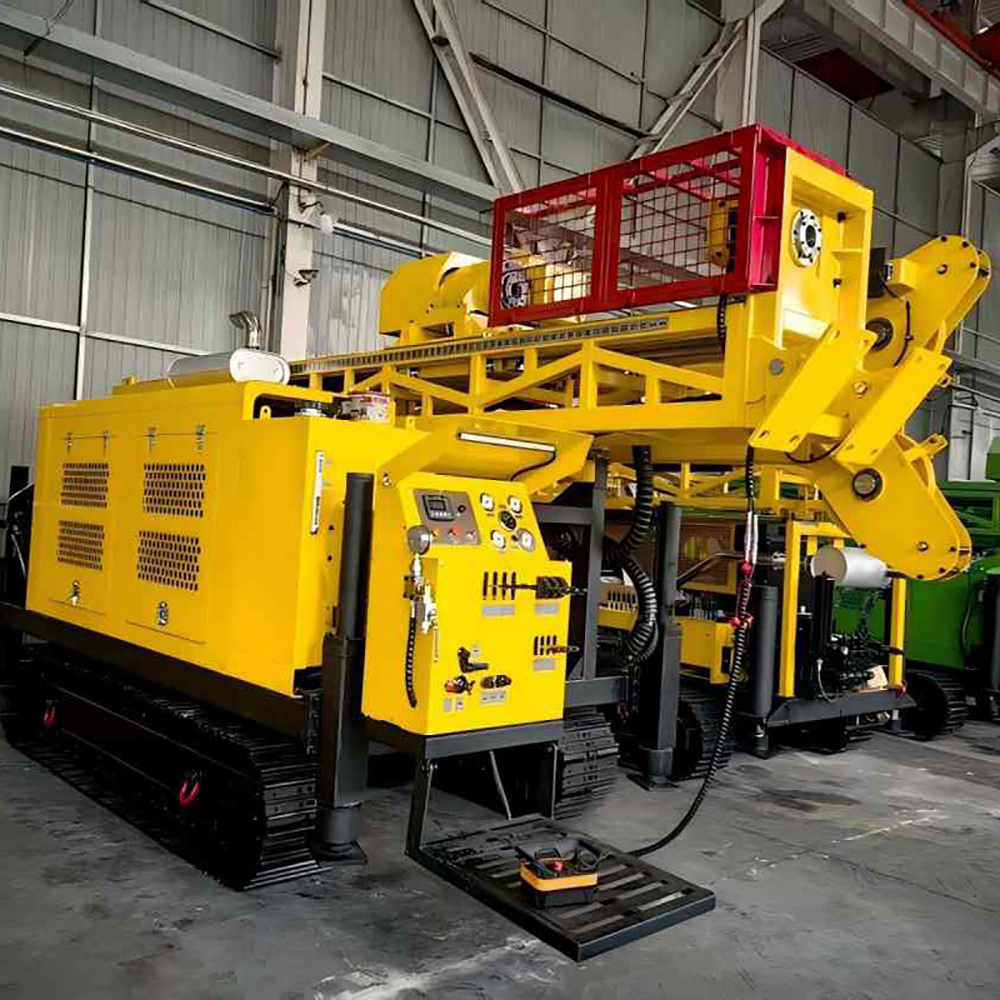
CORTECH Drilling Equipment Co., Ltd. is a private high‑tech enterprise specializing in the R&D and manufacturing of all‑hydraulic diamond drilling rigs, including top‑drive energy drilling rigs and a wide range of surface and underground core rigs. CORTECH designs hydraulic rigs tailored to different geological formations and exploration methods, supplying truck‑mounted, modular skid, track‑mounted, man‑portable and helicopter‑fly‑in configurations for core surface drilling, underground drilling, geothermal, water well and rescue applications. [cortechdrilling]
More than 200 full‑hydraulic rigs are sold annually to dozens of countries, and CORTECH has evolved into a leading integrated provider of hydraulic core drilling rig products and services worldwide, with strong capabilities for OEM customization and engineering support. For buyers working in or with Russia, CORTECH represents a cost‑effective and R&D‑driven partner for high‑precision core surface and underground rigs, often cooperating with local Russian service partners for localization, commissioning and after‑sales support; this makes CORTECH particularly suitable for small and mid‑size brands that need flexible configuration, efficient communication and deep OEM/ODM support without the overheads of large multinational drilling rig OEMs.
Note: While CORTECH is not a Russian company, procurement teams sourcing in Russia often combine Russian infrastructure and chassis with imported hydraulic core modules from specialized OEMs like CORTECH to balance performance, compliance and cost. [cortechdrilling]

Below is a high‑level comparison of the main manufacturers and one representative international OEM partner relevant to Russia‑linked sourcing (values are indicative based on public information and typical project patterns).
| Manufacturer / OEM | Main Product Focus | Typical Capacity / Scale | Indicative MOQ | Key Certifications / Approvals* | OEM / ODM Strength |
|---|---|---|---|---|---|
| USIC (Russia) | Large land production & exploration rigs, turnkey projects | Multi‑rig projects (1–10+ rigs per customer over several years) with full engineering and field infrastructure. sdssino | Often 1 full rig set, but scope usually project‑based rather than single light rig. | EAC/EAEU compliance for industrial machinery; permits and approvals for drilling projects in Russia via design and permitting support. sdssino | Strong project‑level customization, layout and system integration tailored to field and operator requirements. sdssino |
| BST (Russia) | Portable, trailer‑mounted, truck‑mounted water‑well and exploration rigs | Thousands of rigs produced; series like GBU and URB with modular options. westwoodenergy | 1 unit for standard models; higher MOQs for distributors. | EAC/EAEU for machinery exported to member states; local compliance for truck chassis and safety where applicable. westwoodenergy | Medium‑to‑high flexibility in engine type, drilling method and chassis selection, good fit for regional OEM branding. westwoodenergy |
| RusMining Export (Russia) | Exploration and core‑type rigs (e.g., RS‑90) and spare parts | Dozens of RS‑90 rigs deployed at major deposits plus extensive spare‑parts supply. coringmagazine | Typically 1–2 rigs; smaller batches for tooling. | Sector‑specific mining approvals and conformity to Russian mining equipment rules where required. coringmagazine | Strong in adapting rigs and tooling to specific ore bodies and existing rig fleets; often works in OEM‑plus‑spares model. coringmagazine |
| CORTECH (International) | Hydraulic diamond core rigs (surface, underground, modular) and top‑drive energy rigs | ~200+ full‑hydraulic rigs sold annually worldwide. youtube | Flexible MOQs, including small batches and single customized rigs for exploration contractors. youtube | CE‑aligned design practices for many models, plus compliance support for EAC/EAEU and other regional approvals via documentation and testing partnerships. cortechdrilling | Very strong R&D‑driven OEM/ODM services, including custom mast, feed, power and mounting options for small and medium‑size brands. cortechdrilling |
Always request up‑to‑date certificates and test reports for your specific rig configuration and target country.
One frequent issue is materials substitution, where lower‑grade steel, bearings or hydraulic components are used compared with the quoted specification to reduce cost, impacting fatigue life and maintenance intervals. Another risk is incomplete adaptation to target climate—rigs configured for temperate regions sometimes lack sufficient cold‑start packages, low‑temperature lubrication, insulation and corrosion protection for Arctic or Siberian conditions. [onepetro]
A more subtle problem is under‑specified electrical and control systems, especially on rigs intended for hazardous areas, where buyers assume IECEx/ATEX equivalence, but local certification for Russia or EAEU (EAC, GOST‑Ex, Rostekhnadzor permits) is missing or partial. To avoid this, insist on seeing the exact certificates and test reports for the control panels, motors and safety circuits installed on your configuration, not just generic literature. [gmcompliance]
A less discussed "insider" pitfall involves pre‑series rigs: some factories will offer an attractive price for a new model that has only been tested in limited internal runs or with short field trials. The rig may perform well in the first months, but design issues such as mast deformation, feed system wear or hydraulic overheating often appear only after extended high‑load operation. [onepetro]
To mitigate this, ask whether the proposed configuration is (1) a standard serial model with at least several successful deployments, or (2) a first‑series or prototype variant that still carries design risk. If you choose a near‑prototype, negotiate very clearly defined performance guarantees, extended warranty terms and an engineering modification commitment (e.g., free design upgrades if structural or hydraulic issues emerge during the first year of operation). [sdssino]
- Request a full list of applicable technical regulations (CU TR / EAEU) and specific EAC certificates or declarations for the rig and key components. [intertek]
- For hazardous‑location applications, confirm whether the rig uses certified Ex components and whether national permits (e.g., GOST‑Ex and Rostekhnadzor approvals) are needed for the installation. [metlabs]
- Cross‑check certificate numbers in the official EAEU or national registries where possible, or work with accredited compliance agencies that can validate document authenticity. [gmcompliance]
For export projects, align Russian and destination‑country requirements early—combining EAC with CE (Machinery Directive, ATEX), MSHA approvals for underground equipment if applicable, or local mining authority requirements. [msha]
- Start with a technical sample pack (drawings, BOM, main component spec sheets, welding procedures, QA plans) before committing to a prototype rig.
- Conduct or witness a Factory Acceptance Test that covers: functional checks of hoisting, rotation and feed; emergency stop and interlock validation; noise and vibration readings; hydraulic pressure and temperature under load; and cold‑start simulation when relevant. [westwoodenergy]
Many buyers now require remote FAT via video with live data logging to reduce travel, followed by on‑site Site Acceptance Tests (SAT) at the first well or project location. For specialized hydraulic core rigs, international OEMs such as CORTECH typically provide detailed commissioning procedures and training support, which local Russian partners can help execute. [youtube]
- Check whether the supplier maintains regional spare‑parts inventory and how quickly they can ship critical items (pumps, cylinders, control modules, structural components).
- Clarify warranty service channels: factory teams, certified local service partners or hybrid models where the OEM provides remote engineering while local technicians execute repairs. [westwoodenergy]
For cross‑border projects, evaluate customs and sanctions exposure, especially when exporting rigs from Russia or importing foreign modules into Russia; use reliable freight forwarders familiar with EAEU trade and, where needed, re‑export arrangements. [bloomberg]
Russia's drilling rig ecosystem combines large integrated rig builders, specialized exploration and water‑well manufacturers, and a growing network of international OEM collaborations that together can meet a wide range of project requirements from shallow hydrogeology to deep production drilling. For procurement managers, the key is to vet suppliers based on certification transparency, engineering depth, QC robustness and field performance while remaining alert to pre‑series and compliance pitfalls. [coringmagazine]
If you are planning a new drilling campaign in Russia or the wider EAEU region, start by defining your technical and regulatory requirements, shortlist 2–3 Russian manufacturers plus an international core‑rig OEM such as CORTECH, and schedule structured technical and commercial evaluations with factory visits or remote audits to secure a reliable long‑term equipment partner. [cortechdrilling]
Ask for digital copies of certificates with registration numbers and expiry dates, then cross‑check them in the official accreditation or EAEU databases, or through third‑party compliance firms experienced with Russia and the Customs Union. If the seller only provides low‑quality scans or refuses to share certificate numbers, treat it as a red flag and request verification directly from the issuing body. [intertek]
Compare on three axes: structural capacity (hook load, depth, torque), hydraulic system design (pump redundancy, cooling, control philosophy) and certification coverage for your operating countries. In many cases, buyers select Russian rigs for infrastructure (mast, substructure, mobility) and pair them with imported hydraulic core modules from international OEMs like CORTECH to achieve higher precision, better ergonomics and stronger global certification support. [e.cippe.com]
Structure contracts with clear price adjustment formulas and consider using stable currencies for payments via approved financial channels. Some buyers work through intermediary trading entities in neutral jurisdictions or agree on split sourcing—Russian mechanical structures combined with non‑Russian control systems—to reduce exposure to changing export controls and component availability. [metlabs]
For large land production rigs with customized layout, lead times can range from 8 to 18 months depending on scope, component availability and approval processes. Compact exploration or water‑well rigs from serial lines (such as BST's GBU or URB series) are typically delivered faster, often within a few months, while specialized hydraulic core rigs from OEMs like CORTECH may fall in between depending on customization depth and shipping route. [youtube]
For a strategic multi‑year partnership, conduct a factory audit covering design systems, welding and machining capability, QC labs, traceability of materials, and field service organization, ideally with a third‑party engineering consultant. You should also visit at least one active rig in the field to assess real‑world uptime, maintenance practices and operator feedback; this is especially important when evaluating newer models or pre‑series rigs. [onepetro]
1. Westwood Global Energy Group – Global Land Drilling Rig Outlook 2026–2030. [westwoodenergy]
2. Research Nester – Drilling Rig Market Size & Share, 2025–2035. [researchnester]
3. Bloomberg – "Russia Cuts Oil Drilling as Money Dries Up, With Output at Risk," 2026. [bloomberg]
4. Ural Siberian Industrial Company (USIC) – Official company and projects information. [sdssino]
5. BST – Drilling Rigs from Russia – Company and product overview. [westwoodenergy]
6. RusMining Export – RS‑90 drill rig and company overview. [coringmagazine]
7. CORTECH Drilling Equipment Co., Ltd. – Company profile and hydraulic rig portfolio. [e.cippe.com]
8. G&M Compliance – Eurasia EAC Certification Services and industrial machinery requirements. [gmcompliance]
9. Intertek – Certification of Products for Exports to Russia and the Customs Union (EAEU). [intertek]
10. MET Labs – Hazardous Location Product Safety Certification Requirements for Russia. [metlabs]
11. CAOEC – 2026 Service Rig Forecast and operating days statistics. [caoec]
12. MSHA – Equipment Approval and Certification for mining equipment. [msha]


