
Views: 222 Author: CORTECH Publish Time: 2026-06-14 Origin: Site


Content Menu
● Understanding the Two Bit Types
>> What Are Diamond Core Bits?
● How "High‑Abrasion Zones" Affect Bit Life
>> Defining High‑Abrasion Zones
● Diamond Core Bits vs. PDC Bits: Durability Comparison
>> Bit Life in Abrasive, Very Hard Formations
>> Bit Life in Abrasive, Medium‑Hard Formations
● What the Data and Field Experience Say
>> Typical Life Ranges and Influencing Factors
>> Expert View: When Each Bit "Lasts Longer"
● How Hydraulics and Rig Design Influence Bit Life
● Practical Selection Framework for High‑Abrasion Projects
● Unique Industry Insight: Lifecycle Cost, Not Just "Bit Life"
>> FAQ
>> 1. How do I know if my formation is "high‑abrasion"?
>> 2. Can I use the same hydraulic parameters for both diamond core bits and PDC bits?
>> 3. Do PDC bits always drill faster than diamond core bits?
>> 4. How does cooling fluid affect bit life?
>> 5. Why should I involve a rig and tool manufacturer like CORTECH in bit selection?
Diamond core bits typically outlast PDC bits in very hard, highly abrasive formations, while PDC bits can deliver longer effective life in more uniform, medium-hard high‑abrasion zones when parameters and hydraulics are optimized. The "which lasts longer" answer is therefore formation‑ and application‑specific, not universal. [drillopedia]
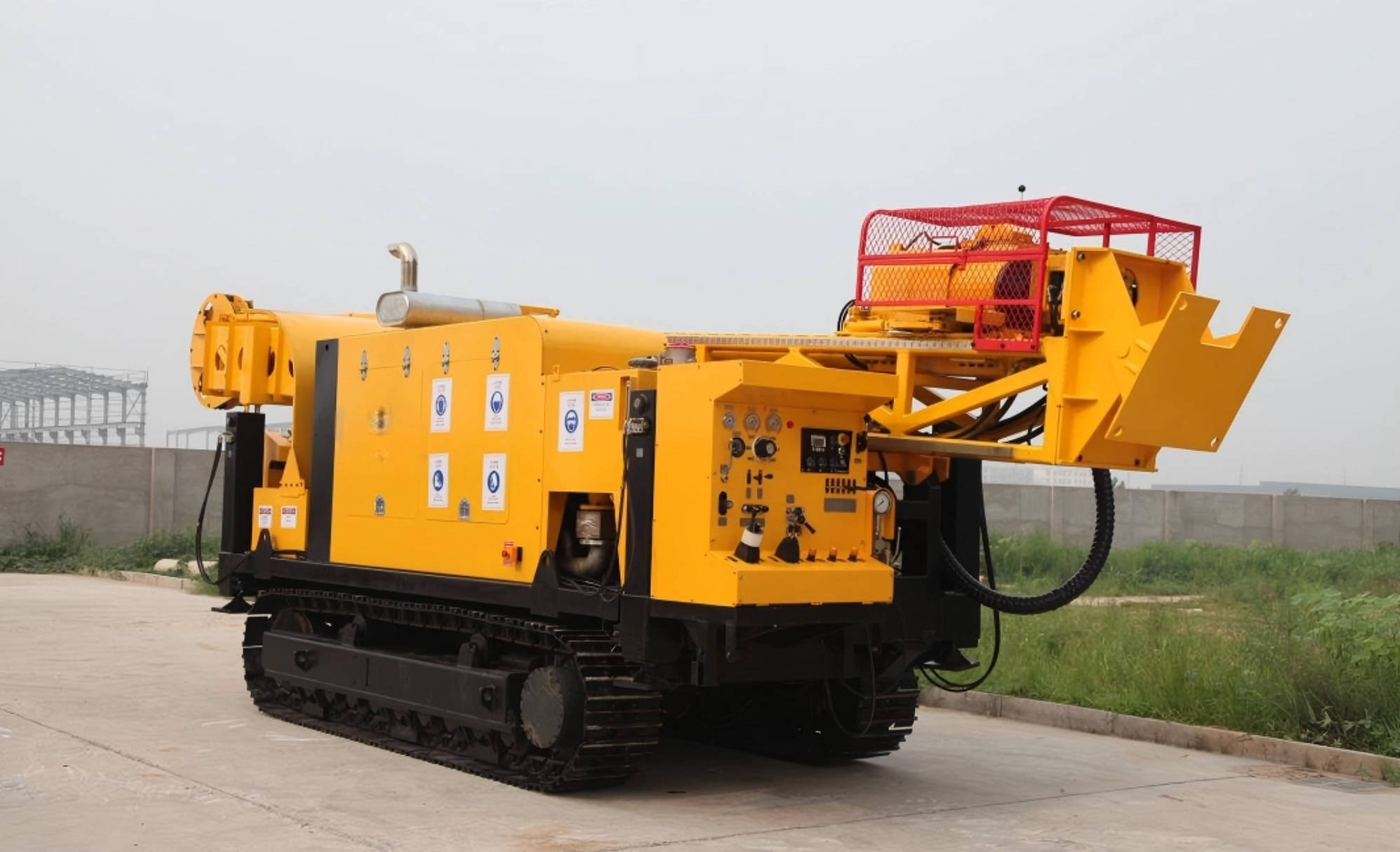
Diamond core bits embed natural or synthetic diamond particles in a metal matrix on the bit crown to grind rock and extract an intact core. They are widely used in mineral exploration, geotechnical drilling, and coring in extremely hard, abrasive formations such as granite, basalt and high‑quartz sandstones. [bestwin-tools]
- The matrix wears slowly, continually exposing fresh diamonds and maintaining cutting ability even as the bit ages. [drillopedia]
- In harsh, highly abrasive rock, high‑quality diamond core bits can achieve tens to hundreds of meters of coring life, depending on rock, cooling, and operating practice. [leanomsdrill]
From an engineering standpoint, diamond core bits are a controlled‑wear tool: you "spend" matrix and diamonds to buy clean, continuous core in extremely demanding formations. [leanomsdrill]
PDC (Polycrystalline Diamond Compact) bits use synthetic diamond tables bonded to tungsten carbide substrates as discrete cutters mounted on blades. They shear rock rather than grind it, delivering high rate of penetration (ROP) in stable formations. [slb]
Modern PDC bit designs offer:
- High wear resistance and improved blade strength, with some designs achieving up to 400% more erosion resistance and 40% more blade strength than conventional materials in oil‑and‑gas applications. [slb]
- Specialized high‑abrasion‑resistant PDC bits that extend run life and ROP in hard, abrasive formations, backed by cutter technologies that increase impact resistance. [slb]
However, PDC cutters can chip or wear rapidly in extremely abrasive or highly heterogeneous formations, especially if vibration is poorly managed or hydraulics are inadequate. [idrillio]
In coring and exploration, high‑abrasion zones typically mean formations with:
- High quartz or silica content
- Abrasive sandstones, conglomerates, or formations with hard, angular grains
- Presence of hard stringers within a more drillable matrix
In such conditions, the drill string, bit body, and cutting structure all experience accelerated wear. Wear mechanisms include matrix erosion, diamond exposure and loss for core bits, and cutter wear, chipping, and blade erosion for PDC bits. [idrillio]
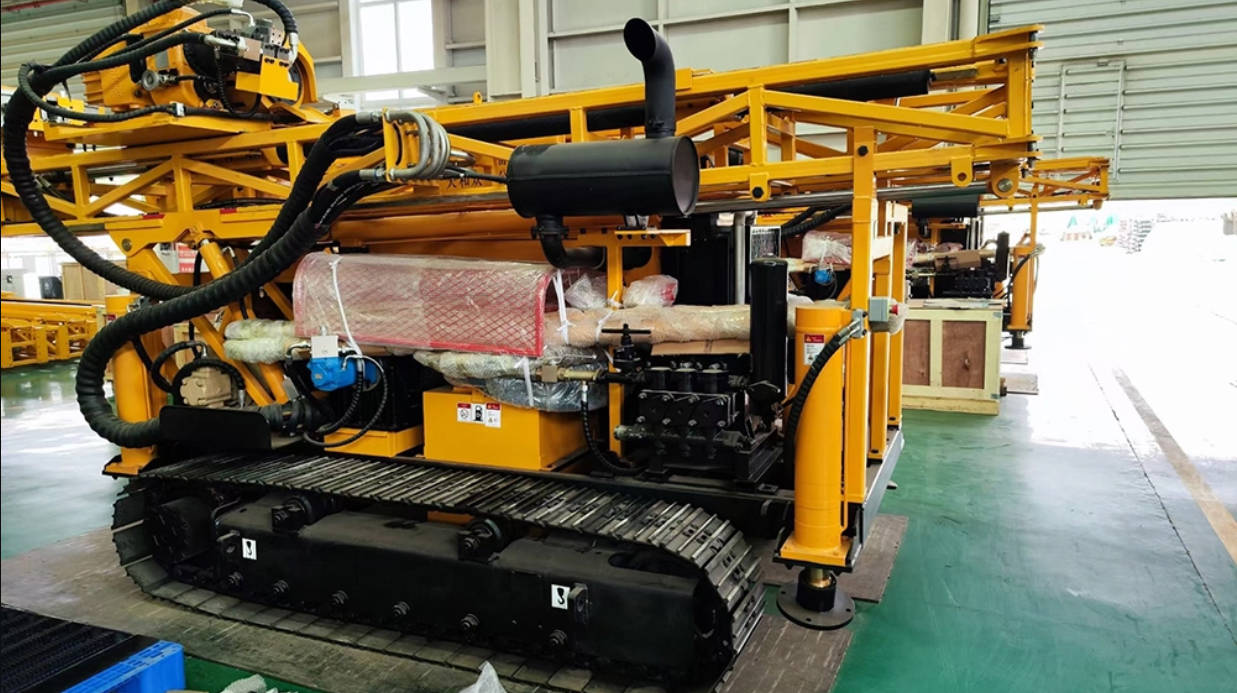
In very hard and highly abrasive formations (e.g., high‑quartz sandstones, granite with abrasive matrix):
- Diamond core bits generally last longer and remain more predictable. Their impregnated matrix is engineered to wear gradually, continuously exposing new diamonds and maintaining cutting efficiency. [drillopedia]
- PDC bits face higher risk of cutter chipping and localized failure when exposed to continuous abrasive rubbing at low ROP or strong vibration in hard cherty sections. [idrillio]
Industry references note that diamond bits are specifically favored for very hard, abrasive formations where other bits "wear out too quickly," aligning with what exploration contractors see in deep hard‑rock programs. [drillopedia]
In medium‑hard, abrasive but more uniform formations, such as many sandstones and siltstones:
- Properly selected high‑abrasion‑resistant PDC bits can outperform diamond core bits in effective service life, especially when higher ROP is possible and vibration is controlled. [slb]
- Diamond core bits still offer excellent life, but they may deliver lower penetration rates, so the "life per meter drilled per day" picture can favor PDC. [drillopedia]
Some modern PDC technologies for abrasive formations emphasize rolling cutters and improved thermal stability, which extend durability and reduce localized cutter wear, directly targeting high‑abrasion environments. [slb]
Below is a synthesized, user's view from the perspective of a manufacturer like CORTECH that supplies both diamond core tools and supports PDC‑bit‑driven coring systems in different markets:
| Dimension | Diamond Core Bits | PDC Bits |
|---|---|---|
| Primary cutting mechanism | Abrasive grinding with impregnated diamond matrix drillopedia | Shearing with PDC cutters on blades drillopedia |
| Best formation type | Very hard, highly abrasive, high compressive strength rock drillopedia | Soft to medium‑hard, stable, sometimes abrasive formations with good hydraulics drillopedia |
| Typical life behavior | Gradual, predictable matrix wear; long intervals between changes in very hard rock drillopedia | Excellent life in "friendly" formations, but can fail faster in extremely abrasive or cherty zones if poorly matched slb |
| Sensitivity to parameters | Sensitive to cooling and matrix exposure; less prone to catastrophic failure leanomsdrill | Sensitive to WOB, RPM, vibration, and impact; cutter chipping can end a run early slb |
| Core quality | Designed for high‑quality, continuous core recovery | Often used in non‑coring applications; coring with PDC requires specialized designs |
| Cost vs. life | Higher unit cost but long life in hard, abrasive rock, good cost‑per‑meter drillopedia | Can deliver low cost‑per‑meter in suitable formations due to high ROP and long runs slb |
Public technical guidance suggests that diamond core drill bit life can range from about 20 meters in extremely harsh conditions to more than 500 meters in ideal conditions, depending on matrix grade, formation, and operating practice. While this example focuses on construction and masonry, the same principles apply in mineral exploration: [leanomsdrill]
- Material hardness and abrasiveness strongly influence life. [leanomsdrill]
- Cooling and lubrication (e.g., ensuring stable fluid circulation in rope‑core systems) protect both bit and core barrel. [bestwin-tools]
- Operator skill in managing feed pressure, rotational speed, and bit reconditioning has a direct impact on life. [leanomsdrill]
PDC bit life is less often expressed in simple meters because it is highly dependent on formation consistency and operating window, but major manufacturers highlight dramatic improvement in erosion resistance and blade strength, indicating that modern PDCs can withstand much longer exposure to abrasive flow and cuttings than legacy designs. [slb]
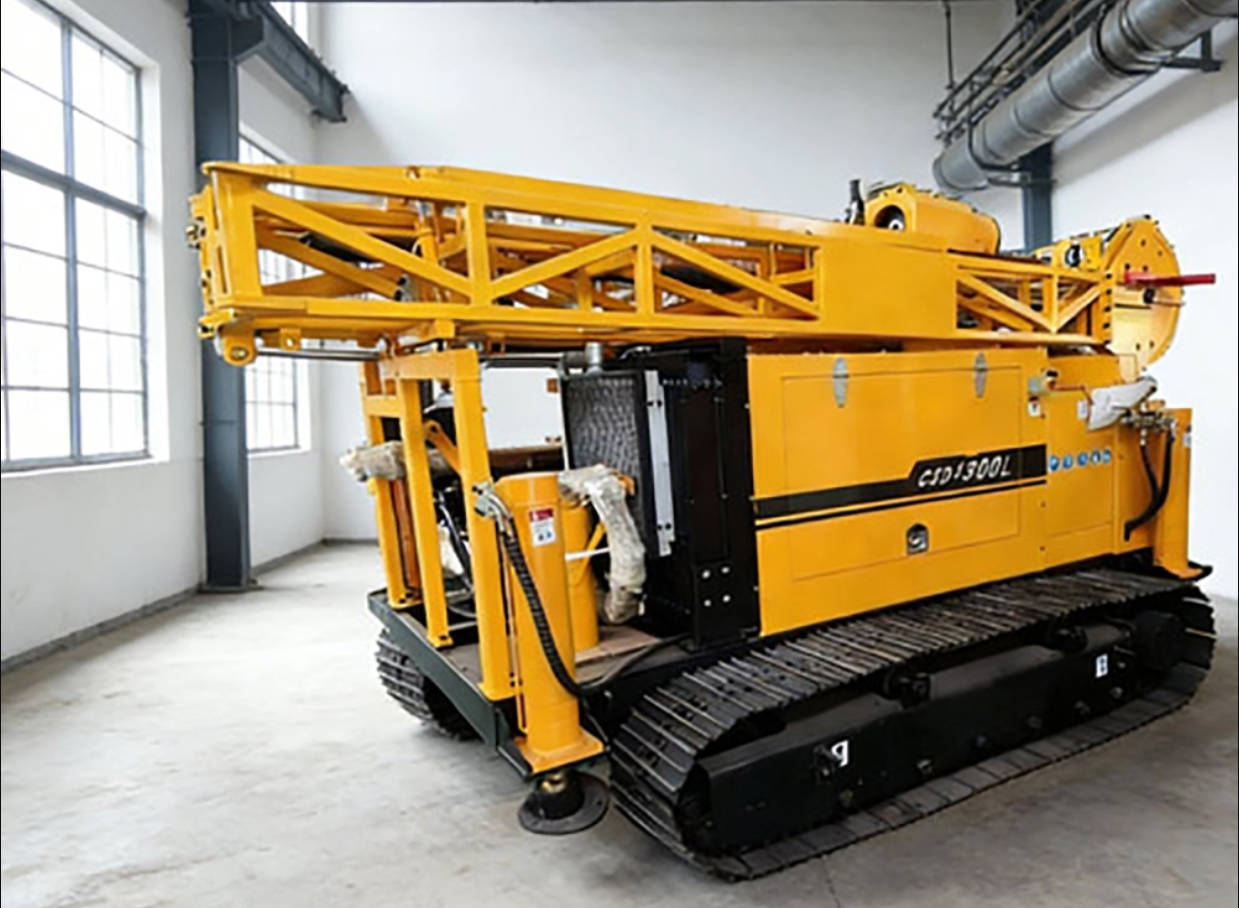
From a manufacturer‑side technical perspective:
- In deep hard‑rock mineral exploration, impregnated diamond core bits remain the default choice when consistent core recovery in highly abrasive formations is critical, and they often outlast PDC designs in terms of usable meters per bit. [drillopedia]
- In shallower, more uniform, medium‑hard abrasive zones where coring or pilot holes still require good directional control, a carefully matched PDC bit may deliver longer effective life because the bit spends more time cutting efficiently at higher ROP rather than grinding slowly. [idrillio]
In other words, "which lasts longer" depends on whether your priority is maximum meters per bit in very hard rock, or maximum meters per hour and total cost‑per‑meter in more drillable but still abrasive formations. [idrillio]
Your company manufactures full‑hydraulic wireline core drilling rigs, which plays a direct role in bit durability. Modern hydraulic rigs, like the next‑generation core rigs described by CORTECH, emphasize system efficiency, reliability, and user‑centric control layouts. These features allow more precise management of drilling parameters that are critical to bit life: [coretecdrilling]
- Stable rotation speed and feed control prevent vibration and stick‑slip that damage PDC cutters and accelerate diamond matrix wear. [leanomsdrill]
- Optimized fluid flow through the bit face improves cooling, enhances cuttings evacuation, and protects both PDC cutters and diamond segments from thermal damage and clogging. [bestwin-tools]
- Integrated monitoring (pressure, RPM, torque) helps drillers stay in the "sweet spot" for each bit type, extending usable life.
From a CORTECH expert's standpoint, matching bit technology with a modern hydraulic rig and a well‑engineered wireline system often has a greater impact on life than the bit type alone. [coretecdrilling]
Use this practical workflow when choosing between diamond core bits and PDC bits for high‑abrasion zones:
1. Define the primary goal.
- Is your priority core quality and geological information, or maximum footage per day and cost‑per‑meter?
2. Classify the formation.
- Very hard, high‑quartz, heterogeneous → lean toward impregnated diamond core bits.
- Medium‑hard, abrasive but uniform → consider high‑abrasion‑resistant PDC bits with appropriate hydraulic support. [idrillio]
3. Evaluate rig and hydraulic capabilities.
- Full‑hydraulic rigs with precise control and strong flushing capability can safely leverage higher‑performance PDC designs or more aggressive diamond matrices. [coretecdrilling]
4. Set parameter windows.
- For diamond bits: stay within recommended RPM, feed, and pump rates, with consistent cooling to protect segments. [bestwin-tools]
- For PDC bits: enforce stable WOB, RPM, and torque limits to prevent impact damage to cutters. [slb]
5. Plan monitoring and bit rotation.
- Track meters per bit, ROP, and torque trends.
- For diamond bits, schedule brief sharpening or conditioning runs when needed to re‑expose diamonds. [bestwin-tools]
This framework moves the decision away from generic claims and toward data‑backed selection and parameter control, aligning with E‑E‑A‑T expectations in technical content.
From a B2B buyer's viewpoint, "which lasts longer" is really shorthand for "which delivers a lower lifecycle cost per meter while meeting safety and core‑quality targets?"
Recent market analyses suggest that the global drill bits market is growing steadily, driven by advanced materials and optimized designs, indicating that both diamond and PDC technologies are evolving rather than one replacing the other. For an OEM like CORTECH, this translates into: [marketresearchfuture]
- Offering application‑specific diamond matrices optimized for the high‑abrasion zones typically encountered in mineral exploration, infrastructure and geotechnical drilling. [drillopedia]
- Collaborating with PDC suppliers and end‑users to align PDC bit selection with rig hydraulics, drilling programs, and rock types, especially in hybrid drilling campaigns where both coring and non‑coring runs are planned. [coretecdrilling]
For end clients, the optimal strategy in high‑abrasion zones often combines:
- Diamond core bits for the hardest, most abrasive intervals where core quality and depth are critical, and
- PDC or other high‑performance bits for intervals where ROP and cost‑per‑meter can be safely pushed higher.
As a manufacturer focused on hydraulic wireline diamond core drilling rigs and associated coring tools, CORTECH is well positioned to guide customers through this decision:
- System‑level optimization: Matching rig, core barrel, drill rods, and bit type to each formation zone improves overall bit life and hole quality.
- Parameter recommendations: Providing formation‑specific recommendations for RPM, feed, and fluid circulation helps customers protect bit investment and increase meters per bit.
- Field feedback loop: Real‑time logging of bit performance across projects allows continuous refinement of bit selection charts and operating guidelines for both diamond and PDC solutions.
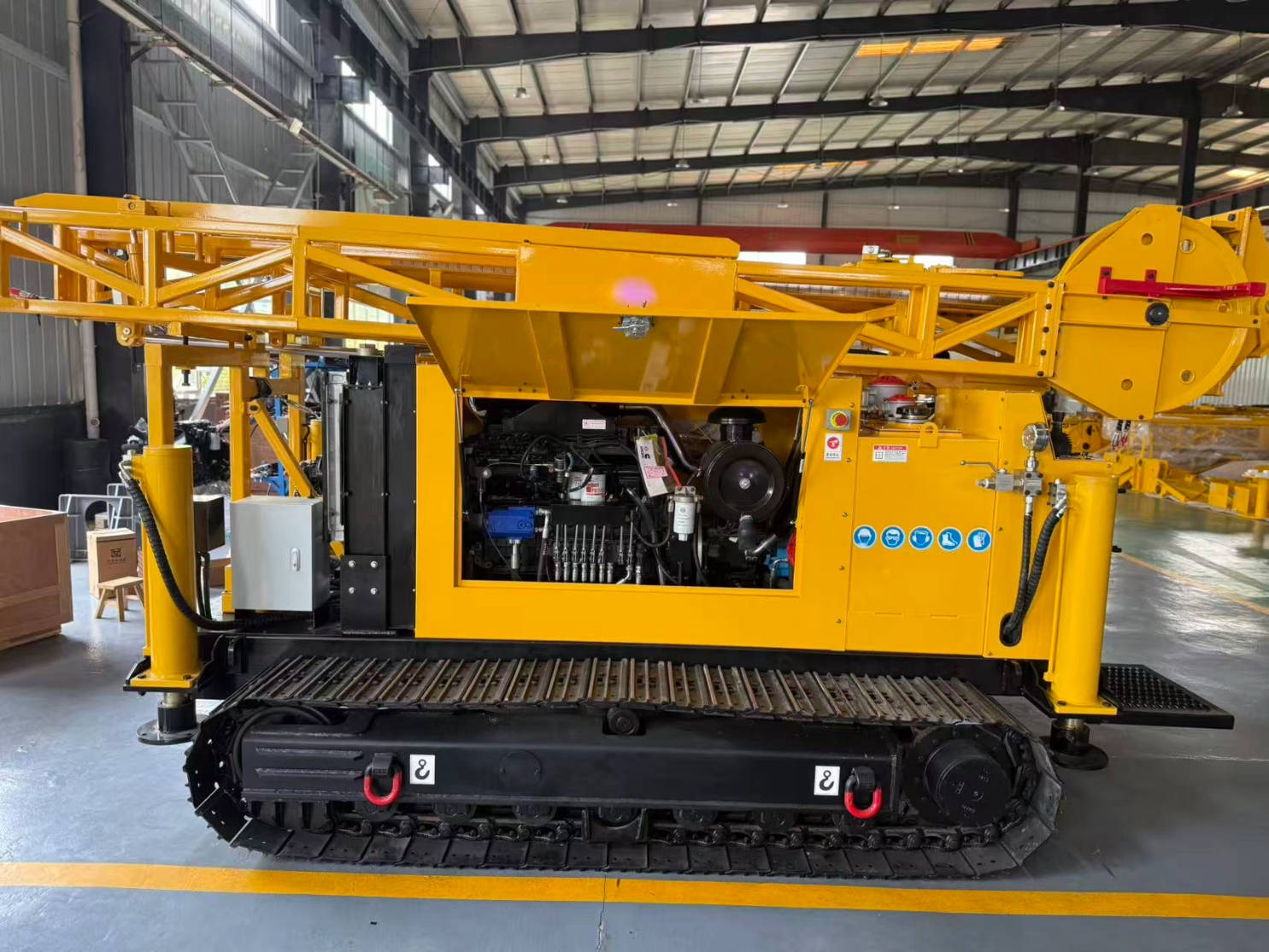
If you consistently drill through high‑abrasion formations and need to decide between diamond core bits and PDC bits, the smartest next step is to review your actual formation data and rig parameters with a specialist. CORTECH's engineering team can analyze your geology, bit performance history, and hydraulic capabilities to recommend an optimized bit and tool string package—from diamond core bits and rods to fully matched hydraulic rigs—so you achieve maximum bit life and minimum cost‑per‑meter in your next campaign. [cninsights]
High‑abrasion formations usually contain high quartz or hard, angular mineral content, such as abrasive sandstones or certain granites, and they cause fast wear on steel surfaces and bit crowns. If you see rapid gauge loss or matrix wear on multiple bit runs, you are likely dealing with a high‑abrasion zone. [leanomsdrill]
Not safely. Diamond core bits typically prefer moderate RPM with controlled feed and robust cooling, while PDC bits often require carefully managed WOB and RPM to prevent cutter chipping and vibration. You should always follow bit‑specific operating windows and adjust based on field feedback and rig capabilities. [idrillio]
In many soft to medium‑hard, stable formations, PDC bits can deliver significantly higher ROP than diamond bits due to their shearing action and cutter design. In very hard, highly abrasive rock, the ROP advantage can shrink, and diamond bits may offer more predictable progress and bit life. [drillopedia]
Proper cooling and lubrication are critical for both bit types. For diamond core bits, adequate fluid flow dissipates heat and clears cuttings, preventing matrix glazing and diamond burnout. For PDC bits, effective hydraulics reduce thermal stress and erosion of cutters and blades, directly extending bit life. [bestwin-tools]
Because bit life is not determined by the bit alone. It depends on rig hydraulics, rod string, core barrel, and operating parameters, all of which CORTECH designs and optimizes as an integrated system. Working directly with the rig and tool manufacturer ensures that bit selection, rig settings, and drilling procedures are aligned, maximizing durability and performance in high‑abrasion zones. [cninsights]
1. Drillopedia – Drill Bit Types: PDC and Diamond Bits in Different Formations (accessed 2026). [drillopedia]
https://www.drillopedia.com/drilling-bit-types
2. Leanoms – How long does a diamond core drill bit last? (2024). [leanomsdrill]
https://www.leanomsdrill.com/info/how-long-does-a-diamond-core-drill-bit-last-92073395.html
3. Bestwin Tools – 钻头分类 – 金刚石取芯钻头冷却与使用建议 (2023). [bestwin-tools]
https://bestwin-tools.com/zh_tw/classification-of-core-bits/
4. SLB – Polycrystalline Diamond Compact (PDC) Bits – SHARC and High‑Abrasion‑Resistance Designs (2025). [slb]
https://www.slb.com/products-and-services/innovating-in-oil-and-gas/well-construction/drilling/drill-bits/pdc-bits
5. Idrillio – PDC Bits vs. Tricone Bits: Durability in Abrasive Formations (accessed 2026, used for PDC performance context). [idrillio]
https://idrillio.com/pdc-bits-vs-tricone-bits-which-is-best-for-your-project/
6. Market Research Future – Drill Bits Market Size, Share, Growth 2024–2032 (2025). [marketresearchfuture]
https://www.marketresearchfuture.com/reports/drill-bits-market-1614
7. CORTECH – Hydraulic Core Drilling Rig Product Overview (company website, accessed 2026). [coretecdrilling]
https://www.coretecdrilling.com


