
Views: 279 Author: CORTECH Publish Time: 2026-06-30 Origin: Site


Content Menu
● Why Electric vs. Diesel Matters in 2026
● Understanding Modern Core Drilling Rigs
● Carbon Emissions: Direct Diesel vs. Indirect Electric Power
>> How Diesel‑Powered Rigs Emit Carbon
>> How Electric‑Powered Rigs Shift Emissions
● Meeting 2026 Carbon and Regulatory Expectations
● Operational Performance: Power, Torque and Drilling Efficiency
>> Power Delivery and Torque Characteristics
>> Drilling Speed and Energy Efficiency
● Cost, Maintenance and Lifecycle Considerations
>> Maintenance and Reliability
● Application Scenarios: Surface, Modular Heli and Underground Rigs
>> Core Underground (U/G) Drills
● Practical Steps to Decarbonize Rig Fleets
● Electric vs. Diesel Drilling Rigs: Key Comparison Table
● FAQs
>> 1. Are electric drilling rigs always better for carbon emissions?
>> 2. Can I switch an existing diesel core rig to electric power?
>> 3. Do electric rigs have enough power for deep core drilling?
>> 4. How do diesel rigs stay compliant with 2026 standards?
>> 5. Which rig type is best for underground drilling?
Electric power drilling rigs are rapidly becoming the preferred solution for operators that need to meet tightening carbon emission expectations in 2026, but diesel systems still play a critical role in remote and high‑power applications. For CORTECH and other full‑hydraulic core drilling manufacturers, the strategic question is no longer "if" but "where" and "how fast" to shift from diesel to electric across surface, modular (heli) and underground rigs. [yrdrilling]
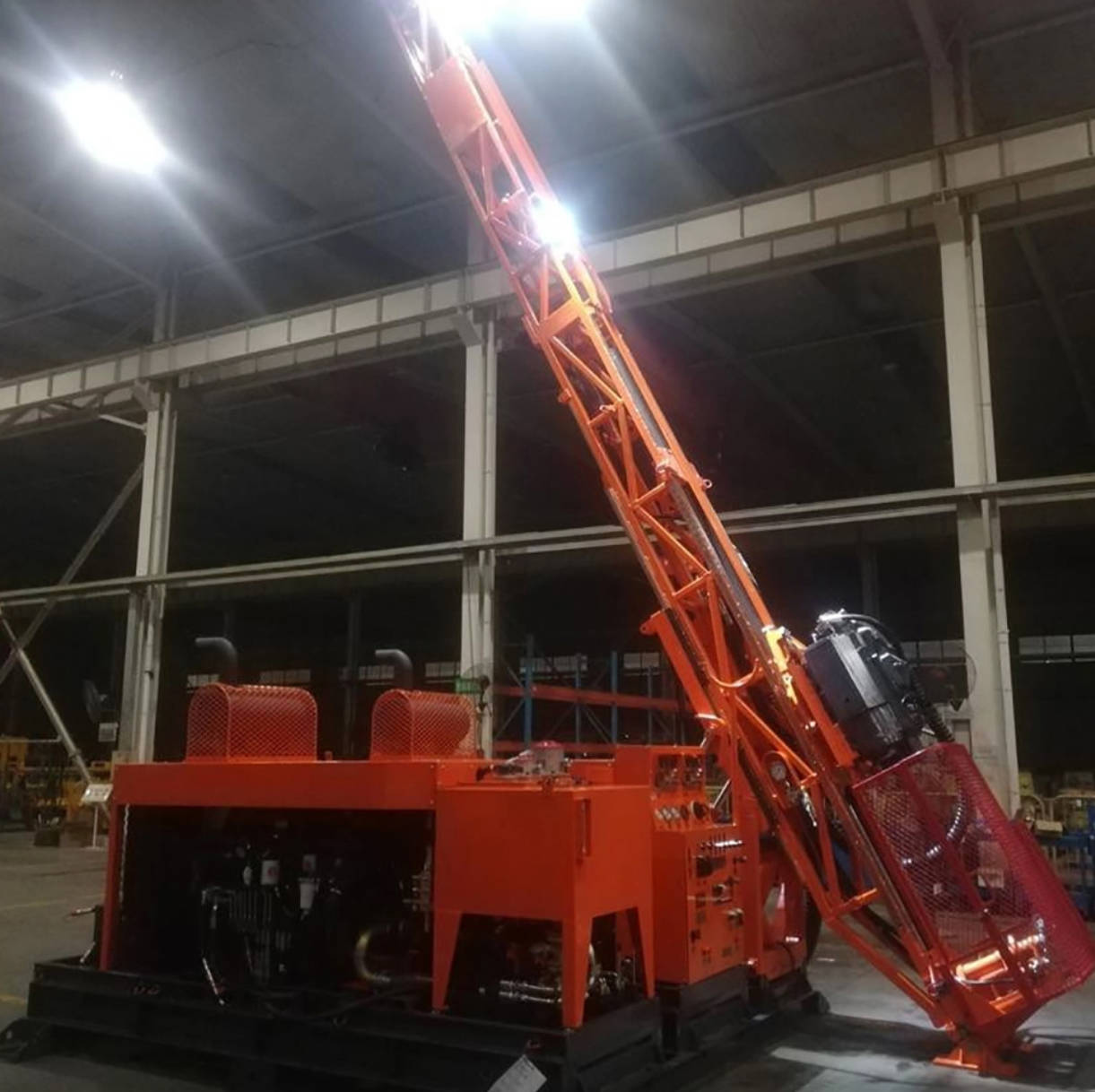
In 2026, drilling contractors, mining companies and geotechnical firms face increasing pressure from investors, regulators and ESG frameworks to demonstrate measurable emission reductions at the rig level. Although some national standards have softened, corporate net‑zero commitments and client tender requirements still push fleets toward lower‑carbon technologies and better energy efficiency. [epa]
For a manufacturer of full hydraulic, wireline core drilling rigs like CORTECH, the ability to offer both electric‑powered and diesel‑powered configurations—and help customers choose the right one—is now a core competitive differentiator. This article compares electric power vs. diesel powered drilling rigs from a practitioner's and industry expert's perspective, focusing on carbon performance, operational realities and investment decisions in 2026. [worldoil]
Full hydraulic core drilling rigs—whether surface, heli‑portable modular or underground—use high‑pressure hydraulic systems to drive the rotation, feed and hoisting needed for wireline diamond core drilling. In many modern designs, the power pack can be configured as either a diesel engine or an electric motor connected to the grid or a mobile substation. [sinovogroup]
Manufacturers now offer rigs where switching the power pack between diesel or electric is quick and effortless, even on site, making power choice a flexible operational parameter rather than a fixed design decision. For CORTECH‑style equipment, this means that Electric Power vs. Diesel Powered Drilling Rigs is largely a question of power source and energy ecosystem, not of drilling technology itself. [hhdrillrig]
Diesel‑powered drilling rigs rely on on‑board engines that burn fuel and emit CO₂, NOₓ and particulates directly at the drilling site. Offshore and large onshore rigs can consume 20 to 45 m³ of diesel per day, making them significant point sources of greenhouse gases and local air pollutants. Even smaller core rigs running continuously can represent a substantial share of a project's Scope 1 emissions over multi‑month programs. [ipieca]
From a carbon accounting standpoint, diesel engines are straightforward: fuel in, emissions out, with well‑known emissions factors that simplify reporting—but they lock operators into a relatively high and inflexible emissions profile. [open.alberta]
Electric rigs do not emit exhaust at the rig itself; instead, they draw power from the electrical grid or site‑level generation, shifting emissions from diesel combustion to indirect power sector emissions (Scope 2). In regions with relatively clean grids, electrification can cut rig‑level CO₂ emissions dramatically; in coal‑heavy grids, the benefit is smaller but still often positive when modern motors and controls improve energy efficiency. [open.alberta]
Electrified rigs can also tap into renewable energy contracts or micro‑grids, enabling operators to align drilling campaigns with corporate net‑zero or 2030/2040 reduction targets. For ESG‑driven mining clients, the ability to run core drilling with near‑zero local emissions and lower lifecycle carbon intensity is increasingly a selection criterion for contractors and rig manufacturers. [goodeng]
> Suggested chart (CO₂ comparison):
> Prompt for AI image: *"bar chart comparing annual CO₂ emissions of diesel-powered drilling rig vs electric drilling rig powered by low-carbon grid, clean infographic style, labeled axes"*
While some federal power‑sector greenhouse gas rules have been proposed for repeal, many industry frameworks and regional programs continue to drive emission control. Large energy companies and mining operators still follow internal standards based on international guidelines and carbon pricing assumptions, rather than relying solely on minimum regulatory baselines. [epa]
For drilling rig fleets, 2026 carbon compliance typically has three pillars:
- Alignment with client ESG specifications and internal corporate carbon budgets. [ipieca]
- Demonstrable reduction in fuel use and emissions per meter drilled or per core hole completed. [worldoil]
- Transparent reporting using accepted quantification protocols that distinguish direct diesel emissions from indirect grid‑related emissions. [open.alberta]
Electric Power rigs help operators show performance against these pillars, while diesel rigs increasingly require high‑efficiency engines, after‑treatment systems and optimized duty cycles to remain commercially acceptable. [cat]

Diesel engines remain attractive because they deliver high continuous power and are proven in harsh, remote environments. However, modern electric drive systems can provide instant torque at zero RPM, smoother control, and faster response to load changes, which can improve penetration rates and reduce stall events in certain formations. [hhdrillrig]
For full hydraulic core rigs, electric motors driving variable‑displacement hydraulic pumps offer fine control over rotation speed, feed pressure and winch operation, supporting better core recovery and sample quality in challenging geology. In practice, both power types can achieve similar drilling depth and capacity; the difference lies in energy cost, responsiveness and integration with digital control systems. [yrdrilling]
Electrified rigs paired with advanced hydraulic systems frequently deliver higher energy productivity—more meters drilled per unit of energy—than traditional diesel configurations. Reduced idling, optimized motor control and the absence of mechanical gear losses can result in 50–70% lower energy costs in certain trenchless and drilling applications, particularly in urban or industrial sites with stable grid access. [goodeng]
By contrast, diesel rigs must rely on careful engine loading, idle reduction and smart power management strategies to keep fuel consumption—and thus emissions—within targets. For CORTECH customers running long campaigns with consistent access to electricity, electric power rigs usually provide superior cost and carbon performance over the project lifetime. [cat]
Diesel rigs incur direct costs for fuel procurement, transport and storage, which can be substantial in remote or offshore operations. They also expose operators to fuel price volatility and potential carbon taxes or internal shadow prices on emissions. [ipieca]
Electric rigs shift costs toward grid tariffs or local generation but can significantly reduce overall energy expenditure when powered from reasonably priced, low‑carbon grids. In addition, lower local emissions can reduce ventilation requirements in underground operations, contributing to indirect cost savings and better working conditions. [worldoil]
Diesel engines require regular maintenance—filters, injectors, turbochargers, exhaust after‑treatment—and can suffer performance degradation if not managed carefully. Electric drives typically have fewer moving parts, lower routine maintenance needs and quieter operation, though they depend heavily on electrical infrastructure reliability and power‑quality management. [cat]
For CORTECH‑style modular rigs that allow quick swapping between diesel and electric power packs, operators can tailor their maintenance and reliability strategy to the site: diesel in remote exploration, electric in grid‑connected or industrial environments. [sinovogroup]
Surface core rigs often operate on exploration pads or construction sites where at least some infrastructure exists. In such environments, electric rigs powered via mobile substations or temporary grid connections can deliver strong emission reductions, lower noise and better neighbor relations, which matters in permitting and community engagement. Diesel remains preferred for highly remote prospects without reliable electricity, but many fleets now use a hybrid model, deploying electric rigs whenever grid access and logistics allow. [yrdrilling]
Heli‑portable modular rigs prioritize low component weight and ease of assembly in rugged terrain. Weight constraints often favor compact diesel engine packages, yet some modern systems can swap between diesel and electric power packs when a site transitions from helicopter supply to road or grid access. [sinovogroup]
For early‑stage frontier exploration, diesel power still dominates; however, once grid or camp‑scale micro‑generation is established, operators increasingly consider electrifying modular rigs to reduce logistic fuel burdens and carbon footprint. [worldoil]
Underground core rigs face strict ventilation and worker‑exposure limits, making emissions and heat a central design concern. Electrified rigs offer clear advantages here: minimal local exhaust, less heat rejection, and potential reductions in ventilation power demand. [ipieca]
As one underground engineer might put it from the field: *"When we switched our U/G core rigs to electric power packs on levels with strong grid connections, we gained better air quality, lower diesel haulage, and smoother torque control during tight underground drilling windows."* [goodeng]
From an industry expert's perspective, decarbonizing a drilling fleet in 2026 is not about abandoning diesel overnight; it's about systematic optimization over a 3–7 year horizon. [cat]
Key steps include:
1. Baseline measurement. Quantify fuel use, kWh consumption and CO₂ per meter drilled for each rig type and project environment. [open.alberta]
2. Prioritize electrification opportunities. Target surface and underground sites with stable grid or micro‑grid access for early electric rig deployment. [goodeng]
3. Upgrade diesel efficiency. Where diesel is unavoidable, adopt Tier‑4‑level engines, load‑management strategies and idle‑reduction practices to cut emissions per unit of work. [cat]
4. Hybrid power packs. Specify rigs (like many modern full hydraulic core systems) with modular power packs that can be configured as diesel or electric, reducing stranded asset risk. [hhdrillrig]
5. Integrate data and reporting. Use digital monitoring to track energy intensity and emissions, feeding dashboards and ESG reporting that support client communication and investor expectations. [open.alberta]
For CORTECH, positioning its rigs as "electric‑ready with optimized diesel options" allows clients to start decarbonization quickly while preserving operational flexibility. [yrdrilling]
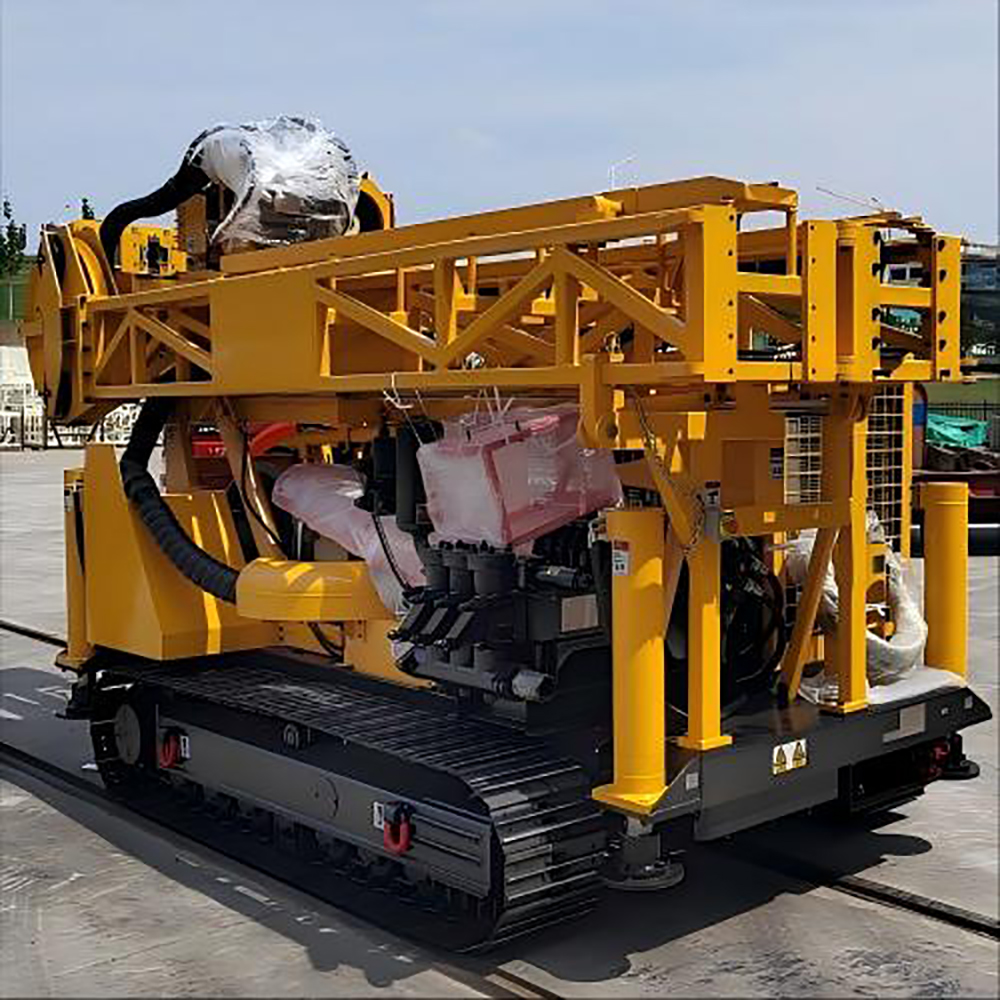
| Factor | Electric power rigs | Diesel powered rigs |
|---|---|---|
| Primary emissions | Indirect, via grid or local generation, low on-site exhaust. open.alberta | Direct CO₂, NOₓ, particulate emissions at rig. hhdrillrig |
| Carbon performance 2026 | Strong in low‑carbon grids; aligns with corporate ESG and net‑zero goals. worldoil | Improved via efficient engines, but harder to meet deep reduction targets. cat |
| Energy cost | Often 50–70% lower in suitable applications, less fuel logistics. worldoil | Exposed to fuel price volatility and logistics costs. ipieca |
| Power and torque | Instant torque, fine control, good integration with advanced hydraulics. worldoil | High continuous power; proven in remote, harsh conditions. hhdrillrig |
| Infrastructure needs | Requires stable grid or micro‑grid; sensitive to power interruptions. worldoil | Operates independently with fuel delivery; suitable for frontier exploration. hhdrillrig |
| Maintenance | Fewer moving parts, lower routine maintenance on power pack. worldoil | More complex engine and exhaust after‑treatment maintenance. cat |
| Best use cases | Urban, industrial, underground, and grid‑connected exploration sites. worldoil | Remote surface and modular heli sites with limited electricity. yrdrilling |
To maximize lead generation and conversion, close the article with a clear, practical call to action:
"If you are planning 2026 drilling campaigns and need to balance carbon emission standards with operational reliability, talk to CORTECH's engineering team about electric‑ready and high‑efficiency diesel core drilling rigs. Our experts can model your energy use and emissions before you commit to a configuration, helping you choose the optimum power solution for each project." [sinovogroup]
Encourage readers to request:
- A power configuration consultation (electric vs diesel vs hybrid).
- A technical data sheet for specific CORE SURFACE, CORE HELI and CORE U/G models.
- A custom emissions and energy cost projection for their 2026–2028 drilling program.
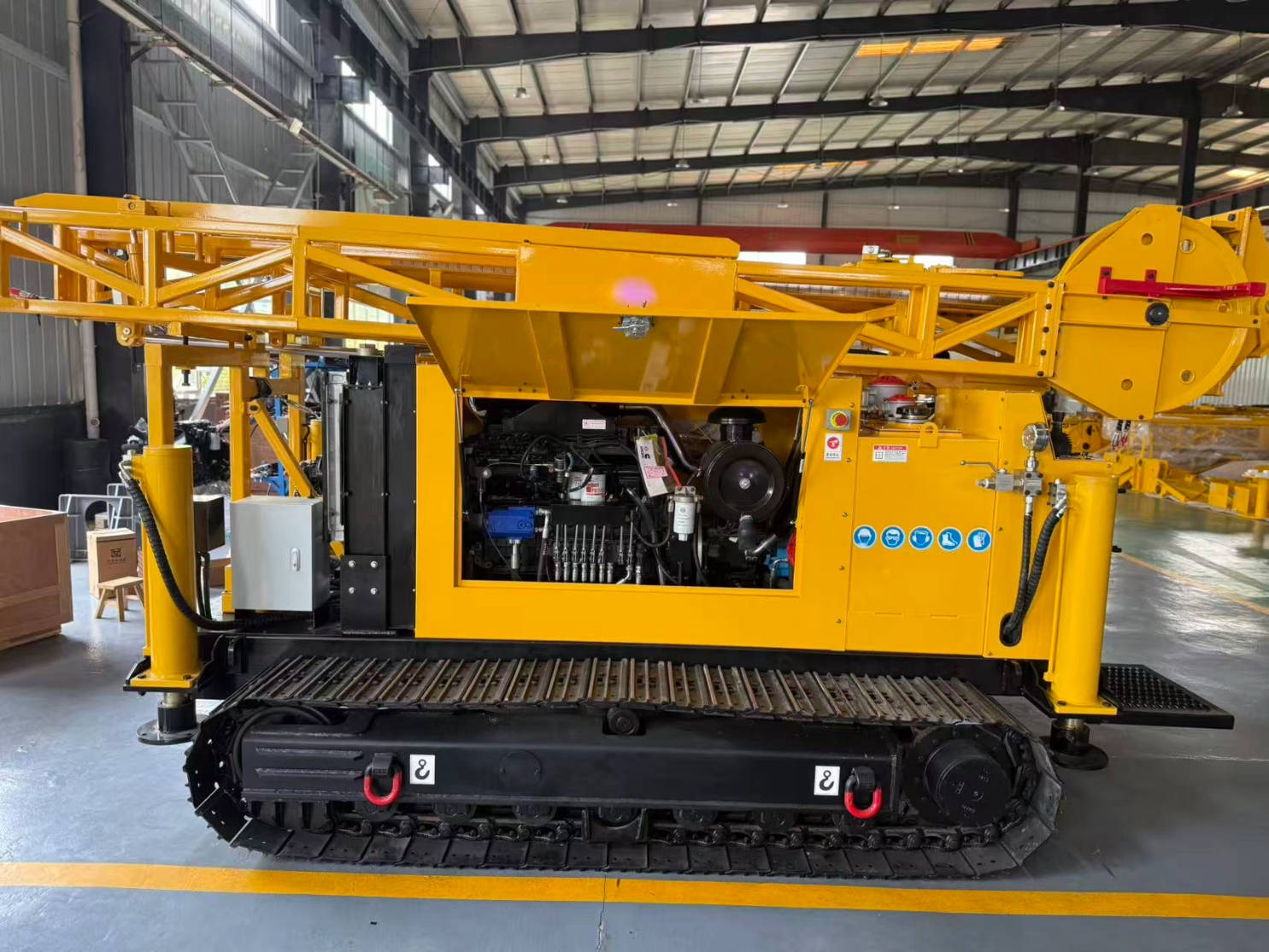
Electric rigs usually reduce on‑site emissions and can significantly cut total CO₂ when the grid mix is low‑carbon or when paired with renewable power contracts. In regions with carbon‑intensive grids, the advantage is smaller, so you should model emissions using location‑specific data before deciding. [worldoil]
Many modern full hydraulic core rigs are designed with modular power packs that allow switching between diesel and electric, sometimes even directly on site. For older units, retrofits are possible but may require more extensive mechanical and electrical modifications; consult the manufacturer for feasibility and warranty implications. [hhdrillrig]
Well‑designed electric power packs can deliver equivalent or better torque and speed control compared with diesel engines for deep core drilling applications. The limiting factor is typically grid capacity and supply reliability, not the motor technology itself. [yrdrilling]
Diesel rigs can improve carbon performance through high‑efficiency engines, advanced exhaust after‑treatment, optimized engine loading and idle reduction. Combining these measures with precise fuel monitoring and reporting helps operators meet internal ESG targets even before full electrification. [ipieca]
Underground operations often favor electric rigs because they reduce local exhaust emissions and ventilation demand, improving worker conditions and energy efficiency. However, in new or remote underground developments without stable electricity, high‑efficiency diesel rigs may be necessary until power infrastructure is upgraded. [hhdrillrig]
1. Alberta Environment. *Quantification Protocol for the Conversion of Drilling Rigs from Diesel to Electric Power.* [Link] [open.alberta]
2. U.S. EPA. *Greenhouse Gas Standards and Guidelines for Fossil Fuel‑Fired Electric Generating Units.* Policy updates and repeal proposal (2024–2025). [Link] [epa]
3. YR Drilling. *New Full Hydraulic Core Drilling Rig – Technical Overview.* Drilling depth, mobility and power source options. [Link] [yrdrilling]
4. SINOVO Group. *SHY Series Full Hydraulic Core Drilling Rig – Product Data.* Diesel/electric motivity options and modular components. [Link] [sinovogroup]
5. HYDX‑4 Core Rig Manufacturer. *HYDX‑4 Full Hydraulic Core Drilling Rig – Specifications.* Diesel engine technical data and hydraulic system parameters. [Link] [hhdrillrig]
6. Ipieca. *Energy Efficiency Compendium – Drilling Rigs (2023).* Energy demand and diesel consumption ranges in drilling operations. [Link] [ipieca]
7. World Oil. *Rig Electrification Drives Down Emissions, Bolsters Efficiency While Maintaining Reliability.* Onshore rig electrification and mobile substations. [Link] [worldoil]
8. GOODENG. *The Electric Shift: Why Electric HDD Rigs Are Outperforming Traditional Diesel Competitors in Urban Projects.* Comparative energy cost and torque advantages. [Link] [goodeng]
9. Caterpillar. *Transitioning Onshore Drilling Rigs to EPA Tier 4 Final Engines.* Diesel engine upgrades for emissions compliance. [Link] [cat]


