
Views: 247 Author: CORTECH Publish Time: 2026-06-27 Origin: Site


Content Menu
● Why "Better and Faster" Matters Today
● Understanding Full-Hydraulic Diamond Core Rigs
● CORE SURFACE DRILL: Productivity on Surface Projects
>> Surface drilling challenges
>> How modern surface rigs help
● CORE HELI DRILL: Modular Solutions for Remote Programs
>> Why heli-portable rigs matter
● CORE U/G DRILL: Precision in Underground Environments
>> Unique underground constraints
>> Underground rig features that matter
● Key Performance Benefits: Better and Faster in Practice
● Criteria for Selecting a Core Drill Manufacturer
● Use Case – High-Precision Diamond Coring
● Practical Steps to Evaluate a Potential Supplier
● Latest Trends in Core Drilling Technology
● FAQ
>> 1. What is a full-hydraulic diamond core drilling rig?
>> 2. When should I choose a CORE SURFACE DRILL vs a CORE HELI DRILL?
>> 3. Why are CORE U/G DRILL rigs different from surface rigs?
>> 4. How does a modern rig improve core data quality?
>> 5. What should I ask a manufacturer before buying a new rig?
For drilling contractors and exploration teams, moving to full-hydraulic diamond core drilling rigs is one of the fastest ways to improve productivity, safety, and data quality, especially when you select an OEM like CORTECH that focuses on CORE SURFACE DRILL, CORE HELI DRILL, and CORE U/G DRILL solutions. From an engineer's field perspective, the right rig is not just "more powerful"; it is a system that makes your work better and faster—day after day, on surface, heli-portable, and underground projects. [cortechdrilling]

Modern drilling projects demand higher core recovery, tighter schedules, and cleaner operations than even five years ago. Full‑hydraulic diamond rigs, including CORTECH's CORE SURFACE DRILL and related platforms, are designed to reduce non‑productive time (NPT), simplify maintenance, and minimize environmental impact, aligning with what many contractors now expect as standard performance. [cortechdrilling]
From a personal standpoint as an industry content specialist working closely with drilling engineers, I repeatedly see one pattern: crews that upgrade to modern hydraulic rigs consistently report smoother shifts, fewer breakdowns, and more reliable core data for their clients. This consistent improvement is what "better and faster" really means on site—less time fighting equipment, more time drilling and delivering usable core samples. [cortechdrilling]
Full‑hydraulic diamond core drilling rigs use hydraulic power for all key operations—rotation, feed, hoisting, and auxiliary movements—rather than depending on mechanical transmissions or complex chains. This architecture gives operators precise control over bit pressure and rotation speed, allowing them to adjust instantly to changing formations and maintain high core recovery rates. [youtube]
CORTECH designs its CORE SURFACE DRILL, CORE HELI DRILL, and CORE U/G DRILL platforms as integrated systems: rig, power unit, and control logic are engineered together for geotechnical, mineral exploration, and underground projects. Based on user feedback from multiple markets, this integration significantly reduces the learning curve for new operators while maintaining advanced features for experienced drillers. [cortechdrilling]
Surface exploration programs typically face long hole depths, variable geology, and tough access roads, all while working under strict environmental and safety requirements. In these conditions, older mechanical rigs often struggle with inconsistent penetration rates and frequent mechanical issues that eat into productive time. [cortechdrilling]
A modern CORE SURFACE DRILL is built to deliver:
- Stable bit pressure and torque for high‑precision diamond coring.
- Consistent penetration rates even in alternating hard and soft formations. [cortechdrilling]
- Cleaner operations, with better fluid management and reduced spillage risk. [cortechdrilling]
Operators appreciate features like track‑mounted configurations and integrated mud pumps, similar to CORTECH's CSD series rigs for NQ‑size deposits up to around 1,000 meters. These design choices let crews position the rig quickly, keep the deck organized, and move between sites with less setup time. [youtube]
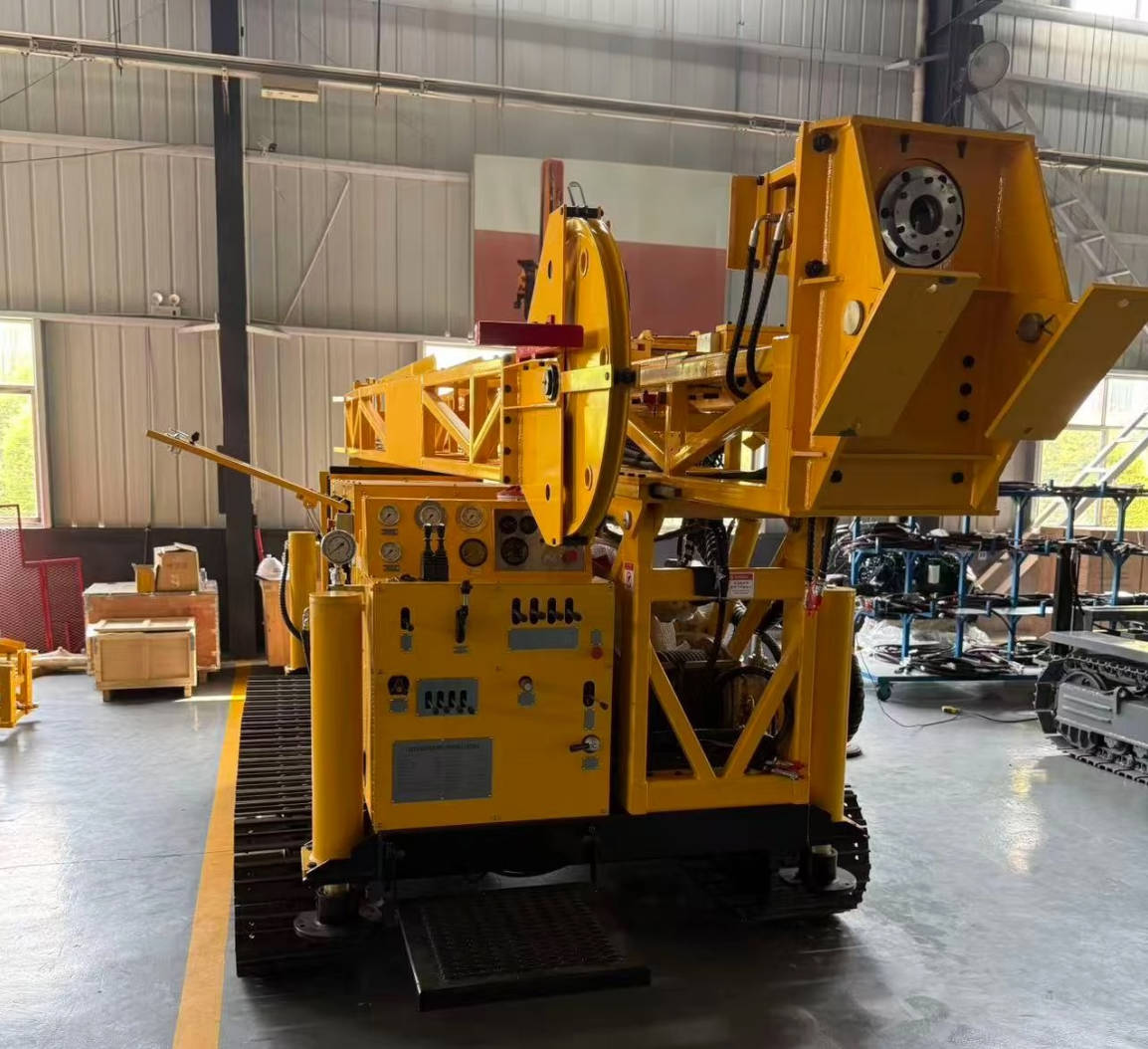
Remote exploration campaigns, especially in mountainous or forested regions, often require heli‑portable rigs that can be broken down into manageable modules and flown in by helicopter. In these projects, every kilogram counts, but teams can't sacrifice core quality or structural rigidity. [cortechdrilling]
From an engineer's on‑site standpoint, a well‑designed CORE HELI DRILL should offer:
- Modular frames and mast sections optimized for helicopter sling loads. [cortechdrilling]
- Compact power units delivering enough hydraulic flow without excessive weight. [cortechdrilling]
- Fast assembly/disassembly workflows, so crews spend more time drilling and less time handling logistics. [cortechdrilling]
Manufacturers like CORTECH focus on robust yet lightweight constructions that can handle harsh climates while still being practical to transport and reconfigure between pads. Users' field comments often highlight how a well‑balanced heli rig reduces fatigue for crews and shortens the mobilization window for each hole. [cortechdrilling]
Underground core drilling is defined by limited space, strict safety rules, and complex orientation requirements. Rigs must operate safely in confined drifts, manage exhaust and fluid handling, and support advanced borehole orientations for resource modeling. [cortechdrilling]
A modern CORE U/G DRILL typically includes:
- Compact footprints and flexible mast positioning for tight headings. [cortechdrilling]
- Advanced orientation controls to match geological models and stope designs. [cortechdrilling]
- Solid hydraulic systems that deliver reliable performance in humid, dusty, and high‑utilization environments. [cortechdrilling]
Field engineers often stress the importance of easy-to-service components and accessible controls, since underground downtime is extremely costly and can disrupt entire production schedules. CORTECH responds to this reality with rigs that emphasize service access and system reliability, helping crews maintain high drilling ratios underground. [cortechdrilling]

Full‑hydraulic rigs let operators fine‑tune feed rates and rotation speed, which translates directly into faster average penetration rates without sacrificing sample quality. Combined with reliable power units and optimized rod handling systems, crews can drill more meters per shift and minimize unplanned stops. [cortechdrilling]
For exploration and geotechnical projects, better core data is often more valuable than raw drilling speed. Engineers routinely report that modern diamond rigs deliver: [cortechdrilling]
- Higher core recovery percentages.
- Less mechanically induced core damage.
- More reliable orientation marks for structural analysis. [youtube]
This improved data quality supports more accurate resource estimates and foundation designs, which is why many consulting firms now prefer contractors who invest in full‑hydraulic core rigs. [geoprobe]
From a field engineer's perspective, choosing a manufacturer like CORTECH involves more than just checking maximum depth or horsepower. [cortechdrilling]
Key criteria include:
1. Hydraulic system reliability
Look for proven full‑hydraulic architectures with stable pressure control and high‑quality components, as seen in rigs widely adopted by drillers worldwide for their reliability and efficiency. [youtube]
2. Application coverage
Ensure the manufacturer offers surface, heli‑portable, and underground core solutions so your fleet can grow without changing OEMs. [cortechdrilling]
3. Service and support
Check for responsive technical support, training resources, and clear access to spare parts and maintenance guidance. [cortechdrilling]
4. Customization and OEM flexibility
Industrial clients often need custom mast configurations, power units, or control layouts; manufacturers like CORTECH position themselves as flexible OEM‑friendly suppliers for such requirements. [cortechdrilling]
5. Global presence and track record
Look for evidence of hundreds or thousands of rigs delivered across multiple countries, indicating mature logistics and familiarity with diverse operating conditions. [youtube]
A typical high‑precision diamond coring project might involve drilling NQ‑size holes to around 1,000 meters in mixed lithology. In such a scenario, surface rigs from CORTECH's CSD family can be track‑mounted with integrated mud pumps, allowing crews to maintain consistent drilling parameters and reduce rig‑station relocation times. [youtube]
From an expert vantage point, the main performance indicators on these jobs are:
- Meters drilled per shift.
- Core recovery rates.
- Downtime due to mechanical or hydraulic issues.
User commentary on modern full‑hydraulic rigs often notes how robust designs and simplified controls reduce mechanical downtime, leading to more predictable schedules and better cost control across multi‑hole programs. [youtube]
When preparing to invest in new rigs, drilling managers can follow a structured evaluation process:
1. Define project envelope
Clarify hole depth, core sizes, terrain, and access (road vs helicopter vs underground). [cortechdrilling]
2. Match rig families to applications
Map needs to CORE SURFACE DRILL, CORE HELI DRILL, or CORE U/G DRILL categories, ensuring each application has a dedicated solution. [cortechdrilling]
3. Request performance case histories
Ask the manufacturer for real project examples, including average penetration rates, core recovery metrics, and uptime statistics. [cortechdrilling]
4. Assess training and commissioning support
Confirm how operators will be trained and how the OEM supports first deployment and ramp‑up. [cortechdrilling]
5. Review lifecycle costs
Consider not just the purchase price, but expected maintenance cost, parts availability, and fuel/hydraulic efficiency over several years. [cortechdrilling]
Applying these steps helps buyers make data‑driven decisions that align equipment choice with long‑term operational KPIs, rather than short‑term budget alone. [cortechdrilling]

Recent industry developments show a clear shift toward automation, safety integration, and data connectivity in core drilling. [cortechdrilling]
Several trends stand out:
- Smart control panels that monitor hydraulic parameters, engine load, and drilling performance in real time. [cortechdrilling]
- Enhanced safety features, including emergency stop circuits and improved guarding around moving components. [cortechdrilling]
- Better compatibility with digital project management tools, allowing contractors to log drilling data and maintenance events more systematically. [geoprobe]
Manufacturers like CORTECH are aligning their product roadmaps with these trends, reinforcing their position as innovative partners for drilling contractors, mining companies, and geotechnical firms seeking forward‑looking equipment. [cortechdrilling]
A full‑hydraulic diamond core drilling rig uses hydraulic systems to power rotation, feed, and hoisting, giving operators precise control over drilling parameters and improving both speed and core quality compared with older mechanical rigs. [youtube]
Select a CORE SURFACE DRILL for road‑accessible exploration and geotechnical work where rig mobility can rely on tracks or trailers. Choose a CORE HELI DRILL when your pads are only reachable by helicopter and you need modular rigs with carefully managed weight and fast assembly. [cortechdrilling]
CORE U/G DRILL rigs are engineered for confined underground headings, focusing on compact footprints, flexible mast positioning, and safety features suited to underground regulations. They also support complex borehole orientations required for detailed resource and structural modeling. [cortechdrilling]
Modern full‑hydraulic rigs maintain stable bit pressure and torque, reducing core breakage and improving recovery. Better control and consistent penetration allow geologists to interpret structures more confidently and produce more accurate resource estimates. [geoprobe]
Ask about hydraulic system design, application coverage (surface, heli, underground), typical performance metrics from reference projects, training and commissioning support, and long‑term maintenance and parts availability. These questions help you assess whether the manufacturer can be a long‑term technology partner, not just a one‑time supplier. [cortechdrilling]
1. CORTECH – Full Hydraulic Diamond Core Drilling Rig Manufacturer.
https://www.cortechdrilling.com/fil/ [cortechdrilling]
2. China CORE SURFACE DRILL Manufacturer – CORTECH.
https://www.cortechdrilling.com/core-surface-drill.html [cortechdrilling]
3. News – CORTECH Drilling Equipment.
https://www.cortechdrilling.com/News.html [cortechdrilling]
4. Surface Diamond Core Drilling Rig CSD1300G/1300L – CORTECH (video).
https://www.youtube.com/watch?v=M1gWZL5RPs0 [youtube]
5. Deeper, Faster, Better CPT Data and Operations – Geoprobe Systems®.
https://geoprobe.com/articles/deeper-faster-better-cpt-data-and-operations [geoprobe]


