
Views: 290 Author: CORTECH Publish Time: 2026-08-23 Origin: Site


Content Menu
● New Core Drilling Rig vs. Rental: A Quick Decision Table
● When Renting a Core Drilling Rig Makes Better Business Sense
>> Choose rental equipment when project uncertainty is high
>> Renting supports rapid mobilization
>> Rental is useful for testing a rig configuration
● When Buying a New Core Drilling Rig Is the Better Investment
>> Buy when utilization is likely to remain high
>> New equipment allows precise configuration
>> Ownership supports stronger maintenance control
● The Real Cost Comparison: Look Beyond Daily Rental Rates
>> A simple break-even example
● A Five-Step Framework for Short-Term Drilling Projects
>> 1. Define the drilling requirement
>> 2. Estimate productive utilization
>> 3. Evaluate supplier support
>> 4. Review contract risk carefully
>> 5. Consider the next project, not only this one
● Expert View: Availability and Downtime Often Decide the Outcome
● Final Recommendation: Rent for Flexibility, Buy for Strategic Capacity
● FAQs
>> 1. Is renting a core drilling rig cheaper than buying?
>> 2. How long should a project last before buying a core drilling rig?
>> 3. What should be included in a core drilling rig rental agreement?
>> 4. Can a heli-portable core drilling rig be rented?
>> 5. Why does rig configuration matter in core drilling?
>> 6. Should a drilling contractor buy a new rig for a single client contract?
For a short-term mineral exploration, geotechnical investigation, or contract drilling campaign, renting a core drilling rig is often the lower-risk choice. However, buying a new hydraulic diamond core drilling rig can be the better commercial decision when work is repeatable, utilization is high, and rig availability directly affects project delivery.
The right answer is not simply "buy" or "rent." It depends on project duration, expected drilling meters, site access, geological conditions, crew capability, maintenance support, and the true cost of downtime. For contractors using surface, heli-portable, or underground wireline coring equipment, a poorly matched decision can quickly turn a promising project into an expensive operational problem.
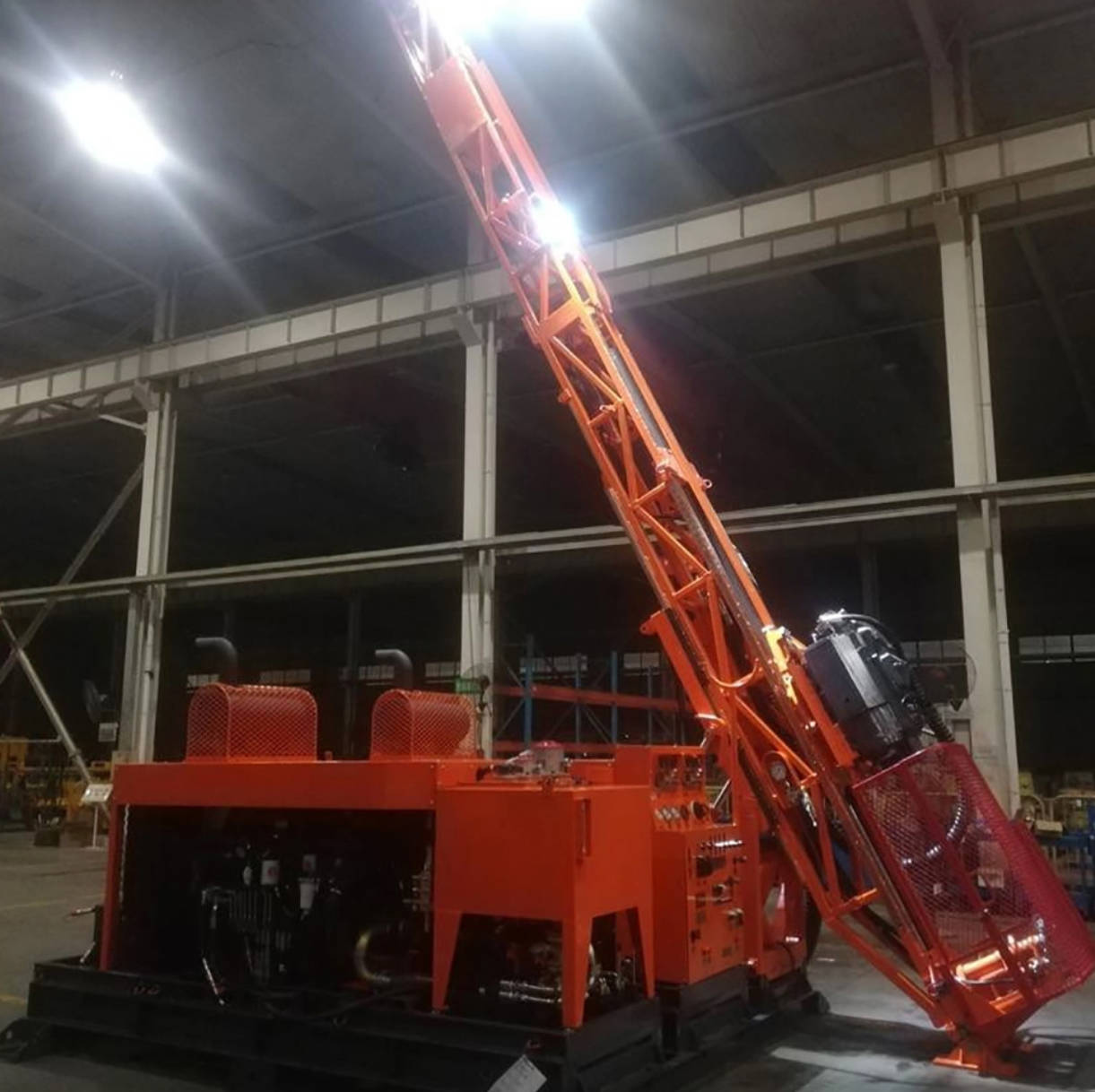
Before comparing details, use this practical overview to identify the option that most closely fits your project.
| Decision factor | Buying a new core drilling rig | Renting a core drilling rig |
|---|---|---|
| Upfront investment | High capital expenditure | Lower initial cash requirement |
| Best project profile | Repeated, long-term, or multi-project drilling | One-off, short-term, uncertain, or seasonal projects |
| Equipment availability | Full control once delivered | Dependent on rental fleet availability |
| Rig configuration | Can be specified for your geology and operating method | Limited to available fleet configurations |
| Maintenance responsibility | Usually owned by the buyer, depending on warranty/support | Often shared or included under the rental agreement |
| Technology access | You own the latest configuration selected | You can test equipment without purchasing it |
| Resale value | Potential asset recovery at resale | No residual-value exposure |
| Downtime risk | Depends on spare parts, technicians, and internal maintenance | Depends on rental provider response time and contract terms |
| Transport and mobilization | Usually managed by the owner | May be included or charged separately |
| Long-term cost per drilled meter | Can decline with high utilization | Can rise rapidly if rental duration extends |
A short-term project does not automatically mean renting is best. For example, a contractor with three confirmed exploration campaigns in the next 12 months may have enough expected utilization to justify a new machine—especially if a specialized core surface drill, core heli drill, or core U/G drill is difficult to rent locally.
Renting is usually the strongest option when the scope is uncertain, the project is brief, or the company needs a rig immediately without committing significant capital.
For many drilling contractors and exploration teams, rental equipment converts a large fixed cost into a more manageable operating cost. This protects cash flow while the company evaluates the deposit, contract pipeline, and drilling performance.
Renting a diamond core drilling rig can be sensible when you do not yet know:
- The final hole depth or total meterage
- Whether the ground conditions will require a different drill capacity
- Whether the campaign will continue after the first phase
- Whether helicopter support, crawler mobility, or underground access will be required
- Whether your available crew can operate and maintain a particular hydraulic rig configuration
- Whether local permitting, weather, or access issues may delay the program
This flexibility matters in early-stage exploration. A target may appear promising at planning stage but require fewer holes than expected after the first drilling results. In that scenario, a rental agreement can reduce the risk of owning an underutilized asset.
A short drilling campaign often has a narrow operating window. Seasonal weather, exploration permits, land-access agreements, or client schedules can leave little room for equipment procurement delays.
A rental provider may offer a ready-to-deploy rig, potentially with accessories such as:
- Drill rods and wireline tools
- Core barrels and overshot assemblies
- Mud pumps and water supply equipment
- Rod handlers and safety guards
- Spare parts packages
- On-site commissioning support
- Transport or mobilization services
However, do not assume these items are automatically included. A low daily rental rate can become costly if essential tooling, consumables, freight, insurance, or field service are billed separately.

Renting can also function as a structured field trial. If your team is considering a new fully hydraulic wireline coring rig, a rental project can help validate:
- Drilling speed in actual ground conditions
- Fuel consumption and hydraulic performance
- Ease of rod handling
- Recovery performance and core quality
- Operator ergonomics
- Spare-parts consumption
- Transport suitability
- Maintenance workload
This is particularly valuable when choosing between a conventional surface rig, a modular heli-portable rig, or an underground core drilling rig. The rig that looks ideal on a specification sheet may not be the best operational fit for your terrain, crew, and drilling method.
Buying a new core drilling rig becomes more compelling when drilling demand is predictable and the company needs equipment availability, technical control, and long-term operating capability.
A new rig is not only a machine purchase. It is an investment in a drilling system that includes trained operators, spare parts, tools, maintenance processes, transport methods, and customer-response capability.
The key question is: How many productive drilling days will the rig achieve?
If your company expects repeated projects, a new rig may lower the effective cost per drilled meter over time. While rental costs appear predictable at first, they can accumulate quickly during a prolonged campaign, especially when extensions, standby time, mobilization, and accessory charges are included.
Buying may be appropriate when you have:
- A confirmed drilling backlog
- Multiple clients or exploration properties
- A recurring need for wireline diamond coring
- A long-duration mining, exploration, or geotechnical contract
- Access to trained drillers and mechanics
- Reliable workshop, field-service, and spare-parts capability
- A clear plan for use after the current project ends
For drilling contractors, ownership can also improve bidding strength. You can schedule equipment directly, configure the rig around the contract, and avoid losing work because a rental fleet is unavailable during peak demand.
A new machine can be configured around the actual work rather than around what happens to be available in a rental fleet.
For example, CORTECH's product categories address distinct operational environments:
- Core Surface Drills for conventional surface mineral exploration and deep-hole coring applications
- Core Heli Drills for modular, helicopter-supported drilling in remote or difficult-access areas
- Core U/G Drills for underground drilling where compact dimensions, mobility, and operator safety are critical
Selecting the right rig architecture can influence productivity far more than a small difference in rental rate or purchase price.
A remote mountain program may prioritize module weight and rapid breakdown for helicopter transport. An underground campaign may prioritize compact dimensions, hydraulic stability, and maneuverability in restricted headings. A surface exploration project may need greater depth capacity, robust rod handling, and high-output hydraulic performance.
With a new core drilling rig, your team can establish a preventive maintenance program from day one. This includes scheduled inspections, hydraulic-oil management, lubrication, filter replacement, hose checks, wear-part monitoring, and operator reporting.
Equipment safety guidance consistently emphasizes maintenance in accordance with manufacturer recommendations, pre-use inspection, and repairs by qualified personnel. Proper maintenance helps reduce preventable failures and improves the safety of drilling crews. [images.thdstatic]
For a short project, this may seem less important. In practice, a single hydraulic failure, damaged wireline component, or missing spare part can consume several days of a short campaign. The cost of downtime may exceed the apparent savings from choosing the cheapest equipment option.
The most common mistake in the new versus rental decision is comparing only the rental day rate with the purchase price. That comparison is incomplete.
A better approach is to calculate the total cost of ownership and the total cost of renting over the project period.
Use this practical formula:
Total Rental Cost=Rental Rate+Mobilization+Demobilization+Insurance+Accessories+Standby Charges+Consumables+Service Charges
Ask the rental provider whether the quoted rate includes drill rods, core barrels, pumps, rod handling equipment, operator support, maintenance, replacement parts, transport, and damage liability.
For a new core drilling rig, calculate:
Total Ownership Cost=Purchase Price+Financing Cost+Transport+Training+Maintenance+Spare Parts+Insurance+Depreciation−Residual Value
Then divide the result by expected productive drilling days or expected drilled meters. This creates a more useful operating metric than headline purchase price alone.
Imagine a contractor is evaluating a six-month exploration campaign. The project schedule appears short, but the client may extend drilling if results are positive.
If renting costs less than ownership during the initial six months, rental may still be appropriate. But if the contractor expects additional projects after completion, the purchased rig may continue generating revenue while the rental option produces no residual value.
The break-even point is therefore not a universal number. It changes based on:
- Expected utilization
- Financing terms
- Rental duration
- Local service coverage
- Freight distance
- Rig configuration
- Cost of downtime
- Resale potential
- Future project pipeline

Use this process before approving a purchase order or rental contract.
Document the operational parameters before speaking with suppliers:
- Required hole diameter and depth
- Expected geology and ground conditions
- Surface, heli-portable, or underground application
- Target core recovery requirements
- Required shift pattern
- Water, power, and access conditions
- Transport constraints
- Safety and environmental requirements
A rig should be selected for the drilling program—not simply because it is the cheapest or most familiar option.
Separate calendar time from productive drilling time. Bad weather, moves, maintenance, logging, casing, waiting on water, and access delays all reduce productive utilization.
A rig booked for 90 calendar days may only achieve 45 to 60 productive drilling days. This distinction is essential when comparing daily rental costs with ownership economics.
For both purchasing and renting, ask:
- Where are spare parts stocked?
- What is the response time for technical support?
- Is field service available?
- What operator training is supplied?
- Which wear parts should be held on site?
- Who pays for repairs caused by normal wear?
- What happens if the rig becomes unavailable?
A high-performance core drilling rig is only as valuable as the support system behind it.
Rental agreements should clearly define:
- Rental start and end dates
- Minimum hire period
- Standby billing rules
- Maintenance responsibilities
- Damage and insurance obligations
- Transport responsibility
- Replacement-equipment terms
- Extension pricing
- Off-hire inspection process
A short-term project can become financially painful when standby charges continue during weather delays, access restrictions, or client-induced stoppages.
Do not make a long-term asset decision based only on the current drilling program. Ask whether the rig can serve your next two or three likely projects.
If the answer is yes, buying a versatile, properly configured hydraulic wireline coring rig may create stronger long-term value. If the answer is uncertain, rental preserves flexibility.
From an operational perspective, the most expensive rig is often not the one with the highest purchase price. It is the rig that cannot drill when the crew, camp, permits, and client are ready.
For remote exploration programs, downtime can involve more than a repair invoice. It may include idle crew costs, helicopter or transport commitments, accommodation expenses, client penalties, missed seasonal access, and reduced drilling meters.
That is why experienced drilling managers assess three layers of value:
1. Machine capability: Can the rig achieve the required depth, diameter, and recovery?
2. Operational fit: Can it be transported, set up, and operated efficiently at the site?
3. Support reliability: Can the supplier keep it drilling through parts, training, remote diagnostics, and service?
For a short-term project with no follow-on work, rent a proven rig with clear service terms. For contractors building long-term drilling capacity, invest in a new rig that matches the work portfolio and has dependable manufacturer support.
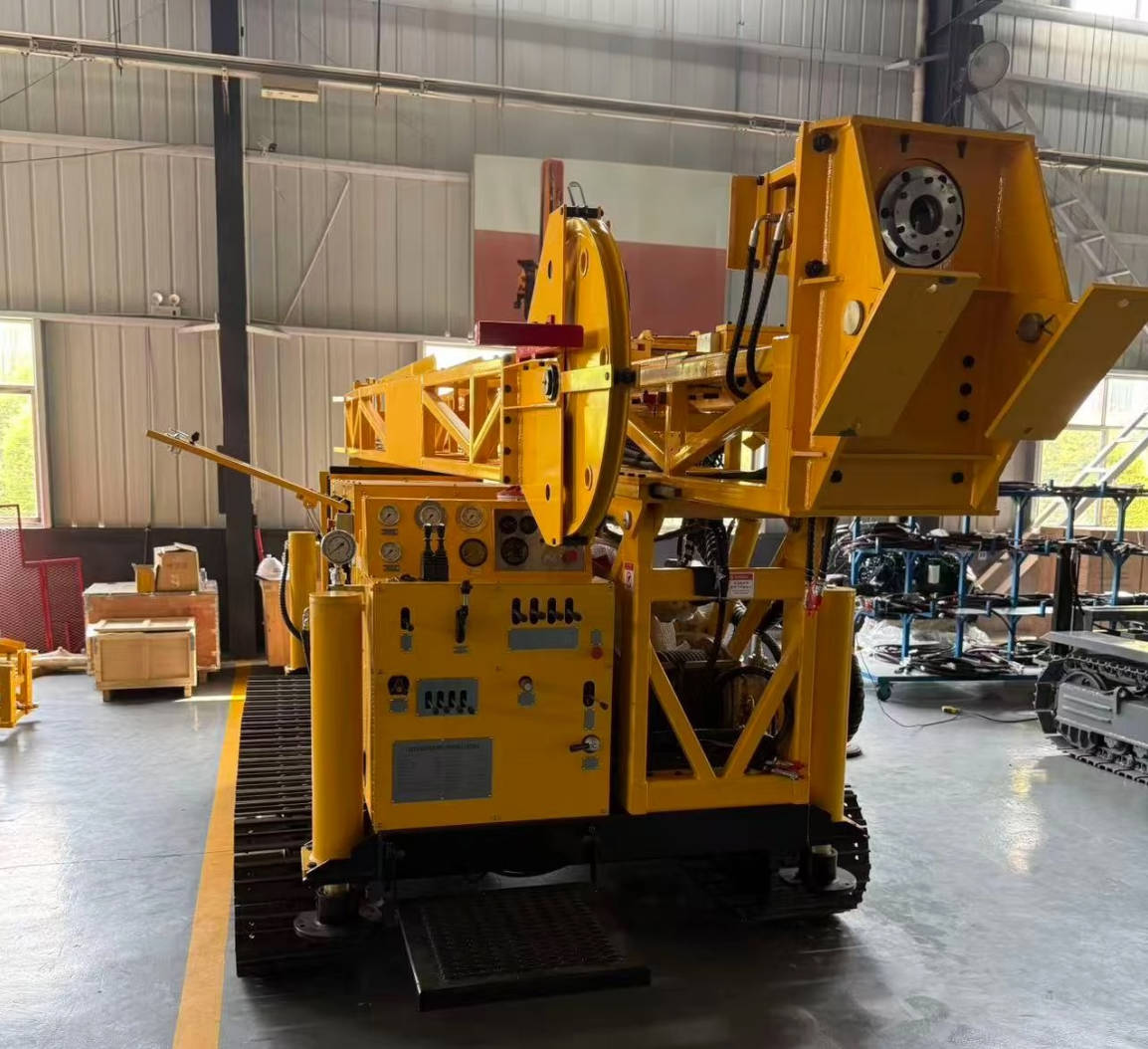
For most one-time or uncertain short-term projects, renting a core drilling rig is the safer financial and operational decision. It lowers the initial commitment, provides flexibility, and helps teams avoid owning underutilized equipment.
Buying a new core drilling rig is more appropriate when project demand is recurring, the required configuration is specialized, local rental availability is limited, or equipment control is essential to your drilling business.
CORTECH can help contractors and exploration companies evaluate the appropriate solution across surface core drilling rigs, modular heli drilling rigs, and underground core drilling rigs. Share your drilling depth, hole diameter, site conditions, access limitations, and project schedule to identify the hydraulic wireline coring configuration that best supports safe, efficient drilling.
Renting is usually cheaper for a one-off or uncertain short-term project because it avoids a large upfront investment. However, rental can become more expensive when the project is extended, the rig is heavily utilized, or extra fees apply for transport, tooling, standby time, and service.
There is no single threshold. The decision depends on utilization, financing, rental pricing, maintenance capability, and future work. Instead of using project duration alone, calculate the total cost per productive drilling day or per drilled meter.
The agreement should define the rig model and configuration, included accessories, maintenance obligations, insurance, damage liability, transport, operator training, repair response time, standby charges, off-hire rules, and extension rates.
Yes, in some markets. However, availability may be limited because modular heli drilling equipment requires specialized transport planning, suitable module weights, trained crews, and remote service capability. Confirm every included component before mobilization.
Configuration affects drilling depth capability, mobility, core recovery, rod handling, safety, transport, and operating cost. A rig optimized for conventional surface drilling may not be suitable for helicopter-supported exploration or confined underground drilling.
Only if the contract provides sufficient duration, utilization, and commercial certainty—or if the rig will be used for future work. Otherwise, rental or lease options may protect cash flow and reduce asset-utilization risk.
1. [Reuters — For oil explorers, it pays to buy, not rent]
2. [Hilti DD 120 Core Rig Operations Manual]
3. [Rentd — Core Drill: Rent vs Buy]
4. [MetalPulse Africa — Mining Equipment Cost Calculator]
5. [Diamond Products — CB700 Core Drill Manual]
6. [Drill and Saw Association — Code of Safe Working Practice]


