
Views: 264 Author: CORTECH Publish Time: 2026-08-22 Origin: Site


Content Menu
>> What serious buyers should inspect
● Leading Drilling Rig Suppliers and Service Providers
>> 1. CORTECH Drilling Equipment Co., Ltd.
>> 4. Boart Longyear and Argentine Supply Channels
>> 6. Derberg Drilling Services
>> 7. Perforaciones Santacruceñas SRL
>> 8. Grupo AGV / AGV Falcon Drilling
● Procurement Risks and How to Avoid Them
>> 1. Confusing a contractor with a rig manufacturer
>> 2. Comparing drilling depth without drilling conditions
>> 3. Under-specifying the hydraulic system
>> 4. Treating certifications as permanent
>> 5. Ignoring Argentina logistics and after-sales planning
● The Less-Discussed Internal Check
● Buyer's Guide: A Practical Sourcing Process
>> Step 1: Define the commercial model
>> Step 2: Shortlist by application
>> Step 3: Conduct technical verification
>> Step 4: Use an independent inspection
>> Step 5: Protect the after-sales phase
● FAQ
>> 1. How can I verify whether a supplier's ISO certification has expired?
>> 2. Is CE certification mandatory for a drilling rig used in Argentina?
>> 3. What documents should I request from a Chinese drilling-rig OEM?
>> 4. How do I compare two diamond core rigs with the same depth rating?
>> 5. Should I buy directly from an OEM or through an Argentine distributor?
Argentina is an increasingly important exploration-drilling market, driven by lithium brines in the Puna, gold and silver operations in Patagonia, and expanding copper exploration in the Andes. In 2025, Argentine mining exports reached a record US$6.037 billion, up 29.2% year on year; metallic minerals represented 82% of the total and lithium represented 15%.
For procurement managers, however, "Argentina drilling rig supplier" can mean very different businesses: a local distributor of global equipment, a drilling contractor operating a fleet, an aftermarket/tooling supplier, or an overseas OEM serving Argentine projects directly. This distinction is vital when sourcing hydraulic diamond core rigs, heli-portable rigs, underground rigs, RC rigs, or DTH equipment.
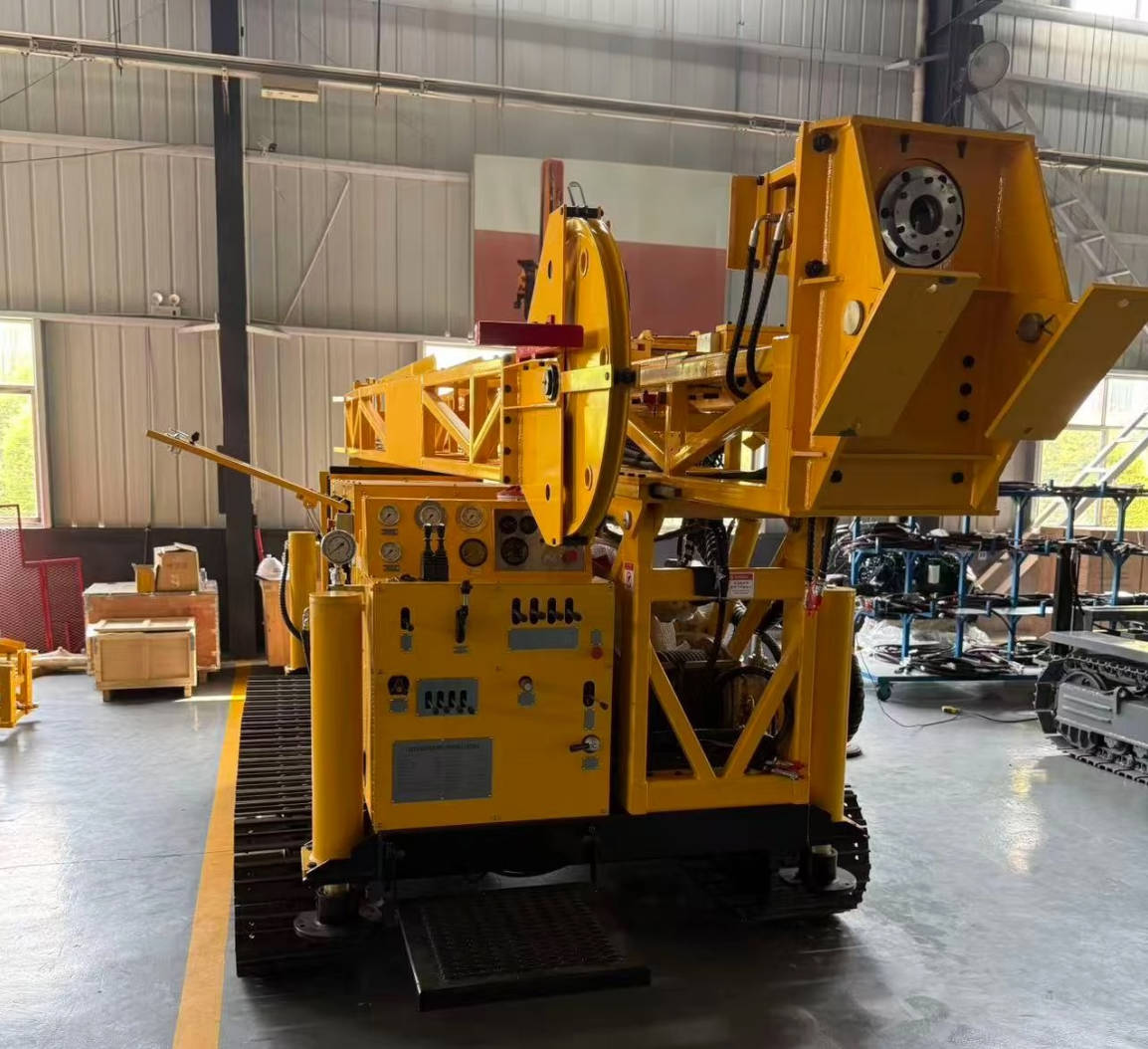
This list is not a ranking of identical local manufacturers. Argentina's drill-rig ecosystem is predominantly built around local distribution, field-service providers, drilling contractors, and imported equipment, rather than a large base of domestic original rig manufacturers.
The companies below were selected using procurement-relevant criteria:
- Product relevance: Capability in diamond core, RC, DTH, rotary, top-hammer, underground, or associated drilling equipment.
- Proven market presence: Evidence of operation in Argentine mining, exploration, civil works, oil and gas, or mineral-resource projects.
- Technical transparency: Published equipment specifications, fleet details, application scope, or authorized-brand relationships.
- Service capability: Parts availability, field maintenance, operator support, commissioning, and response capacity.
- Supplier-model fit: Whether the organization is suitable for purchasing a new rig, accessing local technical support, hiring a drilling contractor, or sourcing drilling consumables.
- Quality and compliance readiness: Ability to document component origin, hydraulic-system specifications, welding controls, safety design, certification status, and export documentation.
For a full-hydraulic wireline diamond core drilling rig, a competent procurement review should go beyond rated drilling depth. Verify:
- Diesel engine make, emissions tier, local serviceability, and availability of filters and injectors.
- Hydraulic pump, motor, valve, and hose brands; ask for the hydraulic schematic and pressure settings.
- Mast steel grade, weld procedure qualification records, pin/bushing material, and non-destructive testing method where applicable.
- Rotation-head torque, spindle speed range, pullback force, feed stroke, chuck configuration, and suitability for PQ/HQ/NQ/BQ drilling.
- Wireline winch capacity, rope specification, overshot compatibility, and safety brake configuration.
- Operator protection, emergency-stop layout, guarding, noise control, fire-suppression interfaces, and remote-control options.
- Documentation for CE compliance when required by the project or purchaser. Note that CE is not a universal "quality certificate"; it is a conformity-marking framework relevant to products placed on the European Economic Area market. RoHS is generally not the core compliance issue for industrial drilling rigs, although it can be relevant to certain electrical/electronic subassemblies.
Argentina's drilling demand is concentrated around mining provinces and project corridors rather than a single equipment-manufacturing cluster. Key operating areas include:
- Salta, Jujuy, and Catamarca: Lithium-brine exploration and development in the Puna plateau.
- San Juan: Copper, gold, and high-altitude Andean exploration.
- Santa Cruz: Gold and silver mining, plus established drilling-contractor activity.
- Mendoza and Neuquén: Mining, civil, water, and oil-and-gas-related equipment and service ecosystems.
The market's main advantage is not necessarily locally built rig volume. It is its growing project pipeline, localized field knowledge, and the need for equipment that can operate at altitude, in remote areas, and under difficult logistics conditions. Sandvik's 2026 contract to supply three DR413i rotary blasthole rigs for the restart of Bajo de la Alumbrera illustrates continuing demand for major drilling equipment and lifecycle support in the country.
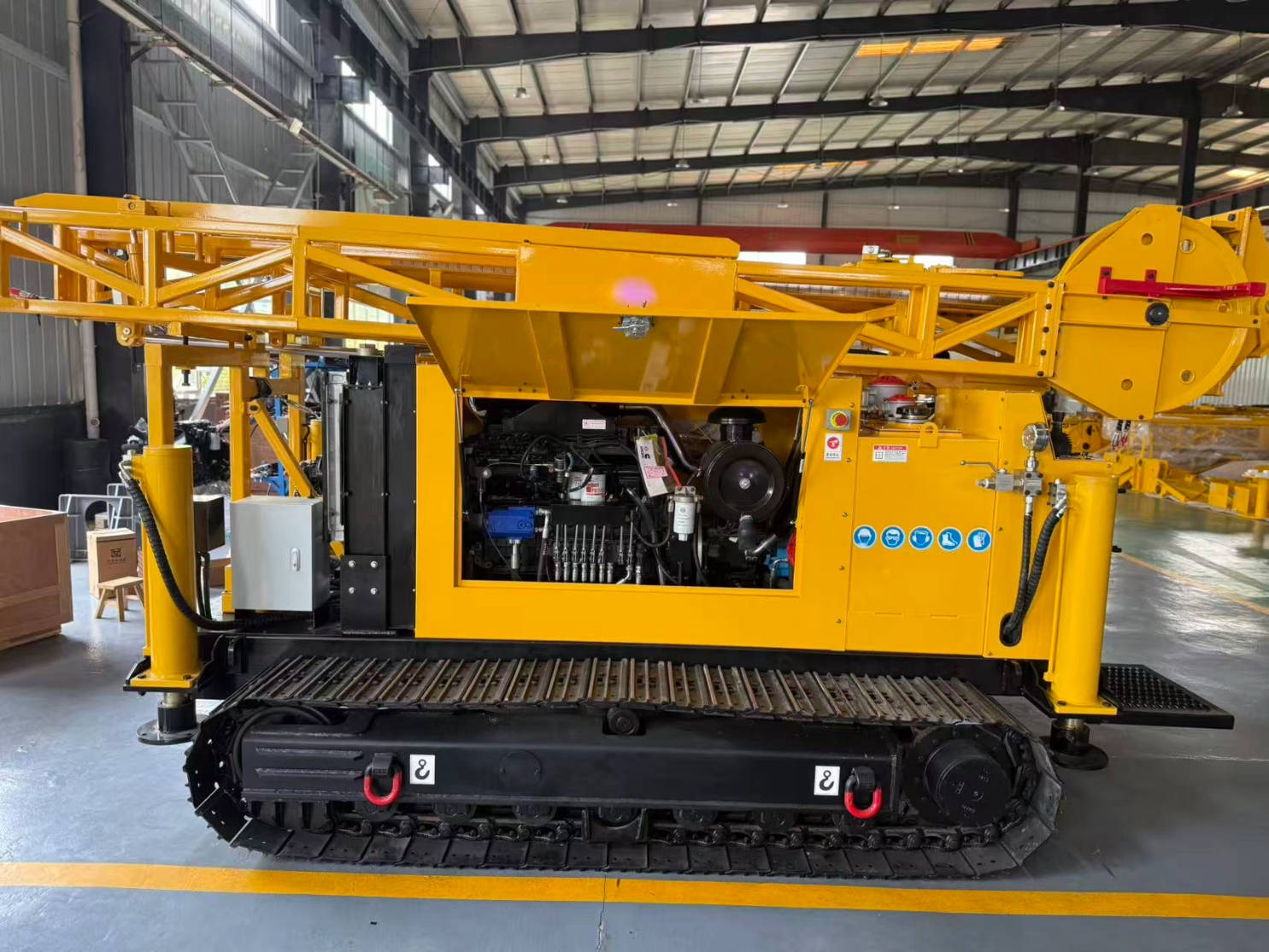
| Supplier | Argentina role | Core focus | Suitable buyer profile | Public capacity / MOQ | Certification information |
|---|---|---|---|---|---|
| CORTECH Drilling Equipment Co., Ltd. | Direct international OEM supplier | Full-hydraulic diamond core rigs; surface, heli-portable, and underground configurations | Buyers needing configurable equipment and OEM support | Project-based; confirm per model | Request product-specific compliance file |
| All Drill S.A. | Local equipment and consumables supplier | Diamond, DTH, RC, and top-hammer drilling equipment | Buyers requiring local procurement and support | Not publicly stated | Request brand/product documentation |
| Escandinavia del Plata | Authorized distributor | Sandvik, Volvo, Rigor, and Log Max equipment | Mining buyers prioritizing local distribution and genuine parts | Not publicly stated | Brand-specific documentation |
| Boart Longyear / local channel | Global equipment and tooling presence | Surface diamond rigs, tooling, drilling services | Deep exploration and established contractors | Model/project-based | Request current product and supplier certificates |
| Eco Drilling Argentina | Drilling contractor | Diamond exploration drilling | Exploration programs requiring drilling execution | Fleet-based; not an OEM MOQ model | Verify project-specific HSE records |
| Derberg Drilling Services | Contractor / fleet operator | Diamond drilling fleet | Local drilling-service procurement | Fleet-based; not an OEM MOQ model | Verify HSE and fleet inspection records |
| Perforaciones Santacruceñas SRL | Contractor | Diamond and reverse-circulation drilling | Patagonia and mining-project drilling services | Fleet-based; not an OEM MOQ model | Verify records per project |
| Grupo AGV / AGV Falcon Drilling | Contractor | Surface diamond drilling and brine sampling | Puna, Andean, and high-altitude programs | Fleet-based; not an OEM MOQ model | Verify operational and safety documents |
"Not publicly stated" does not mean a supplier lacks capacity or certification. It means buyers should request documented evidence directly rather than infer performance from marketing claims.
CORTECH Drilling Equipment Co., Ltd. is an international manufacturer specializing in all-hydraulic diamond core drilling rigs. Its portfolio includes CORE SURFACE DRILL, CORE HELI DRILL, and CORE U/G DRILL configurations, which are relevant to surface exploration, helicopter-portable projects, and underground drilling requirements.
According to its company profile, CORTECH has supplied more than 1,200 diamond core drilling rigs to customers in over 55 countries. The company also states that it has integrated OEM capabilities and has upgraded its line to a second-generation platform focused on hydraulic-system efficiency, reliability, operator-oriented design, and maintenance access.
For Argentine buyers, CORTECH is especially relevant where a project needs more flexibility than a standard catalog machine can provide. This may include:
- Customized mast length, drill-angle range, rod-handling layout, and skid/crawler configuration.
- Adaptation for PQ/HQ/NQ/BQ wireline drilling requirements.
- Heli-portable modular arrangements for remote mountain or Puna access.
- Hydraulic and electrical configuration adjustments based on regional service preferences.
- Branding, paint scheme, operator manuals, spare-parts kits, and OEM/private-label support for distributors or mid-sized drilling companies.
Procurement view: CORTECH can be a practical option for purchasers seeking an OEM relationship, direct technical communication, configurable rigs, and controlled total acquisition cost. Buyers should still conduct model-specific due diligence, including factory audit, hydraulic-component list review, reference checks, inspection testing, and shipment acceptance criteria.

All Drill S.A., based in Luján de Cuyo, Mendoza, supplies equipment and inputs for geological exploration and drilling. The company publicly lists equipment coverage for diamond drilling, DTH, reverse circulation, and top-hammer applications, serving mining, construction, and oil sectors.
Its position is particularly useful for projects that need a local source of drilling tools, equipment support, and multi-method drilling supplies rather than only a single imported rig purchase.
Core strengths
- Broad application coverage across diamond, DTH, RC, and top-hammer drilling.
- Mendoza location, relevant to western Argentina's mining and Andean project ecosystem.
- Local-market familiarity and supply of exploration-related equipment.
OEM/ODM scope
As a local supplier/distributor model, its OEM capacity should not be assumed. Ask whether a product is locally manufactured, imported, distributed under authorization, or supplied through a third-party channel. This clarification affects warranty, lead time, spare-parts availability, and technical responsibility.
Escandinavia del Plata is an Argentine distributor representing Volvo, Sandvik, Rigor, and Log Max, with a nationwide distribution network, available stock, and original spare-parts support stated on its website.
For procurement teams seeking established global brands with local support, this type of distributor can reduce operational risk. The value proposition is normally strongest in equipment commissioning, genuine-parts sourcing, warranty coordination, and field support.
Core strengths
- Official distributor relationship with Sandvik and other industrial brands.
- National distribution coverage.
- Local stock and original-parts availability stated by the company.
Best fit
- Mining operators that prioritize local service continuity.
- Buyers standardizing around an existing Sandvik equipment fleet.
- Projects needing local parts access over maximum equipment customization.
Founded in 1890, Boart Longyear provides drilling services, exploration drilling equipment, and tooling to mining and drilling companies globally. Its presence in Argentina is reflected through local supply channels and contractor use of its rigs and tooling.
For example, a local Argentine drilling provider markets the Boart Longyear LF160 surface diamond drill, stating a capacity of up to 1,800 m in NQ and highlighting the FREEDOM loader safety system. This should be treated as model-level marketing information, not a substitute for a formal commercial specification or project-specific drilling-depth guarantee.
Core strengths
- Long-standing global specialization in exploration drilling.
- Equipment, tooling, and services ecosystem.
- Strong fit for deep and demanding mineral exploration projects.
Best fit
- Established drilling contractors.
- Buyers requiring a recognized international platform.
- Projects where tooling compatibility, safety systems, and global parts support are central procurement criteria.
Eco Drilling Argentina is a drilling-services company founded in 2019, with operations stated in Argentina and Mexico. It focuses on mining and exploration drilling and publishes a fleet profile including an ED-3000 deep-hole diamond drill with a stated maximum depth of 3,000 m for HQ/NQ/BQ applications.
This company should be evaluated as a drilling contractor, not an original rig manufacturer. Its relevance is strongest when the buyer needs drill meters completed, core-quality performance, mobilization capability, and operational management.
Core strengths
- Focus on mineral-exploration drilling.
- Published diamond-drilling fleet information.
- Presence in Argentina and Mexico.
- Stated preventive maintenance and remote-control technology.
Buyer due diligence
Ask for recent core-recovery data, directional-survey method, rig-hours/availability records, incident statistics, high-altitude mobilization plan, and named references for comparable geology.
Derberg Drilling Services publishes fleet details that include a Sandvik 710 CT tracked diamond drill, Boart Longyear Metre Eater equipment for restricted underground applications, and Longyear 44 equipment. Its published specifications indicate different capabilities across surface and underground diamond drilling uses.
This operational transparency makes Derberg useful for buyers comparing contractor capability by application, rather than relying on generic "we provide drilling services" claims.
Core strengths
- Fleet diversity across diamond-drilling scenarios.
- Equipment details available for buyer evaluation.
- Suitability for heavy-duty, underground, and surface applications depending on the selected unit.
Best fit
- Buyers outsourcing diamond drilling.
- Projects needing a contractor with equipment options for varying access conditions.
- Procurement teams that value disclosed fleet data.
Perforaciones Santacruceñas SRL provides diamond drilling and reverse-air drilling services in Argentina. It reports work at major mining sites including Cerro Negro, Cerro Vanguardia, Minera Don Nicolás, Minera Santa Cruz, Minera Tritón Argentina, Cerro Moro, and other projects. The company also states it has 145 employees, with 80% from Santa Cruz Province.
Its regional operating experience can be important for mining work in Patagonia, where weather, access, workforce planning, and logistics can materially affect drilling productivity.
Core strengths
- Diamond and reverse-circulation drilling service scope.
- Reported project history in major Argentine mining operations.
- Local workforce base in Santa Cruz.
Best fit
- Exploration or mine-site drilling in southern Argentina.
- Buyers prioritizing regional field experience and local operating capacity.
Grupo AGV offers surface diamond drilling in PQ, HQ, NQ, BQ, and Q3 sizes, alongside brine sampling with packer, bailer, and related systems. AGV Falcon Drilling also highlights diamond-drilling experience in high-altitude environments including the Cordillera, Puna, and Yungas.
This application range is especially relevant to lithium-brine programs and high-altitude mineral exploration, where sampling protocol, contamination control, water management, and logistical planning can be as important as raw rig capacity.
Core strengths
- Diamond-drilling diameters from PQ to BQ and Q3.
- Brine-sampling and packer-related capabilities.
- High-altitude operating emphasis.
Best fit
- Lithium exploration and hydrogeological drilling.
- Andean exploration programs.
- Buyers requiring a contractor familiar with brine-sampling workflows.
A drilling contractor may own and operate rigs but not manufacture them. That is not inherently negative; it simply means the procurement objective is different.
- Choose an OEM when purchasing a new rig, requiring customization, private labeling, or long-term parts documentation.
- Choose a local distributor when parts availability, warranty coordination, and field service are the priority.
- Choose a drilling contractor when buying drilling meters, mobilization, crews, and geological outcomes rather than machinery.
A stated "1,000 m NQ capacity" is not a guaranteed result. Actual depth depends on hole angle, geology, bit selection, rod condition, borehole deviation, water availability, altitude, operator skill, core barrel configuration, and recovery targets.
Require suppliers to state the exact basis for every depth figure:
| Question | Why it matters |
|---|---|
| Is the depth rating for vertical or angled holes? | Angled drilling changes load and friction |
| Is it based on NQ, HQ, or PQ? | Larger diameter sharply changes achievable depth |
| What rock conditions were assumed? | Competent rock and fractured ground require different power margins |
| Is the rating based on wireline operation? | Conventional and wireline systems differ in productivity |
| What is the operating altitude? | Engine output and cooling behavior can change at high elevation |
A common hidden issue is evaluating only engine horsepower and nominal drilling depth while ignoring the hydraulic system. Two rigs with similar engine ratings may perform differently because of pump displacement, working pressure, cooling capacity, valve quality, hose routing, filtration, and hydraulic contamination control.
Ask for:
- Hydraulic circuit drawing.
- Main pump and motor brand/model list.
- Nominal and maximum operating pressures.
- Filtration rating and recommended oil cleanliness target.
- Cooling-system design for ambient temperature and altitude.
- Hose specifications, assembly standards, and spare-hose kit recommendation.
An ISO 9001 certificate is valid only for the scope, site, legal entity, and date stated on the certificate. A logo on a brochure is not verification.
To validate a supplier's ISO certificate:
1. Request the full certificate, including certificate number, issuing body, legal entity, factory address, scope, and expiry date.
2. Confirm that the certification body is accredited by a recognized accreditation body.
3. Search the certification body's public certificate directory where available.
4. Check that the manufacturing site—not only a sales office—is covered.
5. Confirm that the rig actually being quoted is produced under the certified scope.
6. Require updated evidence before production release and again before shipment for long-cycle orders.
Argentina's project geography creates real transport and service constraints. A drilling rig purchase should include a spare-parts strategy before shipment.
For an imported hydraulic core drill, buyers should consider:
- Incoterm and import-party responsibilities.
- HS-code confirmation and customs-broker review before final quotation.
- Disassembled versus fully assembled shipment planning.
- Container loading plan, center-of-gravity details, and lifting points.
- Commissioning schedule, technician availability, and remote troubleshooting procedures.
- Recommended critical spares for at least six to twelve months of operation.
- Local availability of filters, hydraulic oil, diesel-engine parts, hoses, and electrical consumables.
A frequently overlooked issue in diamond-core rig procurement is the mismatch between the quoted drill depth and the rig's real operational setup.
Some quotations use a best-case depth figure with fresh rods, vertical holes, competent ground, ideal water supply, and limited hole deviation. The more useful number is the expected depth under your actual field conditions.
Before comparing offers, issue a drilling-condition sheet containing:
- Target depth and hole angle.
- Required core diameter sequence.
- Expected rock types and fracture conditions.
- Altitude and ambient temperature range.
- Water availability and pump requirements.
- Access restrictions, including heli-lift weight limits if applicable.
- Required shift pattern and expected annual drill meters.
- Required safety devices and local electrical standards.
Then ask each supplier to provide a signed technical response against the same sheet. This turns a marketing comparison into an engineering comparison.

Decide whether your priority is:
- Buying a new drilling rig.
- Establishing an OEM/private-label relationship.
- Sourcing tools and replacement parts locally.
- Contracting drilling services.
- Combining an imported rig purchase with local service support.
For deep mineral exploration, prioritize wireline diamond rigs with documented NQ/HQ/PQ performance, robust hydraulic cooling, appropriate rod handling, and parts support.
For remote high-altitude projects, prioritize modularity, transport weights, engine derating data, service accessibility, and field-proven cooling performance.
For underground programs, verify module dimensions, mine access restrictions, power source, water handling, noise requirements, and safety integration.
Request the following before issuing a purchase order:
- General arrangement drawing.
- Complete technical specification.
- Bill of major purchased components.
- Drilling-depth matrix by diameter and operating condition.
- Hydraulic and electrical schematics.
- Quality-control plan and factory acceptance test procedure.
- Factory photos/videos of the exact or comparable model.
- Customer references, subject to confidentiality limits.
- Warranty terms, exclusions, and response-time commitment.
- Packing list, spare-parts list, and commissioning plan.
For a new imported rig, arrange a pre-shipment inspection covering:
- Serial-number and component-list verification.
- Weld appearance and critical-joint inspection.
- Function test of rotation, feed, pullback, mast movement, winches, clamps, emergency stops, and interlocks.
- Hydraulic-leak check after warm-up.
- Documentation match between purchase order, technical specification, and final machine.
- Packing and corrosion-protection inspection.
Negotiate a documented service package covering:
- Remote commissioning support.
- Operator and maintenance training.
- Response-time target for technical questions.
- Critical spare-parts package.
- Parts pricing and availability period.
- Warranty start date and claim procedure.
- English and Spanish documentation where needed for Argentine operations.
Argentina's growing mining sector makes drilling equipment, tooling, and drilling services strategically important across lithium, gold, silver, and copper projects. The right sourcing decision depends on whether you need a locally supported global brand, a drilling contractor with regional operating capability, or a configurable OEM-built hydraulic diamond core rig.
For buyers seeking a flexible OEM partner for surface, heli-portable, or underground wireline diamond-core drilling applications, CORTECH Drilling Equipment Co., Ltd. is worth including in a structured RFQ process. Its stated experience across more than 1,200 rigs in over 55 countries, combined with integrated OEM capability, makes it relevant for procurement teams that need engineering responsiveness, configuration flexibility, and scalable support rather than a one-size-fits-all catalog offer.
Prepare a project-specific technical requirement sheet before requesting quotations. Include required depth, core diameter, drilling angle, altitude, transport limits, expected geology, local service needs, and certification requirements—then ask each shortlisted supplier to respond against the same specification.
Request the original certificate showing the issuing certification body, certificate number, legal entity, factory address, scope, issue date, and expiry date. Verify it through the certification body's online directory where available, and ensure the certificate covers the actual manufacturing site and relevant production scope.
CE marking is principally tied to placing products on the European Economic Area market. It may still be requested by multinational mine owners, EPC contractors, insurers, or internal procurement policies in Argentina. Confirm the project's contractual and legal requirements before making CE a mandatory condition.
At minimum, request a detailed technical specification, component-brand list, drilling-capacity chart, hydraulic/electrical diagrams, quality-control plan, factory acceptance-test procedure, spare-parts list, packing plan, warranty terms, operating manual, maintenance manual, and export documents. For customized rigs, include approved drawings in the purchase contract.
Do not compare depth alone. Compare torque, feed and pullback force, wireline-winch capacity, hydraulic system design, engine derating at altitude, cooling capacity, mast stiffness, rod-handling method, component brands, serviceability, and the exact assumptions behind the depth figure.
Buy directly from an OEM when customization, private labeling, capital-cost control, and direct engineering communication are priorities. Use a local distributor when parts availability, in-country warranty coordination, commissioning, and service response are more important. Many projects benefit from a hybrid model: direct OEM sourcing plus a local service/parts agreement.
1. - [CORTECH Drilling Equipment Co., Ltd. – Company Profile] [cortechdrilling]
2. - [Argentina mining exports reached US$6.037 billion in 2025] [panorama-minero]
3. - [Argentina mining export record reported by MINING.COM] [mining]
4. - [All Drill S.A. – Company profile] [alldrill.com]
5. - [Escandinavia del Plata – Official distributor information] [escandinaviadelplata.com]
6. - [Boart Longyear – Drilling services, equipment, and tooling] [boartlongyear]
7. - [Eco Drilling Argentina – Exploration drilling fleet] [ecodrilling.com]


