
Views: 202 Author: CORTECH Publish Time: 2026-11-24 Origin: Site


Content Menu
● Diamond Core Drill vs. Geological Core Drill: Understanding the Terms
>> What Is a Diamond Core Drill?
>> What Is a Geological Core Drill?
● Diamond Core Drill vs. Geological Core Drill: Comparison Table
● How Diamond Wireline Core Drilling Works
>> Cutting and Protecting the Core
>> Retrieving Core Without Pulling the Entire Rod String
● What Actually Determines High-Quality Rock Samples?
>> Core Recovery Measures Quantity
>> Rock Quality Designation Measures Something Different
>> Geological Usefulness Extends Beyond Both Metrics
● Matching the Core Barrel to Ground Conditions
>> Double-Tube Systems for Suitable Conditions
>> Triple-Tube Systems for Vulnerable Samples
● Evaluating a Fully Hydraulic Surface Core Drill
>> Pullback and Hoisting Capability
>> Circulation and Tooling Compatibility
>> Site Access and Maintainability
● A Six-Step Workflow for Better Rock Sampling
>> 1. Define the Sample's Purpose
>> 2. Describe the Expected Ground
>> 3. Match the Rig and Sampling Package
>> 4. Establish an Initial Operating Procedure
>> 5. Adapt Run Length to Sample Condition
● Worked Example: High Recovery Can Still Hide a Sampling Problem
● Compare Cost per Usable Meter, Not Purchase Price Alone
● Choosing a CORTECH Surface Wireline Core Drilling Solution
>> 1. Is a Diamond Core Drill the Same as a Geological Core Drill?
>> 2. Is Every Geological Core Drill a Wireline Rig?
>> 3. Does Higher Recovery Always Mean Better Samples?
>> 4. When Should Triple-Tube Core Barrels Be Considered?
>> 5. Can One Rig Handle Every Formation Equally Well?
>> 6. What Should I Send CORTECH for a Technical Recommendation?
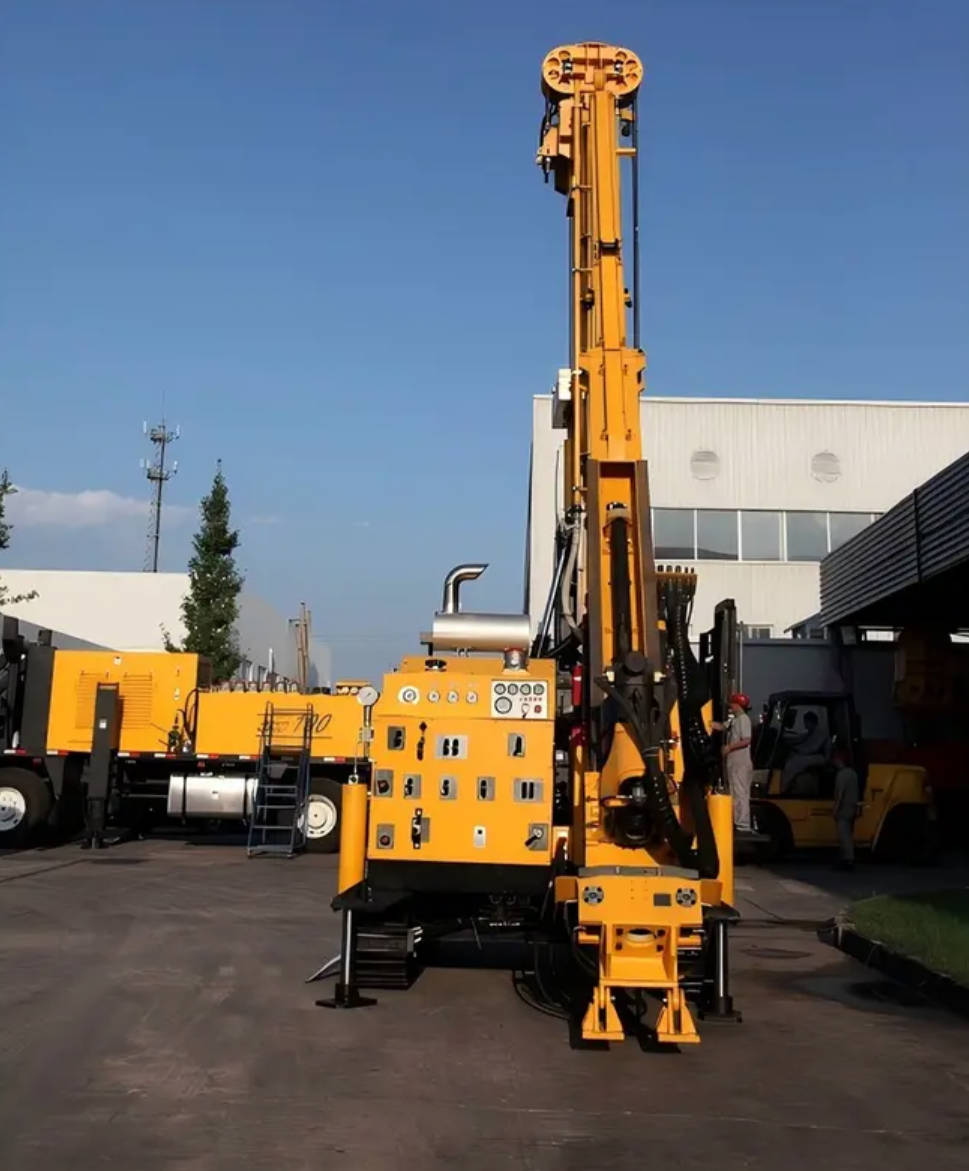
Choosing between a diamond core drill and a geological core drill starts with understanding that these terms are not mutually exclusive. A diamond core drill describes the cutting method, while a geological core drill describes the machine's sampling purpose. For many mineral exploration and rock investigation projects, the right equipment is both: a geological drilling rig equipped for diamond core drilling.
At CORTECH, our focus is developing, manufacturing, and supplying fully hydraulic diamond drilling rigs, including surface wireline core drilling systems. From a manufacturer's perspective, the useful comparison is not simply between two equipment labels. It is between drilling configurations, sample protection methods, and operating capabilities.
This guide explains those differences and provides a practical framework for selecting equipment that delivers interpretable rock samples—not just drilled meters.

A diamond core drill uses a diamond cutting bit to cut an annular path through rock, leaving a cylindrical core inside the core barrel.
In exploration applications, the complete system includes:
- A drilling rig providing rotation, feed, and lifting capacity.
- Diamond bits, drill rods, and compatible core barrels.
- A circulation system for cooling and removing cuttings.
- Equipment for retrieving and handling the sample.
The term also appears in construction, where diamond drills make holes in concrete or masonry. Buyers should therefore specify "mineral exploration diamond core drilling rig" or "surface wireline core drill" when searching for geological sampling equipment.
A geological core drill is equipment used to recover core for examining subsurface materials.
Depending on the investigation, the recovered samples may support:
- Mineral identification and laboratory assays.
- Lithological logging.
- Fracture and discontinuity assessment.
- Geotechnical testing.
- Interpretation of weathering and alteration.
The name does not specify one cutting mechanism, retrieval system, or hydraulic arrangement. A geological drilling rig may use diamond coring, and rock coring can employ either conventional or wireline equipment.
Consequently, "geological" alone tells a buyer less about technical suitability than a detailed equipment specification.
| Comparison point | Diamond core drill | Geological core drill |
|---|---|---|
| Primary meaning | Identifies the diamond cutting method | Identifies the geological sampling purpose |
| Typical objective | Recover cylindrical core while cutting rock | Obtain samples for geological interpretation |
| Cutting technology | Diamond core bit | Must be specified; may include diamond coring |
| Retrieval arrangement | Conventional or wireline, depending on configuration | Conventional or wireline, depending on configuration |
| Sample protection | Depends on barrel, bit, circulation, and operation | Depends on the selected coring system |
| Surface application | Common in surface exploration configurations | Can describe surface investigation equipment |
| Main purchasing risk | Confusing exploration rigs with construction drills | Assuming the name guarantees suitable rock-coring capability |
| Best evaluation basis | Verified rig and tooling specifications | Verified investigation and sampling requirements |
The distinction matters because neither term guarantees recovery performance. Buyers need to examine the complete drilling and sampling system.
During diamond coring, the rotating bit cuts around the sample rather than excavating the entire borehole cross-section.
The core enters the barrel as drilling advances. Circulating fluid cools the bit and transports cuttings, while the barrel arrangement helps protect the recovered material.
However, cutting rock successfully and preserving geological evidence are different objectives. Excessive disturbance can reduce the value of a sample even when the drilling operation continues.
A wireline system uses a sample-receiving inner tube that operates independently of the drill rod string.
After completing a run, the operator retrieves the inner-tube assembly using an overshot and wireline. The rods generally remain in the borehole during routine core retrieval.
This arrangement reduces repeated rod handling compared with retrieving conventional core barrels by pulling the rod string.
However, wireline does not eliminate every rod trip. Bit changes, maintenance, and downhole problems may still require withdrawing the string. Productivity should therefore be evaluated across the entire drilling cycle.
Core recovery describes the recovered core length relative to the drilled run length:
Core recovery (%)=Recovered core length/Drilled run length×100
For example, recovering 2.85 meters from a 3.00-meter run gives 95% recovery.
That percentage is useful, but it does not show whether the recovered material remains intact, preserves weak zones, or represents every part of the interval equally.
Rock Quality Designation, usually abbreviated RQD, considers the cumulative length of qualifying sound core pieces relative to the run length. The referenced guidance uses sound pieces longer than 100 millimeters.
Drilling-induced breaks must be distinguished from natural discontinuities when applying the adopted logging procedure.
A fractured interval can therefore have high recovery but much lower RQD. This is not necessarily evidence of poor equipment: natural rock structure also affects the result.
For procurement, the practical lesson is simple: do not treat recovery percentage and RQD as interchangeable performance claims.
A valuable sample should also preserve the evidence required for its intended interpretation.
Depending on the project, this may include:
- Weak seams and mineralized contacts.
- Fracture surfaces and infill.
- Weathered or altered material.
- Reliable depth identification.
- Sample condition suitable for planned testing.
A rig specification cannot, by itself, guarantee these outcomes. Tooling selection, operating procedures, geology, and sample handling all contribute.

Double-tube core barrels separate the sample-receiving inner tube from the outer barrel.
For many competent rock applications, this provides a practical sampling arrangement. Nevertheless, suitability depends on formation behavior and the investigation's quality requirements.
The correct question is not whether double-tube equipment is universally adequate, but whether it preserves the information needed from the expected ground.
Triple-tube systems add a liner or split tube inside the standard inner tube.
Published tooling guidance identifies coal, clay-bearing formations, and highly fractured ground among their applications. The split tube supports the sample during recovery and presentation, reducing the need to handle unsupported material.
Triple-tube equipment should not be presented as an automatic recovery guarantee. It is a sample-protection option that must be matched with compatible components and appropriate drilling practices.
For buyers expecting broken or fragile intervals, barrel compatibility deserves attention before ordering the rig.
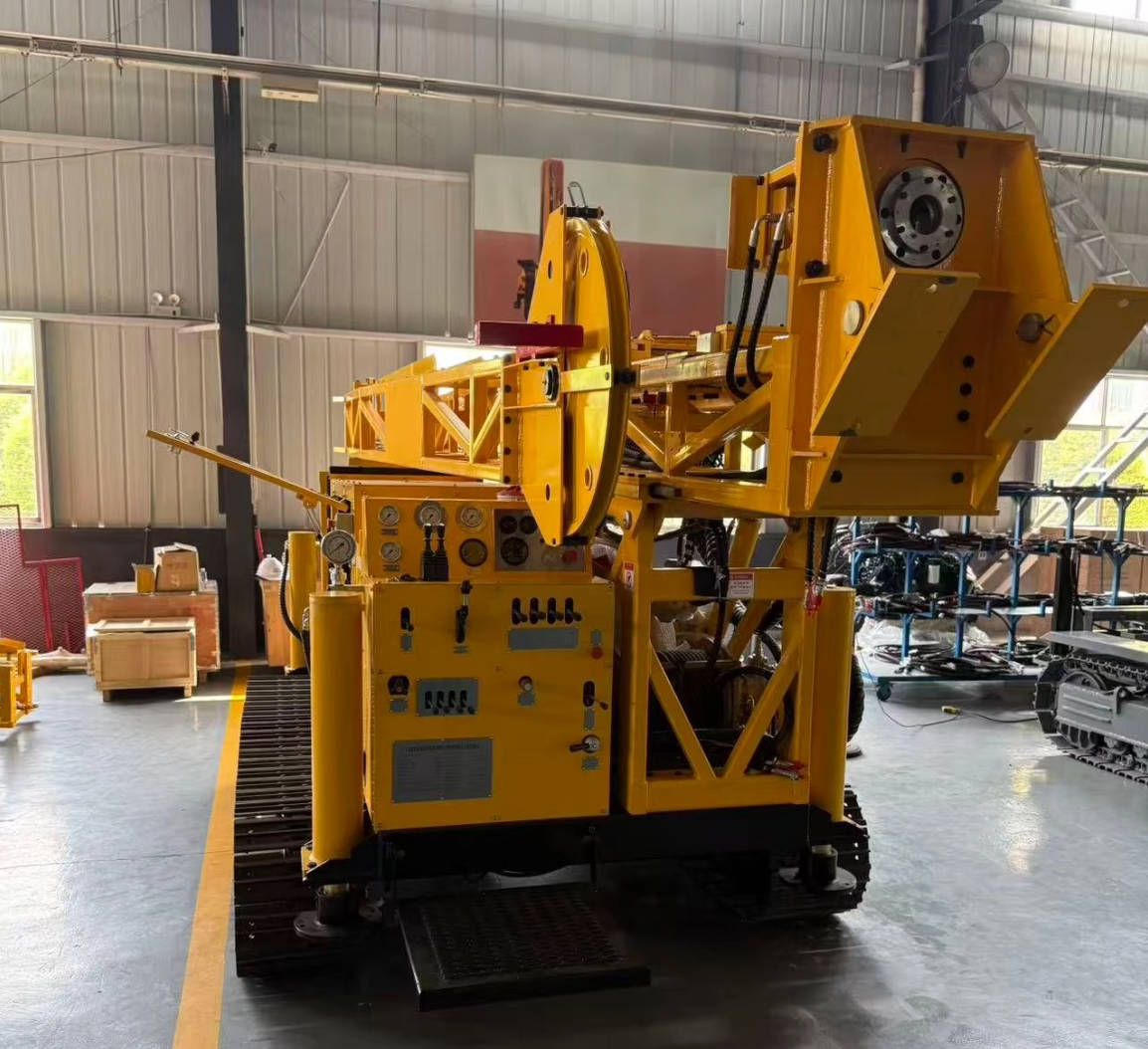
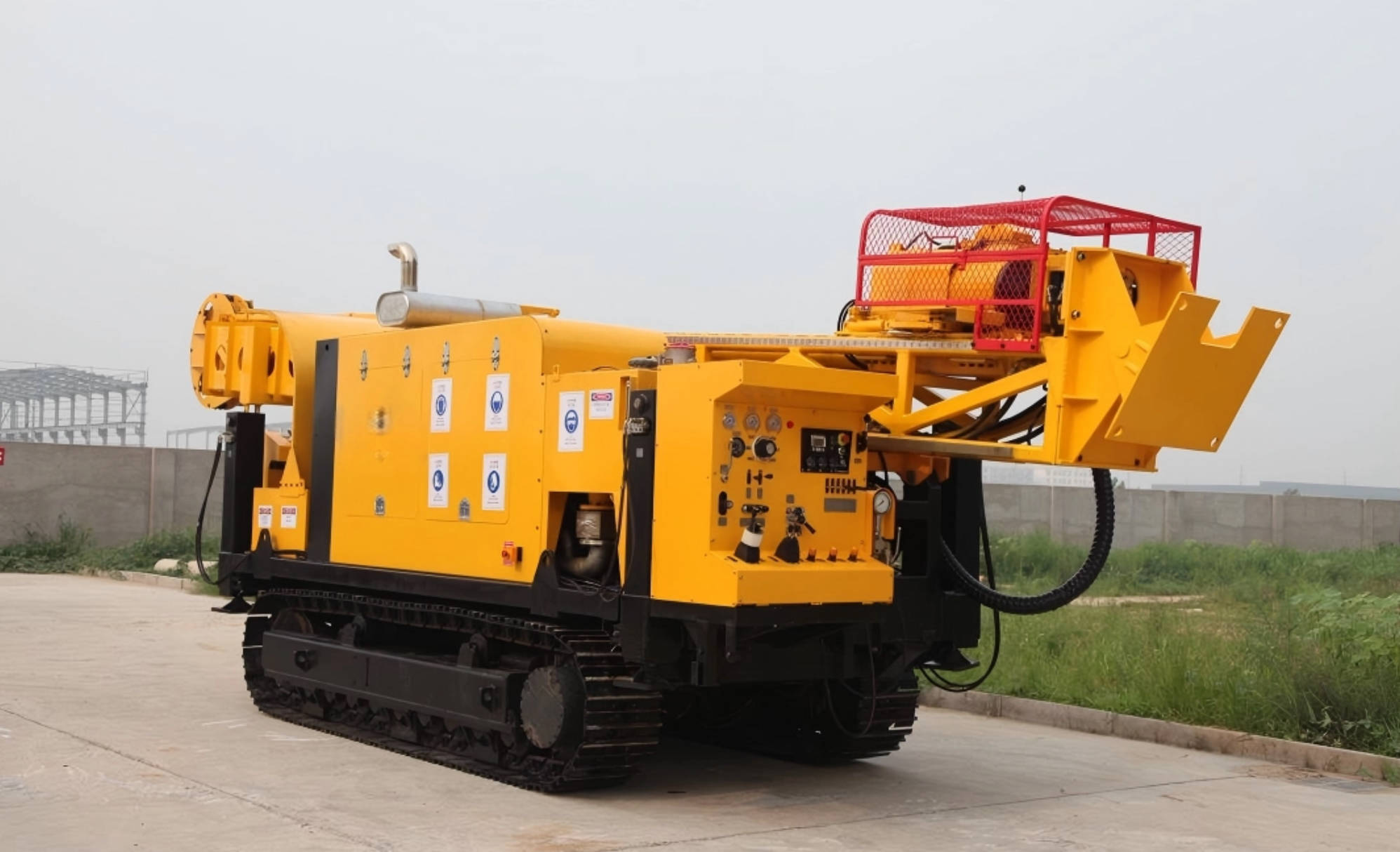
A fully hydraulic surface core drill should be assessed as an integrated system rather than a collection of maximum ratings.
Compare the available torque-speed relationship, not just maximum torque and maximum rotational speed listed separately.
Ask whether the operating range suits the planned bit sizes and formations. Controlled feed and rotation matter because aggressive drilling is not useful when it compromises sample condition.
Depth capability must be evaluated against the proposed rod size and drilling configuration.
Request the assumptions behind any published depth rating. A headline depth figure does not establish identical capability across every rod size, hole angle, or borehole condition.
Confirm compatibility between:
- Rods and couplings.
- Core barrels and bits.
- Wireline retrieval components.
- Pumps and circulation requirements.
- Clamps, chucks, and handling equipment.
Do not assume similarly named components are interchangeable.
For surface exploration, transportation and servicing can influence practical productivity.
Review machine dimensions, transport arrangements, setup requirements, maintenance access, spare parts, and technical support alongside drilling capability.
Start with the decisions the core must support.
Mineral assays, engineering tests, and structural logging may require different sample dimensions, handling procedures, and preservation priorities.
Provide anticipated lithology, weathering, fracturing, weak intervals, groundwater conditions, and target depth.
Identify uncertainties rather than presenting incomplete geological information as confirmed.
Select the rig, rod system, barrel arrangement, bit, and circulation equipment together.
This avoids buying a capable machine with an unsuitable or incomplete sampling package.
Document starting parameters and the observations that trigger adjustment.
Record changes in penetration behavior, torque, pressure, fluid returns, and recovered sample condition. Operating limits should follow the equipment and tooling instructions.
Do not maintain a standard run length when recovery conditions deteriorate.
The referenced rock-sampling guidance recommends shorter runs in highly fractured or weathered zones. Exact run lengths should follow project requirements and the responsible technical team's judgment.
Inspect and log each run promptly.
Photograph the core, verify depth markers, record losses, and communicate problematic intervals to the drilling team. Sampling quality improves when observations influence the next run.
Consider an illustrative 3.00-meter run containing:
- 2.40 meters of competent rock.
- A 0.60-meter weak, potentially important interval.
Suppose the competent rock is recovered completely, but only 0.45 meters of the weak interval is recovered.
Overall recovery is 95%, yet recovery within the weak interval is only 75%.
These figures are hypothetical, not a CORTECH field result. They demonstrate why an impressive overall percentage can conceal selective loss.
The commercial implication is important: evaluate recovery by relevant geological interval, not only by borehole average. Missing material from a critical zone may matter more than equivalent loss elsewhere.
A practical commercial metric is:
Cost per usable meter=Total campaign cost/Meters meeting agreed sample requirements
"Usable" should be defined before comparing offers.
Include costs associated with:
- Mobilization and setup.
- Labor and consumables.
- Maintenance and downtime.
- Core handling and logging.
- Replacement drilling where necessary.
This is a proposed evaluation framework, not a universal industry reporting standard.
Its value is that it connects equipment spending with the actual deliverable: samples that support reliable decisions.
For many hard-rock exploration projects, the appropriate choice is not a diamond core drill instead of a geological core drill. It is a geological sampling system built around suitable diamond coring technology.
CORTECH's fully hydraulic drilling equipment should be evaluated against your specific depth, core size, formation conditions, and operating environment.
Before requesting a configuration, prepare:
1. Target depth and hole angle.
2. Required core size.
3. Expected rock and difficult intervals.
4. Access and transportation constraints.
5. Sample quality and testing requirements.
6. Preferred tooling and support arrangements.
Contact CORTECH with this project brief to request a matched surface core drilling proposal. Ask for the recommended rig, tooling package, operating assumptions, and scope of supply—not merely a headline depth rating.
Not exactly. Diamond describes the cutting method; geological describes the sampling application. One rig can satisfy both descriptions when configured for geological diamond coring.
No. Geological rock coring can use conventional or wireline equipment. Buyers should confirm the retrieval system rather than infer it from the equipment name.
No. Recovery measures recovered length. It does not independently establish structural preservation, representativeness, or suitability for laboratory testing.
Consider them when sample protection is especially important, including suitable fractured, clay-bearing, or coal-bearing formations. Confirm compatibility and assess their use against project requirements.
A rig may cover varied conditions, but tooling and operating procedures usually require adjustment. Evaluate its practical operating range rather than expecting one configuration to suit every interval.
Provide target depth, hole angle, core size, expected geology, access limitations, and sample requirements. These details support a more defensible recommendation than depth alone.
1. Boart Longyear. "The Ins and Outs of Wireline Core Retrieval Systems." Explains the independent inner-tube arrangement and wireline retrieval principle. [Read the technical article]. [boartlongyear]
2. Federal Highway Administration. "Drilling and Sampling of Soil and Rock," hosted by PDHonline. Technical guidance covering conventional and wireline coring, run length, core recovery, and RQD interpretation. [Read the technical document]. [pdhonline]
3. Boart Longyear. "PQ Coring System," hosted by Drillers World Australia. Explains triple-tube arrangements, split-tube sample handling, and applications in vulnerable formations. [Read the product technical document]. [drillersworld.com]
4. CORTECH Drilling. Manufacturer information covering fully hydraulic diamond core drilling equipment and surface drilling products. Used for company and product-category context, not as independent proof of recovery performance. [Visit the manufacturer's website]. [cortechdrilling]
5. Boart Longyear. "Exploration." Product-category information covering surface rigs, underground rigs, rods, tooling, and wireline systems. [View the exploration equipment overview]. [boartlongyearproducts]


