
Views: 211 Author: CORTECH Publish Time: 2026-11-16 Origin: Site


Content Menu
● The Main Disadvantages of Core Drilling at a Glance
● 1. Core Drilling Costs Extend Beyond the Rig
>> Why the Lowest Quotation Can Be Misleading
● 2. Diamond Core Drilling Includes Significant Non-Cutting Time
>> Measure Cycle Time, Not Just Penetration Rate
● 3. Core Recovery Can Decline in Broken or Weak Ground
● 4. Water and Drilling-Fluid Requirements Complicate Operations
>> More Water Is Not Always the Answer
● 5. Borehole Instability Can Put the Entire Hole at Risk
● 6. Tool Wear and Hydraulic Maintenance Affect Availability
● 7. Skilled Operators Remain Essential
● 8. Safety and Environmental Controls Add Responsibilities
● A Better Cost Metric: Cost per Usable Core Meter
● When Another Drilling Method May Be More Suitable
● A Practical Checklist Before Selecting a Surface Core Drill
● Discuss Your Core Drilling Requirements with CORTECH
>> 1. What is the biggest disadvantage of core drilling?
>> 2. Is wireline core drilling always faster than conventional coring?
>> 3. Can diamond core drilling guarantee 100% recovery?
>> 4. Does a larger core drilling rig solve poor recovery?
>> 5. How can buyers reduce the disadvantages of core drilling?
The main disadvantages of core drilling are high operating costs, time spent retrieving samples, dependence on drilling fluids, potential core loss, and the need for skilled operators. Difficult ground, equipment wear, and demanding site logistics can also make project costs and completion times unpredictable.
However, these limitations need context. Diamond core drilling retrieves cylindrical rock samples that help geologists understand structures, mineralization, and ground conditions. Its value depends not simply on how quickly a hole advances, but on whether the recovered core answers the investigation's questions.
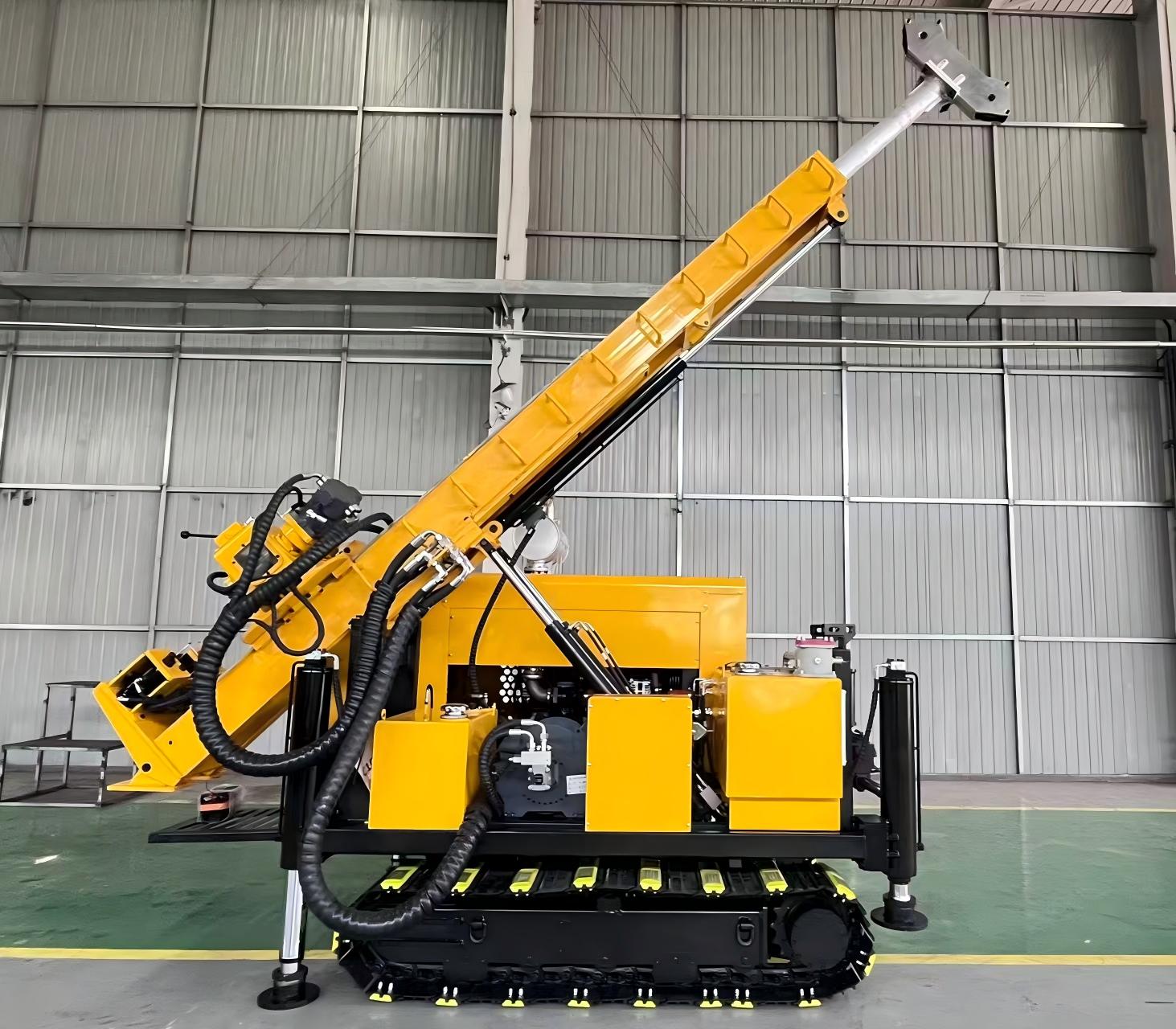
At CORTECH, our manufacturing focus is fully hydraulic wireline diamond core drilling equipment, including surface core drilling rigs. From this equipment-selection perspective, I would evaluate core drilling by one practical measure: the cost of obtaining reliable geological information—not just the cost per drilled meter.
This article focuses on mineral exploration and geotechnical rock coring, rather than concrete drilling.
| Disadvantage | What it means for the project | Practical response |
|---|---|---|
| High total cost | Equipment, tooling, crews, fluids, and logistics accumulate | Compare complete drilling-system costs |
| Interrupted drilling cycles | Core retrieval and handling consume shift time | Measure the entire operating cycle |
| Core loss or damage | Important geological intervals may be incomplete | Match barrels and techniques to ground |
| Fluid dependence | Water supply and circulation problems interrupt work | Plan fluid management before mobilization |
| Unstable boreholes | Collapse or stuck tooling can threaten completion | Prepare casing and contingency strategies |
| Equipment wear | Bits, rods, and hydraulic components require attention | Maintain tooling and suitable spare parts |
| Skilled-labor requirements | Poor decisions can reduce recovery and productivity | Invest in training and operating procedures |
A core drilling rig is only one part of the investment. A functioning operation also needs rods, core barrels, bits, casing, pumps, handling equipment, and supporting infrastructure.
Typical cost categories include:
- Mobilization and access preparation.
- Crew wages, training, and supervision.
- Fuel, water, and drilling-fluid products.
- Replacement tooling and maintenance.
- Core handling, transport, and logging.
- Environmental controls and site rehabilitation.
The disadvantage is not simply that diamond tooling costs money. It is that several costs continue even when productive drilling stops.
A circulation problem, for example, can consume crew time, fuel, and consumables without producing additional usable core.
Two drilling quotations may cover different responsibilities. One may include casing, water transport, and standby time; another may exclude them.
My recommendation is to compare identical scopes before comparing prices. Ask suppliers and contractors to identify assumptions about geology, hole diameter, depth, water availability, and expected support requirements.
Without those assumptions, a quoted cost per meter offers limited decision-making value.
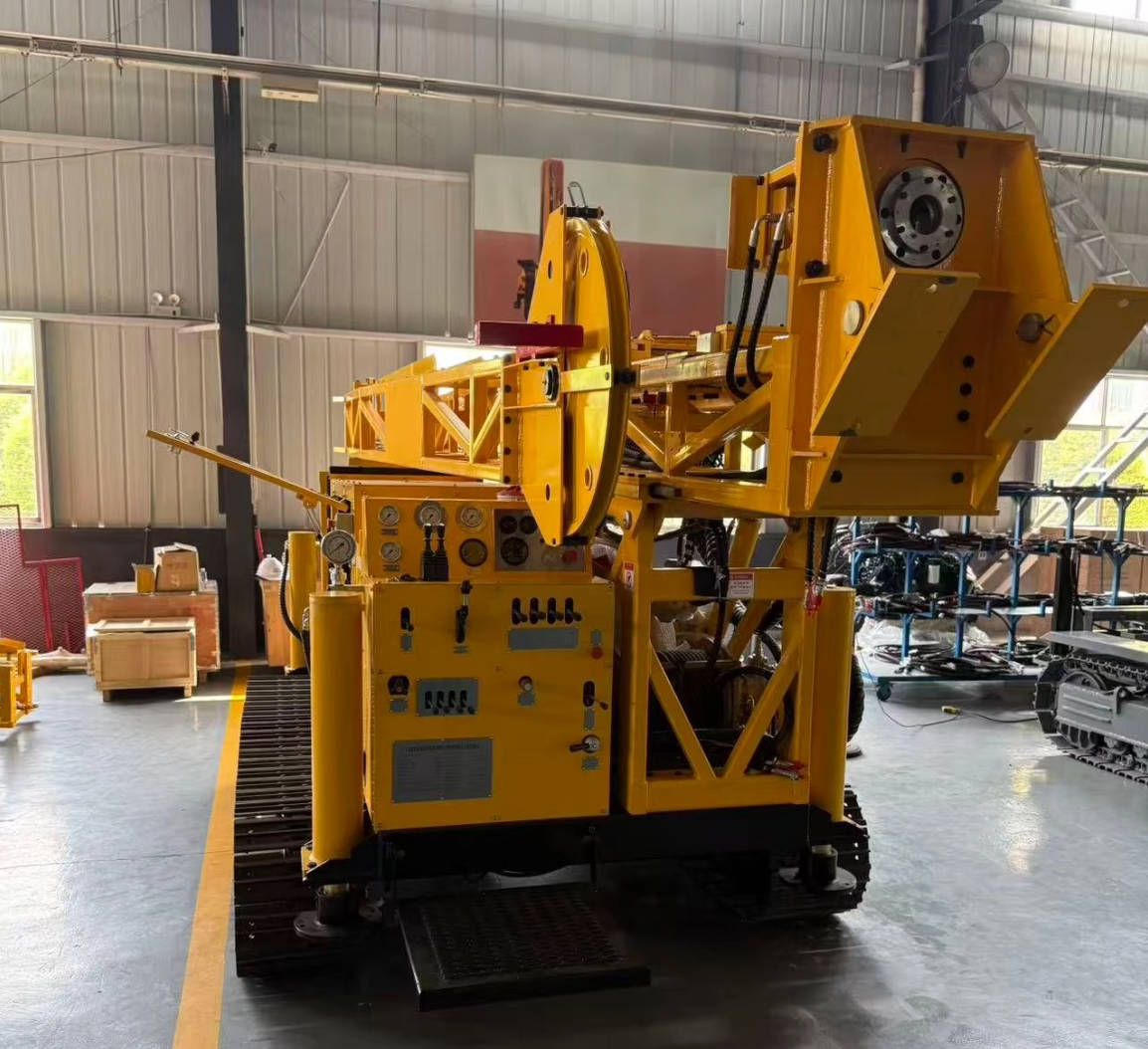
Core drilling is a sequence of operations, not uninterrupted cutting.
A typical cycle includes:
1. Advancing the bit through the formation.
2. Recovering the inner tube.
3. Removing and arranging the core.
4. Inspecting and preparing the assembly.
5. Returning the inner tube.
6. Adding rods and resuming drilling.
Wireline systems retrieve the inner tube through the drill string, avoiding complete rod withdrawal for routine core recovery. This improves the retrieval process, especially as holes deepen.
Nevertheless, wireline retrieval still takes time. Bit changes and certain downhole problems may still require pulling the string.
A fast instantaneous penetration rate does not necessarily produce more usable core per shift.
Aggressive drilling that repeatedly blocks the barrel may perform worse than a steadier approach with fewer interruptions.
Useful operating records should separate drilling, retrieval, rod handling, maintenance, and problem-solving time. This shows where productivity is actually being lost.
One of the most consequential disadvantages of core drilling is that advancing the hole does not guarantee recovering an intact sample.
Fractured rock, weak seams, weathered zones, and loose material may break apart, wash away, or jam inside the barrel.
Potential consequences include:
- Missing sections of mineralization.
- Uncertain geological boundaries.
- Difficulty distinguishing natural fractures from drilling damage.
- Reduced confidence in structural interpretation.
Recovered length also does not tell the whole story. A tray containing heavily disturbed fragments may provide less structural information than an intact sample of the same length.
Possible responses include shorter runs, revised operating parameters, suitable fluid properties, and alternative barrel arrangements.
Triple-tube systems can help protect fragile samples in appropriate applications. Face-discharge bit designs can also redirect flow to reduce washing of vulnerable core.
However, no barrel or bit guarantees complete recovery in every formation. Tool selection must follow the sampling objective and actual ground conditions.
In conventional wet diamond core drilling, circulating fluid cools the bit, transports cuttings, and contributes to borehole management.
That dependence becomes a disadvantage where water is scarce, transport is expensive, or fluid handling is restricted.
Projects may require storage tanks, pumping infrastructure, settling arrangements, and a reliable resupply plan.
Lost circulation creates an additional problem: fluid enters fractures or permeable zones rather than returning effectively to the surface. This can increase consumption and disrupt cuttings removal.
Increasing flow without diagnosing the problem can waste resources and damage weak samples.
The appropriate response depends on whether the issue involves leakage, formation losses, blockages, unsuitable fluid properties, or equipment performance.
Fluid recycling can reduce demand, but it requires suitable solids control. Recycling dirty fluid without adequate treatment is not equivalent to effective fluid management.
Core drilling becomes more difficult when the borehole will not remain open.
Broken formations, loose overburden, and water-sensitive materials can create instability. Symptoms may include difficult rod movement, abnormal torque, poor returns, or repeated obstructions.
A stuck drill string can turn a local problem into a major financial loss involving recovery work, damaged tooling, or an abandoned hole.
Preventive planning may include:
- Casing unstable upper sections.
- Selecting suitable drilling fluids.
- Monitoring changes in pressure and torque.
- Preparing recovery tools and escalation procedures.
Importantly, a more powerful rig does not make unstable geology disappear. Additional pulling capacity is not a substitute for diagnosing why the string is resisting movement.
Diamond bits, rods, couplings, and core-barrel components operate under demanding conditions.
Abrasive formations accelerate wear. Damaged threads or sealing surfaces can cause leakage and connection problems. Worn barrel components can contribute to poor recovery or unreliable operation.
Fully hydraulic rigs also require attention to oil condition, filtration, hoses, seals, and cooling.
For remote projects, a minor component failure can cause a disproportionate delay if replacements are unavailable.
Before procurement, assess:
- Access to compatible consumables.
- Availability of critical spare parts.
- Clarity of maintenance instructions.
- Local service capabilities.
- Component replacement procedures.
A realistic support plan often matters more than an impressive headline specification.
Hydraulic controls can improve operating consistency, but they do not eliminate geological judgment.
Operators must interpret changing torque, pressure, penetration behavior, fluid returns, and core condition. They also need to recognize when continuing to drill will worsen a developing problem.
This creates a training and staffing disadvantage, particularly when experienced crews are difficult to recruit.
A useful operating principle is to investigate repeated poor recovery rather than compensate automatically with additional feed pressure.
The underlying cause may be worn tooling, unsuitable fluid, a blocked barrel, or changing ground—not insufficient power.
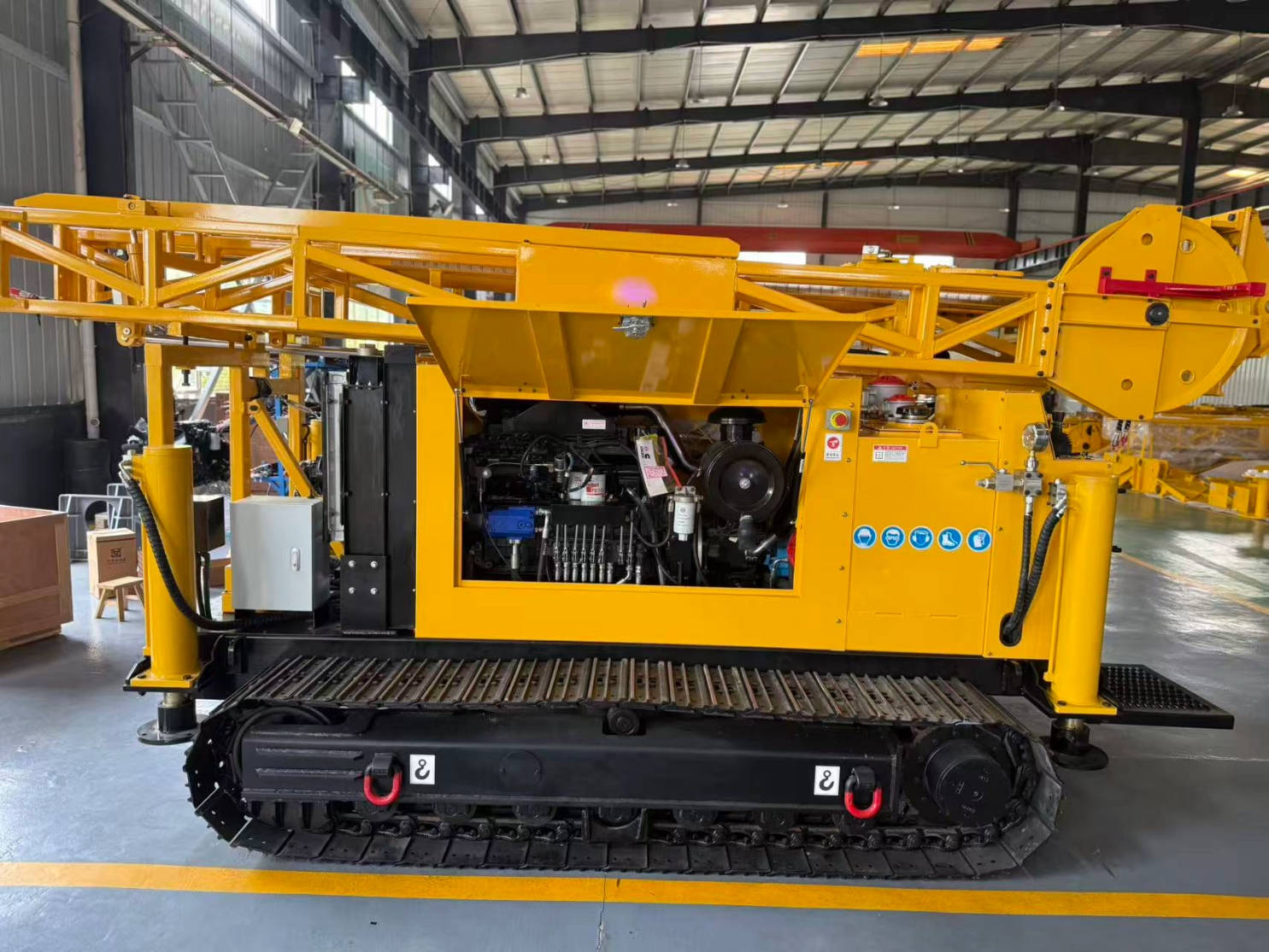
Core drilling involves rotating machinery, suspended loads, rod handling, pressurized fluids, and moving equipment.
Potential exposure to silica-containing dust also requires attention during relevant drilling, cutting, and housekeeping activities.
Wet methods can reduce dust generation, but slurry must still be managed so that dried material does not become an airborne source.
Appropriate controls include guarding, isolation procedures, planned handling methods, equipment inspections, and task-specific exposure assessment.
Requirements vary by jurisdiction and activity. Construction guidance for concrete core drills should not automatically be treated as the complete compliance framework for a mineral exploration site.
Environmental planning should also address fuel storage, hydraulic leaks, fluid containment, and rehabilitation.
A useful way to evaluate the disadvantages of core drilling is to calculate usable core cost:
Total relevant project cost ÷ meters of core meeting the investigation's acceptance criteria.
Consider this illustrative scenario—not a CORTECH performance claim or an industry benchmark:
| Measure | Program A | Program B |
|---|---|---|
| Project cost | $100,000 | $110,000 |
| Drilled length | 1,000 m | 1,000 m |
| Usable core length | 800 m | 950 m |
| Cost per usable core meter | $125.00 | $115.79 |
Program B costs more overall but delivers usable core at a lower unit cost.
The important qualification is that "usable" must be defined beforehand. Acceptance criteria for assay sampling may differ from those for structural logging or laboratory testing.
Core drilling is not automatically the best method for every investigation.
| Investigation priority | Alternative worth evaluating | Important limitation |
|---|---|---|
| Rapid collection of rock-chip samples | Reverse circulation drilling | Chips do not preserve intact core structures |
| Sampling loose or unconsolidated formations | Sonic drilling | Suitability depends on depth, material, and project needs |
| Intact hard-rock samples for detailed logging | Diamond core drilling | Requires accepting retrieval time and recovery risks |
| Variable overburden above bedrock | A staged or combined-method program | Method changes require coordination and planning |
The decision should follow the information required. Selecting diamond coring where chips would answer the question may add unnecessary cost. Selecting chip sampling where intact structures matter may sacrifice essential information.
Before requesting a configuration, document:
1. Target depth, hole inclination, and required core diameter.
2. Expected rock strength, abrasiveness, and fracture conditions.
3. Overburden thickness and likely casing requirements.
4. Sampling and recovery acceptance criteria.
5. Water availability and fluid-management constraints.
6. Access, transport, and operating-temperature conditions.
7. Crew capability and maintenance support.
Then ask how the proposed rig, tooling, pumps, and support package address those conditions.
A depth rating alone cannot explain whether a drilling system suits the complete project.

Core drilling remains valuable when intact geological information justifies its cost and complexity.
Send CORTECH your target depth, core diameter, geological conditions, access restrictions, and water-supply details. Request a project-specific surface drilling configuration covering the rig, tooling compatibility, fluid requirements, and maintenance provisions—not simply a machine quotation.
The biggest disadvantage is often the combined cost of obtaining reliable samples. Tooling, retrieval time, difficult ground, and downtime all contribute. In fragile formations, incomplete recovery may be more consequential than the drilling expense itself.
Wireline retrieval avoids routine withdrawal of the entire rod string to recover each core run. However, overall productivity still depends on depth, ground conditions, tooling, crew performance, and interruptions. It does not guarantee a particular daily output.
No. Recovery depends on formation integrity, equipment condition, operating technique, and fluid management. Highly fractured or weak intervals may remain difficult even with specialized barrels and carefully selected parameters.
Not necessarily. Additional torque and pulling capacity may help with certain operational demands, but poor recovery can result from sample washing, barrel blockage, worn components, or unsuitable technique. The cause should be diagnosed before increasing machine capacity.
Define the information required, investigate likely ground conditions, compare complete system costs, and plan water, tooling, training, and maintenance support. During operation, monitor usable recovery and cycle time rather than penetration rate alone.
1. Boart Longyear. "Quantifying Drilling Efficiencies—Why Drilling Metrics Matter." October 10, 2018. Supports discussion of retrieval time, operating metrics, driller expertise, tooling, and fluid management. [Read the article]. [boartlongyear]
2. Boart Longyear. "The Ins and Outs of Wireline Core Retrieval Systems." June 5, 2017. Explains wireline retrieval, latch mechanisms, core wedging, component wear, and difficult-ground limitations. [Read the technical explanation]. [boartlongyear]
3. Boart Longyear. "Longyear Bits—Selecting the Right Bit in 5 Easy Steps." January 9, 2019. Supports the discussion of bit selection and face-discharge waterways for reducing core washing. [Read the selection guide]. [boartlongyear]
4. Boart Longyear. "Coring Magazine's Exclusive Interview with Chris Hopkins, Underground Operations, Boart Longyear Australia." December 15, 2022. Provides practitioner insight into drilling fluids, unstable formations, training, and cost control. Its underground context should be considered when applying its principles to surface projects. [Read the interview]. [boartlongyear]
5. Boart Longyear. Coring Rods and Casing Catalogue. Technical guidance on rod handling, connection interfaces, leakage, and tooling care. [View the catalogue]. [boartlongyear]
6. Occupational Safety and Health Administration. Rig-Mounted Core Saws or Drills, OSHA 3929. Explains silica dust generation, wet controls, slurry cleanup, and equipment maintenance in construction applications. [View the fact sheet]. [edit.osha]
7. Occupational Safety and Health Administration. "29 CFR 1926.1153—Respirable Crystalline Silica." Construction-specific requirements, including distinctions between core drills and vehicle-mounted rock drilling equipment. [Read the regulation]. [osha]
8. Boart Longyear. "Sonic Drilling: A Sound Solution for Frustrating Formations." May 8, 2017. Supports consideration of sonic drilling for loose, fragile, or unconsolidated formations. Manufacturer-reported performance figures have not been generalized in this article. [Read the article]. [boartlongyear]


