
Views: 201 Author: CORTECH Publish Time: 2026-11-21 Origin: Site


Content Menu
● Common Core Drill Problems: A Quick Troubleshooting Guide
● 1. Slow Penetration and Diamond Bit Polishing
>> Why Does a Core Drill Stop Cutting Efficiently?
>> How to Respond to Slow Core Drilling
● 2. Premature Diamond Core Bit Wear
>> What Different Wear Patterns Suggest
>> Evaluate Bit Economics Beyond Purchase Price
● 3. Poor Core Recovery and Damaged Samples
>> How to Improve Core Recovery
● 4. Stuck Drill Strings and Core Barrel Blockages
>> Recognize Warning Signs Early
● 5. Lost Circulation and Abnormal Flushing Pressure
>> High Pressure and Low Pressure Mean Different Things
● 6. Excessive Vibration and Hole Deviation
>> Practical Prevention Measures
● 7. Hydraulic Overheating, Leakage, and Weak Performance
● 8. Wireline Core Retrieval Failures
>> Prevent Repeated Retrieval Problems
● A Five-Step Workflow for Diagnosing Core Drill Problems
● Measure Recovered Core, Not Just Drilled Metres
● Match Troubleshooting Priorities to the Drilling Environment
● Plan Your Next Core Drilling Project with CORTECH
>> 1. Why Is My Diamond Core Drill Turning but Not Advancing?
>> 2. What Causes Diamond Core Bits to Burn?
>> 3. How Can I Improve Core Recovery in Fractured Rock?
>> 4. Does Higher Feed Pressure Always Increase Drilling Speed?
>> 5. Why Does the Inner Tube Get Stuck?
>> 6. How Often Should a Core Drill Rig Be Serviced?
Common problems with core drills include slow penetration, premature diamond bit wear, poor core recovery, stuck drill strings, circulation loss, hole deviation, hydraulic overheating, and wireline retrieval failures. In mineral exploration, these problems affect more than drilling speed. They can compromise sample quality, increase tooling costs, and interrupt an entire drilling program.
This guide focuses on fully hydraulic wireline diamond core drilling rigs—not handheld concrete coring tools. It covers the operating challenges relevant to CORTECH's CORE SURFACE DRILL product categories.
From an equipment-selection and troubleshooting perspective, the most useful principle is simple: diagnose the system, not just the component showing the symptom. A stalled rotation head, for example, may reflect downhole resistance rather than a hydraulic motor failure.

Use this table to organize an initial assessment. Symptoms suggest possibilities; they do not establish a diagnosis.
| Problem | Possible causes | Initial assessment |
|---|---|---|
| Slow penetration | Polished bit, unsuitable matrix, insufficient effective bit load | Compare penetration, torque, RPM, and formation changes |
| Rapid bit wear | Abrasive ground, overfeeding, vibration, inadequate flushing | Inspect crown wear and review operating records |
| Poor core recovery | Broken formations, core washing, worn lifter components | Inspect recovered material and barrel condition |
| Stuck drill string | Cuttings accumulation, unstable ground, mechanical obstruction | Review circulation and torque trends |
| Abnormal pump pressure | Blockage, leakage, circulation loss, barrel restriction | Compare pressure with flow and return conditions |
| Hole deviation | Poor alignment, excessive feed, worn tooling | Check setup, surveys, and component condition |
| Hydraulic overheating | Cooling problems, restrictions, internal leakage | Compare temperature and performance against specifications |
| Retrieval failure | Worn latches, overshot problems, jammed inner tube | Follow the wireline system's inspection procedure |
Before inspecting or dismantling equipment, follow the rig's isolation procedure. Secure suspended loads, release stored pressure, and verify a safe condition. Stopping the engine alone does not necessarily eliminate hydraulic pressure.
A declining rate of penetration is one of the most common diamond core drilling problems. However, increasing feed pressure immediately can make matters worse.
An impregnated diamond bit depends on controlled matrix wear to expose fresh cutting diamonds. When the operating conditions do not support that process, the cutting face can become polished or glazed.
Potential contributors include:
- A matrix unsuitable for the formation.
- Insufficient effective weight on bit.
- Excessive rotational speed relative to penetration.
- Inappropriate flushing conditions.
- A change in rock hardness or structure.
A simultaneous decline in penetration and torque can indicate polishing. However, interpretation requires comparison with the formation and previous operating conditions.
First, verify circulation and instrument readings. Then review bit selection, rotation speed, and feed settings against the tooling supplier's recommendations.
Change one variable at a time and record the response. Do not assume that the same settings will remain effective through every geological interval.
If conditioning the bit becomes repeatedly necessary, reassess the matrix selection. Never stop cooling water to force the bit to cut; inadequate cooling can burn the crown.
A bit that wears out quickly is not automatically defective. Its wear pattern can reveal a mismatch between the tooling, formation, and operating method.
| Wear pattern | Possible explanation |
|---|---|
| Excessively exposed diamonds | Matrix wearing too quickly, potentially from overfeeding |
| Inner-diameter gauge loss | Broken ground, lost core, excessive feed, or flushing problems |
| Outer-diameter gauge loss | Poor circulation, vibration, or an undersized hole |
| Burnt crown | Inadequate cooling or excessive loading |
| Glazed face | Insufficient diamond exposure and ineffective cutting |
These are diagnostic clues, not universal conclusions. Photograph the crown and record the drilled interval before discussing replacement options with the tooling supplier.
The lowest-priced bit may not deliver the lowest drilling cost.
Compare:
- Metres drilled per bit.
- Productive penetration rate.
- Time spent changing tooling.
- Core recovery.
- Unplanned downtime.
At greater depth, avoiding an unnecessary rod trip can be particularly valuable. Evaluate performance under comparable ground conditions rather than comparing bit life alone.
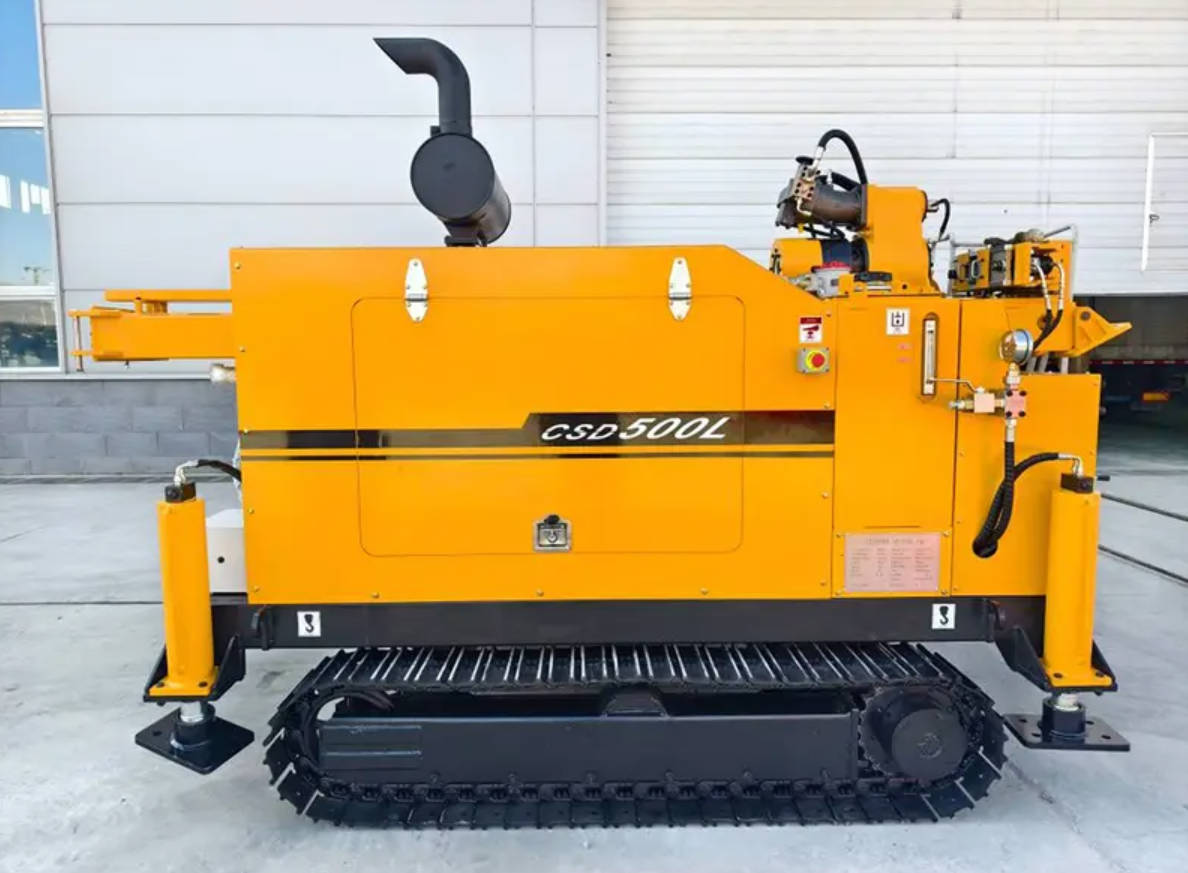
Fast drilling has limited value when the recovered core does not adequately represent the formation.
Poor recovery may involve missing intervals, washed-out soft material, fragmented core, or sample loss during retrieval.
Core recovery problems can arise from:
- Naturally fractured or weak formations.
- Excessive fluid action against vulnerable core.
- Unsuitable barrel or bit configuration.
- Worn core lifters and lifter cases.
- Incorrect inner-tube adjustment.
- Overfilled or blocked inner tubes.
The important distinction is between natural geological breakage and damage introduced during drilling or handling.
Match the sampling system to the ground. Triple-tube arrangements and face-discharge bit designs can help in suitable applications, but they are not universal solutions.
Consider shorter runs in difficult intervals, inspect core-retention components, and review flushing conditions. The objective is sufficient cooling and cuttings removal without unnecessarily disturbing the sample.
Record recovery by run and depth. A sudden change is more informative when it can be matched to a geological boundary or operating adjustment.
Sticking is a high-consequence problem because it can interrupt production and put downhole equipment at risk.
Potential causes include accumulated cuttings, unstable formations, wedged core, damaged tooling, and restrictions within the hole.
Investigate changes such as:
- Rising or erratic torque.
- Increasing difficulty advancing or withdrawing.
- Unexpected pump-pressure changes.
- Reduced or inconsistent returns.
- Repeated core blockage.
Pressure alone cannot reliably identify the cause. Read it alongside flow, torque, penetration, and the drilling sequence.
If movement becomes restricted, stop and follow the approved recovery procedure. Do not improvise with excessive pullback or rotation. Recovery limits depend on the rig, rods, connections, and downhole assembly.
Drilling fluid cools the bit and transports cuttings. Problems develop when circulation becomes insufficient, restricted, or lost into the formation.
An unexpected pressure increase may indicate a restriction, blocked waterways, or an inner-tube condition affecting fluid passage.
A pressure decrease may indicate leakage, pump-delivery problems, or fluid escaping into the formation.
Neither interpretation is certain without additional observations.
Check the fluid supply, pump delivery, visible leaks, and returns where these can be assessed safely. Compare actual flow measurements with the normal baseline.
When circulation loss requires treatment, select the response with qualified drilling-fluid personnel. Any additive must be compatible with the formation, tooling, sampling requirements, and environmental controls.
Vibration and deviation may develop together, but they are not identical problems. Vibration concerns unstable mechanical motion; deviation concerns the borehole departing from its intended path.
Contributors include inaccurate collaring, excessive feed, worn connections, dull tooling, and geological influences.
Excessive feed can bend the drill string and push the bit off-center. Increasing pressure to regain penetration may therefore worsen directional control.
- Establish accurate mast alignment and stable support.
- Use controlled collaring procedures.
- Inspect rods, threads, and reaming shells.
- Avoid unnecessary feed force.
- Review borehole surveys during drilling.
When vibration appears, compare it with depth, RPM, torque, and formation changes. Adjust settings only within approved limits. Persistent vibration warrants investigation rather than continued operation at reduced expectations.
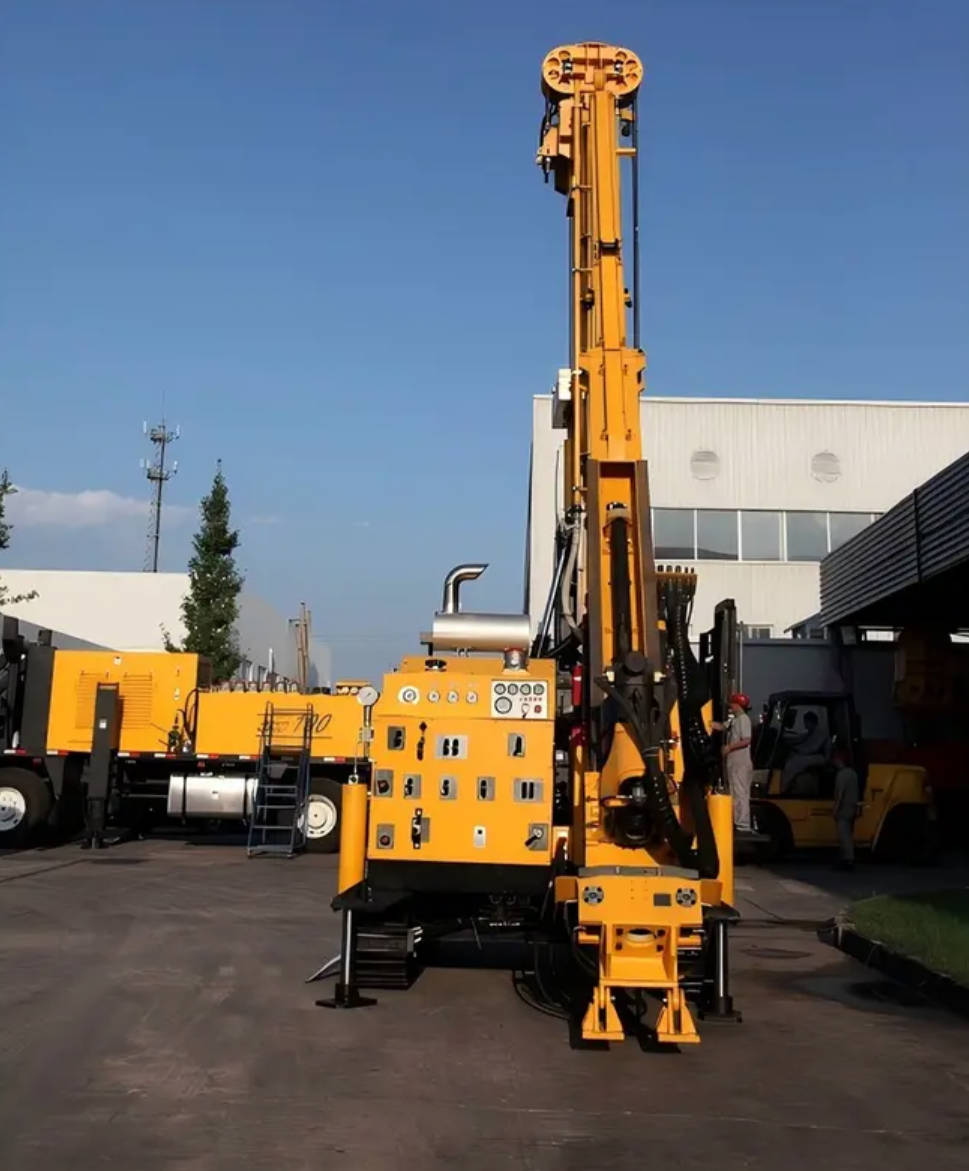
Fully hydraulic core drill rigs depend on clean fluid, effective cooling, and correctly functioning components.
Excessive heat can reduce efficiency and damage seals. Contamination can accelerate wear and contribute to repeated failures.
Follow the maintenance manual when assessing:
- Fluid level and specified oil grade.
- Cooler cleanliness and airflow.
- Filter condition or restriction indicators.
- Hose damage and routing.
- External leakage.
- Changes in rotation or feed performance as the system warms.
A rig that performs normally when cold but loses performance when hot needs diagnosis. Raising relief pressure is not an appropriate substitute.
Use the temperature limits specified for the actual equipment. A limit published for another hydraulic component is not a universal rig limit.
Never search for hydraulic leaks with your hands. High-pressure fluid can penetrate skin, and suspected injection injuries require immediate medical attention.
Wireline systems retrieve the inner tube without routinely removing the complete drill string. Their reliability depends on the condition and compatibility of the retrieval components.
Problems can involve overshot engagement, worn latches, debris, cable damage, or an inner tube jammed by wedged or excessive core.
Inspect the overshot, head assembly, latches, landing surfaces, and cable according to the system manual.
Record where and when failures occur. A recurring problem after long runs may require a different investigation from one appearing immediately after a component change.
Do not force retrieval beyond rated limits. A difficult recovery should trigger a controlled assessment, not increasingly aggressive winch operation.
A consistent troubleshooting sequence helps distinguish symptoms from causes.
1. Make the operation safe. Stop when warning signs or equipment limits require it.
2. Record the baseline. Capture depth, geology, bit type, run length, RPM, torque, feed indication, fluid flow, pressure, and oil temperature.
3. Identify what changed first. Separate the initiating symptom from later consequences.
4. Test one supported hypothesis. Make only authorized adjustments within specified limits.
5. Verify the result. Confirm improved drilling, acceptable recovery, and stable equipment behavior.
This workflow is an editorial synthesis of the technical guidance listed below, not a substitute for a model-specific operating procedure.
A useful management metric connects operating cost with sample recovery:
Cost per recovered metre=Defined drilling operating cost/Metres of core recovered
Define the cost boundary consistently, including labor, consumables, tooling, maintenance, and downtime where applicable.
For a hypothetical comparison, drilling 100 metres with 80 metres recovered produces a different result from recovering 95 metres at the same cost. However, recovered length alone does not measure sample integrity or geological usefulness.
Track cost, recovery, sample condition, and downtime together.
CORTECH's three product categories serve different deployment requirements. The following are planning priorities, not claims about individual model specifications.
| Rig category | Planning priorities |
|---|---|
| CORE SURFACE DRILL | Stable setup, alignment, water supply, and progressive hole monitoring |
| CORE HELI DRILL | Assembly checks, clean connections, transport coordination, and accessible spares |
| CORE U/G DRILL | Installation constraints, hose protection, service access, and site safety requirements |
For modular equipment, include connection cleanliness and post-assembly checks in the mobilization plan. For underground projects, evaluate the complete installation environment rather than selecting equipment on drilling capacity alone.
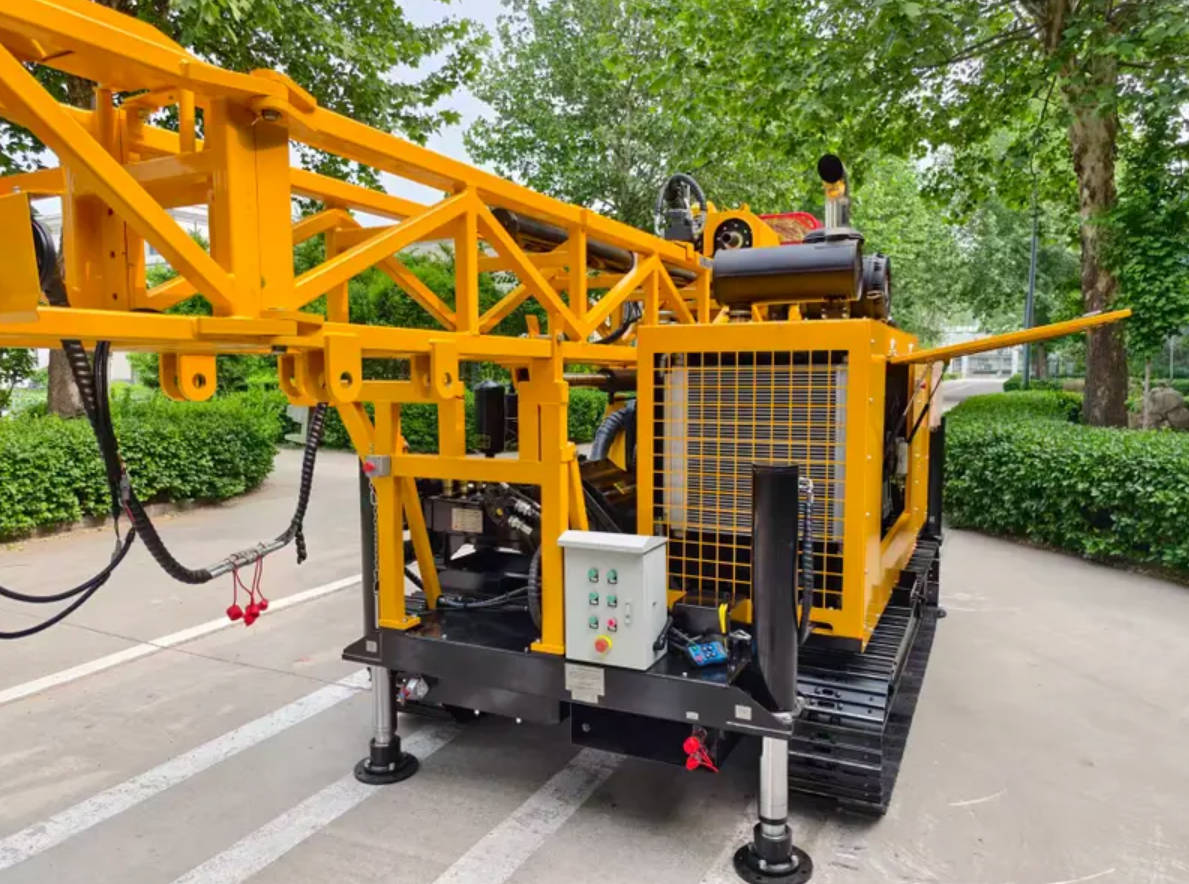
Recurring core drill problems should inform equipment selection as well as maintenance.
Send CORTECH your target depth, core diameter, hole inclination, geological conditions, access limitations, and available utilities. Include operating logs and photographs of worn tooling when available.
Ask for a project-specific discussion covering the appropriate CORE SURFACE DRILL, CORE HELI DRILL, or CORE U/G DRILL configuration, tooling compatibility, maintenance access, and operator support requirements.
Possible causes include a polished bit, insufficient effective bit load, unsuitable tooling, or a downhole restriction. Compare penetration, torque, circulation, and formation changes before adjusting feed.
Insufficient cooling is a major cause. Restricted waterways, fluid-delivery problems, and excessive loading can contribute. Stop and investigate rather than continuing with inadequate circulation.
Review barrel selection, core-retention components, flushing conditions, and run length. Triple-tube or face-discharge arrangements may help when appropriate for the tooling and formation.
No. Excessive feed can accelerate wear, increase deviation, and overload equipment. Effective feed depends on the bit, formation, drilling depth, and complete operating setup.
Wedged core, overfilling, debris, and latch-related problems are possible causes. Follow the wireline manufacturer's retrieval procedure and remain within rated pulling limits.
Follow the model-specific maintenance schedule and component instructions. Operating hours, contamination exposure, duty cycle, and condition-monitoring results should inform any approved adjustments.
1. Boart Longyear. "The Science of Drilling: Are You Getting the Most Out of Your Diamond Bits?" February 1, 2018. Technical guidance on bit loading, polishing, rotation, flushing, and conditioning. [boartlongyear]
2. Boart Longyear. Bits Catalog. Operating guidance and troubleshooting illustrations covering crown wear, gauge loss, glazing, cooling, and bit selection. [boartlongyear]
3. Boart Longyear. "Longyear Bits—Selecting the Right Bit in 5 Easy Steps." January 9, 2019. Guidance on formation assessment, waterway selection, recovery, and performance records. [boartlongyear]
4. Boart Longyear. "The Ins and Outs of Wireline Core Retrieval Systems." June 5, 2017. Explanation of retrieval mechanisms, latch wear, inner-tube movement, and sticking. [boartlongyear]
5. Boart Longyear. "How to Reduce Drill Hole Deviation." April 18, 2017. Guidance on alignment, feed pressure, tooling wear, and directional control. [boartlongyear]
6. Parker Hannifin. Hydraulic Cylinder Troubleshooting. Technical discussion of contamination, seal damage, temperature effects, and filtration. [parker]
7. Parker Hannifin. Parker Safety Guide for Selecting and Using Hydraulic Valves and Related Accessories, Version 3. Guidance on stored pressure, leakage, isolation, and fluid-injection hazards. [parker]
8. Parker Hannifin. The Handbook of Hydraulic Filtration. Guidance on contamination prevention, clean fluid handling, and hydraulic-system protection. [parker]


