
Views: 279 Author: CORTECH Publish Time: 2026-07-08 Origin: Site


Content Menu
● Understanding Core Sample Integrity
● High-Speed Hydraulic Diamond Core Drilling: The Modern Benchmark
● Low-Speed Conventional Rotary Drilling: Strengths and Limitations
● Mechanical Differences: How RPM and Cutting Action Affect the Core
>> Bit Design and Cutting Mechanics
● Fluid Circulation and Sample Preservation
>> Role of Drilling Fluids in Core Integrity
● Wireline Systems and Triple-Tube Barrels: Raising the Integrity Bar
>> Why Wireline Coring Is Favored for High-Integrity Sampling
● Practical Impact on Geology and Resource Models
>> Structural and Geotechnical Logging
● Industry Case Insight: Overburden vs. Target Zone Strategy
● Best-Practice Operating Steps for Protecting Core Integrity
>> Step-by-Step Field Workflow
● Core Handling and Laboratory Integrity
>> From Drill Site to Core Shed
● Comparison Table: High-Speed Core vs. Low-Speed Rotary
● Where CORTECH's Rigs Fit Into This Landscape
● Strategic CTA: From Concept to Implementation
● FAQs
>> 1. Why does high-speed core drilling usually deliver better sample integrity?
>> 2. When is low-speed rotary drilling still the right choice?
>> 3. How do drilling fluids impact core sample integrity?
>> 4. What role do wireline systems and triple-tube barrels play?
>> 5. How can operators practically improve core integrity in the field?
Maintaining reliable core samples is not just a technical detail—it is the foundation of every high‑value exploration and geotechnical decision. High‑speed hydraulic wireline diamond core drilling and low‑speed conventional rotary drilling influence core sample integrity in very different ways, and understanding those differences is critical for mine operators, drilling contractors, and engineering teams. [safetyculture]
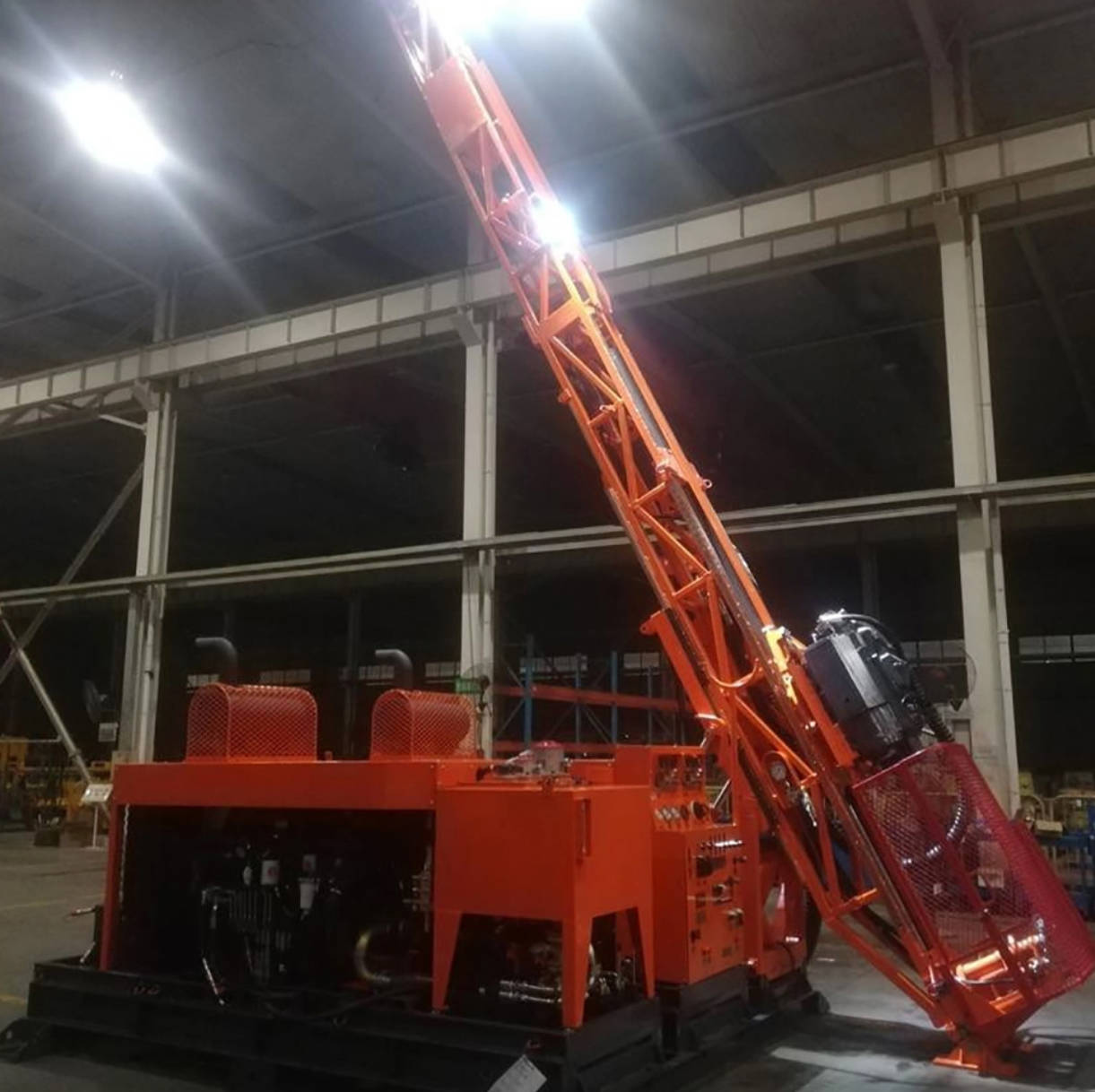
Core sample integrity refers to how closely the recovered core reflects the true in‑situ properties of the rock or soil, including structure, mineralization, porosity, and mechanical strength. [rankingbit]
When integrity is high, geologists can trust:
- Structural features (fractures, bedding, veining)
- Geochemical assays and metallurgical testing
- Geotechnical parameters (RQD, UCS, permeability)
Compromised cores, by contrast, can lead to misleading resource models, incorrect pit designs, and expensive re‑drilling. [data.geus]
High‑speed diamond core drilling uses hollow, diamond‑impregnated bits with controlled high RPM, optimized weight on bit (WOB), and engineered drilling fluids to retrieve continuous, intact cores. [defusco]
Modern full hydraulic wireline core rigs, such as those developed by CORTECH, are built precisely for this task:
- High‑precision control of RPM, WOB, and feed rate
- Wireline core retrieval that minimizes mechanical shock to the core
- Configurations for surface, modular, and heliportable operations across multiple terrains [cortechdrilling]
Because the drilling system is fully hydraulic, operators can maintain stable parameters even in challenging formations, improving both productivity and sample quality. [en.cortech]
Low‑speed rotary drilling (using tricones, DTH hammers, or standard rotary bits) focuses on penetration rate and hole advance rather than continuous core recovery. It often pulverizes or chips material rather than lifting a full‑diameter core. [eureka.patsnap]
Typical characteristics include:
- Lower RPM but higher impact or mechanical aggression
- Transport of cuttings in drilling fluid rather than continuous cores
- Higher risk of washing away fines and disturbing the in‑situ structure [rankingbit]
While this method can be cost‑effective for fast overburden penetration or bulk exploration, it inherently offers lower core sample integrity, especially in fractured, friable, or highly mineralized zones. [eureka.patsnap]
n high‑speed core drilling:
- A diamond core bit cuts with many small cutting points, distributing stress evenly.
- The hollow barrel captures a cylindrical core while annular clearance and drilling fluid manage cuttings and heat. [defusco]
In low‑speed rotary drilling:
- Tricone or hammer bits crush, chip, or fracture the formation.
- The material becomes cuttings, which are transported upwards by drilling fluid. [rankingbit]
These fundamental differences explain why core drilling preserves structure while rotary methods often destroy it. [defusco]
ore integrity is highly sensitive to operational parameters:
- High RPM with optimized WOB in hydraulic core rigs allows the diamonds to cut efficiently without excessive vibration. [cortechdrilling]
- Improper parameter combinations—too much WOB, erratic rotation, or poor fluid management—can fracture cores or cause wash‑outs, even in core drilling. [chinamine-safety.gov]
Conventional low‑speed rotary drilling often operates with greater mechanical shock, especially with hammer systems, increasing the chance of:
- Micro‑fracturing
- Core breakage during retrieval
- Disturbed or mixed samples [eureka.patsnap]
rilling fluid must simultaneously cool the bit, clean the hole, and protect the borehole wall. When engineered correctly, it stabilizes the formation and shields the core from damage. [chinamine-safety.gov]
Best practices from industry guidelines emphasize:
- Matching fluid density and rheology to formation and depth
- Avoiding excessive pump rates that cause "floating" drill strings and mechanical instability
- Using lubricating, low‑solids fluids for diamond core drilling and deep or deviated holes [chinamine-safety.gov]
In low‑speed rotary drilling, aggressive circulation can:
- Wash away fine‑grained material
- Alter the geochemical signature of cuttings
- Create biased sampling of softer intervals [rankingbit]
By contrast, core drilling with carefully controlled fluids and triple‑tube barrels protects the core from both mechanical and chemical disturbance. [rankingbit]
ireline coring systems, widely recognized as best‑practice for high‑quality sampling, let operators retrieve cores through the inside of drill rods without tripping the entire string. [cortechdrilling]
Key advantages include:
- Reduced risk of mechanical shock during core retrieval
- Faster cycles, improving productivity and reducing time spent under variable conditions
- Safer operations with fewer heavy lifts and manual handling [cortechdrilling]
Triple‑tube systems further isolate the core inside an inner liner, shielding it from fluid erosion and mechanical scraping during pull‑out. [rankingbit]
These features make high‑speed hydraulic wireline coring the gold standard in mineral exploration and advanced geotechnical drilling where data quality is non‑negotiable. [safetyculture]

ith high‑integrity cores from diamond wireline drilling, geologists can:
- Log detailed structures (veins, joints, bedding, foliation)
- Measure RQD and fracture spacing accurately
- Assess alteration, mineralization styles, and mechanical behavior [data.geus]
Low‑speed rotary methods, which rely on cuttings, struggle to provide equivalent data, particularly:
- Lost structural context due to pulverization
- Poor resolution of narrow high‑grade veins
- Under‑representation of soft or friable horizons [data.geus]
For modern resource modeling and slope design, these limitations translate directly into higher uncertainty and project risk. [data.geus]
In practice, many high‑performing drilling campaigns now adopt a blended strategy:
- Rapid rotary or DTH methods to advance through overburden and non‑critical zones
- High‑speed hydraulic wireline diamond drilling once target formations are reached [cortechdrilling]
This approach balances cost and speed with the need for reliable core data in key intervals. CORTECH's fully hydraulic surface core drills are designed to integrate into such workflows, handling transitions from overburden casing to deep wireline coring with stable parameters and robust safety features. [en.cortech]
rom an operator's viewpoint, protecting core integrity involves disciplined execution:
1. Set up and alignment
Ensure the rig is squared to the collar and firmly anchored; misalignment introduces unwanted borehole deviation and additional mechanical stress on the core. [defusco]
2. Controlled bit entry
Start with low RPM to "kiss" the formation, forming a stable groove before ramping up to optimal speed. This reduces initial chipping and spalling. [defusco]
3. Optimize RPM and WOB
Use hydraulic controls to maintain steady rotation and weight, letting the diamonds cut rather than forcing penetration. [cortechdrilling]
4. Manage fluid and cuttings
Maintain consistent coolant and flushing; pause periodically to clear fines and avoid packing around the bit. [chinamine-safety.gov]
5. Gentle breakthrough and retrieval
As the barrel nears completion of its run, ease off feed pressure, stop rotation, and retrieve the core via wireline tools to minimize mechanical shock. [defusco]
6. Immediate handling and documentation
Place cores in labeled boxes, protect from weather, and record depth intervals precisely for traceable logging and later analysis. [palsatech]
Each step directly impacts the physical condition and scientific reliability of the recovered core.
ven the best drilling parameters cannot compensate for poor handling. Industry guidelines emphasize: [palsatech]
- Immediate placement of cores into secure boxes
- Clear depth and orientation markings on every stick
- Protection from drying, oxidation, and mechanical shocks during transport
At the facility, systematic logging, photographic documentation, and structured sampling are essential to preserve the scientific value of each core run. [palsatech]
Below is a concise table summarizing key differences that matter for core sample integrity and operational decision‑making:
| Aspect | High-Speed Hydraulic Diamond Core Drilling | Low-Speed Conventional Rotary Drilling |
|---|---|---|
| Primary output | Continuous intact cores for detailed logging safetyculture | Cuttings and chips, limited structural information rankingbit |
| RPM & mechanics | High RPM, controlled WOB, low vibration cutting rankingbit | Low RPM with crushing/impact, higher disturbance rankingbit |
| Sample integrity | Excellent structure and geochemistry preservation safetyculture | Higher risk of washed‑out fines and mixed samples rankingbit |
| Fluid interaction | Engineered fluids, triple‑tube protection rankingbit | More aggressive circulation, greater disturbance potential rankingbit |
| Productivity balance | High data quality with competitive advance rates using modern rigs cortechdrilling | Fast overburden penetration, lower data resolution in target zones rankingbit |
| Typical use cases | Mineral resource definition, deep geotechnical investigations safetyculture | Overburden drilling, preliminary reconnaissance, simple holes rankingbit |
As a specialized manufacturer of fully hydraulic wireline diamond core drill rigs, CORTECH is positioned at the high‑integrity end of the drilling spectrum. Industry commentary on modern hydraulic core rigs highlights:
- Focus on CORE SURFACE DRILL designs optimized for wireline diamond coring
- Stable high‑speed hydraulic control systems that safeguard core integrity
- Configurations tailored for complex geological settings and demanding safety standards
For operators aiming to upgrade from conventional rotary exploration toward data‑driven resource modeling, adopting high‑speed hydraulic core drills is one of the highest‑impact steps available.
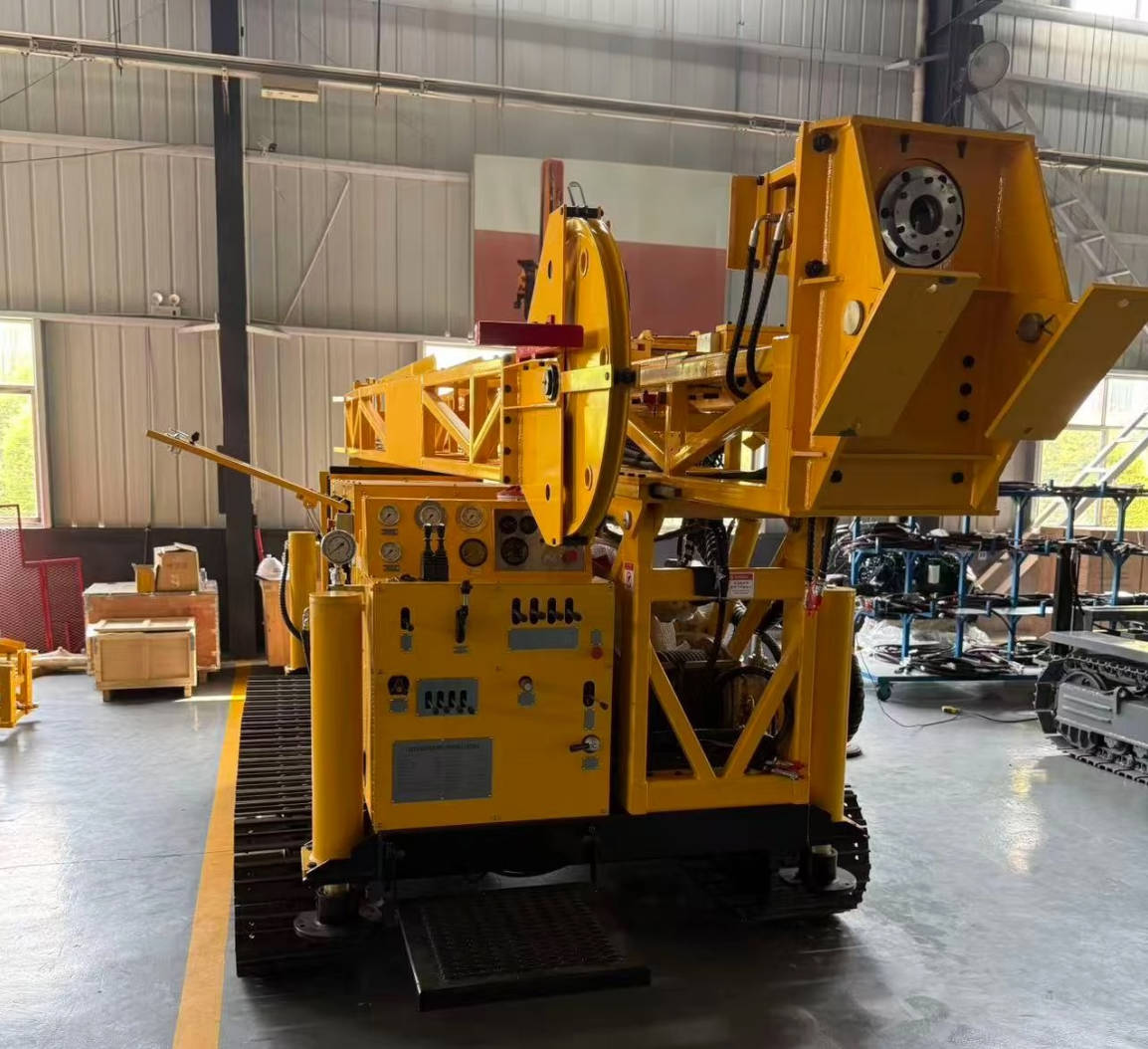
If your operation still relies heavily on low‑speed rotary drilling in critical resource or geotechnical zones, the data risk is significant. To translate this comparison into action:
- Evaluate current sampling integrity against structural and geochemical variability in your resource model.
- Pilot high-speed hydraulic wireline diamond core drilling in one or two key projects.
- Consult CORTECH's engineering team to match rig configurations, bits, and wireline systems to your geology and depth profile. [en.cortech]
Adopting modern high‑speed core drilling technology is not only a mechanical upgrade—it is a direct investment in more reliable decisions, shorter project timelines, and fewer costly surprises.
High‑speed hydraulic diamond core drilling uses controlled RPM, optimized WOB, and wireline retrieval to cut and capture intact cores while minimizing mechanical shock and fluid‑induced disturbance. [safetyculture]
Low‑speed rotary methods remain effective for fast overburden penetration, shallow reconnaissance, and situations where detailed structural and geotechnical data are not required. They are often paired with wireline coring in a hybrid strategy. [eureka.patsnap]
Drilling fluids can either protect or damage core samples. Properly engineered fluids stabilize the borehole and cool the bit, while excessive pump rates or unsuitable fluid formulations can wash away fines and disturb fragile intervals. [chinamine-safety.gov]
Wireline systems allow rapid, low‑shock core retrieval through the rods, and triple‑tube barrels shield the core inside an inner liner, reducing abrasion and fluid contact. These features significantly improve sample preservation. [rankingbit]
Operators should focus on accurate rig alignment, controlled bit entry, stable RPM and WOB, optimized fluids, gentle breakthrough, and disciplined core handling and documentation from the drill site to the core shed. [palsatech]
1. SafetyCulture – [Link]Core Drilling: What is it & How Does It Work?[Link]
https://safetyculture.com/topics/core-drilling [safetyculture]
2. Defusco – [Link]What Is Core Drilling? Process, Equipment, and Best Uses[Link]
https://www.defusco.com/what-is-core-drilling/ [defusco]
3. RankingBit – [Link]Core Sampling: Methods and Flawless Core Recovery[Link]
https://rankingbit.com/core-sampling-guide/ [rankingbit]
4. MT/T 1076‑2008 – [Link]Coal Geological Drilling Specifications[Link] (Chinese standard PDF)
https://www.chinamine-safety.gov.cn/zfxxgk/fdzdgknr/zcfg/hybz_01/mkanj/201910/P020210202593686867595.pdf [chinamine-safety.gov]
5. Palsatech – [Link]What are best practices for core sample handling?[Link]
https://palsatech.fi/what-are-best-practices-for-core-sample-handling/ [palsatech]
6. GEUS – [Link]Guideline to Core and Sample Handling at GEUS[Link]
https://data.geus.dk/pure-pdf/GEUS_Core_and_sample_Handling%20_2026_11.pdf [data.geus]
7. CORTECH – [Link]An Expert Look at Modern Hydraulic Core Rigs[Link]
https://www.cortechdrilling.com/drilling-technology-for-the-times-an-expert-look-at-modern-hydraulic-core-rigs.html [cortechdrilling]
8. CORTECH – [Link]Top 10 Hydraulic Drilling Machine Manufacturers in China[Link]
https://en.cortech.cn/blogdetails/79.html [en.cortech]


