
Views: 258 Author: CORTECH Publish Time: 2026-07-13 Origin: Site


Content Menu
● Understanding Rod Handling in Core Surface Drilling
● Automatic Rod Handling: How It Works
● Manual Loading: Traditional Practices on Surface Rigs
● Safety Comparison: Automatic vs. Manual Rod Handling
>> Key Safety Risks in Manual Loading
>> How Automatic Rod Handling Improves Safety
● Productivity Comparison: Cycle Time, Meterage, and Cost
>> Manual Loading Productivity Characteristics
>> Automatic Rod Handling Productivity Gains
● Comparative Table: Safety and Productivity Factors
● Designing for Safety and Throughput
● When Manual Loading Still Makes Sense
● Practical Implementation Steps for Drilling Contractors
● Automation, Multi‑Rig Campaigns, and Hands‑Off Work
● Conclusion and Targeted Call to Action
● FAQs
>> 1. Is automatic rod handling always safer than manual loading?
>> 2. How does automatic rod handling affect drilling cycle time?
>> 3. What projects justify the investment in automatic rod handling?
>> 4. Can CORTECH customize rod handling solutions for different drilling conditions?
>> 5. How should contractors transition from manual loading to automatic rod handling?
Automatic rod handling systems dramatically reduce operator risk while delivering more consistent productivity than manual loading, especially on modern full-hydraulic diamond core rigs like CORTECH's CORE SURFACE DRILL series. However, manual rod handling still plays a role in smaller, low‑CAPEX projects where budget and site conditions limit automation. [cortechdrilling]

In mineral exploration and geotechnical drilling, rod handling refers to how drill rods and core barrels are added, removed, and stored during the drilling cycle. On CORTECH full‑hydraulic rope core diamond drilling rigs, this cycle repeats thousands of times per campaign, making rod handling a primary driver of both safety KPIs and cost per meter. [cortechdrilling]
Automatic rod handling uses engineered systems (rod magazines, manipulators, arms, or hands‑free loaders) to move rods and core barrels without direct manual lifting. Manual loading relies on drill assistants physically lifting, aligning, and threading rods using tongs and wrenches around live rotating equipment. [northernminer]
Automatic rod handling systems typically integrate three core elements on a surface core rig: a rod storage cassette, a transfer arm or handler, and an operator control interface. On advanced rigs, the operator loads drill sequences from the cabin and the system retrieves rods from the cassette, presents them to the rod handler, and completes connections with minimal human intervention in the "hot zone." [easterncapeindustrialnews.co]
Hands‑free systems now automate both rods and core barrels, further reducing manual touchpoints and aligning with stricter safety regulations in mining jurisdictions. In CORTECH's full‑hydraulic diamond core rigs, similar engineered solutions can be integrated or customized in OEM/ODM projects to match client rod diameters, depth profiles, and site ergonomics. [cortechdrilling]
Manual rod loading has been the standard for decades in exploration drilling camps around the world. A typical workflow involves helpers lifting rods from a rack, physically positioning them over the drill string, and using hand tools to connect, break, and spin rods during tripping and core retrieval. [hhilifting]
This method is flexible and low‑CAPEX—crews can adapt to changing ground conditions without complex mechanical systems—but puts people in close proximity to rotating components, suspended loads, and pinch points. On surface core rigs, manual loading also concentrates fatigue and repetitive strain on a small crew, which can degrade productivity over long shifts. [entra-eg]
Manual rod handling exposes drilling teams to several well‑documented risks:
- Live work around rotating equipment – Operators stand in the fire zone near spinning rods and chucks. [northernminer]
- Musculoskeletal injuries – Repetitive lifting and twisting at awkward angles drive chronic strain and acute injuries. [easterncapeindustrialnews.co]
- Runaway tubes and dropped rods – In up‑hole and inclined drilling, uncontrolled inner tube movement can create high‑energy impact hazards. [northernminer]
Sponsored safety interviews and OEM case studies emphasize that manual rod handling is a priority focus area for risk reduction in modern exploration programs. Regulators and mine operators increasingly expect contractors to demonstrate "hands‑off" solutions where feasible. [easterncapeindustrialnews.co]
Automatic rod magazines and hands‑free loading systems address these risks by:
- Removing people from the hot zone – Rods are moved between cassette and rig by automated arms; operators stay at the control station. [northernminer]
- Eliminating manual lifting – Magnetic or jaw‑type handlers lift and position rods and core barrels without human strain. [easterncapeindustrialnews.co]
- Standardizing safe cycles – Automation enforces repeatable motion paths and interlocks, reducing human error around heavy equipment. [northernminer]
Epiroc's Diamec Arm system and similar solutions are cited as "game changers" for live work elimination, demonstrating faster setup and fewer exposure incidents in underground drilling—benefits that translate directly to surface core operations. Hands‑free rod loading systems also support compliance with tightening government safety regulations. [easterncapeindustrialnews.co]
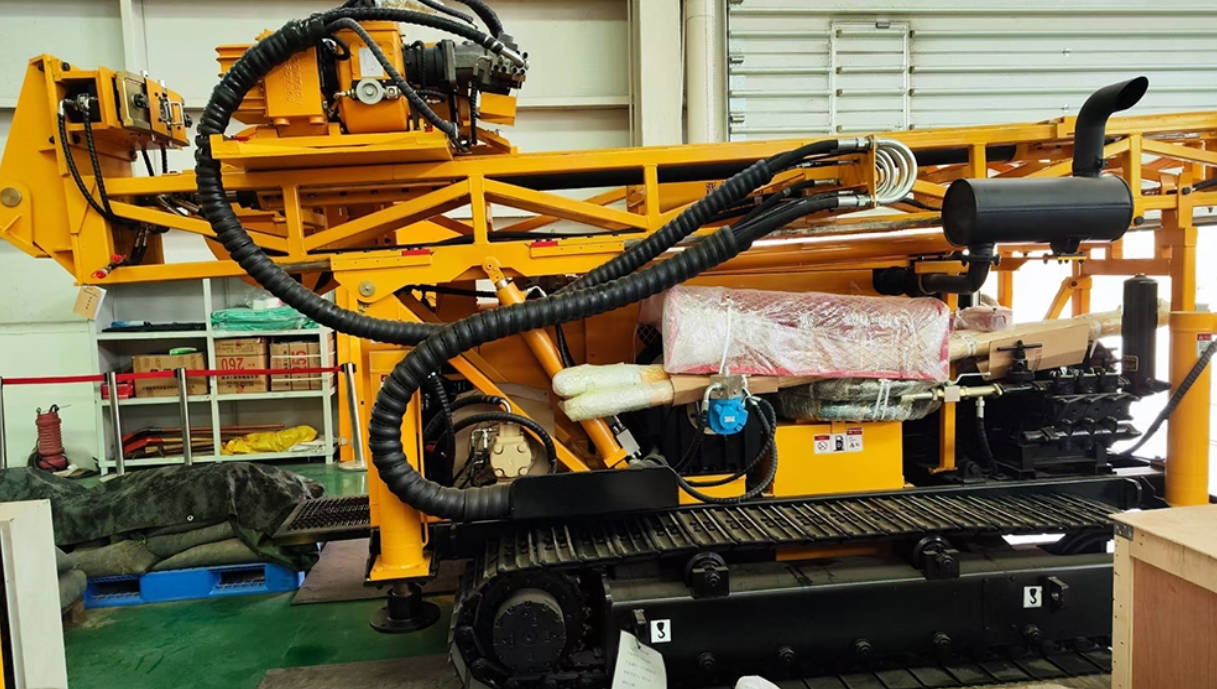
Manual rod handling productivity depends heavily on crew skill, fatigue, and shift length. When experienced drillers are fresh, manual loading can support acceptable cycle times on lower‑depth programs, but performance often degrades as: [hhilifting]
- Operators tire over 10–12 hour shifts.
- Weather and ground conditions increase rod weight and handling difficulty.
- Turnover forces constant retraining of helpers. [hhilifting]
Manual material handling in industrial settings is consistently documented as slower, less scalable, and more variable than automated systems—a pattern that mirrors rod handling on drilling rigs. [entra-eg]
Automatic rod handling systems deliver productivity gains through:
- Shorter cycle times – Automated rod magazines can retrieve and position the next rod faster and more consistently than human crews. [northernminer]
- Reduced downtime – Fewer handling‑related incidents and injuries mean less unplanned stoppage. [entra-eg]
- Higher meters per shift – Stable, repeatable cycles contribute to higher average penetration and core recovery across campaigns. [cortechdrilling]
Industry interviews report "dramatically improved drilling cycle times" as automation features like backend systems and rod magazines are deployed. Hands‑free rod handling also lowers operating costs by reducing labour intensity and limiting manual intervention in core barrel operations. [entra-eg]
Below is a concise comparison for Automatic Rod Handling vs. Manual Loading on surface core rigs:
| Factor | Automatic Rod Handling | Manual Loading |
|---|---|---|
| Operator exposure to hot zone | Very low; operators stay at control station. northernminer | High; helpers work near rotating rods and chucks. northernminer |
| Manual lifting & strain | Minimal; rods moved by mechanical arms/magnets. easterncapeindustrialnews.co | High; repetitive lifting and twisting under load. easterncapeindustrialnews.co |
| Cycle time consistency | High; standardized automated sequences. northernminer | Variable; depends on crew skill and fatigue. northernminer |
| Compliance with safety regulations | Easier; aligns with hands‑off work expectations. northernminer | Harder; more exposure events to manage. northernminer |
| CAPEX requirement | Higher; investment in automation hardware. easterncapeindustrialnews.co | Lower; relies on tools and labour. entra-eg |
| Suitability for deep multi‑rig campaigns | Excellent; supports high meterage and multi‑rig coordination. cortechdrilling | Limited; fatigue and safety constraints scale poorly. northernminer |
From an OEM/ODM manufacturer perspective, CORTECH's role is to embed safety and productivity into the rig platform itself, not treat rod handling as an afterthought. With full‑hydraulic diamond core surface rigs delivered to customers in more than 55 countries, CORTECH sees three recurring priorities in client discussions: [cortechdrilling]
- Hands‑off operation wherever feasible – Clients ask for rod handling systems that keep people out of harm's way while meeting local safety codes. [easterncapeindustrialnews.co]
- Stable cost per meter – Multi‑rig programs need predictable productivity and minimal downtime; automation is a key lever. [cortechdrilling]
- Customization to geology and program design – Rod diameters, depth targets, and operating envelopes vary widely, pushing OEMs to tailor handling solutions. [cortechdrilling]
By integrating automatic rod handling options into CORE SURFACE DRILL configurations, CORTECH helps exploration teams bridge the gap between traditional manual practices and modern, highly engineered safety systems. [cortechdrilling]

Despite clear advantages of automatic rod handling, experienced drilling and safety professionals note that manual loading remains relevant in specific scenarios: [entra-eg]
- Small, short‑term projects – Where depth is limited and program duration is short, the ROI on automation may not justify capital expenditure. [hhilifting]
- Remote or constrained sites – Camps with limited mechanical support or transport capacity may rely on simpler rig configurations. [entra-eg]
- Training and skills development – Some contractors use manual loading as a transitional step while crews learn rig fundamentals before transitioning to automated systems. [northernminer]
Industry material handling analyses highlight that manual methods can still deliver acceptable performance in low‑volume, low‑complexity environments, provided strong safety controls are in place. For CORTECH customers, this means matching rod handling strategy to project scale, not simply choosing automation by default. [cortechdrilling]
For contractors evaluating Automatic Rod Handling vs. Manual Loading on CORTECH rigs, a structured decision process improves outcomes: [airtechnical]
1. Map program requirements
- Target depths, expected meterage per rig, rig count, and campaign duration. [cortechdrilling]
2. Quantify current safety exposure
- Track near misses, manual handling incidents, and time spent in the hot zone. [easterncapeindustrialnews.co]
3. Model productivity scenarios
- Compare manual cycle times to benchmarks from automated systems, using industrial material handling data and OEM guidance. [hhilifting]
4. Align with regulatory expectations
- Review local safety requirements for live work and manual handling around rotating plant. [northernminer]
5. Select rig configuration and options
- Use CORTECH's OEM/ODM capabilities to specify rod magazines, handlers, and control systems that match your program. [cortechdrilling]
This process makes the safety and productivity comparison quantitative, enabling drilling managers to demonstrate to mine operators and investors why an automatic rod handling upgrade delivers measurable value. [airtechnical]
Recent field reports and OEM content highlight three major trends shaping rod handling decisions: [cortechdrilling]
- Multi‑rig core drilling strategies – Operators are coordinating several rigs with standardized automated systems to boost total meterage and reduce cost per meter. [cortechdrilling]
- Hands‑free systems beyond rods – Solutions that automate core barrel operations—rather than only rod movement—are gaining traction for holistic safety improvements. [easterncapeindustrialnews.co]
- Safety‑driven innovation at conferences – OEMs are launching new up‑hole safety devices and braking mechanisms at events like PDAC, focusing on live work elimination. [northernminer]
CORTECH's full‑hydraulic diamond rigs fit neatly into this landscape, offering a robust platform that can integrate emerging rod handling technologies as they mature. For exploration teams, this means investing in rigs that are future‑ready for next‑generation automation. [cortechdrilling]
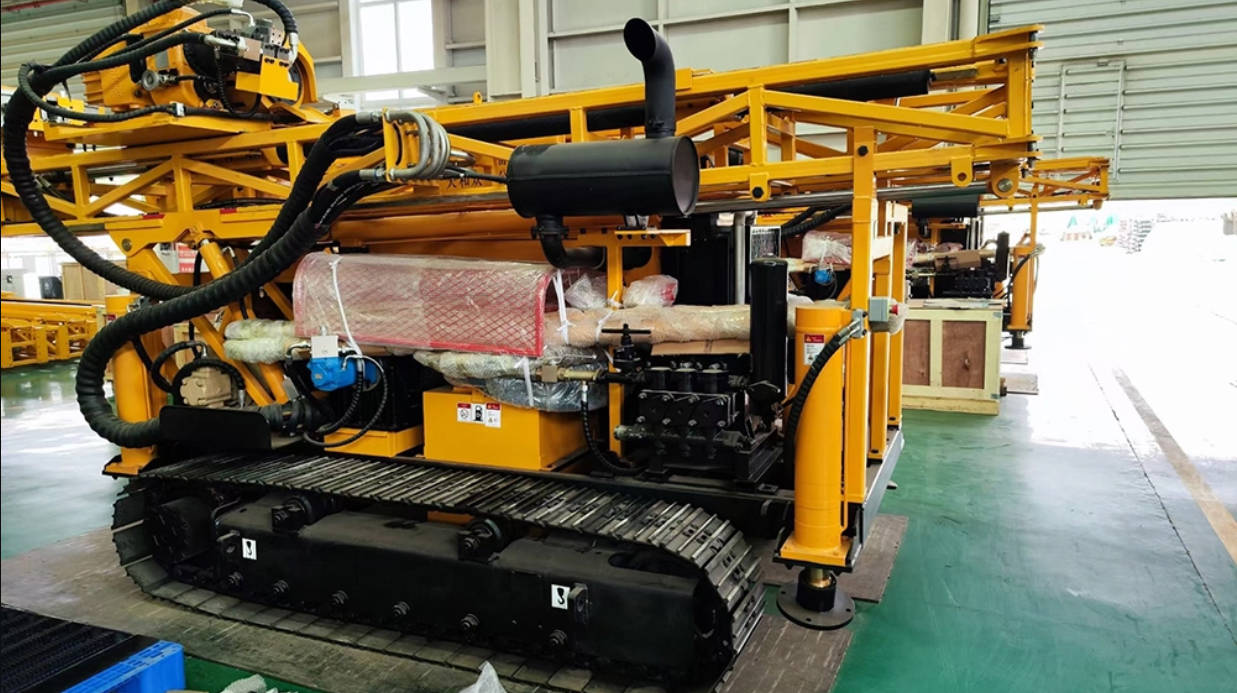
For modern mineral exploration and geotechnical programs, automatic rod handling clearly outperforms manual loading in both safety and productivity, particularly on deep, multi‑rig campaigns where consistency and regulatory compliance are non‑negotiable. Manual loading still has a place in limited‑scope projects, but its risk profile and performance variability require careful management. [hhilifting]
If you are planning or upgrading a core drilling program, consider specifying CORTECH CORE SURFACE DRILL rigs with integrated or ready‑for‑retrofit automatic rod handling solutions to reduce exposure, stabilize meterage, and future‑proof your operation. Contact CORTECH's engineering team to discuss project‑specific rod handling configurations and OEM/ODM options aligned with your safety and productivity goals. [cortechdrilling]
Automatic rod handling consistently reduces direct human exposure to rotating equipment, suspended loads, and pinch points compared with manual loading. However, system design quality, maintenance, and operator training still determine overall safety performance on site. [entra-eg]
Automated systems shorten and standardize rod addition and removal cycles, which translates into faster overall drilling sequences and higher average meters per shift. Manual loading cycle times fluctuate more with crew experience and fatigue, making long‑term productivity less predictable. [hhilifting]
Deep, long‑duration exploration campaigns, multi‑rig programs, and sites with strict safety regulations typically see the strongest ROI from automatic rod handling. Smaller, short‑term projects may remain viable with manual loading if strong safety controls and supervision are in place. [cortechdrilling]
Yes. As a specialist manufacturer of full‑hydraulic diamond core rigs, CORTECH offers OEM/ODM customization to match rod sizes, depth targets, and site constraints, including integration of automatic rod magazines and hands‑free handling options. This ensures that rod handling systems align with each customer's safety standards and productivity objectives. [cortechdrilling]
A practical transition roadmap involves assessing current incident data, benchmarking cycle times, engaging crews in safety workshops, and piloting automated systems on selected rigs before wider rollout. OEM support from CORTECH and other suppliers can help with design, training, and performance monitoring during this changeover. [cortechdrilling]
1. CORTECH Drilling – China CORE SURFACE DRILL Manufacturer (Full‑Hydraulic Diamond Core Drilling Rigs): https://www.cortechdrilling.com/core-surface-drill.html [cortechdrilling]
2. CORTECH Drilling – Full Hydraulic Diamond Core Drilling Rig / Core Drilling Rig / Diamond Core Drilling Rig Manufacturer: https://www.cortechdrilling.com/ [cortechdrilling]
3. CORTECH Drilling – How Multi‑Rig Core Drilling Delivers Better Results: Lessons from the Field and CORTECH's Full‑Hydraulic Diamond Rigs: https://www.cortechdrilling.com/how-multi-rig-core-drilling-delivers-better-results-lessons-from-the-field-and-cortech-s-full-hydraulic-diamond-rigs.html [cortechdrilling]
4. The Northern Miner / Epiroc – Sponsored Q&A: Automation rises as drilling faces safety pressure: https://www.northernminer.com/news/jv-qa-automation-rises-as-drilling-faces-safety-pressure/1003888882/ [northernminer]
5. Eastern Cape Industrial News – Hands-free rod handling system enhances safety and productivity: https://easterncapeindustrialnews.co.za/hands-free-rod-handling-system-enhances-safety-and-productivity/ [easterncapeindustrialnews.co]
6. Entra – Material Handling: Boost Productivity & ROI: https://entra-eg.com/material-handling/ [entra-eg]
7. HHI Lifting – Manual Vs. Automated Material Handling: Know the Difference: https://www.hhilifting.com/en/news/post/manual-vs-automated-material-handling [hhilifting]
8. Air Technical Industries – Industrial Upenders vs Manual Load Flipping: Safety & Efficiency Comparison: https://airtechnical.com/industrial-upenders-vs-manual-load-flipping-a-complete-safety-efficiency-comparison/ [airtechnical]


