
Views: 239 Author: CORTECH Publish Time: 2026-07-16 Origin: Site


Content Menu
● Understanding Diamond Bit Penetration
● What Defines a High-Torque Core Rig?
● What Defines a High-RPM Core Rig?
● How Torque and RPM Work Together
● Formation-Driven Choices: Where High-Torque Rigs Excel
● Formation-Driven Choices: Where High-RPM Rigs Excel
● Side-by-Side Comparison: High-Torque vs. High-RPM Focus
>> Operational Characteristics
● Lessons from Modern All-Hydraulic Surface Rigs
● Advanced Optimization: Matching Rig Profile, Bit Matrix, and Formation
>> Step 1: Classify Formation Windows
>> Step 2: Select Bit Matrix and Initial Rig Profile
>> Step 3: Iteratively Tune WOB, RPM, and Torque
● Data-Driven Optimization and Telemetry
● Operator Experience and Control Design
● Choosing Between High-Torque, High-RPM, and Hybrid Platforms
● FAQs
>> Q1: Does higher RPM always mean faster diamond bit penetration?
>> Q2: When should I prioritize a high-torque rig over a high-RPM setup?
>> Q3: Can one hydraulic rig platform handle both high-torque and high-RPM profiles?
>> Q4: How do I know if my bit matrix is too hard or too soft for my rig?
>> Q5: What data should I capture to optimize torque and RPM over time?
Diamond core drilling performance is rarely about choosing between force and speed; it is about aligning the rig's torque and rotation rate with the bit design, formation characteristics, and operating practices in the field. When these elements work together, diamond bits cut efficiently, core recovery improves, and projects achieve predictable meters per shift. When they are misaligned, even the most advanced surface coring rigs struggle with stalled heads, polished bits, and inconsistent penetration.
As a drilling engineer or project manager working with modern hydraulic core rigs, the real question is not "high-torque or high-RPM?" but "how do we configure torque, RPM, and bit selection to match each formation interval?" This article explores that question from a practical, operation-focused perspective, with specific attention to all-hydraulic wireline rigs such as CORTECH's CORE SURFACE DRILL line.

Diamond bit penetration in core drilling is controlled by a combination of mechanical and geological factors. At the rig level, the key controllable variables are rotation speed, torque at the spindle, and weight on bit. At the bit level, matrix hardness, crown design, and diamond quality determine how effectively cutting edges engage the rock. At the formation level, abrasiveness, structure, and fluid response influence how the bit behaves under load.
When rotation speed is too high relative to available torque and bit design, diamonds tend to polish rather than cut. The bit may feel smooth at the console, but actual penetration slows and motor loads spike. When torque is sufficient and rotation speed is set appropriately for the matrix and formation, diamonds bite into the rock, cuttings clear from the face, and the bit advances with a distinct, stable feel at the head. Achieving this balance is the foundation of any serious comparison between high-torque and high-RPM rigs.
A high-torque core rig is engineered to maintain strong rotational force at the bit even when conditions are demanding. This usually comes from high-displacement hydraulic motors, robust gear reduction in the rotation head, and power packs sized for continuous operation at elevated torque levels. The result is a rig that can sustain rotation under higher weight on bit and through intervals where the hole tends to bind or the bit encounters alternating hard and soft bands.
From an operator's perspective, a high-torque rig feels stable under load. When the bit enters abrasive or broken ground, rotation speed may drop slightly but does not stall abruptly. The rig can carry a tougher bit matrix, knowing that the available torque will keep diamonds engaged. This profile is particularly valuable when drilling long surface holes through complex geology where unforeseen tight spots or difficult layers are common.
A high-RPM core rig prioritizes rotation speed and is typically designed to spin the bit significantly faster across its operating range. While such rigs may still offer respectable torque, their defining feature is the ability to reach and sustain high rotation rates suitable for softer, more homogeneous formations. In these conditions, higher RPM can deliver impressive penetration with moderate weight on bit when paired with an appropriate bit matrix.
From the rig crew's point of view, high-RPM operation feels responsive and productive. Through softer or uniform formations, the bit cuts quickly, the rig advances steadily, and the shift yields a high number of meters. However, if torque reserves are insufficient for the selected matrix or the rig is pushed into harder ground without adjustment, the combination of high RPM and inadequate torque can lead to polishing, erratic torque spikes, and head stalls that undermine the apparent speed advantage.
Torque and RPM are not independent choices; they sit on the same performance curve. For any given formation and bit, there is a window where weight on bit, rotation speed, and available torque combine to deliver efficient penetration without overloading the system. Below this window, penetration is slow and energy is underutilized. Above it, the bit begins to polish or the rig approaches its stall limit.
Field experience on modern hydraulic rigs shows a similar pattern: crews start with conservative settings, gradually increase RPM while monitoring torque, vibration, and rate of advance, and then back off once the system approaches a known threshold. When torque is ample, it is possible to raise RPM and achieve higher penetration without instability. When torque is marginal, the safest and most productive approach is often to reduce RPM slightly, increase or stabilize weight on bit, and rely on the rig's torque to maintain cutting force.
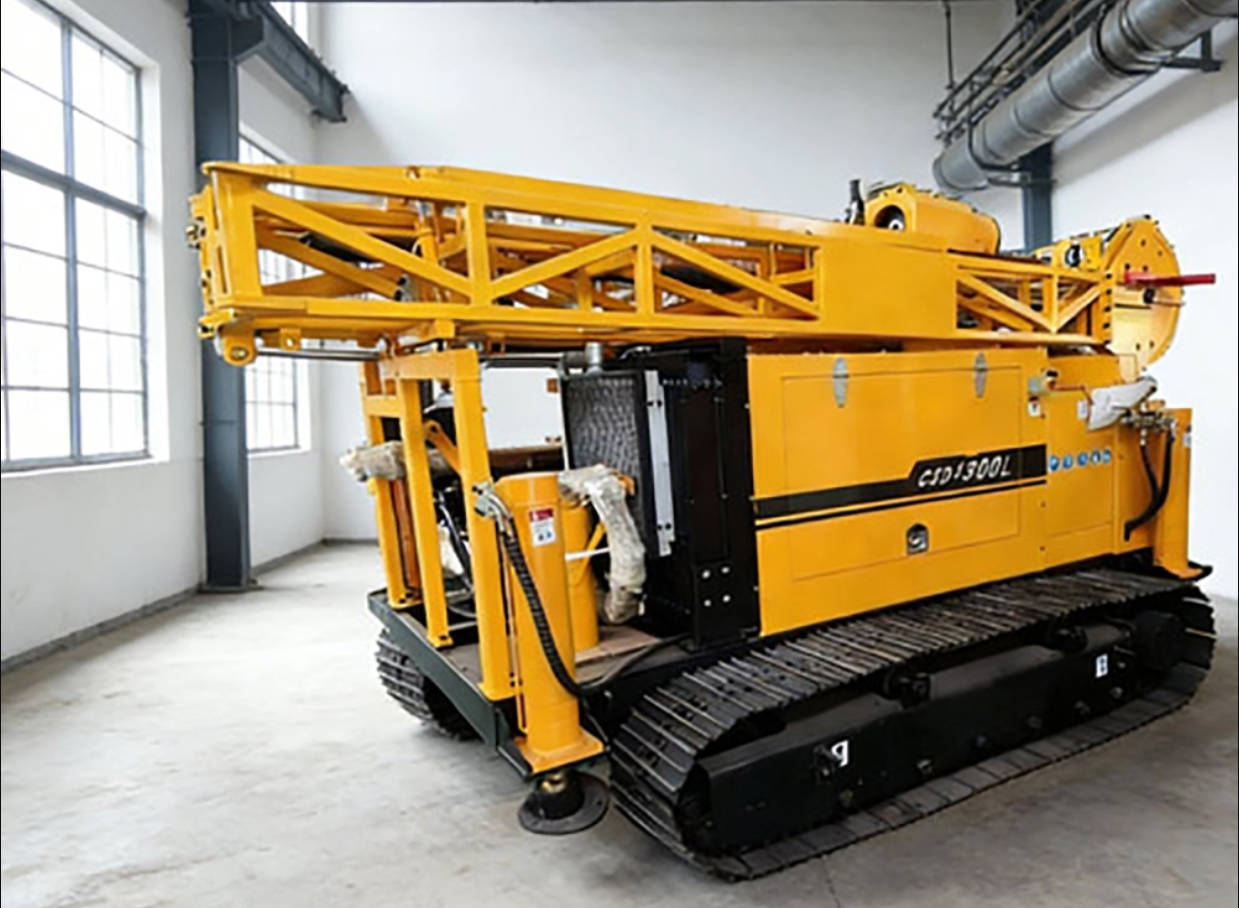
High-torque rigs tend to deliver the best results in abrasive, highly fractured, or variable formations. In these conditions, the bit frequently encounters uneven loading. Sections of hard rock, broken zones, and non-uniform bedding can cause sudden resistance changes at the bit face. A rig that cannot hold rotation under these swings will experience repeated stalls, increased risk of bit damage, and poor overall penetration.
With a high-torque profile, crews can:
- Apply higher weight on bit while maintaining rotation.
- Pair the rig with tougher bit matrices that resist crown loss.
- Operate at moderate RPM that keeps diamonds cutting rather than polishing.
- Accept a certain amount of formation variability without constant adjustments.
In practice, this often leads to better overall productivity in difficult ground, even if instantaneous meters per minute appear lower than in softer formations. The key advantage is consistency: the rig keeps moving, the bit stays engaged, and the hole progresses as planned.
High-RPM rigs come into their own in softer, more homogeneous formations where bit loading is predictable. Here, the primary goal is often maximizing meters per day rather than surviving challenging intervals. With the right softer matrix, increased rotation speed allows diamonds to continuously expose fresh cutting edges, and the bit advances quickly with lower weight on bit.
In these formations, crews can:
- Run higher RPM with controlled weight on bit.
- Use softer matrices designed for fast cutting at elevated speeds.
- Maintain smooth, rapid penetration with reduced risk of sudden stalls.
- Achieve high productivity per rig and per crew shift.
The main risk is carrying this high-RPM profile into harder or more variable zones without adjustment. When the formation changes, the same settings can produce polishing, overheating, and premature bit wear. Effective teams recognize these transition points and adjust torque, RPM, and bit selection before performance deteriorates.
Rotation range. High-torque rigs typically operate in a lower to medium RPM range, emphasizing stable rotation under load. High-RPM rigs target medium to high RPM ranges, emphasizing speed but requiring careful torque management.
Bit matrix pairing. High-torque rigs are often paired with tougher matrices that can withstand high loads, intermittent binding, and abrasive conditions. High-RPM rigs are typically matched with softer matrices that keep diamonds exposed at speed and deliver rapid cutting.
Formation suitability. High-torque profiles perform best in hard, abrasive, or fractured formations with significant variability along the hole. High-RPM profiles perform best in softer, uniform formations where bit behavior is predictable and hole conditions are stable.
Risk profile. High-torque rigs reduce the risk of rotation loss and bit polishing in difficult ground but may impart greater mechanical stress on drive components and gear trains. High-RPM rigs deliver impressive penetration in suitable formations but can increase thermal and wear stress on bits and raise the risk of stalls if torque margins are narrow.
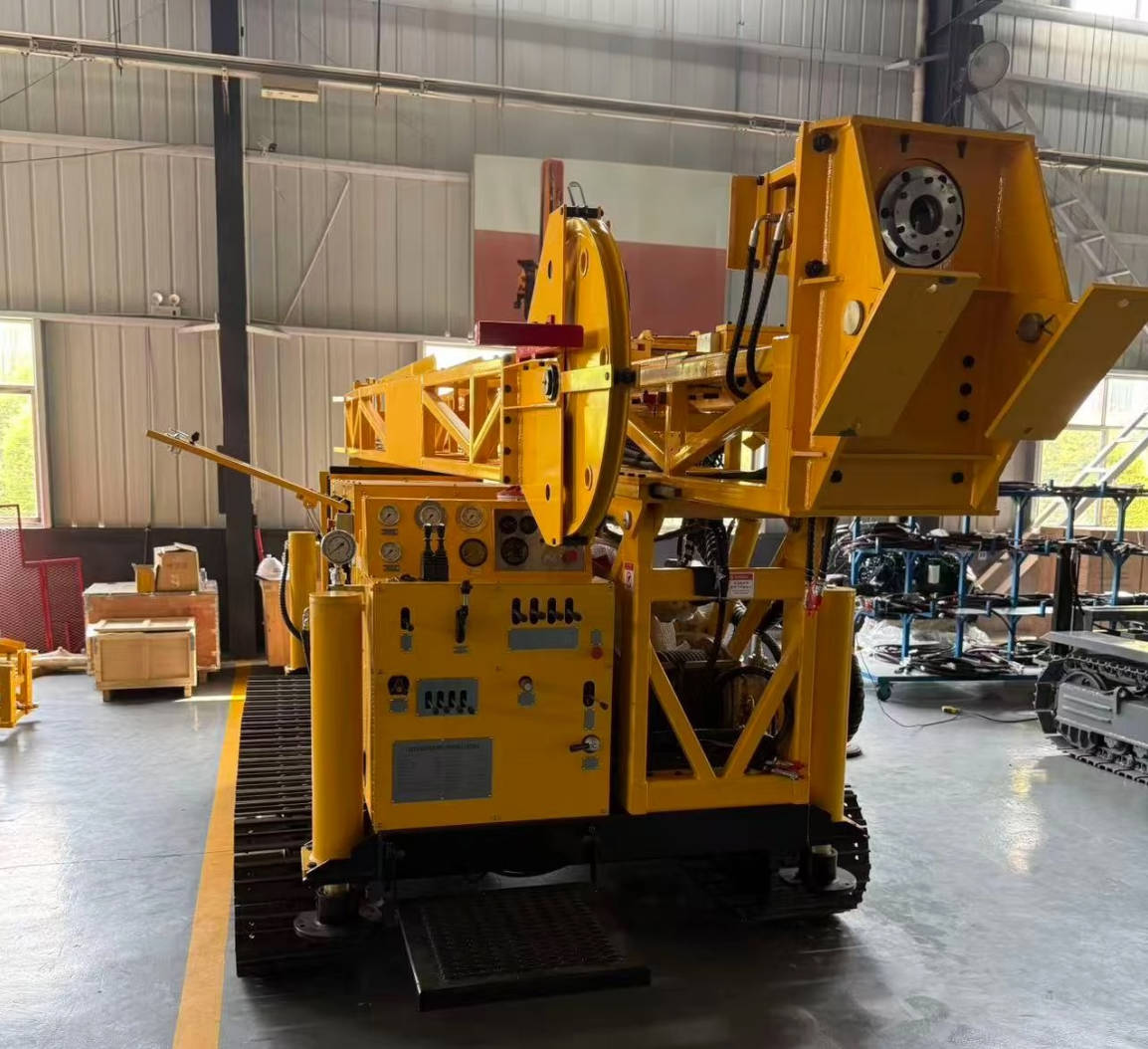
Recent generations of all-hydraulic diamond core rigs, including CORTECH's CORE SURFACE DRILL line, are designed to cover both high-torque and high-RPM requirements within a single platform. High-displacement hydraulic motors, flexible gearing, and carefully matched power packs give these rigs broad operating envelopes. Crews can move along the torque–RPM curve rather than being locked into a single profile.
Several practical lessons emerge from multi-hole, multi-rig surface campaigns using such platforms:
- Standardized torque and RPM windows for each formation type improve consistency across crews and shifts.
- Common rig families simplify bit selection and matrix stocking because the operating ranges are known and repeatable.
- Operators benefit from control panels that present rotation speed and load in clear, intuitive ways, making it easier to stay within proven performance zones.
- Project managers gain more reliable cost-per-meter forecasting when rigs behave predictably under both difficult and easy conditions.
The overarching theme is that a flexible hydraulic platform turns the high-torque vs. high-RPM debate into an operational setting rather than a fixed hardware decision.
For drilling engineers looking beyond basic setup, matching rig profile, bit matrix, and formation can be treated as a continuous improvement process. A practical approach involves three steps.
Before drilling a hole or program, classify the formations into windows based on abrasiveness, structure, and past performance. Identify sections known for broken ground, tight spots, or severe wear. Recognize intervals where previous projects achieved high penetration without excessive bit loss. This basic mapping provides the foundation for torque and RPM strategies.
For more abrasive or fractured windows, start with tougher bit matrices and a high-torque operating profile with moderate RPM and appropriate weight on bit. For softer, homogeneous intervals, select softer matrices and a higher-RPM profile that targets faster penetration. Document these starting settings so they can be used as reference for future holes and rigs.
Once drilling starts, use real penetration data and rig feedback to refine the setup. If torque loading remains low and penetration is slow, consider raising RPM or adjusting weight on bit while watching for signs of polishing. If torque spikes and the rig approaches stall conditions, reduce RPM slightly or adjust weight on bit to return to a stable window. Over time, this iterative tuning becomes a disciplined routine rather than trial and error.
As surface core operations become more instrumented, many teams are using rig telemetry and performance logs to build formation-specific operating maps. By recording torque, RPM, weight on bit, penetration rate, and bit type at short depth intervals, engineers can correlate operating conditions with actual performance. This helps identify the combinations that produce the best balance between penetration and bit life.
Over multiple holes, these data-driven maps reveal clear patterns:
- Certain combinations of torque, RPM, and matrix hardness consistently give superior advance in specific formations.
- Some settings appear attractive at the console but produce higher bit consumption without a proportional gain in meters.
- Transition zones between formations benefit from pre-planned adjustments rather than reactive changes after performance drops.
On modern hydraulic rigs, these insights can be built into operating guidelines, training materials, and simplified setpoint ranges on panels. The result is more predictable drilling performance and better use of rig capabilities.
Operator experience plays a decisive role in how well a rig's torque and RPM capabilities translate into actual performance. Even a powerful rig can underperform if controls are unintuitive or feedback is unclear. Conversely, a rig with well-designed interfaces can help crews stay within optimal ranges with less effort.
Key aspects of operator experience include:
- Clear indication of rotation speed and load, so crews understand where they are on the performance curve.
- Smooth, fine-step adjustments to rotation and weight on bit, enabling small, controlled changes rather than abrupt shifts.
- Ergonomic layouts that minimize fatigue and allow operators to focus on subtle changes in rig response.
- Training programs that connect control actions to bit behavior and formation characteristics, building intuitive understanding over time.
When rigs are designed around these principles, torque and RPM become practical tools rather than abstract numbers on a display.
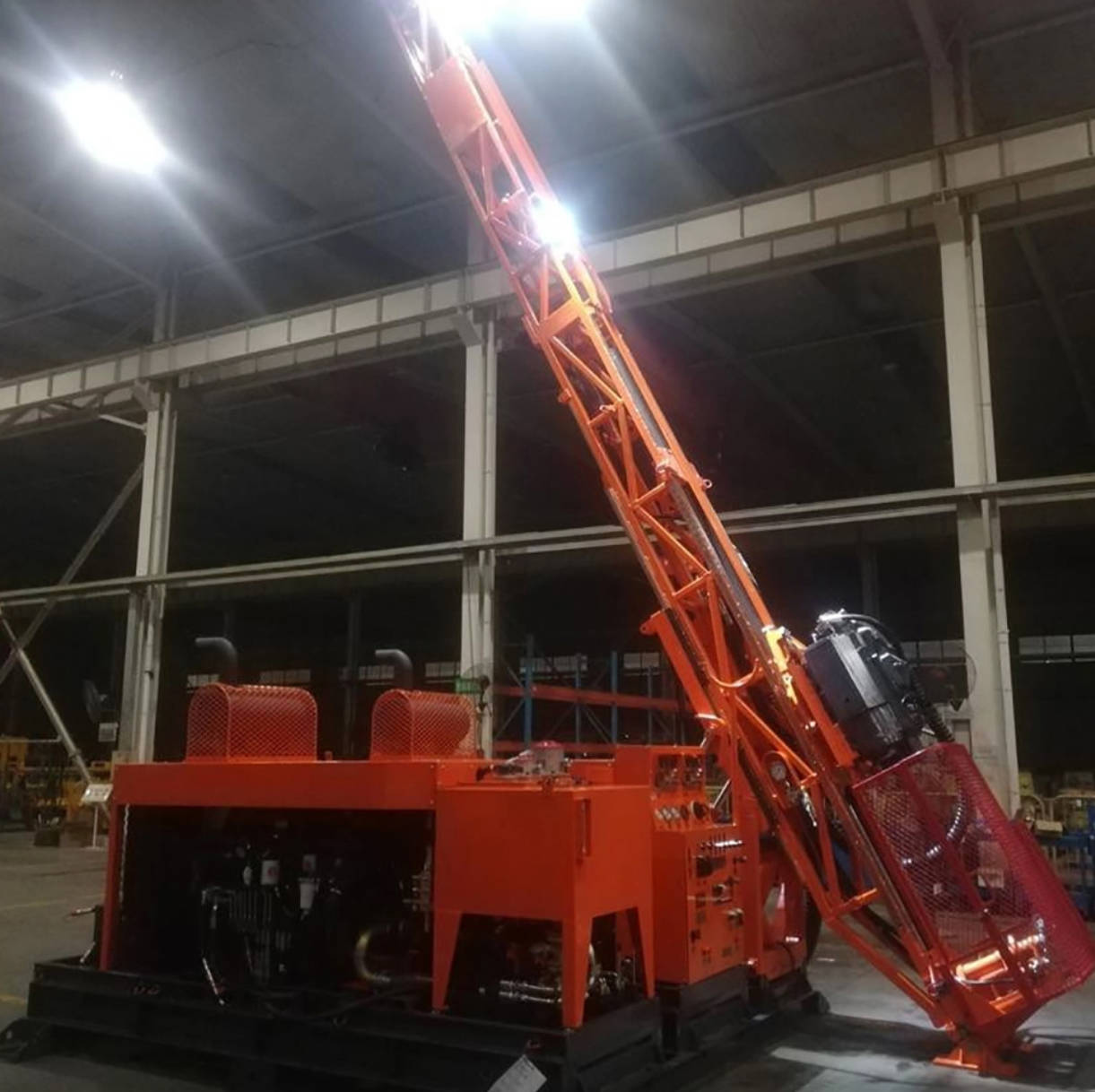
In real projects, crews and managers rarely have the luxury of choosing pure high-torque or pure high-RPM rigs for every hole. Projects often span mixed geology, changing objectives, and evolving budgets. Under these conditions, modern hydraulic platforms that support both operating modes offer a clear advantage.
A practical way to approach rig selection is:
- Favor high-torque capabilities when the project includes significant intervals of hard, abrasive, or fractured formations, or when previous work has revealed frequent stalls and bit damage.
- Favor higher-RPM capabilities where formations are generally softer and uniform, and where maximizing meters per day is the primary goal.
- Favor hybrid hydraulic platforms, such as full-hydraulic surface core rigs, when a project spans diverse conditions or involves multiple rigs, making flexibility and standardization especially valuable.
Ultimately, "better for diamond bit penetration" depends on how closely the rig profile matches the geology and bit selection strategy rather than on a simple label.
A1: No. Higher RPM improves penetration only when available torque, WOB, and bit matrix hardness are correctly matched to the formation; otherwise, the bit tends to polish and stall, reducing true advance.
A2: You should prioritize high‑torque rigs in abrasive, fractured, or variable formations where maintaining rotation under heavy load is more important than maximum speed, and where tougher matrices are required.
A3: Modern full‑hydraulic rigs like CORTECH's CORE SURFACE DRILL are designed to cover broad torque and RPM ranges so operators can switch between high‑torque and higher‑RPM profiles as geology changes.
A4: If penetration is slow and torque remains well below limits, the matrix may be too hard; if diamonds wear rapidly or the crown washes away under normal WOB, it may be too soft for your torque and RPM profile.
A5: Capture depth‑based logs of torque, RPM, WOB, bit type, penetration rate, and any stall or bit failure events; over multiple holes this data reveals the best operating envelopes per formation and rig configuration.
Content Menu
1. Boart Longyear – The Science of Drilling: Are You Getting the Most Out of Your Bits? [Link]
2. HUD Mining Supplies – Bit Selection Chart (Impregnated Bits) [Link]
3. CORTECH Drilling – CORE SURFACE DRILL Manufacturer Overview [Link]
4. CORTECH Drilling – How Multi-Rig Core Drilling Delivers Better Results: Lessons from the Field and CORTECH's Full-Hydraulic Diamond Rigs [Link]
5. NETL – Oil & Natural Gas Technology: Core Procedures [Link]
6. Tyrolit – Core Sample Drilling Tips for Efficient Core Drilling [Link]
7. OSTI – Smaller Footprint Drilling System for Deep Hard Rock [Link]
8. Hycon – Hydraulic Core Drill User Manual [Link]


