
Views: 222 Author: CORTECH Publish Time: 2026-06-22 Origin: Site


Content Menu
● Why Parts Choice Matters in Core Drilling
● OEM Drilling Rig Parts Explained
● Aftermarket Components Explained
● Warranty Risk and Compliance
● Field Maintenance Perspective
● Expert View from CORTECH's Perspective
● OEM vs. Aftermarket Comparison
● CTA
● FAQ
>> 1. Do aftermarket parts always void a drilling rig warranty?
>> 2. Which parts should usually stay OEM?
>> 3. Can aftermarket parts extend machine life?
>> 4. Are OEM parts always better than aftermarket?
>> 5. How can I reduce the risk when buying aftermarket parts?
For drilling contractors, exploration teams, and equipment owners, the choice between OEM drilling rig parts and aftermarket components is more than a purchasing decision. It directly affects machine lifespan, warranty protection, safety, and long-term operating cost. [cintrl]
In core drilling, where uptime, core recovery, and hydraulic reliability matter, that choice can shape whether a rig stays productive for years or becomes a maintenance burden. [cortechdrilling]

A drilling rig is a system, not a collection of isolated parts. A mismatch in seals, rods, bearings, hydraulic hoses, or wear parts can affect torque stability, pressure control, and overall mechanical life. [hw-drilling]
For full hydraulic diamond core drilling rigs, the impact is even more sensitive because the drivetrain, power head, hydraulic circuit, and coring tools must work together under load. [cortechdrilling]
In simple terms: the wrong part may save money today but increase downtime, wear, and warranty risk tomorrow. [miller-bradford]
OEM parts are made by the original manufacturer or to the original machine specification. They are designed to fit the rig's intended tolerances, materials, and performance requirements. [equipmentshare]
This matters in core drilling because precise fit affects alignment, hydraulic efficiency, and load distribution across key assemblies. [cintrl]
OEM parts are often the safer choice for new rigs, critical systems, and warranty-covered equipment. [miller-bradford]
- Exact compatibility with the original machine design. [equipmentshare]
- Better warranty protection on many equipment types. [miller-bradford]
- More predictable performance in critical assemblies. [equipmentshare]
- Lower risk of fitment errors, premature wear, or fluid leakage. [cintrl]
- Higher purchase price. [equipmentshare]
- Sometimes slower sourcing for older or discontinued models. [equipmentshare]
- Less flexibility for cost optimization or specialty upgrades. [equipmentshare]
Aftermarket components are produced by third-party manufacturers rather than the original equipment maker. [equipmentshare]
A good aftermarket part can be a practical option when the goal is to reduce cost, restore function on an older rig, or improve supply speed. [linkedin]
But quality varies widely, so procurement discipline matters more here than with OEM parts. [equipmentshare]
- Lower upfront cost. [equipmentshare]
- Broader supplier choices. [equipmentshare]
- Faster availability for some items. [equipmentshare]
- Possible value for older rigs or non-critical wear items. [linkedin]
- Uneven quality across suppliers. [equipmentshare]
- Compatibility issues if the part number or tolerance is wrong. [equipmentshare]
- Higher chance of counterfeit or low-grade products in weak supply chains. [equipmentshare]
- Potential warranty conflict with the equipment maker. [miller-bradford]
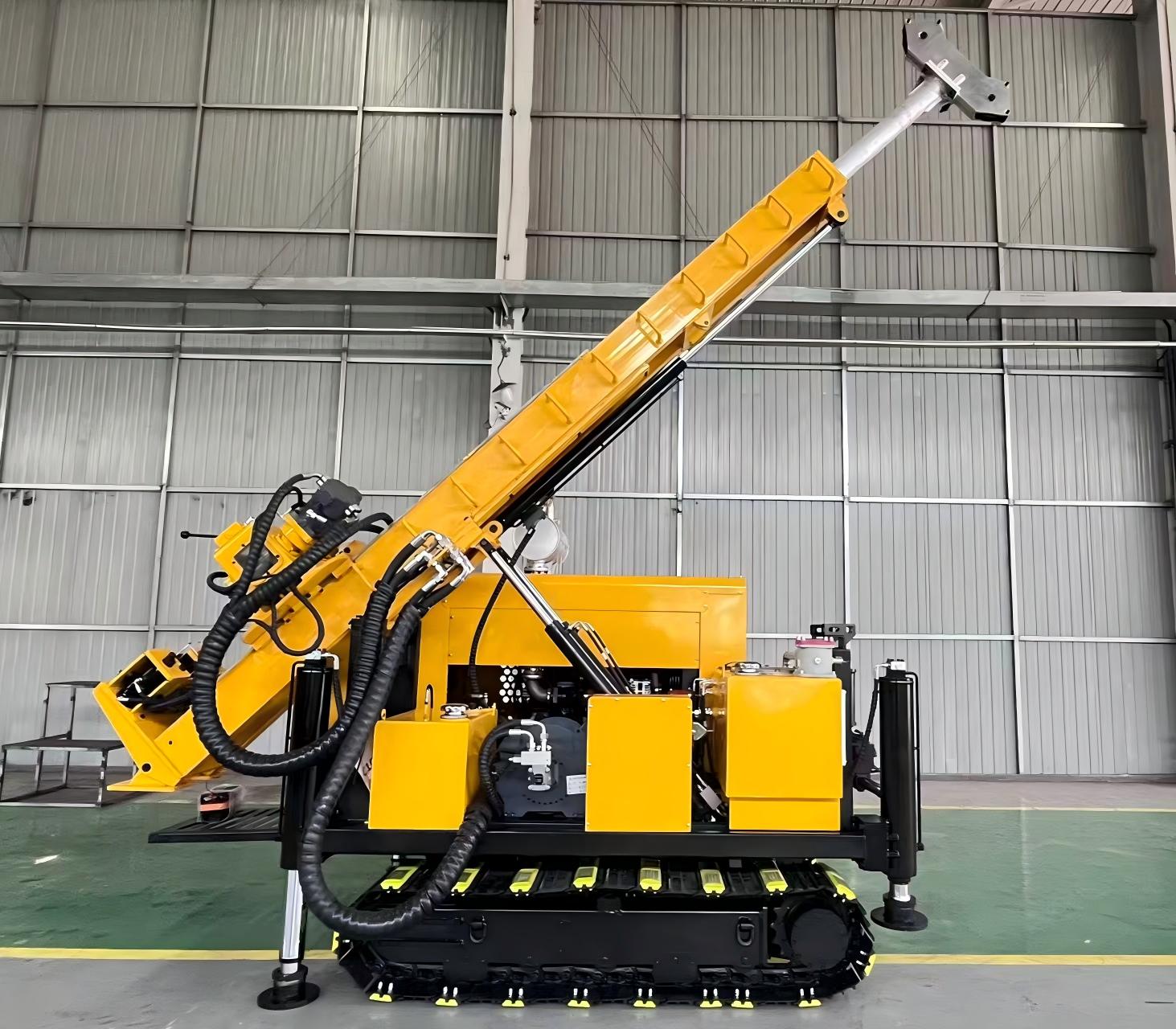
When comparing OEM drilling rig parts vs. aftermarket components, the real question is not only price. The deeper issue is how each choice affects machine lifespan over time. [hw-drilling]
OEM parts usually support a more consistent wear pattern because they are built to the original specification. That predictability can help preserve hydraulic efficiency, alignment, and component balance. [equipmentshare]
Aftermarket parts can extend life too, but only when the supplier quality is high and the component is correctly matched to the machine. Poorly made aftermarket parts may accelerate wear on nearby systems, which turns a small saving into a bigger rebuild later. [linkedin]
In core drilling rigs, the most sensitive areas often include hydraulic seals, hoses, bearings, rotating assemblies, filters, and drill string-related wear components. [hw-drilling]
If these parts fail early, the result is not just a replacement cost. It can trigger downtime, reduced recovery performance, and secondary damage to connected systems. [cintrl]
Warranty is where the difference becomes most visible. Many manufacturers tie warranty coverage to approved parts and service practices, especially for critical systems. [miller-bradford]
That does not mean every aftermarket part automatically voids coverage, but it does mean the burden is on the owner to verify terms before installation. [en.hespareparts]
For a drilling company, warranty loss can be more expensive than the part itself because it may shift future repair costs fully onto the operator. [miller-bradford]
1. Check the machine warranty terms before replacing the part.
2. Identify whether the part affects a critical system.
3. Confirm whether the aftermarket supplier provides written compatibility and warranty support.
4. Keep records of invoices, serial numbers, and installation notes.
5. For high-risk items, choose OEM unless the economics clearly justify otherwise. [en.hespareparts]
From a field-maintenance standpoint, the best parts strategy is the one that protects uptime and keeps service routines simple. [sinocoredrill]
Daily inspection of hydraulic oil quality, hoses, leaks, filters, and wear points is still the foundation of long rig life. Good maintenance can matter as much as part branding, especially on full hydraulic rigs that operate in harsh conditions. [cortechdrilling]
Industry guidance also suggests that regular lubrication, hydraulic checks, drill rod inspection, and timely replacement of worn bits and seals all contribute to longer service life. [sunmoy]
As a manufacturer of full hydraulic diamond core drilling rigs and core drilling tools, CORTECH's practical view is straightforward: the best part is the one that protects system stability, recovery performance, and long-term maintainability. [cortechdrilling]
CORTECH emphasizes engineering precision, full-cycle quality control, and after-sales support, which aligns naturally with the logic behind OEM-minded sourcing for critical assemblies. In high-load exploration work, consistency is often more valuable than the lowest initial price.
That said, for consumables or lower-risk replacements, a carefully vetted aftermarket solution can be an efficient operational choice if quality, fit, and documentation are strong.
| Factor | OEM Parts | Aftermarket Components |
|---|---|---|
| Fit and compatibility | Exact to original specification. equipmentshare | Can be excellent or inconsistent depending on supplier. equipmentshare |
| Machine lifespan impact | Usually more predictable and stable. equipmentshare | Can be positive or negative depending on quality. equipmentshare |
| Warranty protection | Usually safer for warranty compliance. equipmentshare | May risk warranty disputes. equipmentshare |
| Upfront cost | Higher. equipmentshare | Lower. equipmentshare |
| Availability | Strong for current models, weaker for some older models. equipmentshare | Often broader and faster. equipmentshare |
| Best use case | Critical systems, new rigs, warranty-covered equipment. equipmentshare | Older rigs, budget-driven repairs, non-critical components. equipmentshare |
Use this checklist before placing an order:
- Confirm the machine model, serial number, and part number. [equipmentshare]
- Check whether the part is critical or non-critical.
- Review warranty terms in writing. [miller-bradford]
- Ask for material spec, tolerances, and test documentation.
- Verify supplier reputation and return policy. [equipmentshare]
- Avoid suspiciously cheap offers that may signal counterfeit risk. [equipmentshare]
- Keep a maintenance log for every replacement. [sunmoy]
Many teams focus on the invoice price, but the real metric is total cost of ownership. A cheaper part that fails early, causes leakage, or forces a shutdown may cost more than an OEM alternative once downtime and labor are included. [cintrl]
For drilling operations, this is especially important because lost operating hours can directly affect project schedules, sample delivery, and revenue. [thedriller]
A useful rule is to reserve OEM parts for high-risk systems and use carefully sourced aftermarket options only where the performance trade-off is acceptable. [linkedin]
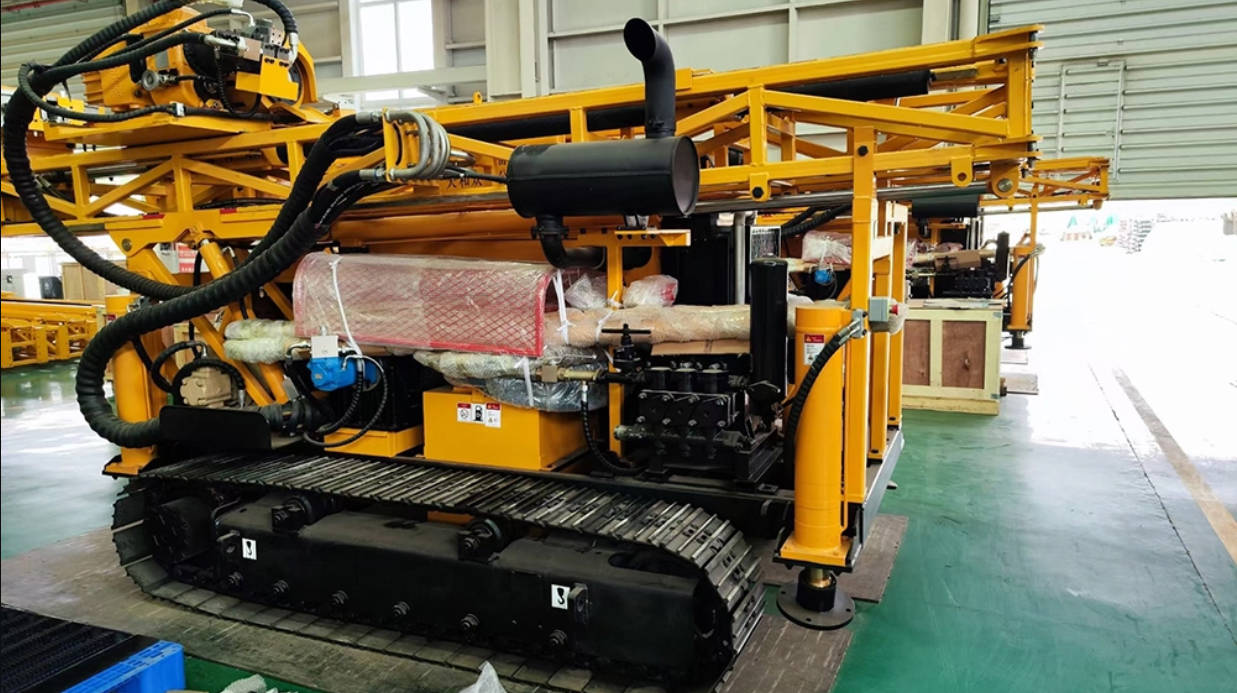
If you manage a core drilling fleet, the smartest next step is to build a parts policy by component category: critical, semi-critical, and consumable. This makes sourcing decisions faster, lowers risk, and helps protect both machine lifespan and warranty coverage. [cintrl]
For OEM-style reliability in full hydraulic diamond core drilling applications, work with a manufacturer that can support both equipment quality and after-sales maintenance planning. [cortechdrilling]
No. Warranty impact depends on the machine terms, the part type, and whether the part caused the failure. Always check the written warranty before installation. [miller-bradford]
Critical parts such as hydraulic components, rotating assemblies, pressure-sensitive seals, and control-related parts are usually better kept OEM because they affect performance and reliability more directly. [hw-drilling]
Yes, if the supplier is reputable and the part meets the correct specification. Low-quality aftermarket parts can also shorten life by increasing wear or causing secondary damage. [linkedin]
Not always. OEM is usually safer for warranty and critical systems, but quality aftermarket parts can be a strong value choice for older machines or non-critical replacements. [linkedin]
Match the part number carefully, verify supplier reputation, request documentation, and keep installation records. Avoid parts with unclear origin or unrealistic pricing. [en.hespareparts]
1. EquipmentShare. "OEM vs. Aftermarket Construction Equipment Parts: Which is Better?" [equipmentshare]
2. CORTECH Drilling official website. Company and product information for full hydraulic diamond core drilling rigs and core drilling tools. [cortechdrilling]
3. Cintrl. "Key Points for Daily Maintenance of Full Hydraulic Core Drilling Rigs." [cintrl]
4. CORTECH Drilling official site, product and service descriptions. [https://www.cortechdrilling.com] [cortechdrilling]
5. Miller Bradford. "Should You Choose OEM Components for Your Equipment?" [miller-bradford]
6. HW Drilling. "Fully Hydraulic Core Drill Rig: The Efficient Core Equipment…" [hw-drilling]
7. SINO Core Drill. "What Maintenance Practices Extend the Service Life of a Core Drill Rig?" [sinocoredrill]
8. The Driller. "Offers Advice to Keep Drilling Rigs Working, Making Money." [thedriller]
9. LinkedIn article on aftermarket parts benefits and risks in mining equipment. [linkedin]
10. Titan Machinery. "CNHi Parts Warranty." [titanmachinery]


