
Views: 222 Author: CORTECH Publish Time: 2026-05-10 Origin: Site


Surface drilling rigs and underground drilling rigs share the same mission—efficient, safe, and precise rock drilling—but their structural design, safety systems, and daily operating realities are fundamentally different. Drawing on my experience working with exploration teams and CORTECH's full-hydraulic wireline diamond rigs, this article explains those differences in practical, engineer-friendly language that you can use for real project decisions. [sibo]
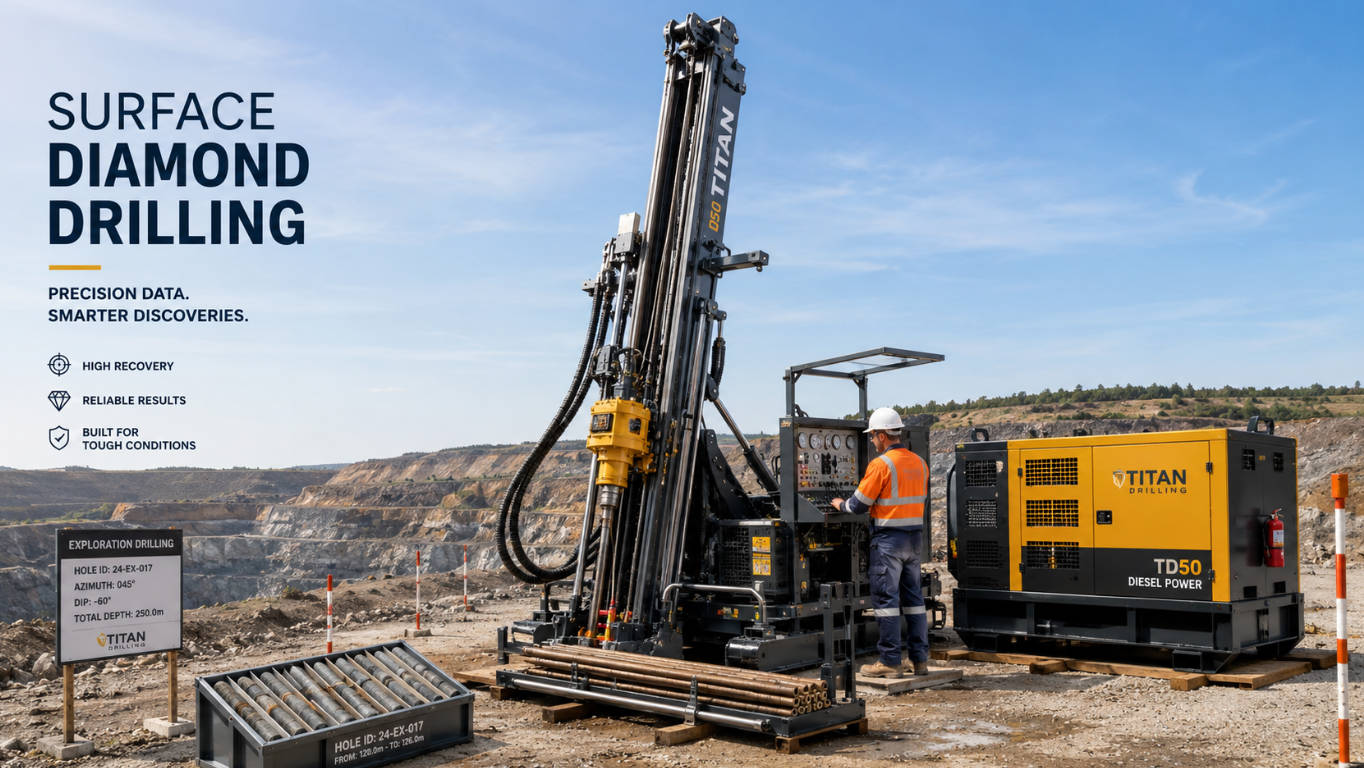
Surface drilling rigs are installed and operated on the ground surface to reach mineral deposits, water, or geotechnical targets from above. For diamond core drilling, a surface rig usually works in open pits, exploration pads, or remote greenfield projects where accessibility and long boreholes are key priorities. [crmining]
Typical use cases for surface core drilling rigs include:
- Greenfield mineral exploration programs
- Resource definition drilling around open pits
- Geotechnical drilling for dams, tunnels, and large infrastructure
- Water well and hydrogeological investigations
From an operational perspective, surface rigs can be larger, heavier, and more powerful, because they are not constrained by tunnel profiles or underground ventilation limits. This is why many fully hydraulic surface core rigs are designed for deeper holes, larger hole sizes (e.g. N, H, P), and higher pullback capacities. [mitchelldrillinginternational]
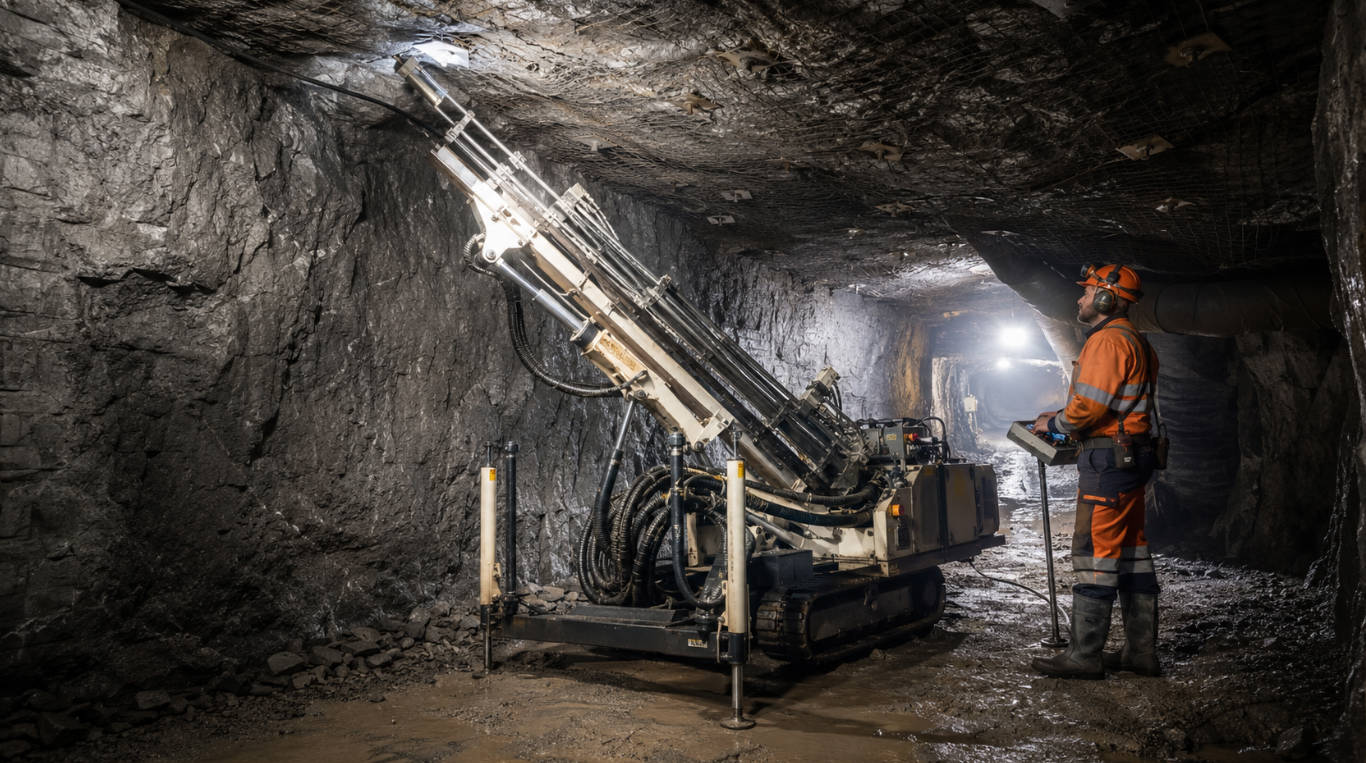
Underground drilling rigs (U/G rigs) are compact, self-contained units designed to work inside drifts, galleries, and stopes, usually as part of a mine's development or production cycle. They must deliver high productivity and core quality in very confined, low-visibility, and sometimes high-stress rock mass conditions. [minemaster]
Typical use cases for underground core drilling rigs include:
- In‑mine exploration and resource expansion from existing levels
- Orebody infill drilling for grade control
- Geotechnical assessment around critical underground openings
- Short-hole projects where drill sites are tightly spaced
Compared to surface rigs, underground rigs are more compact and maneuverable, often mounted on skids or narrow carrier frames so they can be transported through mine portals and ramps. The design focus is on flexibility of positioning (drilling up, down, or fan patterns) and rapid multi-hole drilling from a single setup. [multipowerproducts]
From an engineering standpoint, the structural differences between surface and underground rigs are driven by envelope, load paths, and anchoring conditions. [sinovogroup]
- Surface core rigs
- Larger base frames and mast/derrick units to handle longer feed strokes and higher pullback. [mitchelldrillinginternational]
- Frequently mounted on skids, trailers, or truck chassis for mobility between pads.
- More space for auxiliary systems (mud pumps, rod racks, power packs).
- Underground core rigs
- Compact feed frames with shorter overall length but high strength, optimized for low backs and narrow headings. [zhengyangmachinery]
- Turntable bases and articulated positioning systems to drill multiple holes in a fan from a single setup. [multipowerproducts]
- Modular design: power pack and control panel often separated from the feed frame for flexible placement in tight drifts. [minemaster]
- Surface rigs prioritize long stroke and higher pullback for deep directional holes and large-diameter coring. [sinovogroup]
- Underground rigs emphasize multi‑angle capability—from vertically up to vertically down—with robust feed guides engineered for side‑loading in steep up-holes. [minemaster]
In our CORTECH experience, surface rigs in the CORE SURFACE DRILL series are optimized for long, continuous hole depth and high core recovery, while CORE U/G DRILL models focus on stability and control when drilling short, steep holes from constrained platforms. [cortechdrilling]
Both surface and underground core rigs increasingly use fully hydraulic systems with proportional control, but the way power is packaged and controlled differs. [bakerhughes]
- Surface rigs
- Typically diesel powerpacks with larger installed power to support deeper drilling and heavier tooling. [mitchelldrillinginternational]
- Easier integration of stand‑alone mud pumps, boosters, and high-capacity cooling systems.
- Underground rigs
- Often available in diesel, electric, or hybrid configurations to meet strict underground ventilation and emission standards. [zhengyangmachinery]
- More attention to compact cooling, noise reduction, and heat rejection to protect personnel in enclosed spaces. [zhengyangmachinery]
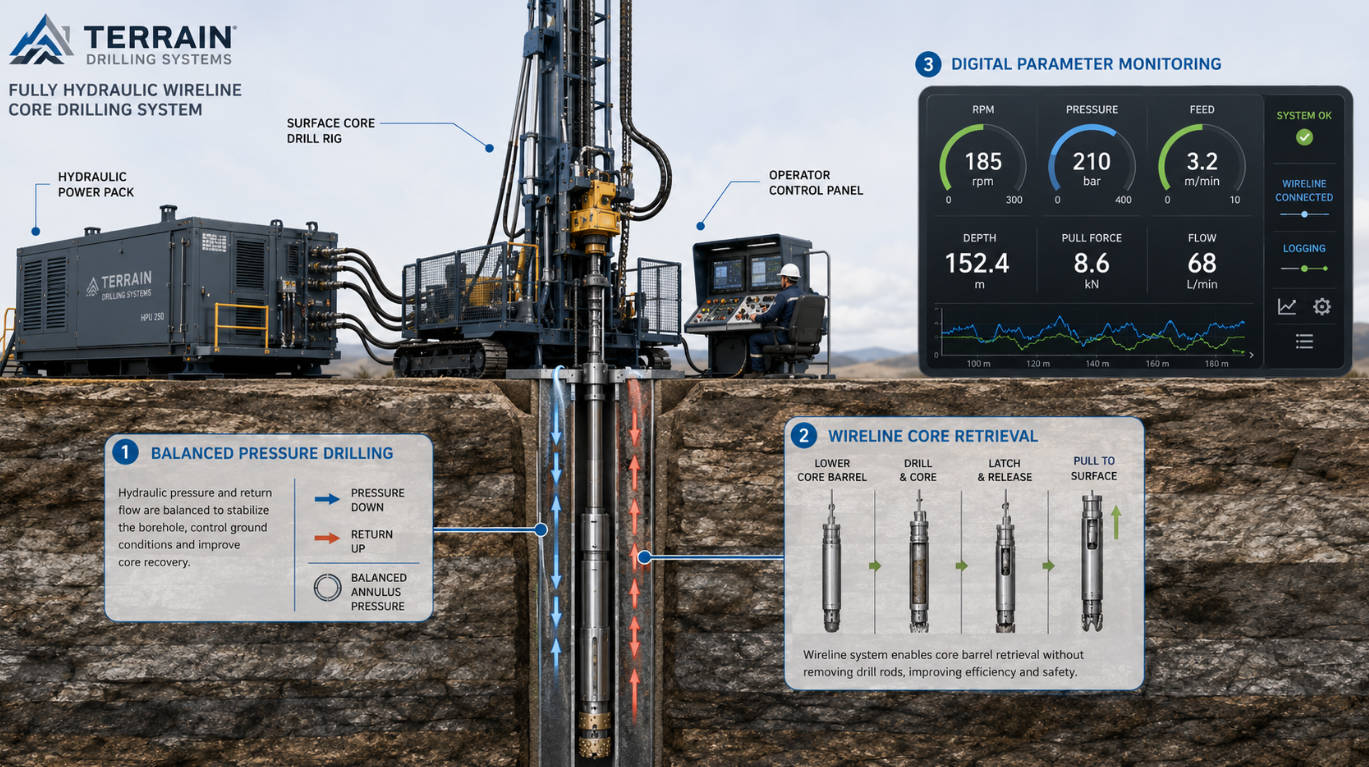
Modern fully hydraulic exploration rigs—both surface and U/G—use balanced pressure drilling systems, load-sensing hydraulics, and automatic controls to improve drilling efficiency and reduce downhole incidents. For core drillers, this translates into smoother bit load, fewer core breaks, and more predictable penetration rates. [sinovogroup]
- Surface rigs often feature larger, ergonomically optimized control panels with space for advanced monitoring and data logging.
- Underground rigs use compact, sometimes remote control stations so the operator can stay out of the direct line of fire in narrow faces. [multipowerproducts]
Across both environments, the industry trend is towards digital enablement—data acquisition, drilling parameter logging, and remote diagnostics to optimize bit selection and drilling strategy in real time. [openpr]
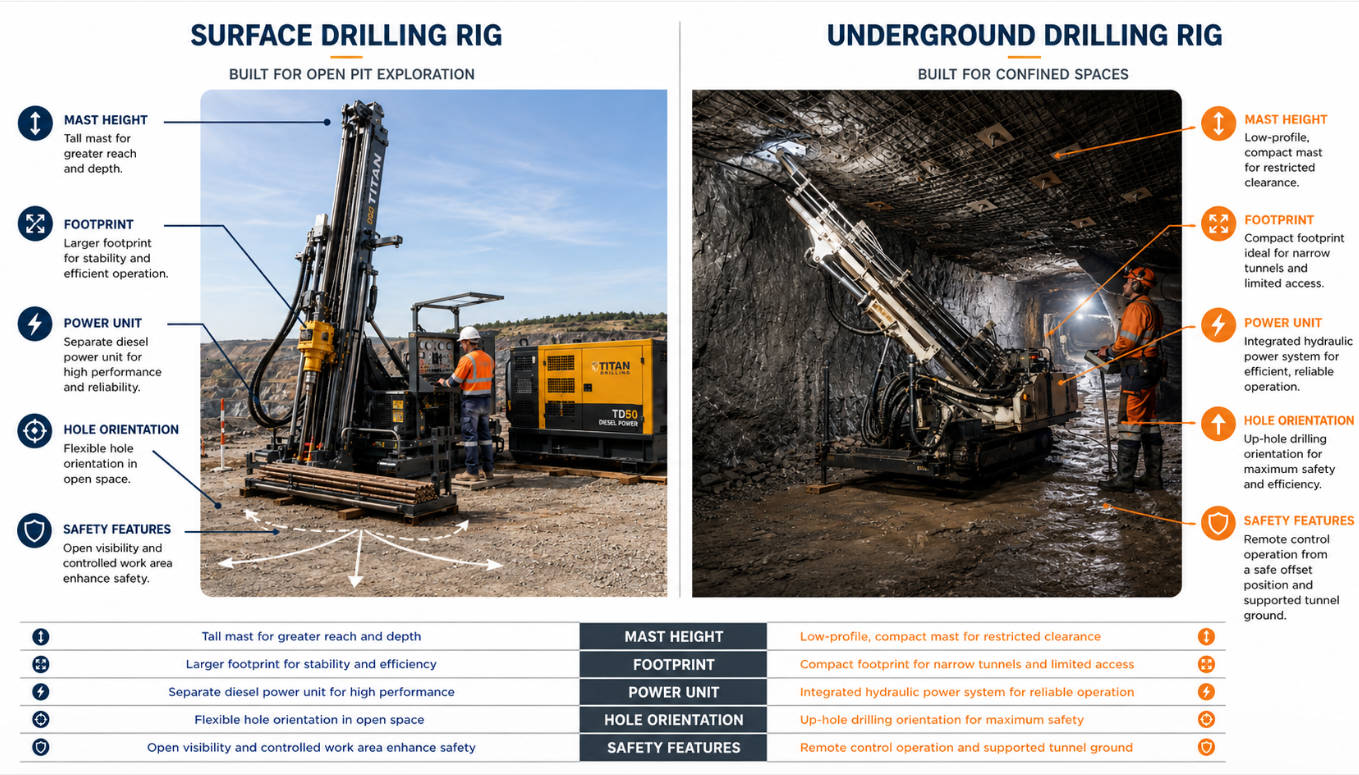
The table below summarizes key structural and operational differences that matter to engineers, mine planners, and owners.
| Aspect | Surface Drilling Rig | Underground Drilling Rig |
|---|---|---|
| Typical environment | Open pits, surface pads, remote exploration sites sibo | Tunnels, drifts, stopes in operating mines minemaster |
| Space constraints | Minimal, wide work area sibo | Severe, narrow headings and low backs minemaster |
| Frame layout | Larger skids/trucks, long mast and feed stroke mitchelldrillinginternational | Compact base, short but rigid feed frame minemaster |
| Hole orientation | Mostly downholes or moderate inclines | Fans, up-holes, down-holes at many angles minemaster |
| Power | Higher installed power, diesel-dominant mitchelldrillinginternational | Diesel/electric hybrid options, emission-focused minemaster |
| Mobility | Moved between pads by truck or crawler | Moved through ramps/shafts; modular for handling minemaster |
| Operator position | Beside rig with good visibility | Often offset/remote for safety in confined space minemaster |
| Maintenance access | Easier access to components | Requires careful layout for service in tight areas minemaster |
From a safety engineer's viewpoint, surface and underground operations present very different risk profiles—and the rig design reflects that. [fuchenglhd]
- Better natural ventilation and visibility, but more exposure to weather, terrain instability, and heavy equipment interaction. [mshasafetyservices]
- Guarding around rotating components, rod handling aids, and compliant platforms to minimize manual handling.
- Fall protection and rig stability (outriggers, leveling jacks) are critical on uneven ground.
- Constrained workspace increases risk from rockfalls, machinery interactions, and poor visibility. [fuchenglhd]
- Rigs are designed for low overall height, reinforced guarding, and safe positioning away from the face. [minemaster]
- Electric or low-emission power options help maintain air quality and reduce heat load. [zhengyangmachinery]
Regulators and major mining companies increasingly require automatic rod handling, interlocked guards, and fail‑safe emergency stop systems on both surface and U/G rigs, which is why modern fully hydraulic rigs integrate these safety features from the design stage. [epiroc]
For owners and drilling contractors, the critical metric is not just meters drilled, but core recovered per dollar and per shift.
- Surface rigs in large-scale operations can achieve very high daily meterage because of longer holes and fewer moves. [crmining]
- Underground rigs often work on shorter holes, but they deliver value by targeting ore zones with high geological confidence and enabling selective mining. [minemaster]
Wireline diamond coring has become the dominant method in both environments thanks to high core recovery and reduced tripping time. Balanced hydraulic feed control and optimized bit selection enable consistent core quality, which directly supports better resource models and geotechnical design. [openpr]
- Surface drilling generally has lower cost per meter due to simpler access, reduced ventilation requirements, and more efficient logistics. [mshasafetyservices]
- Underground drilling is more expensive per meter because of tunneling costs, limited access, and stricter safety and ventilation requirements. [mshasafetyservices]
This is why many mining companies adopt a combined strategy: wide‑spacing surface drilling early in a project, then intensive underground drilling once access is developed.
From an industry expert perspective, the most important trends shaping both surface and underground core rigs today are:
- Rise of rig‑operated diamond drilling systems that integrate power, control, and safety functions into a single, highly automated platform. [openpr]
- Wider adoption of wireline drilling methods for deeper holes, faster core retrieval, and lower non‑productive time. [openpr]
- Increased focus on data‑driven drilling optimization, including digital parameter logging and automated bit performance analysis. [bakerhughes]
- Development of more compact, powerful rigs for underground applications, allowing deep or highly angled drilling from tight chambers. [multipowerproducts]
For CORTECH core rigs, these trends translate into fully hydraulic systems, automatic balanced pressure drilling, and configuration options that can be tailored to either surface pads or underground headings. [cortechdrilling]
Based on field practice with exploration and mine teams, you can follow a simple, structured decision process when selecting between a surface drilling rig and an underground drilling rig.
1. Map your orebody geometry and target depth from surface and from existing underground workings.
2. If targets are shallow or accessible from surface pads, a surface core rig usually delivers the best cost‑per‑meter.
3. If targets are deep beneath existing infrastructure or require drilling from specific stopes/drifts, an underground core rig is the only practical option. [fuchenglhd]
- Where underground ventilation capacity is limited, using surface rigs from collars outside the portal may be safer and cheaper. [mshasafetyservices]
- Where surface conditions are harsh (extreme weather, unstable slopes), underground drilling can offer a more controlled environment. [fuchenglhd]
- If you need long pilot holes or resource definition drilling over a large area, surface rigs with deep capacity provide better productivity. [crmining]
- If you are tightening drill spacing around active stopes, underground rigs offer shorter cycle times because they are closer to the ore. [zhengyangmachinery]
- For surface: prioritize high pullback, long feed stroke, robust mast design, and strong mud management.
- For underground: prioritize compact footprint, multi‑angle drilling capability, and emission‑compliant powerpacks.
At this point, many operators find it effective to standardize on one manufacturer's CORE SURFACE DRILL and CORE U/G DRILL platforms so that tooling, training, and maintenance concepts remain consistent between surface and underground fleets. [cortechdrilling]
As a manufacturer specializing in fully hydraulic wireline diamond core rigs for both surface and underground applications, CORTECH focuses on:
- High‑efficiency hydraulic systems to deliver stable bit load and high core recovery at depth. [cortechdrilling]
- Modular designs that allow the same core drilling philosophy to be applied on surface pads and underground headings.
- Safety‑driven engineering, including guarding, ergonomic control layouts, and options for electric or low‑emission powerpacks in underground environments. [sinovogroup]
For drilling contractors and mining companies, this means you can design integrated exploration programs that move seamlessly from surface exploration through underground resource expansion without changing your core drilling methodology.
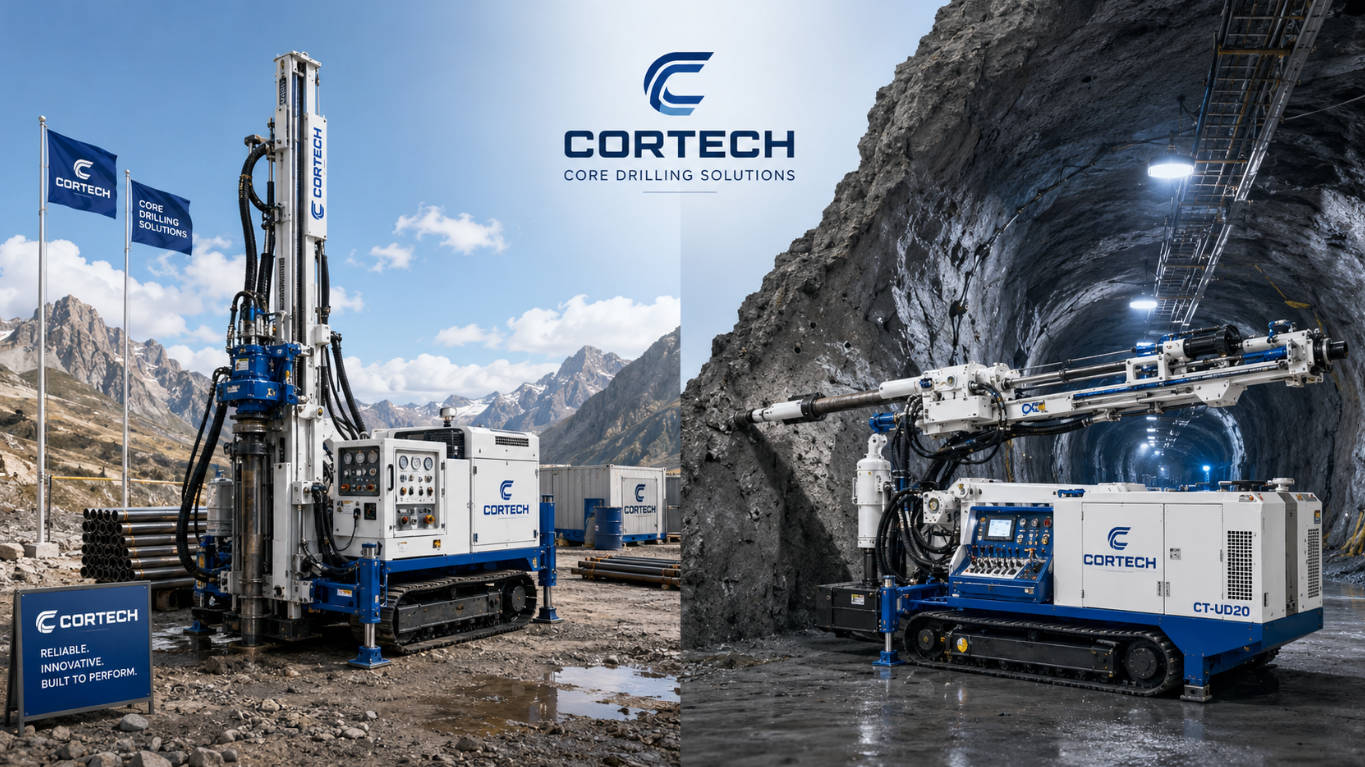
If you are evaluating equipment for a new exploration program or considering an upgrade of your core drilling fleet, now is the right time to benchmark surface vs. underground rig configurations against your geology, access, and safety requirements. For detailed technical specifications and engineering support on CORE SURFACE DRILL and CORE U/G DRILL solutions, contact CORTECH's application engineering team to design a rig package tailored to your next project. [cortechdrilling]
For most early‑stage exploration and shallow targets that can be reached from pads, a surface drilling rig offers lower cost per meter and simpler logistics. Underground rigs are typically reserved for deeper orebodies accessed from existing tunnels or for infill drilling where surface pads are no longer practical. [crmining]
Underground rigs are usually more compact, but modern designs still deliver high pullback and torque within a smaller envelope. The power‑to‑size ratio is optimized for confined spaces, and advanced hydraulic systems compensate for the smaller overall footprint. [multipowerproducts]
Surface drilling emphasizes stability on uneven ground, weather exposure, and interaction with other heavy equipment, while underground drilling focuses on confined‑space risks, rockfalls, ventilation, and emergency egress. As a result, underground rigs often incorporate more compact guarding, remote controls, and emission‑controlled powerpacks. [sibo]
Yes, wireline diamond coring has become standard in both environments because it combines high core recovery with fast core retrieval and reduced tripping time. It is particularly valuable when precise geological and geotechnical information is needed for resource modeling and mine design. [openpr]
The biggest changes involve automation, digital data capture, and smarter hydraulic control, which improve penetration rate, core quality, and overall safety. Battery‑electric and hybrid power options are also emerging, especially underground, to reduce emissions and ventilation costs. [bakerhughes]
1. MSHA Safety Services – "Differences Between Surface and Underground Mining" – overview of surface vs underground mining environments and cost profiles. [mshasafetyservices]
2. Fucheng Underground Mining – "Underground Mining vs. Surface Mining" – comparative discussion of complexity, risk, productivity, and mine life. [fuchenglhd]
3. SIBO – "Mining Equipment Types | Surface and Underground Machines" – explanation of equipment needs in surface and underground environments. [sibo]
4. CR Mining – "Types of Drilling in Mining" – description of common surface drilling methods and rigs. [crmining]
5. Mine Master – "What Are Underground Drill Rigs? Types and Applications" – technical overview of underground rigs, their uses, and depth capabilities. [minemaster]
6. Multipower Products – "Discovery UG Compact Diamond Core Drill" – example of compact underground core rig design and specification. [multipowerproducts]
7. Epiroc – "Christensen 140 Surface Core Drilling Rig" – example of a modern surface core rig, including safety and structural features. [epiroc]
8. Sinovo Group – "Development Trends of Fully Hydraulic Exploration Drill Rig" – discussion of hydraulic systems, balanced pressure drilling, and efficiency trends. [sinovogroup]
9. OpenPR – "Key Factors and Emerging Trends Shaping the Diamond Core Drilling Market" – market trends including rig‑operated systems and wireline methods. [openpr]
10. Baker Hughes – "Five Tech Trends to Watch in Drilling" – insights into digital enablement, in‑bit sensing, and data‑driven drilling optimization. [bakerhughes]
11. Zhengyang Machinery – "What Is a Drill Rig in Mining? Types, Uses and Underground Applications" – explanation of underground vs surface drill rig applications. [zhengyangmachinery]
12. CORTECH Drilling – "CORE SURFACE DRILL" and "Solutions" – manufacturer information on fully hydraulic core rigs and application support. [cortechdrilling]


