
Views: 222 Author: CORTECH Publish Time: 2026-05-14 Origin: Site


Small water well rigs have transformed from "backup machines" into primary profit drivers for many drilling contractors, delivering big business advantages without the cost, weight, and regulatory burden of traditional large rigs. At the same time, advances in full-hydraulic core drilling technology mean manufacturers like CORTECH can offer compact yet powerful rigs that bridge the gap between water well drilling and professional core surface drilling. [prime-rigs]
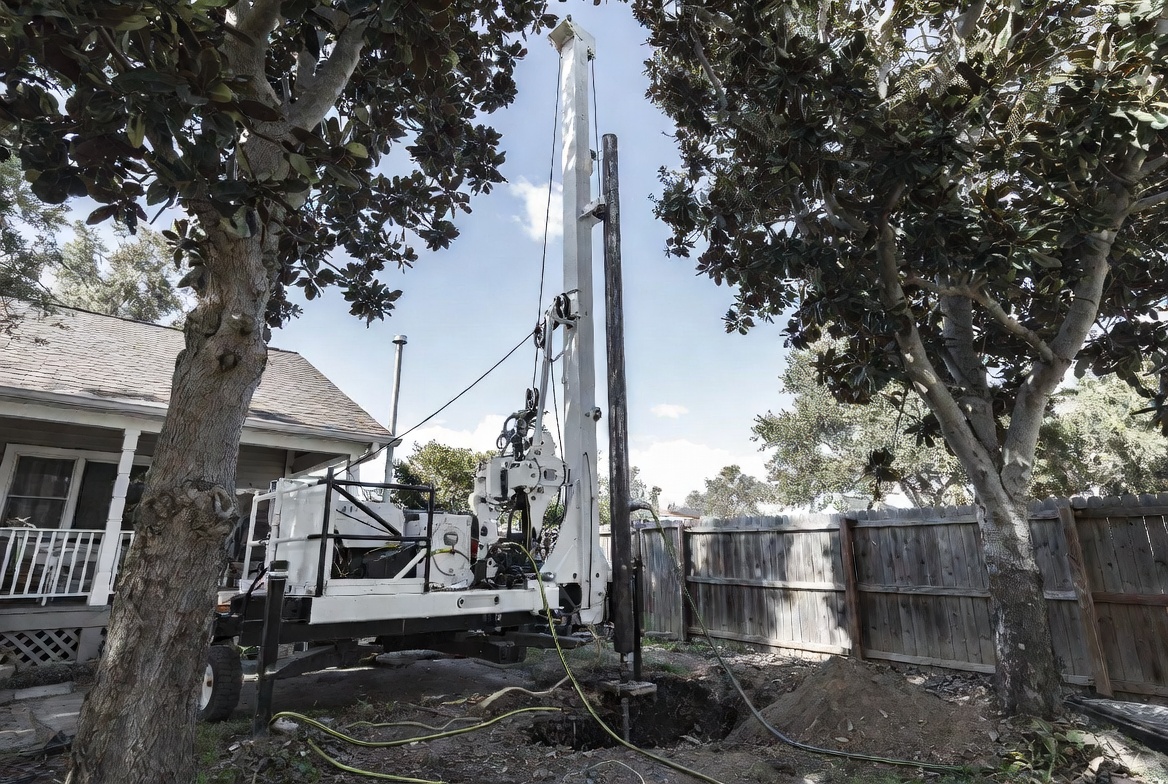
The water well and geothermal drilling markets are becoming more competitive, forcing contractors to do more with fewer people, tighter margins, and stricter regulations. Compact water well rigs address these pressures by combining mobility, productivity, and lower operating costs in a single platform. [prime-rigs]
From my experience working with drilling contractors, small rigs are no longer a compromise; they are a strategic asset that allows you to enter tight urban sites, expand service regions, and increase daily well counts while keeping crews lean. When backed by a professional manufacturer that specializes in all-hydraulic diamond core drilling rigs, such as CORTECH, these platforms can also be integrated into broader drilling and exploration workflows. [cortechdrilling]
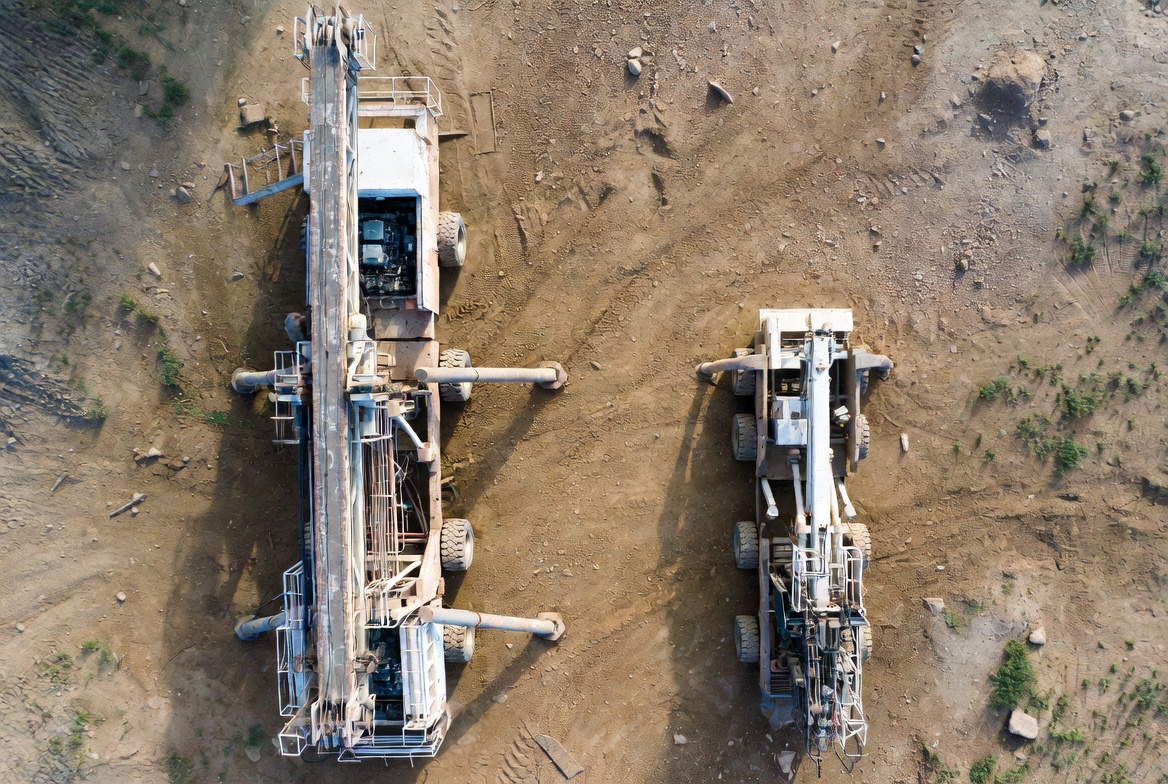
Traditional thinking in drilling has long equated size with capability: "bigger rig, more power." However, operators using compact rigs like the DRILLMAX® DM250 have demonstrated that small water well rigs can drill faster, cleaner, and deeper than many legacy large units in typical residential and light commercial conditions. [prime-rigs]
Field operators report:
- Cutting 4–5 day drilling jobs down to about 1.5 days in challenging formations such as limestone and dense blue marl. [prime-rigs]
- Achieving cleaner, straighter wells thanks to higher top head speed and efficient circulation. [prime-rigs]
- Maintaining productivity with 20-foot pipe and long stroke capabilities, matching or exceeding the performance of larger trucks. [prime-rigs]
As a drilling consultant or contractor, this changes how you plan capital expenditures: instead of a single high-cost large rig, you can deploy one or more compact rigs to distribute workload, reduce downtime risk, and increase scheduling flexibility. [intelmarketresearch]
For many residential and light commercial clients, especially near coasts or lakes, access is the real constraint—not depth. Contractors operating near the Jersey Shore, for example, needed to get close to homes, fences, and expensive landscaping without causing damage from heavy axles or oversized mast structures. [prime-rigs]
Small water well rigs provide:
- Shorter wheelbases and lighter gross vehicle weights for narrow drives and soft ground. [lztuozhi]
- Reduced risk of damaging pavers, turf, and landscaping, preserving client satisfaction and avoiding costly remediation. [prime-rigs]
- The ability to set wells within inches of existing structures in established neighborhoods. [prime-rigs]
In real projects, contractors have maneuvered compact rigs between large trees and houses to drill 280-foot wells in a single day—jobs that would have been impossible or uneconomical with a conventional large rig. [prime-rigs]
From an industry perspective, these accessibility advantages mirror requirements in core surface drilling, where rigs must often work in rugged terrain, narrow bench pads, or constrained urban investigation sites. Manufacturers like CORTECH, specializing in all-hydraulic diamond core drills, design rigs with modular, compact layouts to achieve similar accessibility benefits in core drilling applications. [linkedin]
For contractors operating both water wells and core drilling projects, harmonizing fleets around compact hydraulic platforms can simplify training, maintenance, and logistics.
One of the most underrated advantages of small water well rigs is the ability to operate below Class A/B commercial driver's license (CDL) thresholds. In many regions, this opens up major business benefits: [prime-rigs]
- Larger hiring pool: You are no longer limited to CDL-qualified drivers, easing recruitment. [prime-rigs]
- Lower insurance costs for vehicles and operators compared with heavier CDL-class rigs. [prime-rigs]
- More flexible scheduling, since most crew members can drive the rig without special endorsements. [prime-rigs]
Geothermal contractors taking on larger municipal and school projects noted that rigs like the DM250 were the only non-CDL option with the necessary capabilities at the time, making them essential for scaling from residential to mid-scale institutional work. [prime-rigs]
From an operational standpoint, when your rig stays under CDL limits:
- One driver can cover more jobs per week without complex scheduling.
- Helpers can legally move rigs between nearby sites, reducing idle time. [prime-rigs]
- Training costs are lower, and new hires reach productive status faster.
This dynamic is equally relevant to core drilling fleets, where smaller truck-mounted or skid-mounted hydraulic rigs can be moved without requiring a dedicated CDL driver, especially in remote exploration campaigns. [linkedin]
Many small water well rigs are built on widely available truck platforms, making them handle more like regular vehicles than specialized heavy trucks. Contractors report: [prime-rigs]
- Highway speeds around typical traffic flow, enabling same-day travel to distant job sites. [prime-rigs]
- The ability to drive through urban traffic, tight parking lots, and fast-food lanes—effectively treating the rig like a service truck. [prime-rigs]
- Reduced driver fatigue and easier maneuvering during long days of multi-stop jobs. [prime-rigs]
In practice, this means contractors who previously limited travel to an hour radius now comfortably serve wider regions, turning the same rig into a regional revenue generator instead of a local-only asset. [prime-rigs]
Modern full-hydraulic core drills similarly emphasize mobility, with lighter frames, modular designs, and options for truck, crawler, or skid mounting. CORTECH, for example, engineers rigs to accommodate surface and underground core drilling while maintaining as compact a footprint as practical. [linkedin]
When you standardize on mobile, all-hydraulic platforms across water well and core drilling operations, you can:
- Share transport logistics and support vehicles.
- Cross-train crews on similar controls and hydraulic systems.
- Reduce total cost of ownership via common parts and maintenance practices.
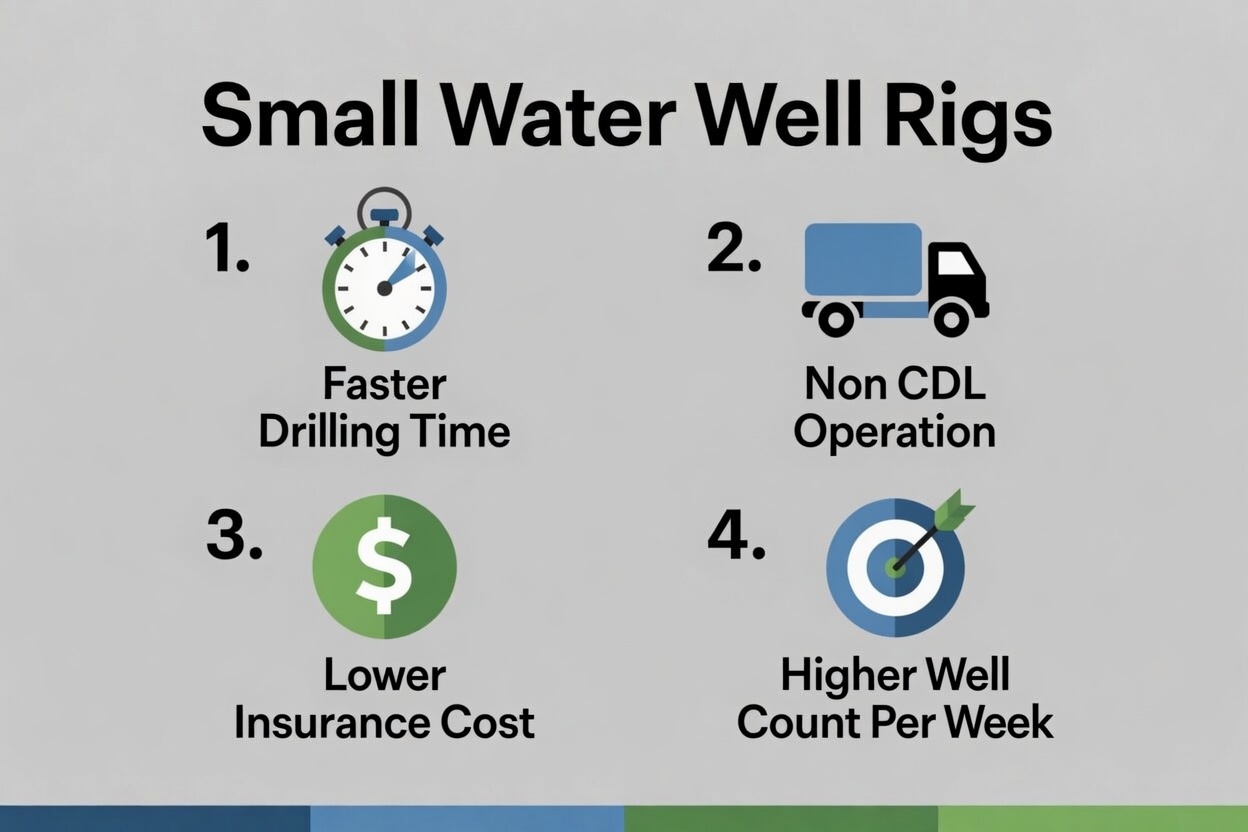
The real power of compact rigs is in the bottom line. Contractors implementing small water well rigs have reported:
- Up to 500% increases in net income, driven by faster job turnaround and higher well volume. [prime-rigs]
- Compressing drilling windows from multi-day projects to single-day completions, freeing days for additional jobs. [prime-rigs]
- Improved work–life balance, with operators starting mid-morning, finishing by early afternoon, and returning home the same day. [prime-rigs]
One operator summarized his experience by describing the rig as "dynamite in a small package", capturing the essence of compact rigs delivering disproportionate results. [prime-rigs]
On a broader industry level, the full-hydraulic core drill market continues to grow, driven by increased investment in mining, infrastructure, and environmental projects. This creates a favorable environment for manufacturers like CORTECH, who supply surface core drilling rigs and related hydraulic platforms that support: [intelmarketresearch]
- Higher operational efficiency via automated depth control and high-speed rotation.
- Better safety and environmental performance through reduced noise and vibration. [intelmarketresearch]
- Integration with IoT and data monitoring for smarter drilling campaigns. [linkedin]
These same macro trends support the business case for compact water well rigs, as customers demand faster, safer, and more data-driven drilling solutions across sectors.
When evaluating a compact water well rig—whether for residential wells, geothermal work, or to complement a core drilling fleet—consider these expert criteria:
1. Power and Depth Capacity
Ensure the rig can achieve your typical and maximum target depths (for example, 200–300 feet for many residential wells) in the formations you encounter, such as limestone, clay, or marl. [geoprobe]
2. Rod Length and Stroke
Prefer rigs that combine compact footprints with 20-foot rod capabilities and long stroke cylinders, which maintain productivity comparable to larger units. [prime-rigs]
3. Weight and Licensing Class
Confirm the gross vehicle weight rating (GVWR) keeps the rig under Class A/B CDL thresholds where possible to maximize staffing flexibility and reduce compliance burdens. [prime-rigs]
4. Hydraulic System and Top Head Speed
Look for modern hydraulic systems with high top head rotation speed and adjustable torque settings, crucial for both water well and core drilling efficiency. [linkedin]
5. Service and Support
Select manufacturers with established service networks, responsive technical support, and documented maintenance procedures, ensuring downtime is minimized. [cortechdrilling]
CORTECH Drilling Equipment Co., Ltd, founded in 2005, is a high-tech enterprise dedicated to developing and manufacturing all-hydraulic diamond drilling rigs. The company focuses on: [linkedin]
- Surface and underground core drilling rigs for exploration and mining. [cortechdrilling]
- Full-hydraulic systems designed for efficient, precise core recovery in varied geological conditions. [cortechdrilling]
- Export-oriented solutions tailored to global drilling contractors. [made-in-china]
This expertise positions CORTECH as a complementary partner for fleets that use small water well rigs for production wells and hydraulic core rigs for exploration and geotechnical work.
From an industry expert's perspective, a hybrid fleet built on compact hydraulic rigs offers:
- Versatile deployment across water wells, mineral exploration, and environmental drilling.
- Unified training and control philosophies, reducing onboarding time.
- Simplified inventory and spare parts management through standardized hydraulics and components.
This strategic alignment enables contractors to serve multiple markets with a consistent, efficient equipment base, increasing asset utilization and long-term ROI. [intelmarketresearch]
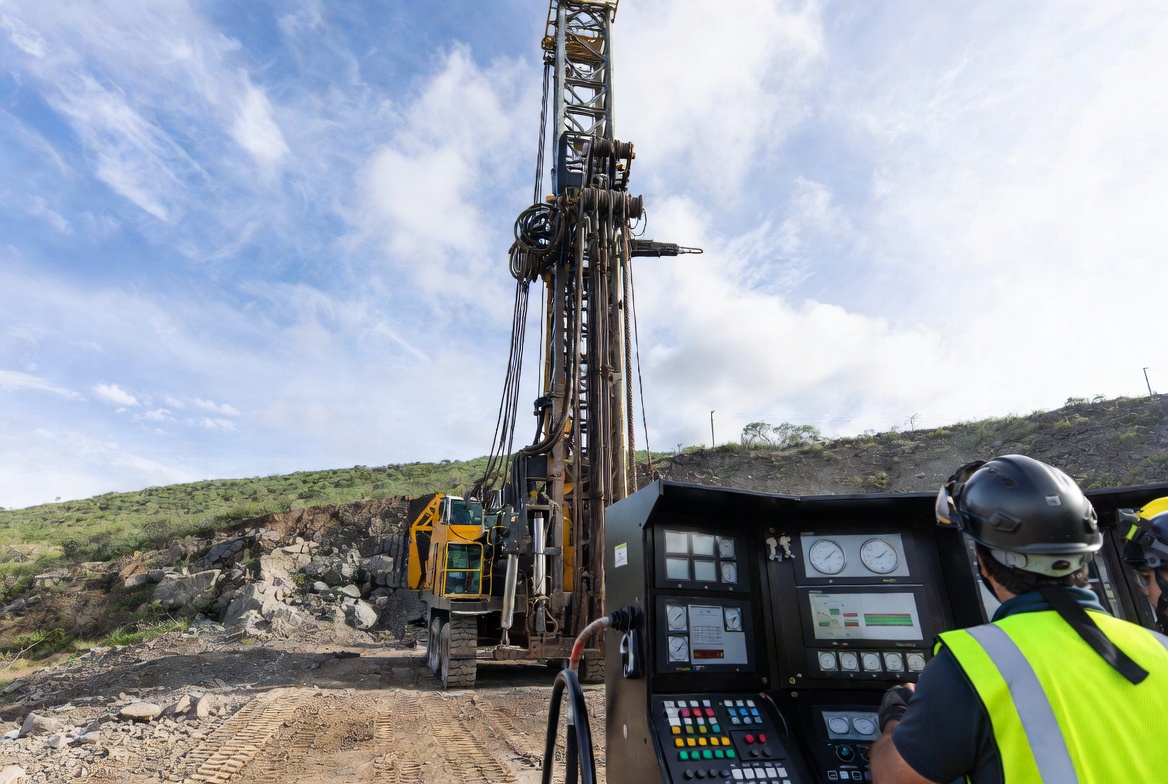
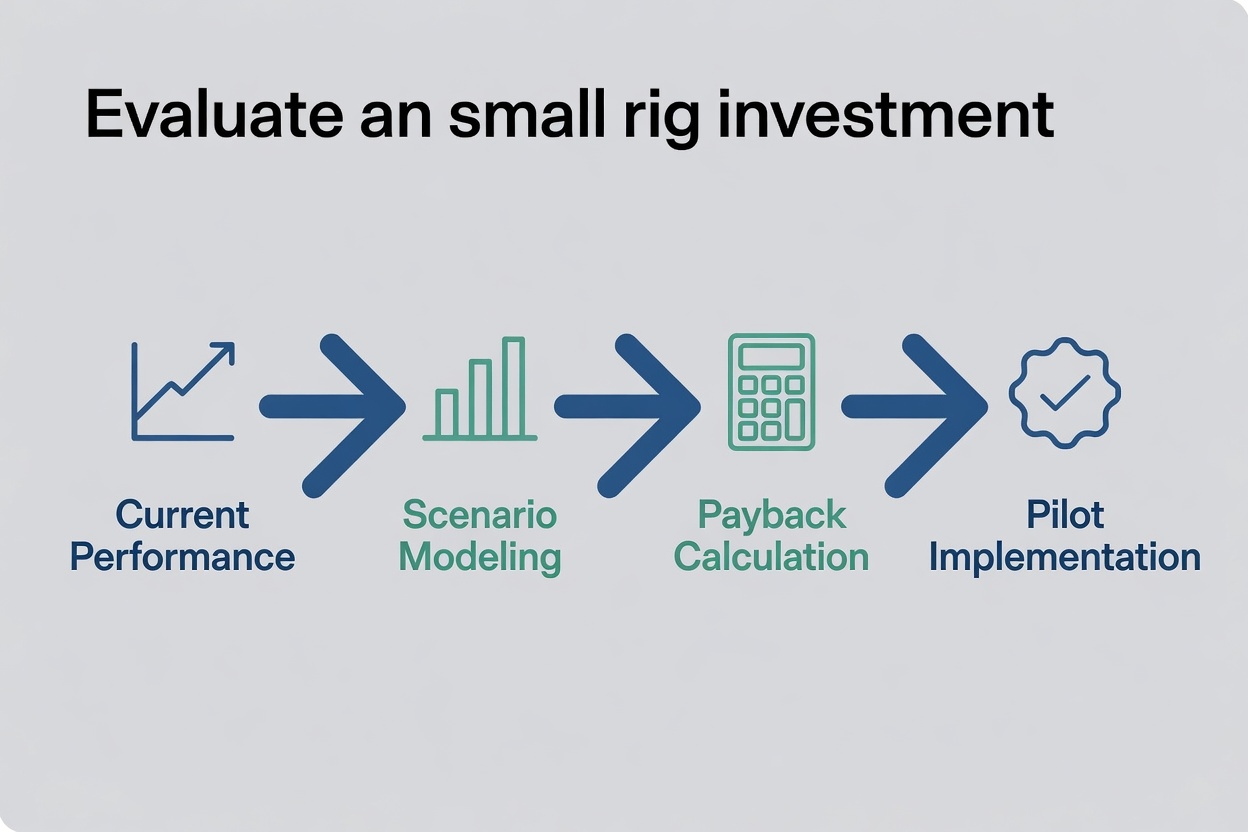
To turn qualitative advantages into a concrete decision, contractors can follow this four-step evaluation framework:
1. Quantify Current Performance
- Average wells per week
- Average days per well (drilling + completion)
- Crew size and labor cost per job
2. Model Compact Rig Scenarios
- Estimate time savings using case studies where 4–5 day jobs fell to 1–2 days. [prime-rigs]
- Apply conservative improvements (e.g., 30–50% faster cycle times) to your own data.
3. Calculate Payback Period
- Compare total rig investment with projected additional wells per year multiplied by average net profit per well.
- Factor in insurance savings and reduced CDL-related costs. [prime-rigs]
4. Plan Transition and Training
- Schedule a pilot phase where the small rig handles select jobs with tight access or shorter depths.
- Measure outcomes in real time (days, fuel, crew hours) to fine-tune projections.
This structured approach gives owners and managers a data-driven justification for introducing or expanding compact water well rig fleets. [intelmarketresearch]
The future of both water well and core drilling is being shaped by several technology trends:
- Electric and Hybrid Drives: Some full-hydraulic core drills are adopting electric or hybrid power systems to reduce emissions and operating costs on sensitive sites. [linkedin]
- Remote and Semi-Autonomous Operation: Remote control and automation features are enabling safer operation, particularly on unstable or hazardous ground. [linkedin]
- IoT and Real-Time Data: Integration of sensors and telemetry allows real-time monitoring of drilling parameters, improving decision-making and maintenance planning. [linkedin]
Manufacturers like CORTECH are positioned to incorporate these technologies into next-generation core drilling rigs, which can complement digital strategies in water well operations as well. [cortechdrilling]
Drawing on operator testimonials and industry best practices, here are practical tips to get the most out of a small water well rig:
- Match Rig to Market: Use compact rigs primarily for residential, light commercial, and geothermal jobs where access and speed matter most; reserve heavier units for exceptional depth or diameter demands. [geoprobe]
- Train Helpers as Setup Leads: Since non-CDL rigs are easier to drive, train helpers to set up and break down rigs independently, freeing senior drillers for higher-value tasks. [prime-rigs]
- Standardize Job Templates: Develop repeatable job templates for typical well depths and formations, optimizing rod handling, circulation, and consumable usage.
- Track KPIs: Monitor key performance indicators such as time-on-site, fuel consumption, and number of wells per week to continuously refine processes.
These operational habits turn a compact rig from a "nice-to-have" into a core profit engine for your drilling business. [prime-rigs]
If you are considering upgrading or expanding your drilling fleet, now is the ideal time to evaluate compact water well rigs and modern full-hydraulic core drilling rigs side by side.
- Contractors: Assess your current jobs and identify where a small rig could immediately increase throughput and profit.
- Fleet Managers and Owners: Reach out to professional manufacturers like CORTECH to explore how all-hydraulic core drilling rigs can integrate with your water well operations for a unified, efficient fleet. [linkedin]
Take the next step: book a consultation, request a technical proposal, or schedule a demonstration to see how compact rigs and hydraulic core drills can transform your business performance.
Yes. Many compact rigs are capable of drilling 200–300-foot wells in formations like limestone and dense clays, delivering performance comparable to larger rigs in residential and light commercial scenarios. Field experience shows jobs that once took four or five days can now be completed in around a day and a half with the right setup and tooling. [geoprobe]
Non-CDL rigs stay under key weight thresholds, so you can staff them with operators who do not hold Class A/B CDLs, widening the labor pool and reducing hiring and training costs. Insurance premiums and compliance expenses are generally lower as well, further improving the rig's total cost of ownership. [gzpearldrill]
Compact rigs excel in residential water wells, small commercial projects, geothermal installations, and sites with narrow access or sensitive surfaces. They are particularly valuable in coastal areas, lakefront developments, and established neighborhoods where larger rigs cannot safely maneuver. [prime-rigs]
Full-hydraulic core rigs provide high-precision core samples for exploration and geotechnical work, using advanced hydraulics and high top head speed to maximize recovery and efficiency. When combined with compact water well rigs, they enable contractors to serve both production wells and exploration projects, increasing asset utilization and market reach. [cortechdrilling]
CORTECH specializes in all-hydraulic diamond core drilling rigs and has grown into a leading Chinese supplier of drilling products and mineral exploration services. Partnering with a focused manufacturer ensures access to modern hydraulic technology, global application experience, and responsive support, all critical to sustaining high fleet uptime and drilling performance. [made-in-china]
1. Geoprobe. "Small Water Well Rigs Mean Big Business Advantages."
<https://geoprobe.com/articles/small-water-well-rigs-mean-big-business-advantages> [prime-rigs]
2. Geoprobe. "Water Well Drilling Rigs."
<https://geoprobe.com/applications/water-well/water-well-drilling-rigs> [geoprobe]
3. Prime Rigs. "Certain Reasons Why Small Water Drilling Machine Are Attractive."
<https://prime-rigs.com/certain-reasons-why-small-water-drilling-rigs-are-attractive/> [prime-rigs]
4. GZ Pearldrill. "What are the advantages of portable water well drilling rigs."
<https://www.gzpearldrill.com/en/news/What-are-the-advantages-of-portable-water-well-drilling-rigs.html> [gzpearldrill]
5. LZ Tuozhi. "Tractor Water Well Drilling Rig."
<https://www.lztuozhi.com/456-2/> [lztuozhi]
6. CORTECH Drilling Equipment Co., Ltd. Official Website.
<https://www.cortechdrilling.com> [cortechdrilling]
7. CORTECH Drilling Equipment Co., Ltd. LinkedIn Profile.
<https://www.linkedin.com/company/cortech-drilling-equipment-co-ltd> [linkedin]
8. Intel Market Research. "Full Hydraulic Core Drill Market Outlook 2026–2034."
<https://www.intelmarketresearch.com/full-hydraulic-core-drill-market-31922> [intelmarketresearch]
9. Made-in-China. "Cortech Drilling Equipment Co., Ltd."
<https://www.made-in-china.com/showroom/cortechdavid/> [made-in-china]


