
Views: 222 Author: CORTECH Publish Time: 2026-05-27 Origin: Site


Content Menu
● How We Evaluate High‑Quality Drilling Rig Suppliers
● Why Source Drilling Rigs in Indonesia?
● Transparent Selection Criteria for This Top List
● Leading Drilling Rig Companies in Indonesia (2026)
>> Apexindo Pratama Duta Tbk (Apexindo)
>> Eastern Drilling Limited (Indonesia operations)
>> Indodrill Group (Indonesia operations)
>> Shelf Drilling – Indonesia Office
>> Velesto Energy Berhad – NAGA 8 in Indonesia
>> Other Notable Drilling and Mining Equipment Players Connected to Indonesia
● Snapshot Comparison of Key Players
● Key Technical and Compliance Considerations for Drilling Rigs
● Buyer's Guide: How to Verify Indonesian Rig Suppliers
>> 1. Verifying company legitimacy and certifications
>> 2. Sample and trial process
>> 3. Site audits and third‑party inspections
>> 4. Logistics and import/export specifics
● Common Pitfalls in Sourcing Drilling Rigs – And How to Avoid Them
● Insider "Avoidance Guide" Few People Mention Publicly
● FAQ
>> 1. How can I verify that an Indonesian supplier's ISO certificates are genuine and not expired?
>> 4. What contract structure works best for first‑time cooperation with an Indonesian rig supplier?
>> 5. How can I compare total cost of ownership (TCO) between different rig options and contractors?
When screening drilling rig manufacturers and service contractors in Indonesia, professional buyers should look at four dimensions: certifications, engineering capability, quality control discipline, and delivery reliability.
1. Factory certifications and compliance
- Prioritize suppliers with ISO 9001 for quality management and, for oil & gas projects, ISO 29001 where applicable, since it builds on ISO 9001 with sector‑specific requirements for petroleum and natural gas supply chains. [gabrielregistrar]
- For environmental and safety performance, check for ISO 14001 (environmental) and ISO 45001 (occupational health and safety), which are increasingly adopted in Indonesia as companies seek global competitiveness. [gabrielregistrar]
- For export into the EU or high‑regulation markets, confirm CE marking on electrical and pressure components and ensure RoHS‑compliant electrical systems where relevant. These should be traceable via technical files and test reports, not just labels on the nameplate.
2. R&D, engineering, and application know‑how
- For land and mining drilling rigs, assess whether the supplier can design to international codes (API standards, ISO drill pipe and casing dimensions) and adapt mast, substructure and mud systems to local geology and depth profiles.
- Ask for examples of engineered‑to‑order rigs (e.g., deep diamond core rigs, heli‑portable units, underground rigs) and whether finite element analysis (FEA) or fatigue analysis is used for mast, derrick, and critical weld structures.
- Check if the engineering team has experience with high‑altitude, high‑temperature, or corrosive offshore environments, which influences material grade selection (e.g., high‑strength low‑alloy steels, corrosion‑resistant alloys and coatings).
3. Quality control processes
- A robust QC system will cover incoming material inspection (mill certificates, hardness tests), in‑process welding inspections (WPS/PQR, NDT reports), and final functional testing (load tests, pressure tests, and integrated safety interlock checks).
- For hydraulic systems, insist on documented pressure testing, cleanliness class control for hydraulic oil, and use of recognized component brands for pumps, valves and hoses.
- Buyers should also consider whether the supplier uses traceability systems (heat numbers tied to weld maps) and digital inspection records, which are now common among internationally oriented Indonesian manufacturers.
4. Delivery reliability and lifecycle support
- Indonesia's mining machinery and equipment market is forecast to reach around USD 2.5 billion in 2025, growing at an estimated CAGR of about 8–9% towards 2030, which puts pressure on capacity and lead times. [6wresearch]
- Ask for historic on‑time delivery rates, spare parts stock levels in Indonesia or nearby hubs, and the size of the field service team.
- For long‑term contracts, prioritize suppliers that can guarantee key spare parts availability across the rig life cycle and provide structured maintenance, well control training, and operator training partnerships with certified institutions where possible. [neotekinovasi]
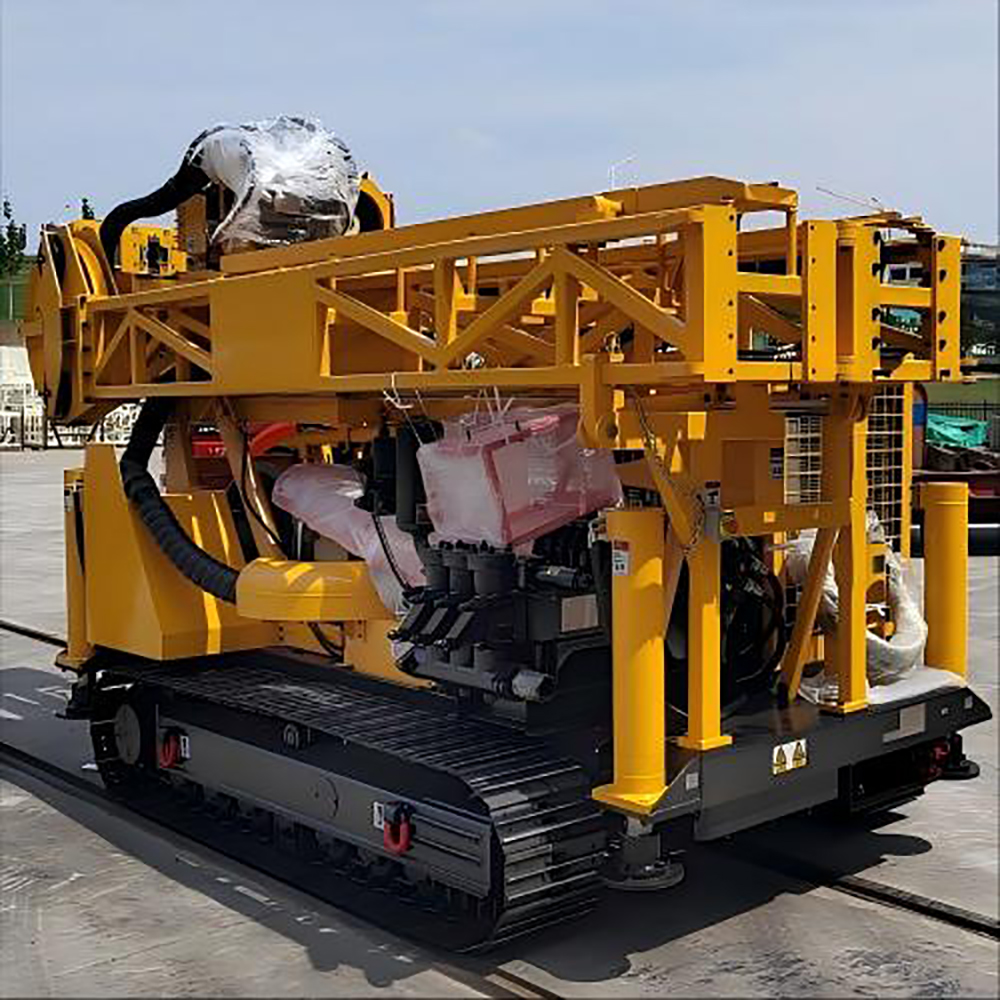
Indonesia has grown into a strategic base for drilling and mining equipment in Southeast Asia due to its strong domestic mining and energy sectors and its position as a regional export hub.
- The domestic mining equipment market is estimated around USD 2.5 billion in 2025 with an 8.1% CAGR expected through 2031, driven by coal, metals, and mineral development. [trade]
- The mining sector contributes close to one‑fifth of Indonesia's export revenues in recent years, reinforcing local demand for rigs and related services and encouraging the development of a robust services ecosystem. [pwc]
- Jakarta and surrounding regions host many drilling contractors and equipment service providers, creating a dense cluster of engineering talent, field crews, and logistics capacity tailored to rigs and related systems. [ensun]
For international buyers, this combination of strong domestic demand, export experience and clustering translates into competitive pricing, reasonable lead times, and suppliers who are familiar with cross‑border documentation and compliance.
To compile this list of leading drilling rig manufacturers and service providers in Indonesia, we use the following transparent criteria:
- Business focus and scale – Significant involvement in drilling rigs or drilling services (onshore, offshore, or mining), with visible operations or offices in Indonesia. [communitycollaborator.eauclairewi]
- Project track record – Evidence of large or technically complex drilling projects, including offshore jack‑up rigs, land rigs, or deep mining and exploration projects. [drillingcontractor]
- Certifications and HSE culture – Adoption of relevant ISO standards (ISO 9001, ISO 14001, ISO 45001, and, when applicable, ISO 29001) and emphasis on safety training and well control practices. [lrqa]
- International reach – Engagement with multinational clients (for example major NOCs, IOCs, or global mining houses), indicating familiarity with international contract standards and QA expectations. [communitycollaborator.eauclairewi]
- Service depth – Capability to provide life‑of‑rig services such as maintenance, spare parts, upgrades, and training.
This article focuses more on Indonesia‑based drilling contractors and regional rig players that buyers commonly engage with for turnkey projects and equipment, rather than purely global OEMs with no meaningful local footprint.
Apexindo is widely regarded as one of Indonesia's largest national drilling contractors, offering a comprehensive portfolio of onshore and offshore drilling services. [communitycollaborator.eauclairewi]
The company operates jack‑up rigs and land rigs that serve both domestic and international oil and gas operators, and has a long track record across Indonesian basins. [communitycollaborator.eauclairewi]
- Founded: 1980s (publicly listed on the Indonesia Stock Exchange)
- Core strengths: Offshore jack‑up rigs, onshore rigs, integrated drilling services, strong HSE culture and long‑term relationships with major operators. [communitycollaborator.eauclairewi]
- Main markets: Indonesia and regional Southeast Asia projects.
- OEM/OEM‑like services: Rig operation, maintenance, refurbishment, and technical support for complex offshore and onshore campaigns; limited full‑manufacture but deep operational engineering input.
Eastern Drilling Limited appears among the top drilling companies active in Indonesia, providing specialized drilling services and operating rigs for energy projects. [ensun]
Their expertise is typically focused on contract drilling with attention to operational efficiency and uptime.
- Founded: 2000s (group level)
- Core strengths: Offshore and onshore drilling services, project management, and experienced crews serving regional operators. [ensun]
- Main markets: Indonesia and broader Asia‑Pacific.
- OEM/OEM‑like services: Contract drilling, rig deployment and operation, project‑based modifications and upgrades, and maintenance programs integrated with drilling campaigns.
Indodrill Group, referenced among notable drilling companies in Indonesia, is known for exploration and production drilling services covering both surface and underground applications. [ensun]
The company provides rigs and crews for mineral exploration, geotechnical investigations, and related drilling services.
- Founded: 1990s (group history)
- Core strengths: Exploratory drilling in challenging terrains, heli‑portable rigs, and underground drilling services for mining clients. [ensun]
- Main markets: Indonesia, wider Southeast Asia, and international mining projects.
- OEM/OEM‑like services: Provision and operation of custom rigs suited to specific deposits, maintenance and overhaul of exploration rigs, and tailored drilling solutions for mine owners.
Shelf Drilling is a global jack‑up rig contractor with an established office in Jakarta, Indonesia, which supports its regional fleet and projects. [shelfdrilling]
The Jakarta office provides local coordination, logistics, client liaison, and technical support for rigs working in Indonesian waters.
- Founded: 2012 (global entity)
- Core strengths: Operation of jack‑up rigs for shallow‑water offshore drilling, strong safety culture, and standardized fleet management systems. [shelfdrilling]
- Main markets: Middle East, Southeast Asia (including Indonesia), West Africa.
- OEM/OEM‑like services: Turnkey offshore drilling services, rig refurbishment and upgrades, and integrated maintenance planning for long‑term campaigns.
Velesto Energy Berhad, a Malaysian drilling contractor, secured a drilling contract for its NAGA 8 jack‑up rig in Indonesia, underlining its active presence in the local market. [drillingcontractor]
The NAGA series rigs are typically deployed with comprehensive well engineering, drilling services, and maintenance support.
- Founded: 1970s–1980s (group origin as a Malaysian contractor)
- Core strengths: Jack‑up rig operations, integrated drilling services, and extensive HSE and training systems for offshore operations. [drillingcontractor]
- Main markets: Malaysia, Indonesia, and other Asia‑Pacific offshore plays.
- OEM/OEM‑like services: Operation and maintenance of offshore rigs, project engineering, and collaboration with OEMs for major upgrades and recertifications.
While some of the world's major rig OEMs are headquartered outside Indonesia, they often supply rigs and equipment into the Indonesian market via local agents or service centers. [drillmec]
Global manufacturers of land and offshore rigs (such as those tracked by industry sources and offshore rig company lists) remain relevant for buyers who need standardized designs accepted by multinational operators, but should be evaluated for their Indonesian service footprint case by case. [westwoodenergy]
| Company | Main Business in Indonesia | Typical Capacity / Fleet Scale* | Indicative MOQ for Equipment / Services* | Key Certifications / Focus* | Main Markets |
|---|---|---|---|---|---|
| Apexindo Pratama Duta | Onshore & offshore contract drilling | Multiple jack‑up and land rigs in fleet communitycollaborator.eauclairewi | Project‑based: multi‑well campaigns | ISO‑based QMS, strong HSE focus (operator‑driven) | Indonesia, SE Asia communitycollaborator.eauclairewi |
| Eastern Drilling Limited | Offshore / onshore contract drilling | Several rigs and drilling units regionally ensun | Project‑based, multi‑well contracts | ISO and operator standards, safety‑driven culture | Indonesia, Asia‑Pacific ensun |
| Indodrill Group | Mining & exploration drilling services | Multiple surface & underground rigs ensun | Project‑based, meters drilled | Mine HSE, quality systems, exploration specialization | Indonesia, global mining ensun |
| Shelf Drilling (Jakarta) | Jack‑up rig contractor with local office | Standardized fleet of jack‑up rigs shelfdrilling | Full rig deployments, multi‑year charters | ISO‑aligned QMS, offshore safety and environmental mgmt | Global incl. Indonesia shelfdrilling |
| Velesto (NAGA 8) | Offshore jack‑up drilling in Indonesia | NAGA series jack‑up rigs drillingcontractor | Project‑based, multi‑well programs | ISO standards, offshore HSE, client‑driven compliance | Malaysia, Indonesia drillingcontractor |
Note: Capacity, MOQ and certifications are generalized based on public information and standard contractor practices; always request up‑to‑date documentation directly from the supplier. [shelfdrilling]

When assessing rig suppliers (manufacturers or contractors), technical depth and compliance readiness often differentiate commodity providers from strategic partners.
1. Structural design and materials
- Land rigs and jack‑ups should use high‑strength structural steels with documented yield and tensile properties suitable for mast and substructure loading, including fatigue considerations in cyclic loading.
- For diamond core and exploration rigs, look at frame design stiffness, transportability, and the quality of feed and rotation systems, especially when rigs are used in heli‑portable or underground environments.
- Welding procedures should follow recognized codes, with qualified welders and procedure qualification records (PQR), plus NDT (MT, UT, RT) for critical joints.
2. Mechanical, hydraulic, and control systems
- Check that hoisting, rotary, and circulation systems use recognized component brands and are sized for the target depth, hook load and torque requirements relevant to your projects.
- Hydraulic systems should include proper filtration, cleanliness targets (ISO cleanliness classes), and documented pressure testing at or above working pressure.
- Modern rigs increasingly integrate electronic control systems, remote monitoring, and safety interlocks; buyers should review software validation practices and cybersecurity considerations for connected rigs.
3. HSE, environmental, and electrical compliance
- Indonesia‑focused operators often align with international safety expectations, including well control standards and training provided by IADC or IWCF‑certified courses. [neotekinovasi]
- For rigs destined for export or multinational operations, ensure compliance with CE marking for relevant assemblies, ATEX or equivalent requirements in hazardous areas, and RoHS restrictions for electrical and electronic sub‑systems where applicable.
- Environmental compliance includes spill containment, noise reduction, waste handling, and emissions control; these may be governed by both Indonesian regulations and client standards.
4. Sector‑specific quality standards
- Oil & gas projects increasingly look to ISO 29001 as a sector‑specific QMS standard that builds on ISO 9001 and codifies quality expectations throughout the petroleum supply chain. [lrqa]
- Mining and exploration projects may emphasize ISO 14001 and ISO 45001 due to environmental sensitivity and worker safety in remote areas. [gabrielregistrar]
- Use international registrars' databases or the issuing body's public directories to verify ISO 9001, ISO 14001, ISO 45001 and ISO 29001 certificates; cross‑check company name, address, and validity dates. [lrqa]
- Request color scans of certificates plus the contact of the certifying body, and verify directly when dealing with high‑value contracts.
- For offshore contractors, ask for classification society documents (ABS, DNV, Lloyd's, etc.) relating to rig class, and confirm status through class society portals.
- For rig manufacturers, start with component‑level samples (e.g., mast sections, hydraulic power units, drilling tools) to inspect welding quality, machining tolerances, and coating performance before committing to full rigs.
- For drilling contractors, request pilot wells or trial campaigns with clearly defined KPIs such as NPT (non‑productive time), safety performance, and equipment uptime.
- Include acceptance testing procedures (FAT/SAT) in the contract and ensure they are aligned with your internal drilling and HSE standards.
- Conduct on‑site factory or yard visits in Indonesia to observe fabrication, assembly, maintenance, and documentation practices first‑hand.
- When internal resources are limited, appoint independent third‑party inspectors familiar with drilling equipment to perform pre‑shipment inspections or periodic rig audits.
- For offshore projects, insist on pre‑mobilization inspection reports and clear rectification timelines for any findings.
- Indonesia's role as a mining and energy hub means many contractors are experienced with cross‑border logistics, but customs documentation and local permits must still be planned carefully. [trade]
- For equipment exports from Indonesia, confirm HS codes, certificate of origin, and any required test reports (e.g., pressure vessel approvals) for the destination market.
- Consider local warehousing for critical spares within Indonesia or your operational region to reduce downtime caused by shipping lead times.
Pitfall 1: Material downgrading and traceability gaps
A recurring risk in heavy equipment sourcing is "paper compliance": mill certificates show one material grade while actual components use lower‑grade steel or unverified batches.
To mitigate this, make traceability non‑negotiable—heat numbers must be stamped on key parts and linked to MTCs, and random third‑party chemical or mechanical testing should be included in contracts.
Pitfall 2: Under‑engineered masts and substructures
Some low‑cost rigs meet static load requirements on paper but are not engineered for fatigue and dynamic loads, leading to premature cracking.
Insist on FEA reports or equivalent engineering justification for main load‑bearing structures, and review prior failure history and any design modifications the supplier has implemented.
Pitfall 3: Over‑optimistic lead times
Given the strong growth in Indonesia's mining and equipment sector, some suppliers over‑promise delivery schedules to win contracts. [6wresearch]
Protect yourself with contractual liquidated damages for delays, milestone‑based payments, and independent progress monitoring.
Pitfall 4: Incomplete HSE integration
Rigs may be mechanically sound but fall short on safety systems, such as inadequate guarding, poor emergency shutdown logic, or lack of formal well control training for crews. [neotekinovasi]
Include HSE audits and training requirements in the scope and ensure compliance with your corporate and regulatory frameworks.
In the drilling rig world, there is an internal rule of thumb that many experienced buyers follow but rarely publish: "Never judge a rig contractor by the rig nameplate alone—judge them by their last 12 months of downtime and incident reports."
Suppliers can showcase brand‑new or freshly refurbished rigs, but what really differentiates a reliable partner in Indonesia's demanding environments is how they manage unplanned events:
- Ask for anonymized incident and downtime statistics for the previous 12 months, broken down by root cause (equipment failure, procedural error, logistics, weather).
- Request evidence of how lessons learned have been translated into design changes, maintenance routines, or crew training—for example, a recurring top drive issue that led to a redesign or supplier change.
- If a supplier is unwilling to share trend‑level data (without revealing client names), treat this as a warning sign; serious players usually monitor and use this data internally and can discuss it at least at aggregate level.
This "downtime and incident lens" has quietly saved many senior drilling and mining procurement managers from high‑visibility project failures, even though it rarely appears in public sourcing checklists.
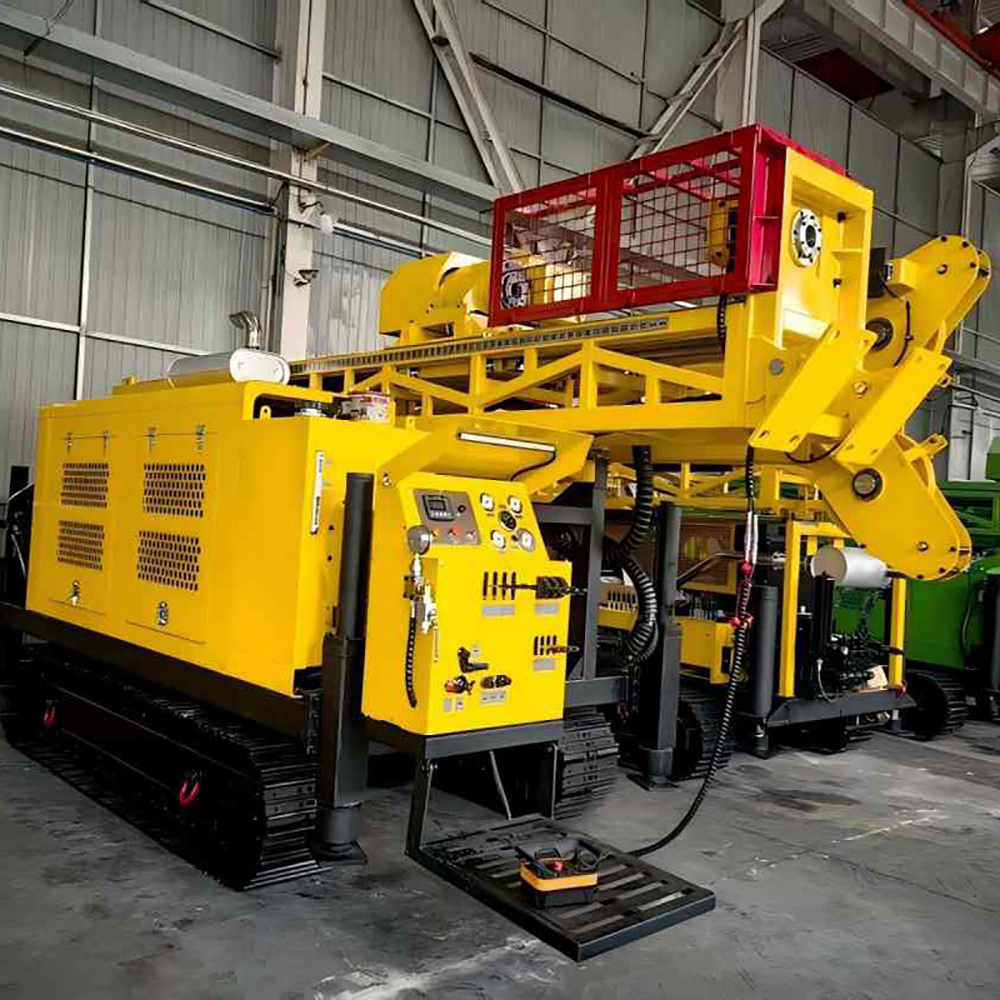
Indonesia's drilling rig landscape combines strong domestic demand, a growing mining and energy equipment market, and a cluster of capable contractors and suppliers that can support regional and global projects. [pwc]
By focusing on transparent criteria—certifications, engineering competence, QC discipline, HSE integration, and real downtime performance—buyers can identify partners capable of supporting complex, long‑term drilling programs rather than just one‑off deliveries.
If you are planning to source surface, heli‑portable, or underground core rigs or to engage Indonesian contractors for offshore or onshore campaigns, systematically apply the selection and verification steps in this guide, then shortlist 2–3 suppliers for deeper technical and commercial evaluation.
Use the issuing certification body's online directory or contact them directly with the certificate number, company name, and address to confirm validity dates and scope. [gabrielregistrar]
Avoid relying solely on PDF copies; add a clause that any falsified or expired certificates constitute material breach of contract.
Specify mandatory material test certificates (MTCs) with traceable heat numbers, then commission random third‑party lab testing of plates, profiles, and welds from finished structures to compare chemistry and mechanical properties to the MTCs and design requirements.
Include NDT coverage requirements (percentage of weld length) and acceptance criteria in the technical specification.
Request their HSE manual, well control procedures, and recent IADC/IWCF training records for key crew members. [neotekinovasi]
Also ask for incident statistics and evidence of management involvement in safety (e.g., leadership site visits, safety campaigns, behavioral safety programs).
Many buyers start with a pilot contract or limited‑scope project with clearly defined KPIs for safety, uptime, and delivery, plus options for expansion if targets are met.
Milestone‑based payments, retention for warranty, and independent inspection rights provide further protection.
Look beyond day rates or purchase price and model TCO over several years, including fuel consumption, crew costs, spare parts pricing and availability, expected downtime, mobilization/demobilization costs, and potential penalties from client‑side delays.
Suppliers who can provide detailed lifecycle cost data and reliability statistics are usually better prepared for long‑term partnerships.
1. 6Wresearch – *Indonesia Mining Machinery and Equipment Market Outlook* (market size USD 2.5 billion in 2025 and expected CAGR through 2031). [6wresearch]
2. U.S. International Trade Administration – *Indonesia – Mining* (market value, growth outlook and segment projections including underground mining equipment CAGR). [trade]
3. PwC Indonesia – *Mining in Indonesia Investment and Taxation Guide 2025* (mining sector export contribution and macro context). [pwc]
4. ensun.io – *Top Drilling Companies in Indonesia* (listing including Indodrill EMEA Ltd and Eastern Drilling Limited). [ensun]
5. Article "Top Indonesia Drilling Rig Companies: A Detailed Overview" (description of Apexindo Pratama Duta as a leading Indonesian‑owned drilling contractor). [communitycollaborator.eauclairewi]
6. Shelf Drilling – *Indonesia Office* contact page (Jakarta office details and regional presence). [shelfdrilling]
7. Gabriel Registrar – *ISO Training in Indonesia* (overview of ISO 9001, 14001, 45001 adoption and training in Indonesia). [gabrielregistrar]
8. LRQA – *ISO 29001 – Oil & gas certification* (description of ISO 29001 as a QMS standard for petroleum, petrochemical and natural gas industries). [lrqa]
9. Westwood Global Energy – *Global Land Drilling Rigs Tracker* (global context for land rig activity and tracking methodology). [westwoodenergy]
10. Mordor Intelligence – *Offshore Drilling Rigs – Top Companies* (context on global offshore rig OEMs and contractors). [mordorintelligence]
11. Velesto – contract announcement for NAGA 8 jack‑up rig in Indonesia (evidence of Velesto's active drilling operations in Indonesia). [drillingcontractor]


