
Views: 222 Author: CORTECH Publish Time: 2026-05-21 Origin: Site


Sonic drilling has moved from niche technology to a mainstream choice for geotechnical, environmental, and mineral exploration projects because it delivers faster penetration, cleaner sites, and higher‑quality cores compared with many conventional drilling methods. For drilling contractors and mining or engineering companies investing in modern core rigs—such as all‑hydraulic diamond core rigs for surface and underground work—understanding how sonic systems fit into your fleet is now a strategic capability, not a luxury. [royaleijkelkamp]
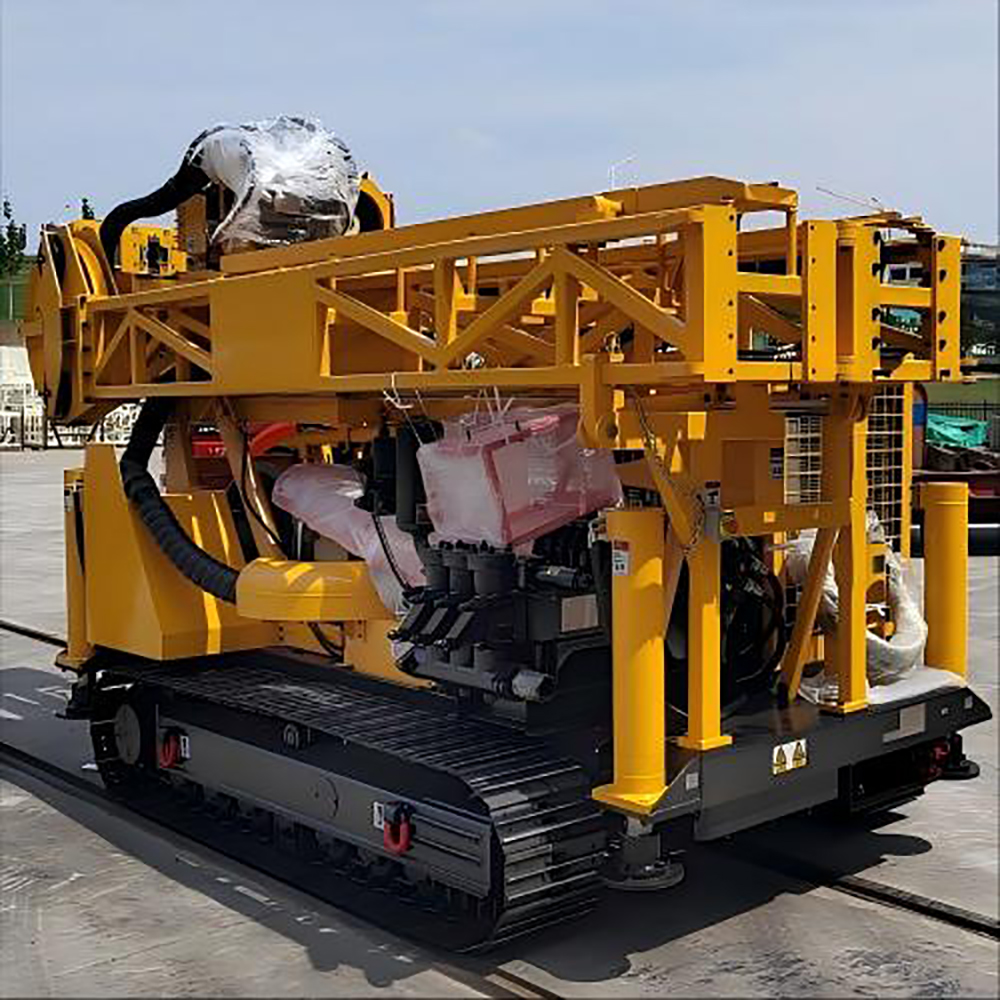
Sonic drilling is a high‑frequency, vibration‑assisted drilling method that advances a core barrel or casing using resonant energy combined with rotation and down‑pressure. Instead of relying solely on bit weight and rotational torque, the sonic head generates vibrations (typically 50–150 Hz) that significantly reduce friction between the drill string and surrounding formation. [mateco]
In practical terms, a sonic rig uses two counter‑rotating eccentric weights inside the drill head to create mechanical vibrations that travel down the drill string. When the system reaches resonance—the point where the vibration frequency matches the natural frequency of the drill string—maximum energy is delivered to the bit face while friction along the string drops dramatically. This combination allows fast penetration rates, even in dense, mixed, or unconsolidated formations that are challenging for conventional rotary systems. [research.engineering.ucdavis]
From an operator's standpoint, the sonic process feels different from standard rotary drilling, but the workflow is highly repeatable once understood. A typical sonic drilling sequence includes: [royaleijkelkamp]
1. Core barrel advancement
The driller advances the core barrel using sonic frequencies, often with little or no drilling fluid, air, or mud. As vibration energy increases and approaches resonance, sidewall friction is minimized and more of the energy is focused at the bit, making penetration faster and smoother. [royaleijkelkamp]
2. Casing advancement
Once the core barrel is filled, the outer casing is advanced sonically over the core barrel, stabilizing the borehole and preventing collapse in soft or unconsolidated formations. This fully cased hole design is one of the reasons sonic techniques can be used safely in contaminated or environmentally sensitive sites. [royaleijkelkamp]
3. Core retrieval
The core barrel is retrieved to the surface, typically producing a relatively undisturbed sample with near‑continuous core recovery. In many projects, clients report close to 100% core recovery with deviation control better than 1%, even at significant depths. [research.engineering.ucdavis]
4. Repeat to depth
The process—advance barrel, advance casing, retrieve core—is repeated in stages, enabling continuous coring through heterogeneous and unconsolidated formations. Sonic rigs have demonstrated continuous coring at depths exceeding 200 m, with excellent core continuity and integrity. [royaleijkelkamp]
For contractors operating modern surface core drilling rigs, modular heli‑portable rigs, and underground core rigs, this repeatable process allows sonic units to slot into existing workflows while drastically improving sample quality in complex formations. [linkedin]

Sonic technology brings a combination of speed, sample quality, and environmental performance that is difficult to match with conventional drilling alone. The most important advantages include: [mateco]
- Significantly faster penetration
Because friction along the drill string is reduced, sonic drilling can be 3–5 times faster than many conventional methods, depending on formation type, with daily production often reaching 80 m or more. [mateco]
- Superior sample integrity and core recovery
Sonic systems can deliver continuous, nearly undisturbed cores, even through unconsolidated or layered materials that typically create recovery problems. Near‑continuous recovery and low deviation support more confident geological, geotechnical, and environmental interpretations. [research.engineering.ucdavis]
- Reduced waste and environmental impact
Sonic drilling can often be performed with minimal or no drilling fluids, which cuts waste volumes by up to 80% compared to fluid‑intensive methods. This reduces disposal costs and is especially valuable on contaminated or sensitive sites. [mateco]
- Versatility across formations and markets
Sonic rigs can handle a wide range of soil and rock types—from fine alluvium with interbedded clays to coarse gravels and boulders—while maintaining borehole integrity with continuous casing. [research.engineering.ucdavis]
- Safer work environment
Less drilling fluid means fewer slip hazards at the rig floor, and sealed sample sleeves reduce operator exposure to contaminated materials. [royaleijkelkamp]
These advantages explain why sonic rigs are increasingly specified for environmental, geotechnical, construction, water, and mineral exploration projects where data quality and schedule certainty are critical. [mateco]
Across the industry, sonic drilling is gaining traction wherever core quality, schedule, and environmental performance drive project economics. Common applications include: [research.engineering.ucdavis]
- Environmental site characterization and remediation sampling
- Geotechnical investigations for infrastructure and construction projects
- Water well and dewatering well construction
- Lithological profiling and observation wells
- Mineral exploration and resource delineation
- Seismic and geophysical drilling programs [research.engineering.ucdavis]
Because sonic technology provides continuous sampling through unconsolidated and mixed formations, it is particularly valued in complex overburden and transition zones above bedrock. For contractors operating advanced all‑hydraulic core rigs, integrating sonic capability can significantly improve the value of the data they deliver to owners and consultants. [linkedin]
From an engineering and commercial perspective, the real question is not "Is sonic better?" but "Where does sonic deliver the greatest ROI vs conventional methods?" [mateco]
| Aspect | Sonic Drilling | Conventional Rotary/Core Drilling |
|---|---|---|
| Penetration rate | Typically 3–5× faster in many soils royaleijkelkamp | Highly formation‑dependent; slower in mixed/unconsolidated ground |
| Core recovery & continuity | Near‑continuous cores, minimal disturbance royaleijkelkamp | Breaks, washouts, and recovery gaps common in difficult formations |
| Fluid and waste generation | Often little to no fluid, up to 80% less waste royaleijkelkamp | Requires fluids; higher cuttings and waste volumes |
| Borehole stability | Continuous casing with sonic advancement royaleijkelkamp | Casing more intermittent; higher collapse risk in soft formations |
| Environmental suitability | Well suited for contaminated and sensitive sites royaleijkelkamp | Fluid handling and waste disposal are larger constraints |
| Capital & operating cost | Higher equipment cost; offset by productivity and data quality royaleijkelkamp | Lower initial cost, but more time, more waste, and sometimes re‑drills |
In practice, many contractors operate both sonic and conventional core rigs, selecting the optimal method for each formation and project phase to balance cost and data quality. [linkedin]

Modern drilling fleets increasingly combine sonic rigs with all‑hydraulic diamond core rigs for surface, underground, and heli‑portable operations. Manufacturers like CORTECH, established as a high‑tech provider of all‑hydraulic core drilling rigs in China, have concentrated on surface core rigs, modular heli rigs, and underground core rigs that deliver stable torque, high pullback, and precise drilling control. [cortechdrilling]
When you integrate sonic capability into such a fleet, several strategic synergies emerge:
- Use sonic to tackle complex overburden, then switch to conventional core rigs in competent bedrock. This minimizes risk of refusal or unstable holes in the upper profile while still utilizing high‑productivity core rigs for deep mineral exploration. [royaleijkelkamp]
- Leverage sonic for high‑resolution environmental and geotechnical profiles, then deploy underground or surface core rigs to follow up with deeper bedrock investigations, directional holes, or larger diameter bores. [linkedin]
- Combine modular surface and heli‑portable rigs with sonic support on remote projects, ensuring both rapid mobilization and high‑quality subsurface data across varied terrain. [linkedin]
For contractors and mining or engineering owners, this hybrid fleet strategy aligns technology choice with formation risk, data quality requirements, and project budget, rather than forcing a single method into every scenario. [mateco]
From a driller's viewpoint, sonic technology adds new capabilities but also introduces new control variables. Experienced rotary drillers who transition to sonic highlight several practical differences: [royaleijkelkamp]
- Energy management becomes as important as weight‑on‑bit. Operators must tune frequency and amplitude to match formation response, watching vibration, torque, and penetration behavior. [mateco]
- Hole cleaning and waste control become more efficient but require planning. Less fluid does not mean no fluid management; cuttings and minimal returns still need environmentally sound handling. [royaleijkelkamp]
- Training and maintenance discipline are essential. Sonic heads, high‑frequency components, and hydraulic systems require rigorous inspection, lubrication, and preventive maintenance schedules to maintain uptime. [linkedin]
Contractors adopting sonic rigs often report that once crews are trained, project cycle times shrink while data quality improves, leading to strong repeat business from geotechnical, environmental, and mining clients. [mateco]
If you are evaluating sonic drilling for your next program, consider these practical criteria drawn from industry experience and published case examples: [research.engineering.ucdavis]
1. Formation risk and complexity
- Use sonic where unconsolidated, heterogeneous, or boulder‑rich overburden threatens hole stability or core recovery.
- In simple, competent rock with low environmental constraints, conventional core rigs may remain the most cost‑effective option.
2. Data quality requirements
- If your project requires continuous, relatively undisturbed cores for geotechnical design, contamination delineation, or resource modeling, sonic is a strong candidate. [research.engineering.ucdavis]
- For purely reconnaissance work with lower data resolution requirements, conventional methods may be sufficient.
3. Environmental and regulatory constraints
- On contaminated industrial sites, urban environments, or protected areas, the reduced waste and fluid use of sonic drilling can simplify permitting and reduce remediation costs. [royaleijkelkamp]
4. Schedule and access
- Tight timelines and congested sites benefit from faster penetration and reduced mobilization of waste handling equipment. [mateco]
- If access is extremely constrained or helicopter‑based, combining sonic with modular or heli‑portable core rigs can create a flexible solution. [linkedin]
5. Fleet strategy and long‑term ROI
- Evaluate sonic not just on day rates but on total delivered cost per usable meter of core, including re‑drills, waste handling, and the value of high‑quality data. [royaleijkelkamp]
While sonic rigs provide unique capabilities, many projects still rely on high‑performance all‑hydraulic diamond core rigs for the majority of drilling meters—and that is where manufacturers like CORTECH create value. CORTECH, established as a specialized manufacturer of all‑hydraulic diamond core rigs in China, focuses on: [made-in-china]
- CORE SURFACE DRILL rigs for surface mineral exploration, combining high pullback capacity, precise feed control, and robust mast structures.
- CORE HELI DRILL modular rigs optimized for remote or mountainous terrain where components must be heli‑portable without sacrificing performance.
- CORE U/G DRILL underground rigs designed for confined headings, low backs, and high‑accuracy underground drilling in mines and tunnels. [cortechdrilling]
When these rigs are integrated into a broader drilling program that includes sonic capability, contractors obtain a complete solution across the full depth profile—from complex near‑surface formations to deep exploration drilling in hard rock. This fleet composition enables them to meet the demanding expectations of mining companies, engineering firms, and regulators while maintaining competitive economics. [made-in-china]

If you are planning a drilling campaign where sample quality, schedule, and environmental performance matter, now is the time to evaluate how sonic technology and advanced all‑hydraulic core rigs can work together in your fleet. Engaging early with a manufacturer or drilling partner who understands both sonic systems and high‑performance surface, heli‑portable, and underground core rigs will help you optimize method selection, rig sizing, and project budgeting from the start. [cortechdrilling]
Whether you are an environmental consultant, geotechnical engineer, or mining project owner, consider partnering with a specialized core rig manufacturer such as CORTECH to design a drilling solution that combines sonic technology with robust core drilling platforms tailored to your formations, access conditions, and program objectives. [made-in-china]
No, but in many unconsolidated or mixed formations, sonic drilling can achieve penetration rates 3–5 times higher than conventional methods because it reduces sidewall friction along the drill string. In simple, competent rock, speed gains may be smaller, and conventional core rigs may remain the most economical option. [research.engineering.ucdavis]
Not completely in most fleets. Sonic is a powerful complement that excels in complex overburden, environmental programs, and high‑resolution geotechnical investigations. Many contractors use sonic for difficult near‑surface zones and conventional all‑hydraulic diamond core rigs, such as surface and underground units, for deeper work in hard rock. [linkedin]
Sonic rigs often operate with minimal or no drilling fluids, reducing mud volumes and cuttings by up to 80% compared with some conventional methods. This not only cuts disposal costs but also makes sonic especially attractive for contaminated sites, urban environments, and sensitive ecosystems. [mateco]
Operators must learn to control vibration frequency, amplitude, down‑pressure, and rotation in response to formation behavior rather than relying only on torque and weight‑on‑bit. Successful contractors invest in structured training programs, OEM support, and preventive maintenance practices to keep the sonic head and hydraulic systems performing reliably. [linkedin]
Sonic systems excel in challenging overburden and high‑resolution investigations, while advanced hydraulic core rigs—such as surface, heli‑portable, and underground rigs manufactured by CORTECH—deliver efficient, accurate drilling in deeper, competent formations. A combined fleet lets you match drilling technology to formation and project goals, improving both data quality and overall project economics. [cortechdrilling]
1. Royal Eijkelkamp – "Understanding sonic drilling."
https://www.royaleijkelkamp.com/en-us/academy/knowledge-hub/understanding-sonic-drilling/ [royaleijkelkamp]
2. MATECO – "Sonic Drilling Services | High-Frequency Power for Precision Subsurface Investigation."
https://www.mateco.com/sonic-drilling/ [mateco]
3. UC Davis Engineering Research – "Sonic Drilling – Geotechnical Photo Album."
https://research.engineering.ucdavis.edu/gpa/site-characterization/sonic-drilling/ [research.engineering.ucdavis]
4. CORTECH Drilling Equipment Co., Ltd – Official website.
https://www.cortechdrilling.com [cortechdrilling]
5. CORTECH Drilling Equipment Co., Ltd – Company profile.
https://www.linkedin.com/company/cortech-drilling-equipment-co-ltd [linkedin]
6. CORTECH Drilling Equipment Co., Ltd – Product and company listing.
https://www.made-in-china.com/showroom/cortechdavid/ [made-in-china]


