
Views: 213 Author: CORTECH Publish Time: 2026-10-17 Origin: Site


Content Menu
● What Makes a Diamond Core Drill the Best for Your Project?
● Which Type of Diamond Core Drill Do You Need?
● How to Compare the Best Diamond Core Drilling Rigs
>> Match Depth Capacity to the Actual Drill String
>> Compare Torque Across the Working Speed Range
>> Evaluate Feed Control and Pullback Separately
>> Assess the Entire Wireline Retrieval System
● Which Diamond Core Drill Bit Works Best in Different Ground?
● Why the Fastest Penetration Rate May Not Deliver the Best Value
● A Practical Cost Comparison: Price per Rig vs. Cost per Accepted Meter
● Build a Weighted Diamond Core Drill Selection Scorecard
● How to Validate a Diamond Core Drilling Rig Before Purchase
>> Step 1: Issue a Complete Application Brief
>> Step 2: Request a Matched Equipment Proposal
>> Step 3: Review Evidence Behind Performance Claims
>> Step 4: Agree on Acceptance Checks
>> Step 5: Confirm the Support Plan
● Where CORTECH Fits in Your Diamond Core Drill Shortlist
● Choose a Diamond Core Drill Around Your Drilling Program
>> 1. Which diamond core drill is best for mineral exploration?
>> 2. Is a fully hydraulic diamond core drill always better?
>> 3. Can one diamond core drill bit handle every formation?
>> 4. How should I compare maximum drilling depths?
>> 5. Does wireline drilling eliminate rod trips?
>> 6. What should I send CORTECH for a recommendation?
The best diamond core drill is the one that matches your geology, target depth, core size, and operating conditions while delivering reliable samples at a competitive total cost. For surface mineral exploration, a fully hydraulic wireline diamond core drilling rig is often the right equipment category. However, the largest engine or highest advertised depth does not automatically make a machine the best choice.
At CORTECH, our starting point is the drilling program—not a universal "best machine" claim. A productive solution combines the rig, diamond bit, drill string, core barrel, drilling fluid, and technical support.
This guide focuses on exploration equipment rather than handheld concrete coring tools. It explains how to compare diamond core drilling rigs, identify misleading specifications, and build a purchase decision around sample quality and project economics.

A diamond core drilling system cuts an annular opening around a cylindrical rock sample. The recovered core helps geologists assess mineralization, geological structures, and subsurface conditions.
The machine matters, but it operates as part of a larger system. An unsuitable bit can restrict a capable rig. Poor flushing can undermine cutting performance. An unreliable retrieval assembly can interrupt otherwise efficient drilling.
A practical selection should balance:
- Required drilling depth and hole diameter.
- Rock hardness, abrasiveness, and fracturing.
- Core recovery and sample condition.
- Rotation, feed, and pullback capability.
- Access, transport, and site preparation.
- Consumables availability and maintenance support.
- Total cost per accepted meter.
The best diamond core drill therefore changes with the project. A compact rig may outperform a larger machine where mobilization is difficult, while a deeper program may justify greater lifting capacity and a more substantial support package.
Before comparing manufacturers, confirm that you are evaluating the correct equipment category.
| Equipment type | Typical application | Main purchasing priority |
|---|---|---|
| Handheld or stand-mounted concrete core drill | Openings through concrete or masonry | Hole diameter, mounting, and material compatibility |
| Surface wireline diamond core rig | Mineral exploration from surface | Depth, core size, retrieval efficiency, and mobility |
| Modular exploration rig | Locations with restricted transport access | Module weights, assembly requirements, and capacity |
| Underground diamond core rig | Exploration from underground workings | Working envelope, drilling angles, and installation needs |
For CORTECH's CORE SURFACE DRILL applications, the relevant comparison is between exploration rigs—not construction drills.
Wireline equipment retrieves the sample-receiving inner tube through the drill string using an overshot and cable. Routine core retrieval therefore does not require removing the entire rod string. The rods still need to be withdrawn for operations such as replacing the bit.
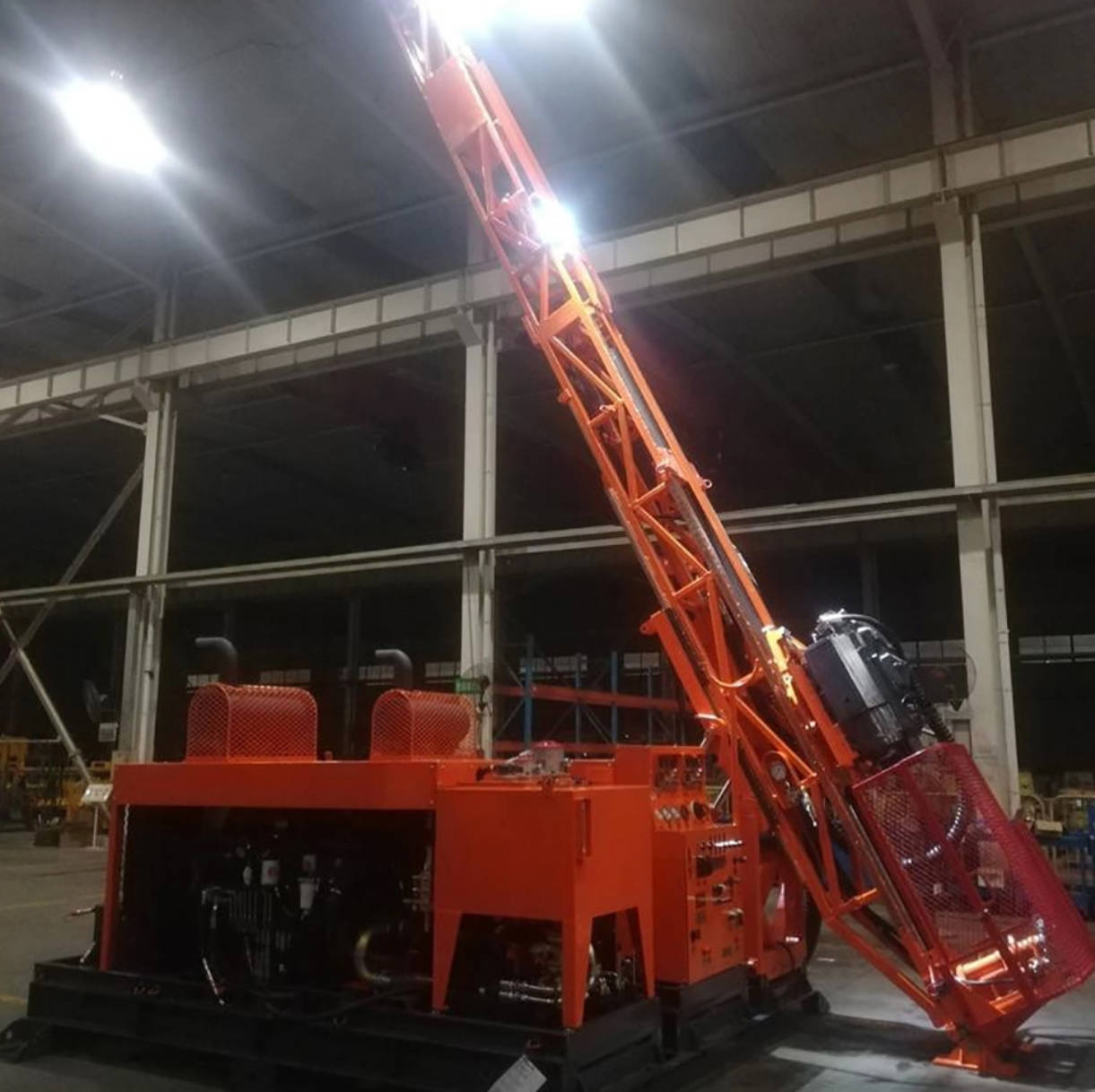
An advertised maximum depth is not a complete operating specification.
Ask which rod size, hole orientation, drill-string configuration, and operating assumptions support the rating. Larger core sizes generally change the capacity available from the same machine.
Also distinguish the rig's maximum capability from the conditions under which it can work productively throughout a campaign.
For example, a proposed 1,000-meter hole requires more than a brochure showing a matching number. The supplier should explain the lifting requirements, tooling selection, circulation arrangement, and operating limitations behind its recommendation.
Maximum torque and maximum rotational speed rarely describe the same operating point.
Request the available speed ranges and corresponding torque. Then ask the supplier to relate them to your planned bit diameters and formations.
The important question is not "Which machine has the highest number?" It is "Can this machine deliver suitable rotation under the conditions our drilling program requires?"
Avoid accepting an engine-power figure as a substitute for a meaningful discussion of rotary-head performance.
Feed control regulates how the drilling system applies load to the bit. Pullback provides lifting capability.
Both matter, but they solve different problems. More lifting force does not necessarily mean more sensitive drilling control.
Ask the supplier to explain:
- How operators monitor and adjust drilling load.
- How feed responds when formations change.
- What the stated pullback rating represents.
- Which operating limits apply to rods, clamps, and lifting components.
Evaluate the complete load path rather than one headline specification.
A high-speed winch alone does not guarantee fast core cycles.
Retrieval also depends on the cable arrangement, overshot, head assembly, latch condition, tube handling, and operator procedures. Compatibility and wear within these components affect reliability.
Check the working configuration, not just bare-drum speed. Ask how retrieval performance changes as cable accumulates on the drum and as drilling depth increases.
The best diamond core drill rig still needs a suitable bit.
Bit selection should consider rock hardness, abrasiveness, fracture conditions, available power, and the balance between penetration rate and service life. Matrix names and classification systems are manufacturer-specific, so product labels should not be treated as universal standards.
| Ground or operating condition | Selection priority | What to discuss with the tooling supplier |
|---|---|---|
| Hard, competent rock | Effective cutting with controlled wear | Matrix, diamond specification, and operating range |
| Abrasive formations | Resistance to premature crown wear | Matrix durability and expected wear pattern |
| Broken or fractured ground | Robust cutting and sample protection | Crown geometry, barrel arrangement, and flushing |
| Alternating formations | Adaptability between changing intervals | Trial strategy and alternative bit options |
| Fragile core | Reduced sample disturbance | Discharge design and appropriate core-barrel configuration |
Waterway geometry also matters. It influences fluid passage, cuttings removal, and pressure around the cutting face.
For fragile formations, a supplier may recommend face-discharge features or a suitable triple-tube system. These options need application-specific assessment; neither can guarantee recovery independently of geology and operating practice.
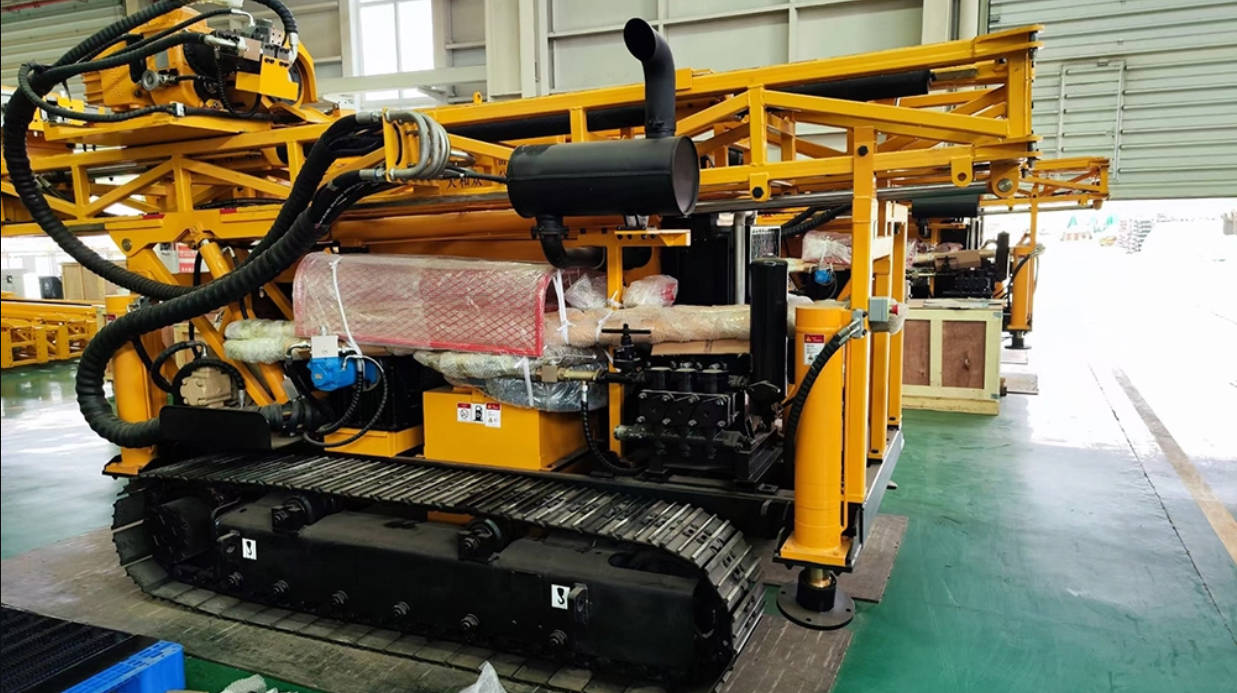
A drilling campaign earns its value from usable geological information—not simply from rapid cutting.
A bit that penetrates quickly but wears out frequently may create additional rod trips. As depth increases, those interruptions can become more consequential.
Similarly, fast advance accompanied by poor sample recovery may leave the project with missing information and potential repeat work.
A better performance review tracks:
1. Penetration rate during drilling.
2. Total meters completed per shift.
3. Core recovery and sample condition by interval.
4. Bit life and replacement frequency.
5. Retrieval, maintenance, and other non-drilling time.
6. Cost per meter meeting the project's acceptance criteria.
These measurements help distinguish genuine productivity from a short-lived speed advantage.
Purchase price is only one part of ownership cost.
A useful comparison includes mobilization, labor, fuel, tooling, drilling fluids, maintenance, and the consequences of downtime. Define what counts as an accepted meter before comparing alternatives.
Consider this illustrative scenario—not a CORTECH field result:
| Measure | Option A | Option B |
|---|---|---|
| Daily operating cost | $3,000 | $3,300 |
| Accepted meters per day | 60 | 75 |
| Cost per accepted meter | $50 | $44 |
Option B costs more to operate each day but delivers accepted meters at a lower unit cost.
The example does not prove that a larger or more expensive rig is preferable. It shows why purchase decisions should connect expenditure to output quality.
Use your own operating assumptions and test them against realistic downtime, access constraints, and consumable consumption.
A structured scorecard makes supplier comparisons more consistent.
The following weights are a proposed purchasing framework, not an industry standard:
| Evaluation category | Suggested weight |
|---|---|
| Technical fit for depth, diameter, and geology | 30% |
| Sample-quality capability and control | 20% |
| Service, spare parts, and maintainability | 20% |
| Mobilization and site compatibility | 15% |
| Lifecycle economics | 15% |
Score each supplier from one to five using documented evidence.
Adjust the weights to suit the project. A remote campaign may prioritize logistics and spare parts. A sample-sensitive investigation may place greater emphasis on recovery methods and operating control.
Apply mandatory requirements before scoring. A machine that cannot meet an essential transport, capacity, or safety requirement should not win through strengths elsewhere.
Provide the target depth, core sizes, drilling angles, expected geology, altitude, climate, access conditions, and available water.
Include uncertainties. If the formation is poorly understood, the supplier needs to know rather than assume favorable conditions.
Ask for the rig, rods, core barrels, bits, casing, pump, and supporting equipment as a coordinated package.
Require the supplier to identify compatibility limits and explain any proposed substitutions.
Request relevant technical documentation and comparable operating references where available.
Separate manufacturer claims from independently verified results. A recovery percentage from competent rock does not establish the same outcome in fractured ground.
Define inspection and testing requirements before shipment.
These may include control-function checks, hydraulic operation, leakage inspection, documentation review, and agreed demonstrations. Any loaded test needs an appropriate procedure and qualified supervision.
Specify commissioning responsibilities, operator training, recommended spares, warranty terms, and technical-response arrangements.
For remote projects, a clear parts list and realistic delivery plan may be more valuable than a broad promise of worldwide support.
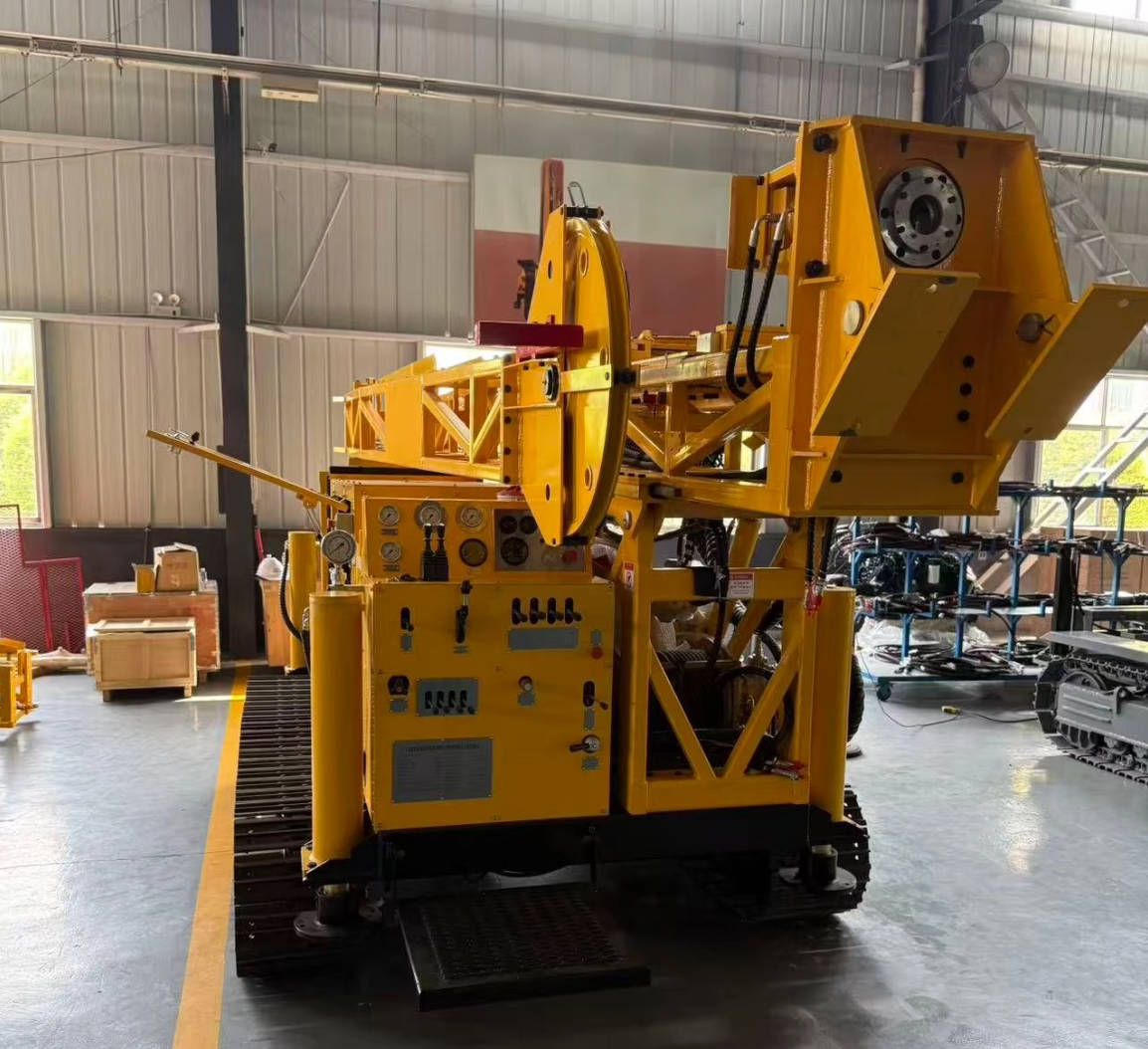
CORTECH develops and manufactures fully hydraulic diamond core drilling equipment, including surface exploration rigs.
Its published surface range includes COREMASTER models, with some listings also identifying former CSD designations. Buyers should confirm the current model name and configuration when requesting quotations.
From our manufacturing perspective, the strongest recommendation begins with an application review. We would rather identify the right configuration than recommend the largest machine without understanding the drilling program.
Compare a proposed CORTECH solution against the same criteria used for other suppliers:
- Documented capacity for your intended tooling.
- Suitable rotary and feed performance.
- Site-compatible transport and installation.
- Maintainable hydraulic and mechanical arrangements.
- Clear tooling and spare-parts requirements.
No model should be described as universally best without comparable application evidence.
The best diamond core drill delivers the required geological information with manageable operating risk and competitive lifecycle cost. Its value comes from how well the complete system fits the job.
Contact CORTECH with your drilling specifications and request an application-matched surface core drilling proposal. Ask for the recommended configuration, capacity assumptions, tooling package, and support scope so your team can evaluate the offer on clear technical and commercial grounds.
A wireline diamond core drilling rig is an appropriate category when the project requires cylindrical rock samples. The best configuration depends on depth, core diameter, geology, access, and sample-quality requirements.
Not automatically. Hydraulic control can provide useful operating flexibility, but suitability also depends on system design, maintenance capability, operator training, and project economics. Compare the complete equipment package.
No single bit is optimal for every condition. Hardness, abrasiveness, fracturing, and changing formations influence selection. Record penetration rate, wear, and bit life to refine the choice.
Compare ratings using equivalent rod sizes, drilling orientations, and stated assumptions. Ask suppliers to explain the limits and operating conditions behind each figure rather than treating depth as an unconditional guarantee.
No. Wireline systems retrieve the inner tube through the rods during normal core recovery. Rod trips remain necessary for tasks such as bit changes and certain downhole interventions.
Send your target depth, core diameter, expected geology, drilling angles, access restrictions, climate, and anticipated workload. Include requirements for tooling, commissioning, training, and spare parts.
1. [CORTECH — Full Hydraulic Diamond Core Drilling Rigs Manufacturer]. Primary company source for manufacturing scope, surface rig listings, current COREMASTER names, and former CSD designations. Company statements are manufacturer-provided information, not independent comparative testing. [cortechdrilling]
2. [Epiroc — Drill Rigs]. Manufacturer guidance on selecting drilling equipment by application, rock type, depth, mobility, and production requirements. [epiroc]
3. [Epiroc — Exploration Drill Rigs]. Explanation of core drilling samples and the distinction between core drilling and reverse-circulation sampling. [epiroc]
4. [Boart Longyear — The Ins and Outs of Wireline Core Retrieval Systems], June 5, 2017. Technical basis for inner-tube retrieval, overshot operation, latch mechanisms, component wear, and system compatibility considerations. [boartlongyear]
5. [Boart Longyear — Longyear Bits: Selecting the Right Bit in 5 Easy Steps], January 9, 2019. Supports discussion of bit-selection trade-offs, geometry, waterways, penetration rate, bit life, and field testing. [boartlongyear]
6. [Boart Longyear — Longyear Bits and Accessories Catalog]. Technical guidance on matching bits and operating parameters to equipment capabilities, formation conditions, and circulation requirements. [boartlongyear]


