
Views: 221 Author: CORTECH Publish Time: 2026-10-19 Origin: Site


Content Menu
● What Type of Core Drill Do You Actually Need?
● How Does a Hydraulic Wireline Core Drilling Rig Work?
● How to Choose the Best Core Drill: Seven Essential Criteria
>> 1. Match Depth Capacity to Your Actual Drill String
>> 2. Evaluate Torque and Rotation Speed Together
>> 3. Check Pullback, Feed, and Holding Capacity
>> 4. Assess Core Quality, Not Just Penetration Rate
>> 5. Choose Mobility Around the Entire Access Route
>> 6. Examine Rod Handling and Operator Protection
>> 7. Verify Serviceability and Support Before Ordering
● Which Core Drilling Rigs Should Buyers Compare?
● Expert Buying Insight: Calculate Cost per Usable Meter
● A Practical Five-Step Core Drill Evaluation Process
>> Step 1: Create a Project Requirements Sheet
>> Step 2: Request Comparable Technical Proposals
>> Step 3: Review Evidence Behind Major Claims
>> Step 4: Agree on Acceptance Testing
>> Step 5: Establish a Commissioning Baseline
● When Is CORTECH a Suitable Core Drill Supplier?
● Find the Best Core Drill for Your Next Exploration Program
>> 1. What is the best core drill on the market for mineral exploration?
>> 2. Is a fully hydraulic core drilling rig always better?
>> 3. Does greater drilling depth mean a better core drill?
>> 4. Can one rig drill several core sizes?
>> 5. What information should I send when requesting a quotation?
The best core drill on the market is the one that consistently delivers usable core samples at the lowest sustainable project cost—not necessarily the machine with the highest advertised drilling depth. For mineral exploration and geotechnical investigations, that usually means selecting a fully hydraulic wireline diamond core drilling rig matched to your geology, target depth, core diameter, and site conditions.
At CORTECH, our focus is developing and manufacturing hydraulic diamond core drilling equipment. From a manufacturer's perspective, we recommend evaluating the complete drilling system rather than choosing a rig by engine power or purchase price alone.
This guide focuses on surface exploration core drilling rigs, not handheld concrete core drills. It explains how to compare available equipment, interpret specifications, and identify the best core drilling rig for your project.
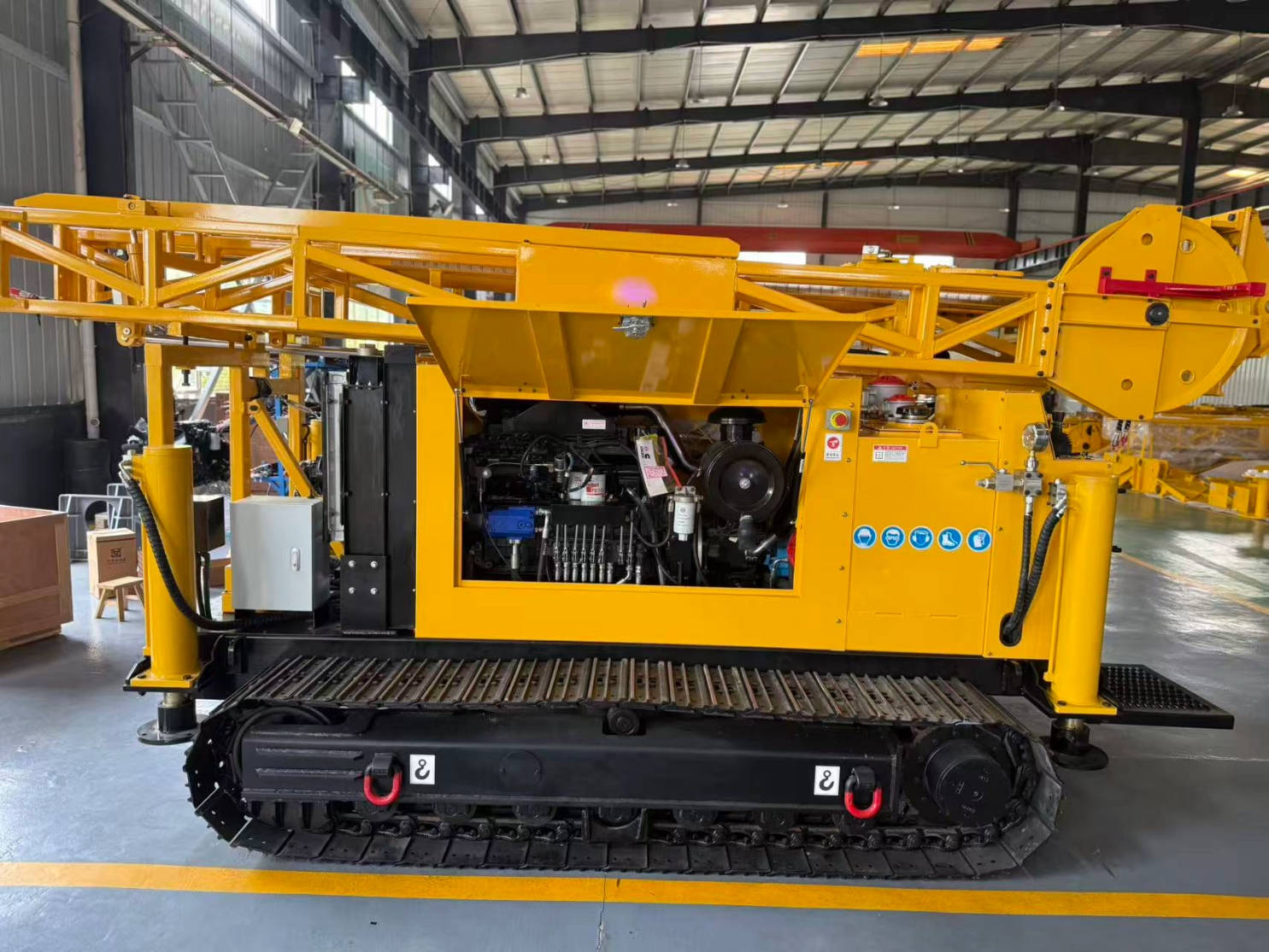
"Core drill" describes equipment used for very different applications. Understanding the distinction is the first step toward a useful comparison.
| Equipment category | Primary application | Main purchasing consideration |
|---|---|---|
| Concrete core drill | Openings through concrete and masonry | Hole diameter, mounting, and construction requirements |
| Geotechnical core drilling rig | Ground investigation and engineering studies | Sampling requirements, access, and drilling versatility |
| Surface diamond core drilling rig | Mineral exploration and geological sampling | Depth, core diameter, recovery, and productivity |
| Underground core drilling rig | Exploration from underground workings | Restricted space, positioning, and underground operating requirements |
For buyers exploring mineral deposits from the surface, the relevant category is generally a hydraulic surface core drill equipped for diamond wireline coring.
A highly rated concrete drilling machine is therefore not a meaningful alternative to an exploration rig. They solve different problems.
A diamond core drilling rig rotates a diamond-impregnated or surface-set bit to cut an annular path through rock. The remaining cylindrical sample enters the core barrel.
In a wireline system, the inner tube containing the sample can be retrieved through the drill string. The rods normally remain in the hole during routine core recovery.
This arrangement avoids pulling the entire drill string after every core run. However, rods still require removal for activities such as bit changes and certain downhole interventions.
Hydraulic systems power and regulate functions such as rotation, feed, clamping, and hoisting. Their practical value depends on how accurately operators can control these functions under changing drilling conditions.
The best hydraulic core drilling rig should therefore provide controllable performance, not simply impressive maximum ratings.
Never compare drilling depth figures without checking the assumptions behind them.
Capacity changes with rod size, rod weight, hole inclination, ground conditions, and the available lifting capacity. A quoted maximum is not a promise that every hole will reach that depth.
Ask suppliers to identify:
- The rod system used for the calculation.
- The intended hole inclination.
- The applicable core diameter.
- The available pullback capacity.
- The operating assumptions and limitations.
For example, Boart Longyear lists the LF90D at 1,193 meters using NRQ W-Wall rods. That figure should not be treated as an equivalent capacity for every other rod configuration.
Maximum torque alone does not describe a rig's drilling capability.
Request the torque available across the operating speed range. A machine's peak torque and maximum rotation speed may occur under different conditions.
The useful question is whether the rotation unit can support your selected bit, diameter, formation, and drilling method.
Also examine speed adjustment, low-speed control, and the ability to respond smoothly when ground conditions change.
These specifications describe different functions.
Pullback helps lift the drill string. Feed controls the force applied during drilling. The chuck and rod holder secure the string during relevant operations.
Do not substitute one rating for another.
Ask the supplier to explain how the rotation head, feed system, mast, clamps, and winches work together. A balanced system matters more than one exceptional number in a brochure.
Fast drilling is valuable only when the recovered sample remains suitable for its intended geological or engineering evaluation.
Core recovery depends on more than the rig. Formation conditions, core barrel selection, drilling parameters, flushing, and operator decisions all influence results.
For fractured or weathered formations, discuss barrel configuration and sample-handling procedures with the drilling team.
Treat any universal recovery percentage cautiously unless the supplier explains the formation, equipment configuration, measurement method, and test conditions.
Crawler mounting can support movement between drill pads, but access planning extends beyond the final approach.
Consider:
- Transport width, height, and weight.
- Road and bridge restrictions.
- Ground bearing conditions.
- Loading and unloading arrangements.
- Assembly requirements.
- Access to maintenance points after installation.
For remote projects, a modular configuration may deserve consideration. Verify individual module weights and the equipment needed for reassembly.
Rod handling deserves close attention because it involves repeated interaction with heavy components and moving machinery.
Evaluate rotation guards, emergency stops, interlocks, working heights, clamping arrangements, and available handling assistance.
Some surface rigs offer mechanized rod handling. Epiroc, for example, lists a system designed for hands-free rod tripping on selected models.
However, an option on a product page is not necessarily included in the quoted machine. Confirm the exact configuration and its operating limitations.
A rig's commercial value depends partly on how quickly the drilling team can return it to service.
Ask for:
- Hydraulic schematics and maintenance instructions.
- A recommended commissioning spares package.
- Filter and wear-component identification.
- Training scope and language.
- Warranty terms and exclusions.
- Parts availability and delivery arrangements.
"Global support" should become a documented service plan, not remain a general sales statement.
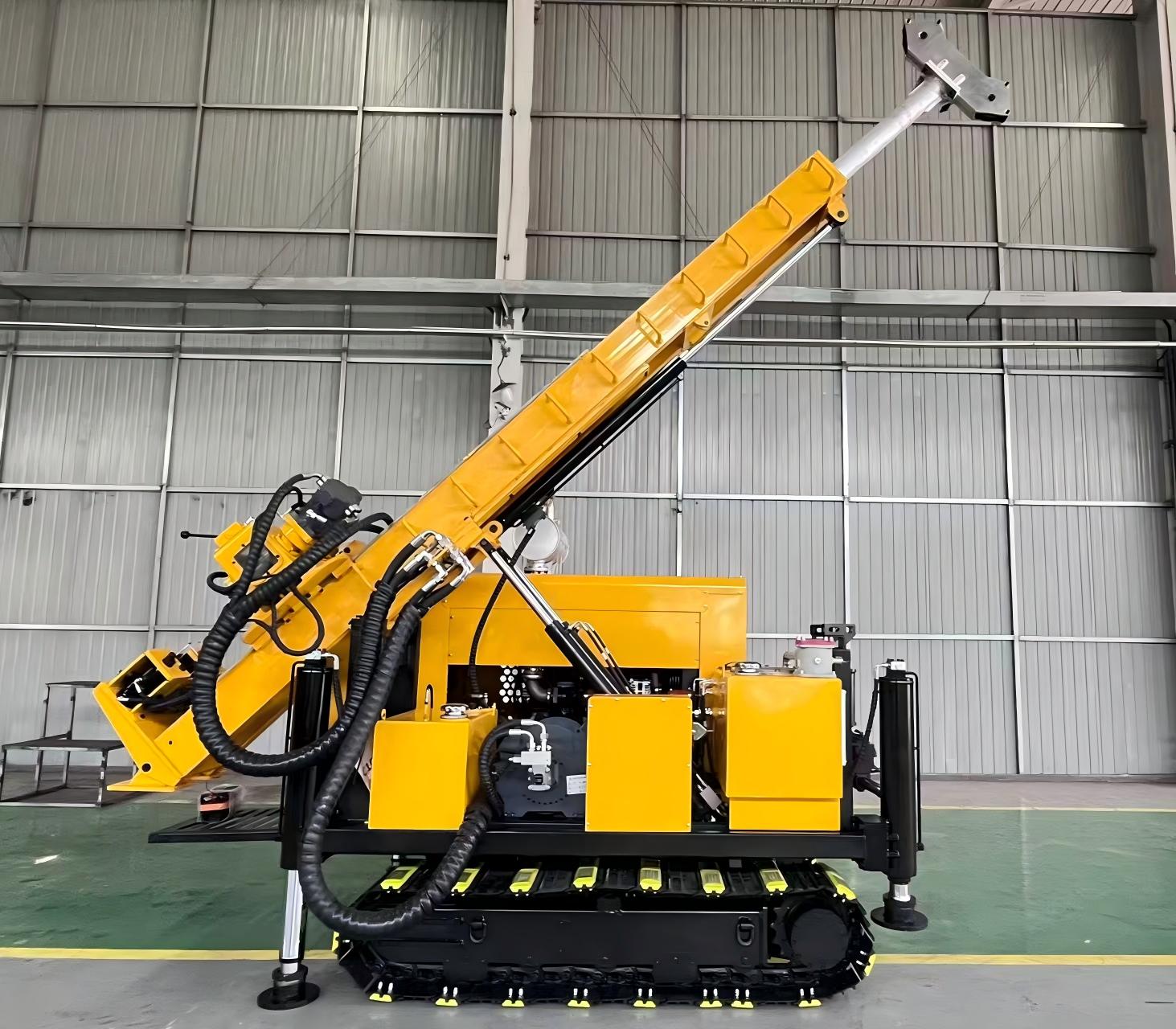
There is no defensible universal winner without a defined application and comparable field testing. Nevertheless, published manufacturer information provides useful starting points.
| Manufacturer and equipment | Published positioning or specification | What buyers should verify |
|---|---|---|
| CORTECH COREMASTER surface range | Fully hydraulic diamond core drilling equipment; listed models include COREMASTER 500L, 1300L, and 1800X | Current model specifications, rod-specific capacity, configuration, and support |
| Boart Longyear LF90D | Surface coring rig with a published 1,193-meter capacity using NRQ W-Wall rods | Capacity with the proposed rods and supplied mounting arrangement |
| Epiroc Christensen 140 | Surface exploration rig with published B, N, H, and P drilling diameters | Diameter-specific capacity and the assumptions behind maximum depth |
| Epiroc Christensen CT20 | Surface core drilling rig with a published 2,450-meter depth capacity | Required drill string, site suitability, and handling options |
These entries are not a performance ranking. Published capacities may use different assumptions and should not be compared as interchangeable figures.
CORTECH's website also identifies some COREMASTER models by their former CSD designations. Procurement documents should show the current model name, previous designation where relevant, and exact configuration to avoid ambiguity.
The purchase price is visible. The cost of unreliable production is often less obvious.
A practical comparison uses:
Usable-meter cost = total project drilling cost ÷ meters of core accepted for the project's intended evaluation.
Include equipment ownership or rental, labor, fuel, consumables, transport, maintenance, and downtime.
Consider this hypothetical example:
| Measure | Lower-priced package | Higher-priced package |
|---|---|---|
| Total monthly project cost | $90,000 | $105,000 |
| Accepted core produced | 900 meters | 1,250 meters |
| Cost per accepted meter | $100 | $84 |
The higher monthly expenditure produces the lower unit cost in this illustration.
These numbers are not field results or predictions for any manufacturer. They demonstrate why buyers should compare production assumptions rather than purchase prices alone.
Define "accepted core" before calculating. Otherwise, two contractors may report different outcomes using apparently identical productivity metrics.
Document target depth, core diameter, hole inclination, expected formations, access conditions, climate, water availability, and transport restrictions.
Separate mandatory requirements from preferences.
This prevents a supplier from optimizing a quotation around the easiest specification rather than the actual drilling program.
Give every shortlisted supplier the same requirements.
Request a configuration-specific offer covering the rig, pump, rods, barrels, handling equipment, commissioning, training, and initial spares.
Identify exclusions clearly. Two quotations with similar totals may contain very different scopes.
Ask for current technical sheets, applicable conformity documentation, inspection records, and relevant operating references.
When reviewing a reference project, check its depth, geology, diameter, and working conditions.
A successful shallow program does not automatically demonstrate suitability for a substantially deeper application.
Define inspection and testing requirements before paying the final balance.
Depending on the contract, checks may include hydraulic functions, rotation controls, mast movement, clamps, winches, emergency stops, leakage inspection, and documentation.
Factory testing can verify specified functions. It cannot reproduce every formation or guarantee future field productivity.
During initial operation, record drilling parameters, core recovery, productive hours, downtime causes, and consumable use.
Use this baseline to improve the drilling process and identify support needs.
Avoid changing several operating variables simultaneously when trying to understand a performance problem.
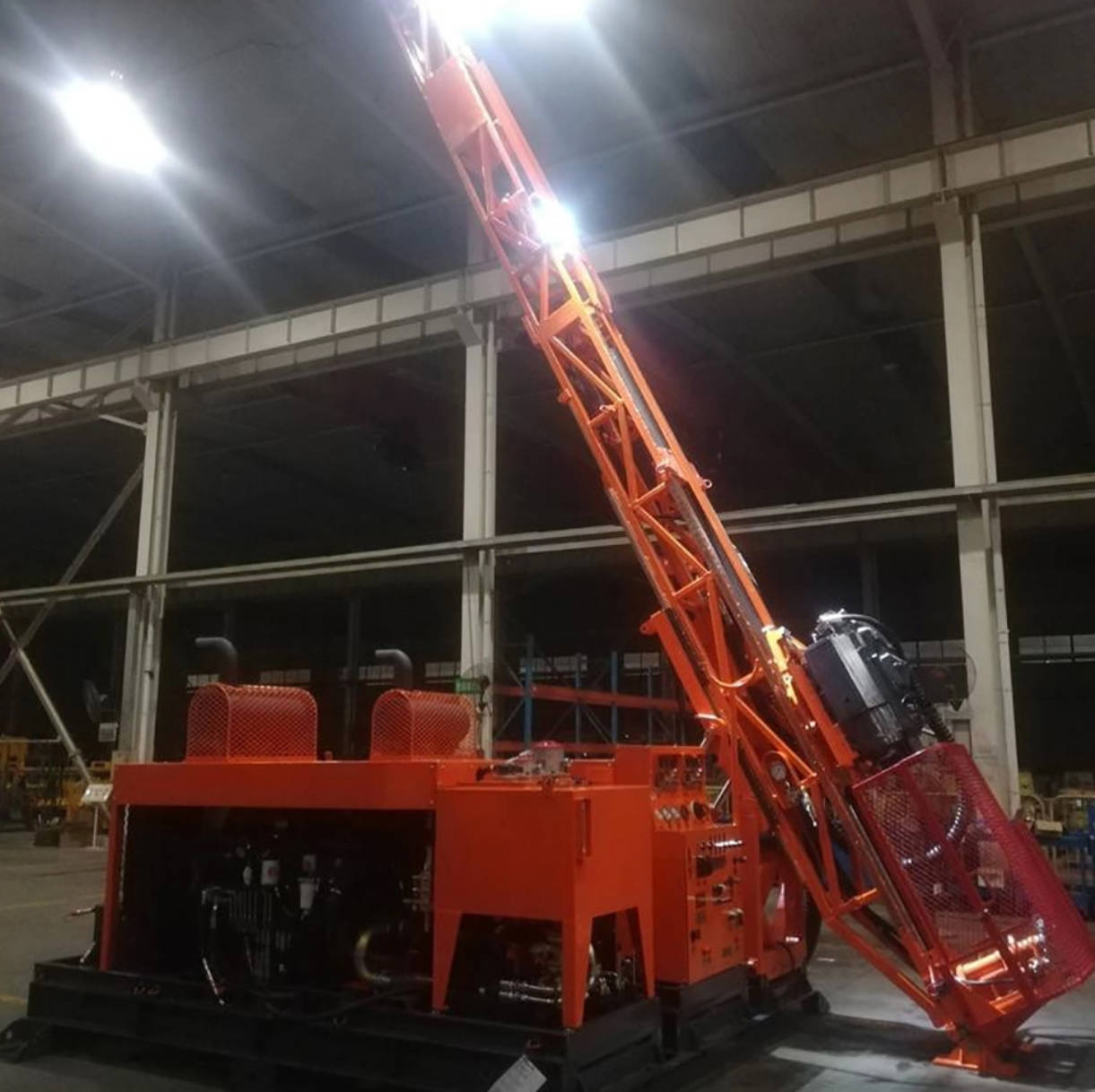
CORTECH is a relevant supplier to evaluate when your project requires a fully hydraulic diamond core drilling rig for surface exploration and you want to discuss configuration directly with the manufacturer.
Our published range includes crawler-mounted surface models, while our stated service scope covers equipment customization, installation assistance, maintenance, and technical support.
The right purchasing decision still requires project-specific verification.
Rather than asking which CORTECH model has the largest number in its name, ask which configuration supports your planned diameter, depth, logistics, and operating conditions.
We recommend requesting a written proposal that links each major recommendation to your drilling requirements. This makes the offer easier to assess and the final supply agreement more precise.
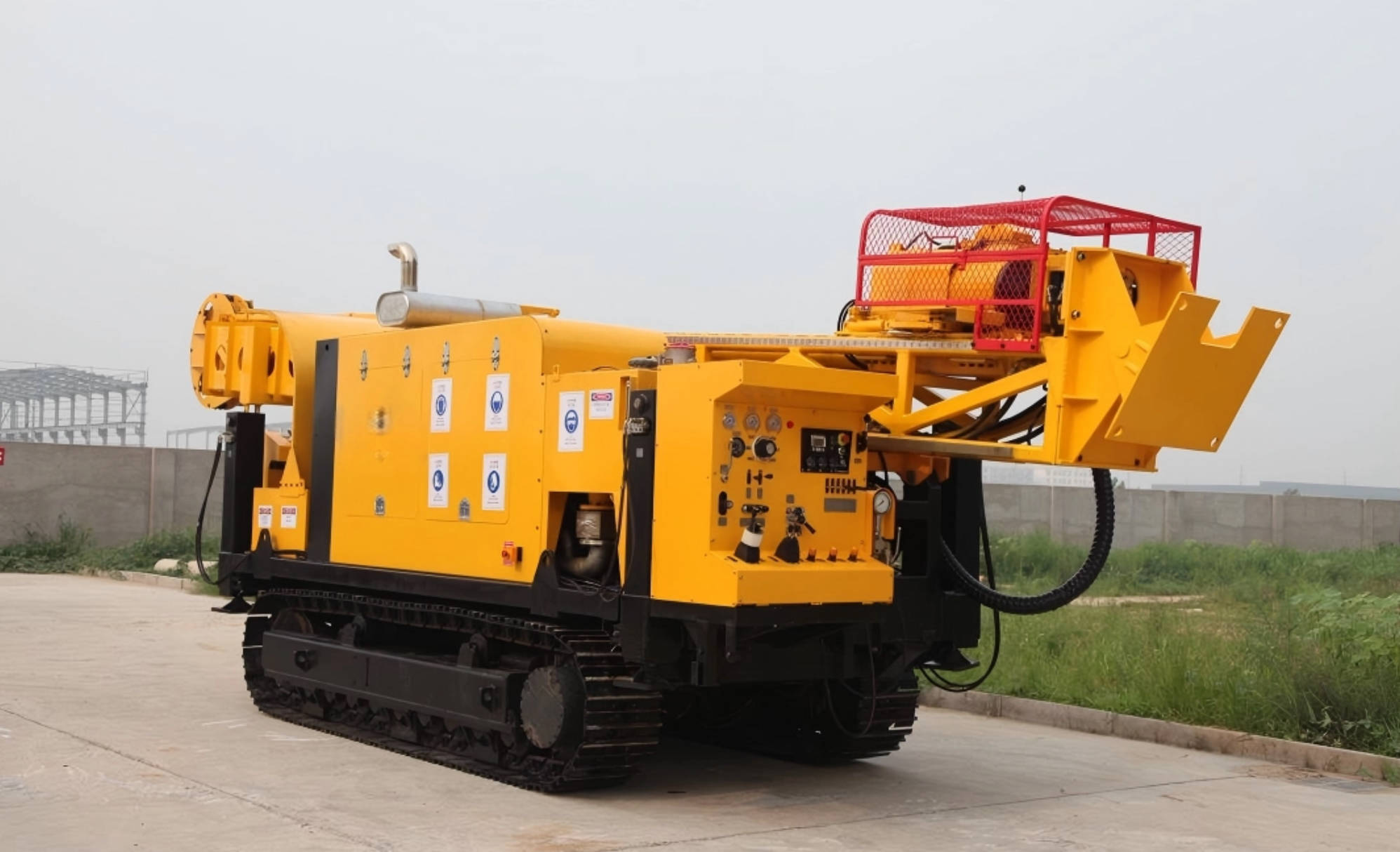
Start with your drilling program—not a brand ranking.
Send CORTECH your target depth, core diameter, geological conditions, and site-access requirements. Request a configuration-specific technical proposal covering capacity assumptions, tooling compatibility, operator protection, commissioning, and after-sales support.
That gives your team a practical basis for selecting equipment and comparing quotations.
The best option is a surface diamond core drilling rig matched to the project's depth, diameter, geology, access, and support requirements. No single model is best across all exploration programs.
Not automatically. Hydraulic controls can support flexible operation, but suitability also depends on system design, maintenance capability, operator training, and local support. Evaluate the complete equipment package.
No. Additional capacity may be unnecessary for a shallower program. Compare capacity using the proposed rods and operating assumptions, then assess whether the machine suits the project economically and logistically.
Many surface exploration rigs accommodate multiple sizes. However, changing diameter affects tooling requirements and achievable depth. Obtain a diameter-specific capacity assessment rather than relying on one maximum-depth figure.
Provide target depth, core size, hole angle, formation information, site location, access restrictions, climate, and expected operating schedule. State whether the quotation should include tooling, pumps, training, and commissioning spares.
1. CORTECH. "Full Hydraulic Diamond Core Drilling Rigs Manufacturer." Source for manufacturer positioning, COREMASTER model names, former CSD designations, mounting descriptions, and stated service scope. Manufacturer claims are not independent performance verification. [cortechdrilling]
2. Boart Longyear. "LF™90D Surface Coring Drill Rig." Source for the published NRQ W-Wall depth capacity, mounting options, hydraulic layout, modular design, and listed protective features. [boartlongyear]
3. Epiroc. "Christensen 140." Source for drilling diameters, hydraulic controls, carrier options, capacity specifications, and the manufacturer's explanation of depth-capacity limitations. [epiroc]
4. Epiroc. "Christensen CT20." Source for the published drilling-depth capacity and mounting descriptions. [epiroc]
5. Epiroc. "Surface Core Drilling Rod Handling System." Source for the description of hands-free rod tripping and availability on selected surface exploration rigs. [epiroc]
6. Boart Longyear. "Coring Rods and Casing." Technical catalogue supporting the distinction between drill-string capability, equipment limitations, and the effects of rod wear on capacity. [boartlongyear]


