
Views: 269 Author: CORTECH Publish Time: 2026-07-31 Origin: Site


Content Menu
● Why Clogging Happens in Clay and Sand
● Bit Design Needs by Soil Type
>> Clay Formation: prioritize anti-balling and self-cleaning
>> Sandy Soil: prioritize cuttings flow and stable penetration
● Which Drill Bit Design Prevents Clogging Best
● Comparison Table: Clay vs. Sandy Soil
● CORTECH Perspective from the Field
● Latest Operational Insight: What Actually Improves Cleaning
>> 1. Identify the formation before drilling
>> 2. Choose a bit with the right cleaning behavior
>> 3. Control fluid and speed together
>> 4. Watch for early clogging signals
● FAQ
>> 1. Which drill bit design is better for clay?
>> 2. Which drill bit design is better for sandy soil?
>> 3. Why does clay clog drill bits so fast?
>> 4. Why can sandy soil still cause clogging?
>> 5. Does hydraulic flow matter as much as bit design?
>> 6. How can operators reduce clogging on site?
When drilling through clay formation vs. sandy soil, clogging is usually the difference between a productive shift and a stalled rig. The right drill bit design depends on how the ground fails, how cuttings move, and how well the bit clears material under wet or dry conditions.
For CORTECH's audience in core drilling and geotechnical exploration, this is not a theoretical question. It affects penetration rate, sample quality, bit life, and overall project cost.
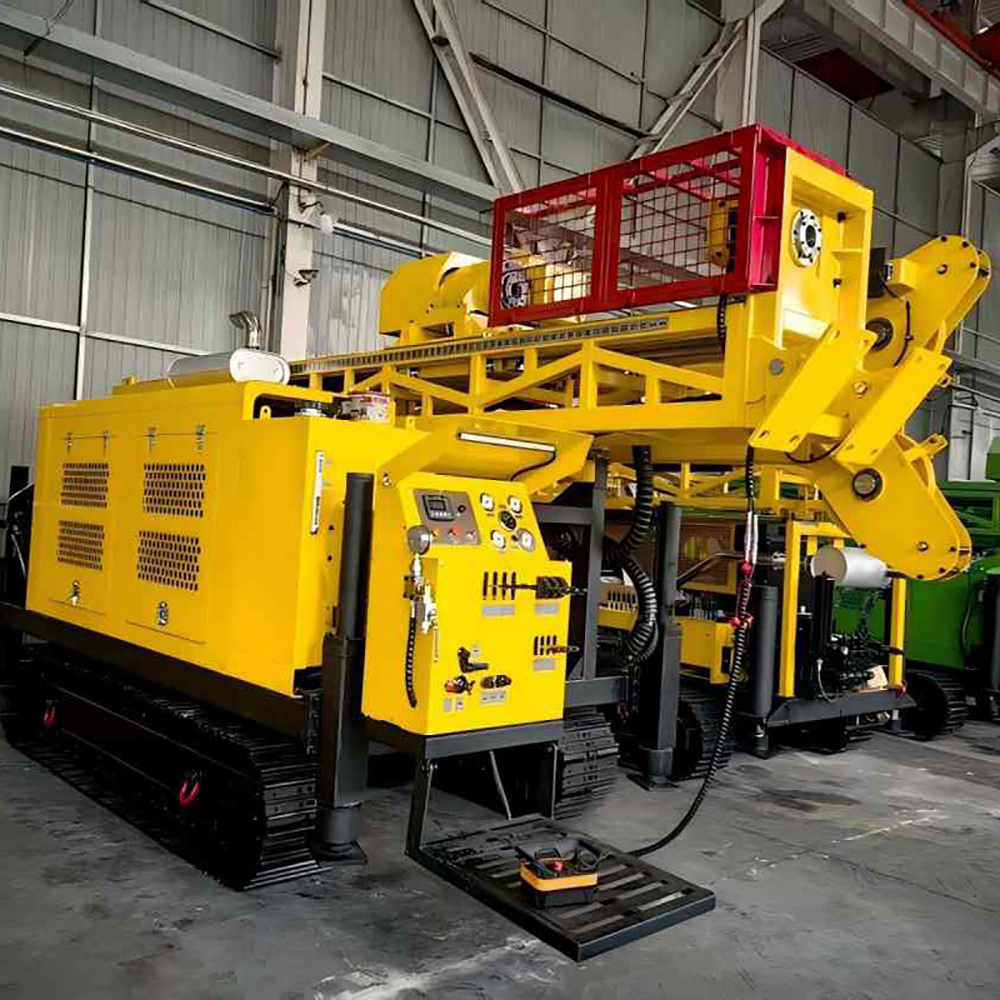
Clogging is not caused by soil alone; it is caused by the interaction between formation behavior, bit geometry, and hydraulic cleaning. Clay tends to stick, smear, and ball up around the cutting structure, while sandy soil tends to flow more freely but can still pack into poor bit designs if circulation is weak.
In clay, the problem is cohesion. Fine particles bind together and adhere to the bit face and body, especially when moisture is present. In sandy soil, the problem is different: loose granular material can move efficiently, but if the bit does not evacuate cuttings well, the hole can partially pack and slow progress.
Clay formation requires a bit that resists smearing and clears cuttings fast. A design with open waterways, a self-cleaning cutting face, and geometry that reduces contact area usually performs better than a tight, closed design.
In practical terms, that means a bit should:
- Shed sticky material quickly.
- Keep the cutting face exposed to flushing fluid.
- Minimize the chance of clay building up on the bit shoulder.
- Maintain stability even when torque rises.
Sandy soil usually favors a design that moves large volumes of loose material away from the face without letting the hole collapse or re-pack. In granular ground, a bit that promotes efficient material transport often outperforms an aggressively closed design that traps debris.
The best bit for sand typically:
- Supports continuous cuttings evacuation.
- Maintains a clean gauge.
- Reduces regrinding of loose particles.
- Works well with steady hydraulic flow.
For clay formation, the best clog-resistant choice is usually a self-cleaning diamond core bit design with strong flushing channels or a formation-appropriate drag-style geometry where applicable. The key is not only sharp cutting edges, but also how effectively the bit releases sticky cuttings.
For sandy soil, the best design is usually a bit with high cuttings removal efficiency, good fluid passage, and geometry that avoids re-circulating loose grains. In many cases, the bit that prevents clogging in sand is the one that keeps the borehole clean rather than the one that cuts most aggressively.
- Clay = fight adhesion.
- Sand = manage flow.
- Mixed ground = balance cutting aggressiveness with hydraulic cleaning.

| Factor | Clay Formation | Sandy Soil |
|---|---|---|
| Main clogging risk | Smearing and balling | Packing and poor evacuation |
| Soil behavior | Cohesive, sticky | Loose, granular |
| Best bit priority | Self-cleaning, anti-balling | Cuttings flow, hole cleaning |
| Hydraulic need | Strong flushing across the face | Continuous transport of loose particles |
| Bit geometry | Open waterways, exposed cutting structure | Stable profile, efficient debris removal |
| Operational warning | Torque spikes and face loading | Re-circulation of cuttings and partial packing |
This table reflects a practical drilling reality: clay punishes poor cleaning, while sand punishes poor transport.
From a manufacturer's standpoint, bit selection should never be separated from the drilling system. A full hydraulic core drilling rig, the right core bit, and the right operating parameters must work together to prevent clogging and protect sample quality. CORTECH's focus on CORE U/G DRILL and CORE DRILLING TOOL solutions makes this especially important in underground and exploration projects.
In the field, experienced crews often discover that a "better" bit is not always the hardest or most aggressive one. The best bit is the one that matches the formation's failure mode and keeps cuttings moving. That is why bit design, water flow, RPM, and WOB must be considered as one system, not as separate choices.
Recent drilling guidance for fine-grained soils continues to emphasize bit geometry and material flow as the key variables in clogging control. For clay, the design must resist adhesion; for sand, it must preserve transport efficiency.
A useful field checklist is:
1. Confirm formation type from bore logs or prior cores.
2. Match bit geometry to the dominant soil behavior.
3. Set hydraulic flow to keep the face clean.
4. Reduce overly aggressive settings if torque rises.
5. Inspect cuttings every time penetration rate drops.
This approach is simple, but it saves time. In many jobs, clogging is not solved by force; it is solved by better cleaning.
Start with the bore log, sample history, or site survey. Clay and sand may appear close together in the same project, so assumptions are risky.
For clay, choose anti-balling and self-cleaning features. For sand, choose strong evacuation and steady face clearance.
A bit cannot clean itself if circulation is weak. Likewise, excessive speed can worsen packing and heating. The best results come from balanced operating parameters.
Look for:
- Rising torque.
- Slower penetration.
- Wet clay smeared on the face.
- Repeated cuttings return failure.
- A "polished" or loaded bit surface.
This topic matters most in:
- Geotechnical drilling.
- Underground exploration.
- Mineral and core sampling.
- Construction foundation drilling.
- Mixed-soil projects with variable water content.
In these applications, clogging affects not only speed, but also core recovery and sample integrity. That is why bit design should be treated as a performance decision, not a consumable purchase.
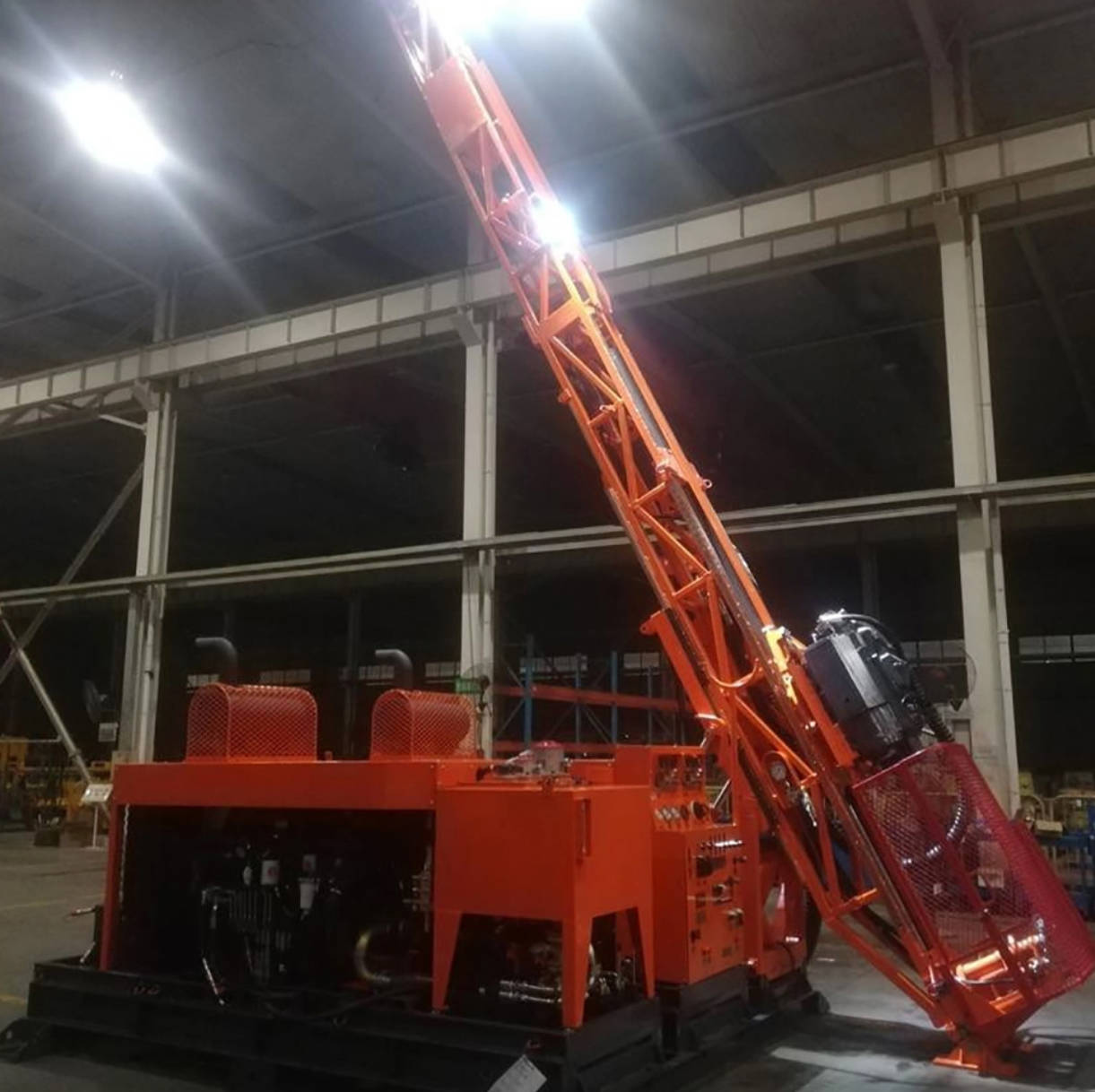
If your drilling project faces sticky clay, loose sand, or mixed ground conditions, choose a bit design built for cuttings evacuation, not just cutting speed. For demanding underground and exploration work, CORTECH can help match the core bit design, drilling rig, and formation condition for better anti-clogging performance.
A self-cleaning design with open waterways and strong flushing performance is usually better for clay because it helps resist balling and smearing.
A design that moves loose cuttings efficiently and keeps the borehole clean is usually better for sandy soil.
Clay is cohesive and sticky, so it adheres to the bit face and shoulder, especially when moisture and poor flushing are present.
Sand can pack into the borehole or recirculate if the bit geometry and fluid flow do not remove cuttings efficiently.
Yes. Bit design and hydraulic cleaning work together, and weak circulation can make even a good bit clog.
Use the correct bit for the formation, maintain proper flow, monitor torque, and stop to clean when cuttings begin to load the bit.
1. - [CORTECH Drilling] — full hydraulic diamond core drilling rigs and core drilling solutions. [cortechdrilling]
2. - [Cortech Drilling article on bit performance in abrasive formations] — field-oriented discussion of diamond core bits and drilling parameters. [cortechdrilling]
3. - [Drilling Bits Types In Oil And Gas Rigs] — background on bit hydraulics, cleaning, and bit balling. [drillingmanual]
4. - [Selecting the Right Drill Bits for Efficient Foundation Drilling](https://www.../ ) — soil-specific guidance on clay and granular soils. [pilebuck]
5. - [Optimizing polycrystalline diamond compact bit selection] — drilling parameter considerations for bit performance. [pmc.ncbi.nlm.nih]
6. - [Core drill - Wikipedia] — general definition of core drilling. [en.wikipedia]


