
Views: 222 Author: CORTECH Publish Time: 2026-06-19 Origin: Site


Content Menu
● Understanding the role of core drilling
● What the original Discovery Drilling story shows – and what it leaves out
● How CORTECH positions CORE SURFACE DRILL rigs in multi‑rig projects
● Why full‑hydraulic core rigs matter more in 2026
● Case insight: Multi‑rig aquifer remediation and what we can learn
● Inside a modern CORE SURFACE DRILL: features that matter in the field
● Reliability, safety, and ROI: the business case for hydraulic CORE SURFACE DRILL rigs
● When to deploy CORE SURFACE, CORE HELI, and CORE U/G DRILL rigs
● Practical checklist: specifying a CORE SURFACE DRILL for your program
● Call to action: design your next core drilling program with CORTECH
>> 1. How is a CORE SURFACE DRILL different from a conventional rotary rig?
>> 2. Can core surface rigs be used for environmental remediation, or only for mineral exploration?
>> 3. When should I choose a CORE HELI DRILL instead of a standard CORE SURFACE DRILL?
>> 4. What typical depths can CORTECH CSD series surface core rigs achieve?
>> 5. How does CORTECH support rigs after delivery?
Modern environmental and mineral projects rarely succeed with a single drilling method or a single rig. From my work with consultants, drillers, and manufacturers like CORTECH, the projects that finish on time and on budget almost always blend CORE SURFACE DRILL, core heli drill, CORE U/G DRILL, direct push, and sonic rigs into one coordinated program. [geoprobe]
In this article, I will walk through how multi‑rig drilling campaigns work in the real world, what the original "Discovery Drilling" story gets right (and where it misses depth), and how CORTECH's full‑hydraulic diamond core rigs can raise reliability, safety, and data quality on your next project. [geoprobe]
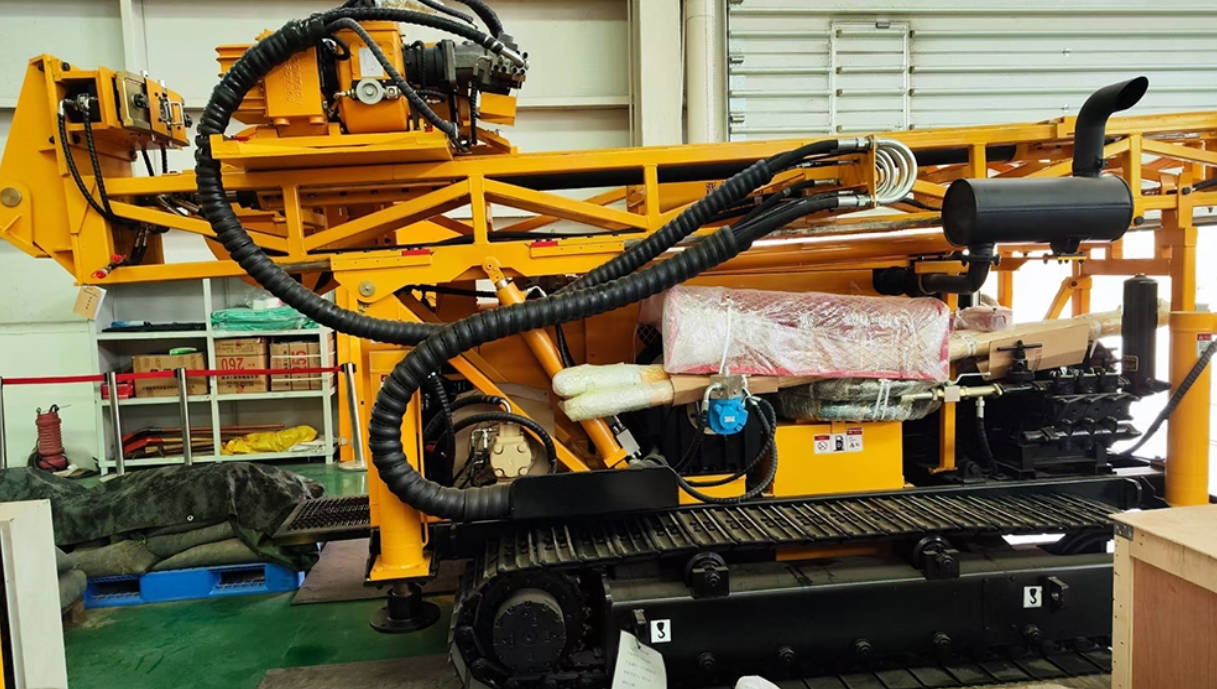
A core drilling rig is designed to recover a continuous cylinder of rock or soil so geologists and engineers can "read" the subsurface rather than guessing from cuttings. In exploration work, core samples reveal mineralization, structure, and alteration; in environmental and geotechnical projects, they define rock strength, fracture networks, and groundwater behavior. [youtube]
Compared with conventional rotary rigs, full‑hydraulic diamond core rigs offer much finer control of torque, rotation, and feed force, which directly improves core recovery and reduces hole deviation. That control is critical in hard, fractured formations where every lost meter of core means less certainty and more project risk.
The original "Discovery Drilling Finds Right Mix" story highlights a now‑familiar trend: combining multiple rigs and methods on a complex site to meet schedule and data requirements. In that case, a driller advanced tools through bedrock on a remote mountain top, mobilizing the rig via helicopter long line to reach otherwise inaccessible terrain. [geoprobe]
This is a powerful illustration of operational flexibility: aerial mobilization, working on steep pads, and adapting tooling to bedrock conditions. However, the story only briefly mentions equipment configuration, performance metrics, or how that rig strategy reduced risk over the life of the project. For modern technical buyers—mining companies, environmental consultants, and EPCs—those missing details are often where decisions are actually made. [geoprobe]
CORTECH has specialized since 2005 in all‑hydraulic diamond core drilling rigs, building surface, underground, modular (heli‑portable), and coal‑mine rigs that work in dozens of countries. Their CSD series CORE SURFACE DRILL rigs target high‑precision surface projects, while CORE HELI DRILL and CORE U/G DRILL platforms address heli‑portable and underground requirements respectively.
From a field‑planner's perspective, that product mix fits naturally into multi‑rig campaigns similar to the Florida aquifer remediation case, where direct push, rotary, and sonic rigs operated together for several years without losing schedule to rig breakdowns. On comparable projects, a CORTECH CORE SURFACE DRILL would typically handle deeper, oriented core holes and high‑precision monitoring wells while lighter rigs manage shallow sampling and injection.
The drilling industry is shifting toward more data‑intensive decisions and tighter ESG expectations, which makes core quality and uptime non‑negotiable. Market analyses show drilling equipment demand rising as mining, geotechnical, and directional drilling services expand worldwide, driven by metals, energy transition projects, and infrastructure. [finance.yahoo]
In this context, full‑hydraulic CORE SURFACE DRILL rigs provide three strategic advantages:
- Predictable penetration in complex geology, reducing re‑drills and standby time.
- Cleaner, better‑preserved cores, supporting more defensible resource models and remediation designs.
- Lower life‑cycle cost per meter, as reliability and component life translate directly into more billable meters and fewer emergency repairs. [diva-portal referenced in page:0]
For asset owners and regulators, these factors link directly to schedule certainty, budget control, and reduced environmental risk.
A Florida remediation project described in CORTECH's industry content offers a clear view of how multi‑rig campaigns come together. The contractor had to assess and remediate chlorinated solvents and petroleum hydrocarbons in surficial soils and the underlying Floridan Aquifer.
Over several years, they deployed:
- Mid‑sized hydraulic rigs for direct push soil sampling and micro well installation in overburden.
- A sonic rig for deeper monitoring wells in the aquifer.
- The same surface rigs again in the remediation phase to drive injection tooling for oxidants and electron donors, including zoned injections in limestone intervals using inflatable packers and high‑pressure pumps.
The project stayed ahead of schedule and, according to the contractor, did not lose a single drilling day to rig breakdowns. That level of uptime is not an accident—it reflects carefully chosen hydraulic rigs, a robust maintenance strategy, and conservative loading of each machine within its design envelope.
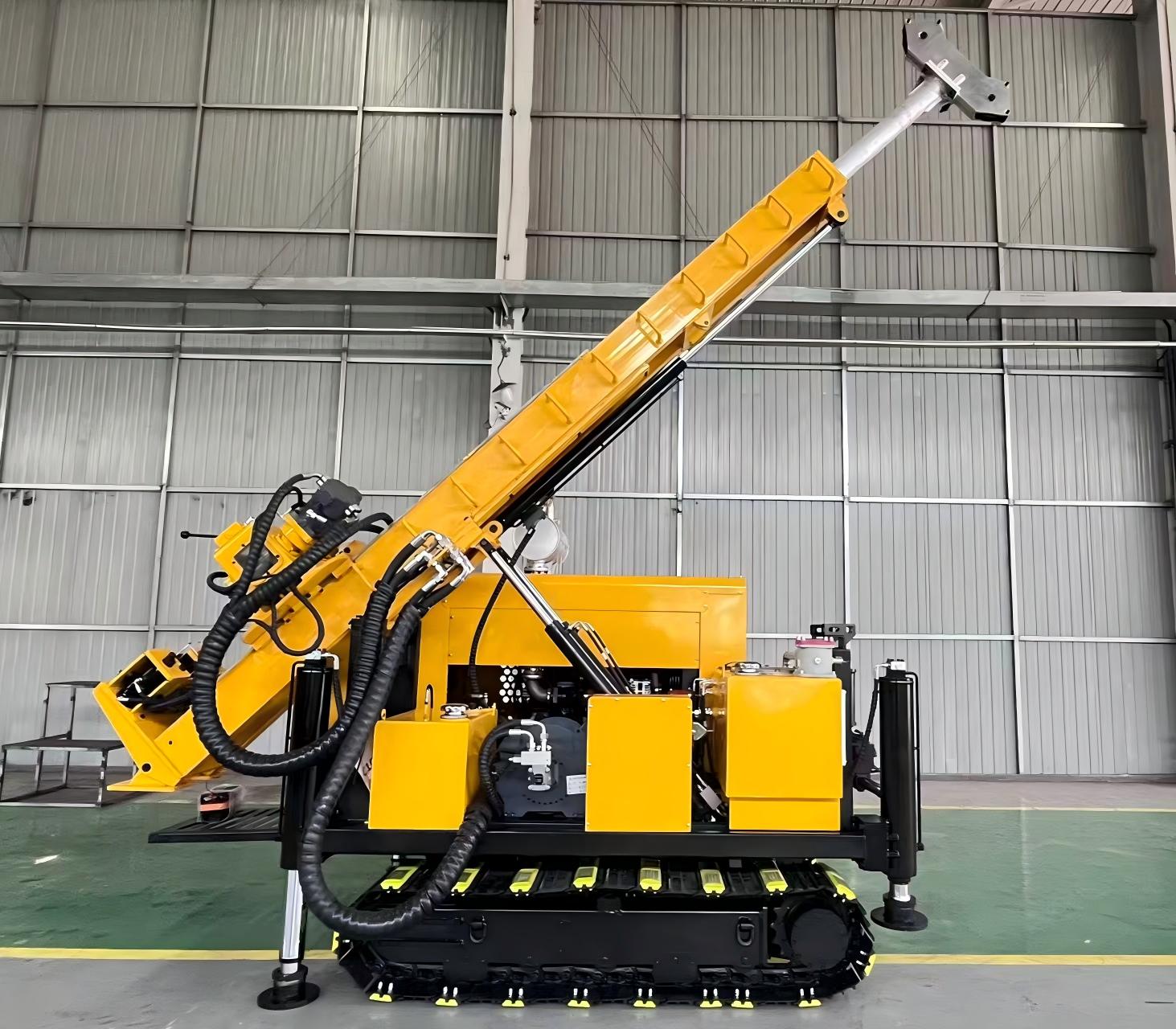
Although individual models vary, high‑capacity CORE SURFACE DRILL rigs like CORTECH's CSD series share several features that field teams consistently ask for.
- Full‑hydraulic drive with independent circuits for rotation, feed, and auxiliary systems, allowing smooth power delivery and fine control even in difficult formations.
- High‑torque drill heads capable of several thousand newton‑meters and rotation speeds over 1,000 rpm, supporting both slow, high‑torque coring and faster reaming.
- Long feed stroke around 3.5 m to reduce rod handling cycles and improve penetration efficiency.
- Wireline winch systems with long rope capacity for efficient core barrel retrieval at 1,000 m and beyond.
- Crawler undercarriage for mobility on uneven terrain and compact drill pads, cutting pad construction and relocation costs.
Modern rigs also integrate multi‑gauge panels and real‑time monitoring of pump pressures, rotation loads, and pullback forces, which helps operators avoid overload events and extend component life.
From a business perspective, the value of a CORE SURFACE DRILL shows up in three numbers: meters drilled, downtime, and total cost per meter. Independent reliability and life‑cycle cost studies in mining have shown that improving rig reliability significantly lowers total project cost, even without faster penetration rates.
For CORTECH's CSD series, international distributors often highlight high penetration rates, outstanding reliability, and precise control as core differentiators in global exploration campaigns. When rigs continue drilling day after day, the financial impact is immediate: fewer standby charges, fewer missed production targets, and lower risk of expensive mobilization of backup equipment.
Safety and ergonomics are equally important. Automated or semi‑automated rod handling, clear access for maintenance, and well‑designed control layouts reduce operator fatigue and incident risk, which is especially critical in underground and heli‑portable operations. [majordrilling]

Experienced drilling managers do not simply "send a rig." They match the rig family—surface, heli‑portable, or underground—to project constraints and geological objectives. [mining]
A typical expert planning workflow looks like this:
1. Define geological objectives: required core orientation, target depth, lithologies, and structural features.
2. Assess access and footprint limits: slopes, clearance, load limits, and environmental restrictions. [geoprobe]
3. Evaluate logistics: water and drilling fluids, power, fuel, and consumables.
4. Match rig type:
- CORE SURFACE DRILL (CSD series) for high‑capacity surface coring from prepared pads with vehicle or track access.
- CORE HELI DRILL modular rigs when pads are accessible only by helicopter or when rapid deployment between remote sites is needed. [majordrilling]
- CORE U/G DRILL for underground drifts where limited height, ventilation, and ground support dictate compact, high‑power rigs. [majordrilling]
On brownfield remediation or urban projects, engineers also consider existing utilities and contamination pathways, selecting rig positions and drilling angles that avoid infrastructure while still delivering representative core data and effective injection points.
When you evaluate CORE SURFACE DRILL options—whether from CORTECH or another manufacturer—a structured checklist helps ensure that technical and commercial requirements line up.
| Factor | What to review | Why it matters |
|---|---|---|
| Target depth | Rated core depths by rod size (e.g. BS, NS, HS, PS) | Ensures design depth plus safety margin without overstressing rig |
| Formation | Torque and feed ranges vs. expected rock hardness | Balances penetration speed, bit life, and core quality |
| Mobility | Crawler undercarriage, footprint, transport dimensions | Simplifies access on remote or tight sites, reduces pad cost geoprobe |
| Power system | Engine power and hydraulic pressure rating | Determines available rotation and pullback for deep or angled holes |
| Safety & ergonomics | Guarding, control layout, rod handling, maintenance access majordrilling | Reduces incidents and operator fatigue, improves productivity |
| Service support | OEM training, spare parts, 24/7 technical support cortechdrilling | Minimizes downtime and speeds troubleshooting during campaigns |
Using this checklist also supports transparent internal approvals by linking capital decisions to risk, safety, and life‑cycle cost outcomes.

If you are planning a mineral exploration, geothermal, or environmental remediation campaign that depends on high‑quality core data, the most effective next step is to align your geological objectives with the right CORE SURFACE DRILL / CORE HELI DRILL / CORE U/G DRILL configuration.
CORTECH's engineering and service teams can help you review your geology, depth targets, access constraints, and ESG requirements, then recommend the most suitable rig package and support model. You can request technical consultations, detailed specifications, and example project layouts to see how operators worldwide are using full‑hydraulic diamond rigs to drill deeper, faster, and safer—without sacrificing core quality. [cortechdrilling]
A CORE SURFACE DRILL is a full‑hydraulic diamond core rig designed to recover intact core samples with tight deviation control, whereas conventional rotary rigs often focus on penetration and hole diameter rather than core quality. Hydraulic control allows operators to fine‑tune torque, rotation speed, and feed force to match each formation, which improves core recovery and reduces the risk of stuck tools or damaged bits. [youtube]
Core surface rigs are widely used on environmental projects, especially where deeper monitoring wells or zoned injections in bedrock aquifers are required. In the Florida example, mid‑sized hydraulic rigs first collected soil data and later drove injection tooling, working alongside sonic rigs to complete complex aquifer remediation ahead of schedule.
You should consider a CORE HELI DRILL when your drill pads are accessible only by air, when road construction is not practical, or when rapid relocation between remote sites is essential. Modular, heli‑portable core rigs break down into liftable components without sacrificing the hydraulic control and core quality you expect from a full‑sized CORE SURFACE DRILL. [majordrilling]
Exact capacities vary by model and rod string, but representative CSD‑series surface core rigs are designed to drill approximately 1,000–3,000 meters using appropriate diamond tooling and wireline systems. That depth range covers most mineral exploration, geothermal gradient, and deep environmental monitoring applications.
CORTECH offers configuration support, operator training, preventive maintenance guidance, and around‑the‑clock technical assistance, aiming to keep rigs drilling reliably in demanding environments. Access to OEM spare parts and remote troubleshooting further reduces unplanned downtime and protects your cost per meter. [cortechdrilling]
1. Geoprobe® – Discovery Drilling Finds Right Mix.
[https://geoprobe.com/articles/discovery-drilling-finds-right-mix] [geoprobe]
2. CORTECH Drilling Equipment Co., Ltd. – Core Surface Drill Rigs For High Precision Diamond Core Drilling Projects.
[https://www.cortechdrilling.com/core-surface-drill-rigs-for-high-precision-diamond-core-drilling-projects.html]
3. CORTECH Drilling Equipment Co., Ltd. – Service & Contact Information.
[https://www.cortechdrilling.com/service.html] [cortechdrilling]
4. Equipment Hub – Cortech CSD‑Series Diamond Coring Drill Specifications.
[Referenced in CORTECH article content]
5. Major Drilling – New Drills Ready for Worldwide Specialized Drilling Campaigns.
[https://www.majordrilling.com/new-drills-ready-for-worldwide-specialized-drilling-campaigns/] [majordrilling]
6. Educational video – What Is Core Drilling.
[https://www.youtube.com/watch?v=bNtg-CvKf2Y] [youtube]
7. Industry analysis – Drilling Machines Industry Trends and Growth Forecast.
[https://finance.yahoo.com/sectors/technology/articles/drilling-machines-industry-trends-growth-094000734.html] [finance.yahoo]
8. Directional Drilling Services Market – Global Market Size and Forecast.
[https://www.fortunebusinessinsights.com/industry-reports/directional-drilling-services-market-100867] [fortunebusinessinsights]
9. Sandvik Mining – Surface Drill Rigs.
[https://www.mining.sandvik/en/products/equipment/surface-drill-rigs/] [mining


