
Views: 248 Author: CORTECH Publish Time: 2026-10-05 Origin: Site


Content Menu
● Why China Matters for Surface Core Drills
>> Technical Factors That Separate a Serious Rig From a Basic Rig
>> 1. CORTECH Drilling Equipment Co., Ltd.
>> 2. XCMG
>> 3. JCDRILL
>> 4. Jiangsu Sinocoredrill Exploration Equipment Co., Ltd.
>> 7. Beijing DeYan Technology Co., Ltd.
>> 8. Hebei Keqinda Mining Equipment Co., Ltd.
>> 9. Shandong Huayu Heavy Industry Machinery Co., Ltd.
>> 10. Hebei Huitai Geological Exploration Machinery Parts Co., Ltd.
● Manufacturer Comparison Table
>> 1. "Depth Capacity" That Exists Only in a Catalogue
>> 2. Hydraulic Components Substituted After Quotation
>> 3. CE Documents That Do Not Match the Actual Rig
>> 4. ISO Certificate Scope Does Not Cover Rig Manufacturing
>> 5. Spare Parts Are Treated as an Afterthought
● The Industry "Inside Tip" Buyers Often Miss
● Buyer's Guide: How to Verify a Chinese Factory
>> Step 1: Send a Technical RFQ, Not a Generic Inquiry
>> Step 2: Ask for Evidence Before Negotiating Price
>> Step 3: Conduct a Remote or On-Site Factory Audit
>> Step 4: Define Factory Acceptance Testing
>> Step 5: Protect the Purchase Contract
● FAQ
>> 1. How can I verify whether a supplier's ISO 9001 certificate is still valid?
>> 2. Is CE certification enough to prove that a surface diamond core drill can be sold in Europe?
>> 3. How should I compare two rigs that both claim "1,000 m NQ drilling depth"?
>> 4. What should be included in an initial spare-parts package?
>> 5. Can I combine drill rods and wireline tools from multiple Chinese suppliers?
China is an important sourcing base for fully hydraulic surface diamond core drilling rigs because it combines mature hydraulic-component supply chains, metal fabrication capacity, wireline-tool production, and export-oriented manufacturing. For buyers, however, selecting a supplier should never be based on catalogue depth ratings or the lowest quotation alone.
A reliable Surface Diamond Core Drill supplier must demonstrate engineering capability, stable quality control, verifiable compliance documentation, serviceability in the destination market, and realistic delivery commitments. This guide evaluates representative Chinese manufacturers and supplier types from the perspective of professional buyers sourcing equipment for mineral exploration, geological surveys, hydrology, infrastructure investigation, and remote drilling campaigns.
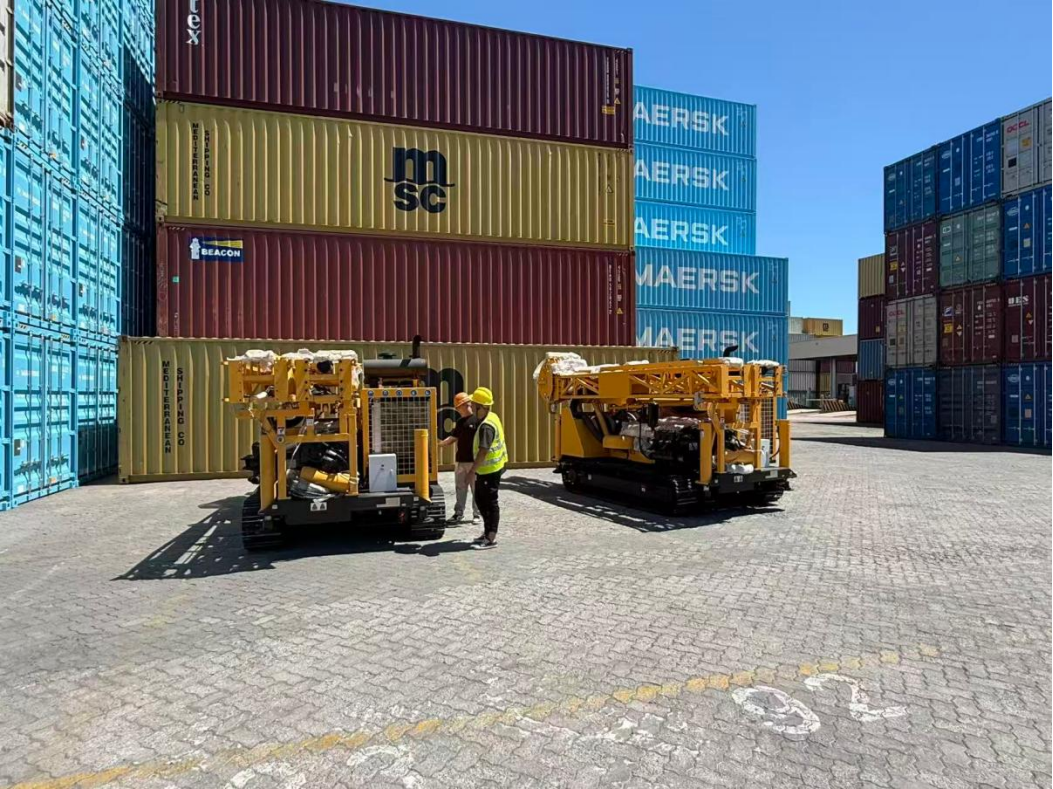
China's strength in surface diamond core drilling equipment is not limited to final rig assembly. The country also has industrial supply clusters for hydraulic motors, pumps, diesel power packages, steel structures, crawler undercarriages, mud pumps, wireline rods, diamond bits, drill tooling, and electrical control systems.
For international buyers, this creates several practical advantages:
- More configuration choices across shallow, medium-depth, and deep-hole exploration projects.
- Competitive total equipment cost compared with many European, North American, and Australian alternatives.
- Access to all-hydraulic, crawler-mounted, skid-mounted, modular, and heli-portable drilling solutions.
- Better possibilities for private-label manufacturing and customized rigs.
- Easier bundling of the drill rig, mud pump, drill rods, wireline tools, diamond bits, spare parts, and service packages in one procurement program.
- More flexible order quantities from specialized manufacturers than from very large construction-equipment groups.
The global diamond core drilling market was valued at approximately USD 1.02 billion in 2025 and is projected to continue growing, supported by mineral exploration, geotechnical investigation, and infrastructure activity. China is estimated to hold a major position in the Asia-Pacific market, with domestic manufacturing capability supporting product availability and price competitiveness.
However, price differences between quotations often reflect differences in hydraulic brands, steel grades, machining tolerances, safety devices, component traceability, and post-sale support—not merely supplier margin.
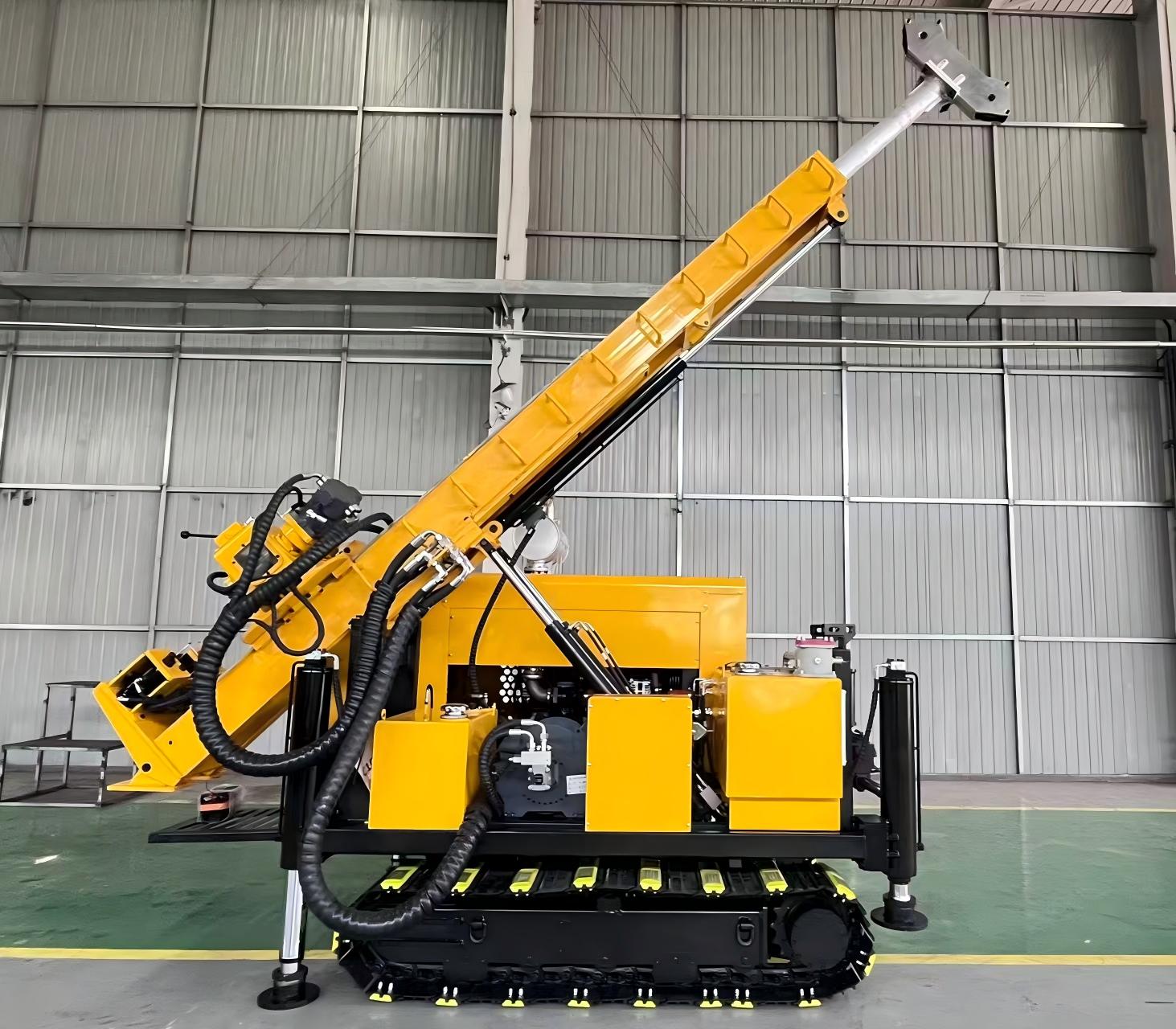
A professional procurement team should assess a manufacturer using measurable criteria rather than marketing claims. The following screening framework was used to structure this list.
| Evaluation Dimension | What Buyers Should Check | Why It Matters |
|---|---|---|
| Product specialization | Whether the company actually manufactures diamond core rigs rather than only trading generic drilling machinery | Core drilling requires different expertise from water-well or DTH drilling |
| Hydraulic engineering | Pump, motor, valve, cooling, pressure-control, and contamination-control design | Hydraulic reliability directly affects uptime and field maintenance |
| Depth and diameter capability | BQ, NQ, HQ, and PQ capacity at realistic drilling depths | Catalogue depth is often stated under ideal conditions |
| Wireline compatibility | Overshot, head assembly, drill rods, core barrels, winch, and rope handling | Poorly matched wireline systems can cause costly downtime |
| Manufacturing capability | Welding, machining, hydraulic assembly, testing, paint, inspection, and final acceptance procedures | Determines consistency from the first rig to later batches |
| Quality control | Incoming inspection, pressure testing, load testing, test drilling, traceability, and final inspection reports | Helps avoid premature leakage, vibration, and component failure |
| Compliance documentation | ISO certificate scope, CE documentation, electrical diagrams, manuals, and safety declarations | Essential for customs clearance, tender qualification, and legal compliance |
| OEM/ODM capability | Branding, colors, controls, layout changes, accessory integration, language support, and documentation | Important for distributors and regional equipment brands |
| Delivery stability | Component sourcing strategy, production schedule, factory loading, and spare-parts readiness | Reduces delays in exploration campaigns |
| After-sales readiness | Remote commissioning, fault diagnosis, spare-parts list, warranty process, and technician support | A rig is only valuable when it remains operational in the field |
When comparing a Surface Diamond Core Drill, look beyond "maximum drilling depth." Ask how the manufacturer defines it.
A rig quoted as "1,000 m NQ capacity" may reach that depth only under favorable geological conditions, with ideal hole straightness, correct fluid properties, suitable bit selection, low deviation, proper rod condition, and experienced drill operators. Hard fractured formations, broken ground, deviated boreholes, water loss, and poor drilling-fluid control can reduce practical depth.
Key technical checkpoints include:
- Hydraulic system design: Verify pump capacity, working pressure, filtration rating, cooling method, hose quality, fitting brands, and valve-manifold arrangement.
- Rotary head performance: Confirm torque, rotational speed range, spindle travel, chuck compatibility, and protection against overload.
- Feed system: Ask whether the rig uses cylinder feed, chain feed, rack-and-pinion feed, or another mechanism, and request the rated pullback and feed force.
- Wireline winch: Confirm rated line pull, rope diameter, rope length, rope-layer management, and overload protection.
- Mast structure: Review mast material grade, welding procedures, transport dimensions, tilt range, clamp arrangement, and safe rod-handling features.
- Drill tooling compatibility: Ensure drill rods, core barrels, overshots, locking couplings, and spare seals follow the same standard and are available in the target market.
- Safety equipment: Check emergency-stop locations, guarding, interlocks, warning labels, anti-slip surfaces, lifting points, hose burst protection, and operator manuals.
- Electrical system: Confirm rated voltage, enclosure rating, wiring diagrams, controller brand, emergency circuits, and suitability for local environmental conditions.
For the EU market, CE marking is not simply a sticker. Manufacturers must identify applicable product requirements, compile technical documentation, gather evidence of conformity, and prepare an EU Declaration of Conformity. If electrical and electronic equipment is within scope, RoHS requirements may also apply; the European Commission describes RoHS as restrictions on hazardous substances in electrical and electronic equipment.
Best fit for: Mining contractors, geological exploration companies, distributors, and mid-sized equipment brands seeking fully hydraulic diamond core drilling rigs with flexible configuration and OEM support.
CORTECH Drilling Equipment Co., Ltd. is a China-based manufacturer specializing in the research, development, and production of all-hydraulic diamond core drilling rigs. Its portfolio includes CORE SURFACE DRILL, heli-portable core drills, underground core drilling rigs, core drilling tools, and rig upgrade packages.
According to the company's published profile, CORTECH has supplied more than 1,200 diamond core drilling rigs to over 55 countries. The company also states that it has completed an upgrade from first-generation products to a second-generation hydraulic rig platform focused on system efficiency, reliability, maintenance convenience, and user-oriented design.
Rather than attempting to compete only on the lowest possible price, CORTECH is particularly relevant for buyers that need a supplier able to communicate about application-specific configurations. This is important when a project requires changes involving rod sizes, hole depth, mast angle, crawler or skid configuration, winch arrangement, diesel engine preference, mud-pump integration, hydraulic accessory layout, control-panel language, or distributor branding.
Core strengths
- Focus on all-hydraulic diamond core drilling rigs rather than a broad catalogue of unrelated construction machinery.
- Product coverage for surface, heli-portable, underground, and drilling-tool requirements.
- Suitable for B2B buyers seeking an integrated rig-and-tooling sourcing approach.
- Flexible OEM/ODM discussion for distributors and small-to-medium equipment brands.
- Strong relevance for buyers who need direct engineering communication before confirming specifications.
- Export experience across more than 55 countries, according to company information.
Representative surface-drilling models
- COREMASTER1800X, formerly CSD1800X.
- COREMASTER1300L, formerly CSD1300L.
- COREMASTER500L, formerly CSD500L.
OEM/ODM suitability
CORTECH is especially suitable when the buyer's requirement goes beyond a standard machine color change. Potential OEM/ODM discussions may include:
- Private-label branding and decals.
- Configuration based on target drilling depth and core size.
- Crawler-track or skid-mounted package selection.
- Engine, hydraulic-component, and control-interface preferences.
- Custom spare-parts packages.
- English-language technical files, manuals, parts lists, and export packaging.
- Dealer-oriented product positioning and after-sales documentation.
Buyer perspective
For a distributor serving mining and exploration customers, the most valuable question is not "Can the factory build a 1,000 m rig?" It is: "Can the factory supply a consistent platform, document the configuration, reserve spare parts, and help us solve field problems after delivery?" CORTECH's focused product range and OEM orientation make it a practical candidate for this type of partnership.
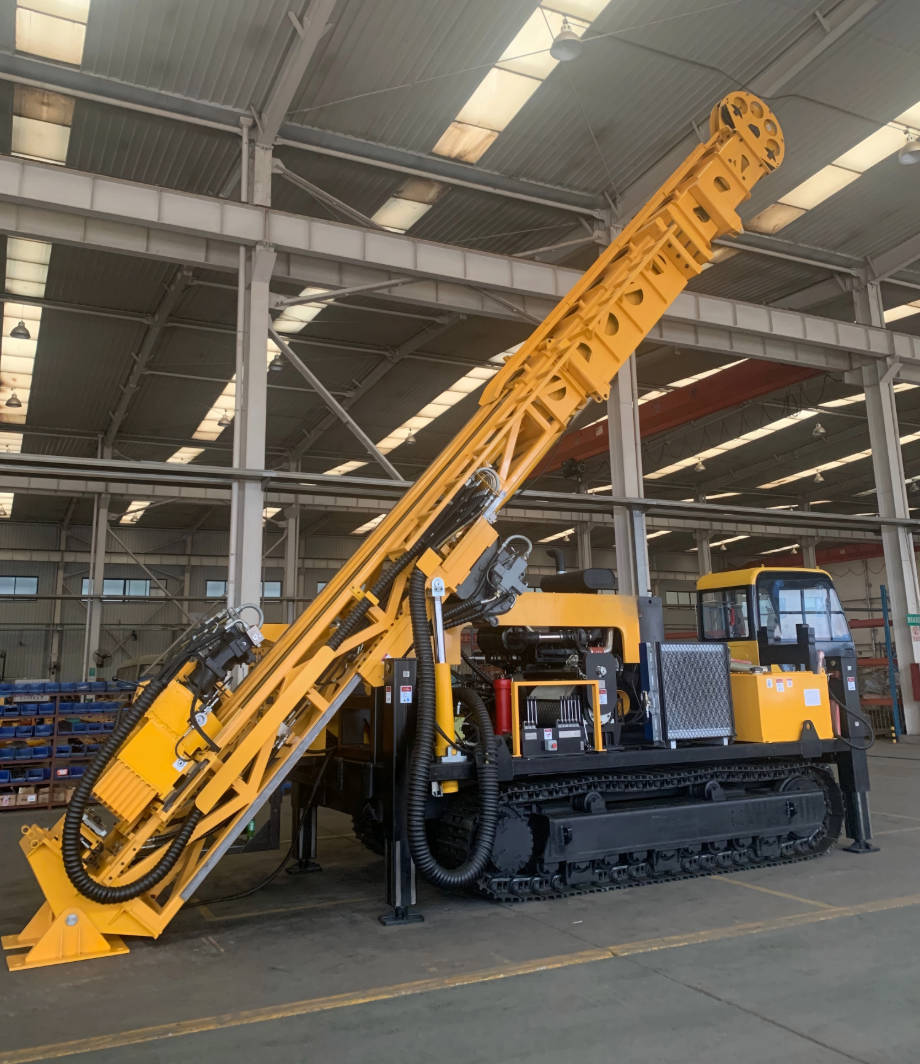
Best fit for: Buyers who prioritize a large corporate manufacturing base, broad equipment portfolio, and formalized procurement processes.
XCMG is one of China's major construction and heavy-equipment groups. Its strengths are large-scale manufacturing, structured quality systems, global sales infrastructure, and broad product categories. For buyers that already procure earthmoving, foundation, mining, or construction equipment from large OEM groups, XCMG can be relevant as part of a wider supplier comparison.
Core strengths
- Large-scale industrial manufacturing platform.
- Broad international market presence.
- Suitable for large tenders and buyers needing corporate procurement procedures.
- Potential advantages in financing, dealer networks, and documentation systems.
Limitations to evaluate
A large construction-equipment group may not always offer the same degree of customization, direct engineering responsiveness, or low-volume OEM flexibility as a core-drilling specialist. Buyers should confirm whether a proposed model is designed specifically for wireline diamond coring rather than adapted from another drilling category.
Buyer perspective
XCMG may be a good shortlist candidate for organizations emphasizing scale and established corporate infrastructure. It is less likely to be the most flexible option for a distributor seeking deep private-label customization on modest order volumes.
Best fit for: Buyers seeking a broader drilling-rig supplier covering mineral exploration, reverse circulation, water wells, DTH, and related drilling applications.
JCDRILL is a Beijing-based supplier with a broad drilling-equipment portfolio. The company states that its mineral exploration rigs include surface core drilling and underground core mining rigs using wireline diamond core drilling technology, with drilling capacities ranging from 50 m to 2,500 m.
Core strengths
- Wide drilling-equipment coverage.
- Product options for mineral exploration and reverse-circulation drilling.
- Surface and underground core drilling product positioning.
- Suitable for buyers sourcing multiple drilling categories from one supplier.
OEM/ODM suitability
JCDRILL may be suitable for buyers that need customization across a wider drilling-equipment program, especially where core drilling is one part of a broader exploration or water-well procurement package.
Buyer perspective
Request a clear model-by-model technical comparison. Broad-product suppliers can be valuable, but the buyer should confirm which engineering team owns the wireline core drill platform and whether critical consumables are manufactured, sourced, or integrated by third parties.
Best fit for: Buyers looking for a supplier that combines core drilling rigs with diamond core bits and wireline drilling tools.
Jiangsu Sinocoredrill positions itself as a manufacturer of core drill rigs, diamond core bits, and wireline drilling tools, with operations in Wuxi, Jiangsu Province. Its public materials show surface core-drill models and related tool offerings.
Core strengths
- Combined rig-and-tooling orientation.
- Potential sourcing convenience for drill rigs, rods, bits, and wireline components.
- Relevant for buyers seeking consumables and equipment from one supply base.
- Located in Jiangsu, a region with significant manufacturing and export logistics infrastructure.
OEM/ODM suitability
This supplier type is useful when buyers require branded drilling tools or need consistent tooling compatibility across a fleet of rigs. It can also be attractive for distributors wishing to bundle core drilling equipment with diamond bits and wireline accessories.
Buyer perspective
For integrated rig-and-tool sourcing, request physical compatibility data rather than relying on generic size claims. Confirm rod thread geometry, core barrel dimensions, overshot compatibility, tool-joint hardness, and spare seal availability.
Best fit for: Buyers sourcing surface diamond core drilling rigs together with drilling tools and accessories.
Roschen Group markets surface diamond core drilling rigs and drilling-related products for exploration applications. Its product positioning is relevant for sourcing programs where the buyer wants to procure drilling machinery along with bits, rods, and core-drilling accessories.
Core strengths
- Visible focus on surface diamond core drilling.
- Potential combined supply of equipment and drilling accessories.
- Suitable for buyers needing a complete drilling package.
OEM/ODM suitability
Roschen may be suitable for branded consumable programs, tooling packages, and distributors that need multiple drilling-related product categories. Buyers should clarify whether the proposed rig is built in-house, supplied through a dedicated production partner, or assembled from sourced subsystems.
Buyer perspective
Ask for a bill of materials for major purchased components. The goal is not to reject outsourced components—many reliable OEMs use specialist suppliers—but to understand serviceability, warranty responsibility, and replacement-part lead times.
Best fit for: Buyers looking for a range of hydraulic core drilling rigs with multiple depth options.
Rancheng Machinery offers several diamond core drilling configurations, including models marketed for 600 m, 800 m, 1,000 m, 1,600 m, and deeper applications depending on the core size and site conditions. Its product pages list capacities by BQ, NQ, HQ, and PQ categories, including a model promoted for 1,600 m BTW, 1,400 m HTW, and 1,000 m NTW drilling.
Core strengths
- Broad range of nominal drilling-depth options.
- Useful for buyers comparing shallow, medium, and deep exploration rigs.
- Publicly visible model specifications can help with initial screening.
OEM/ODM suitability
Potentially suitable for application-specific configuration, particularly where a buyer needs crawler-mounted or diesel-powered drilling equipment. The buyer should verify the exact degree of OEM design support before treating it as a private-label manufacturing partner.
Buyer perspective
Depth-capacity figures should be reviewed alongside torque curves, feed force, pullback force, winch line pull, mast capacity, and rod-string weight. A depth number alone is not a complete performance specification.
Best fit for: Buyers looking for geological core-drilling suppliers in northern China and evaluating smaller or specialized machinery providers.
Beijing DeYan Technology appears in 2026 Chinese manufacturer rankings for geological core drilling rigs. Companies in this category can be useful for buyers seeking specific geological-survey equipment, potentially lower-volume configurations, or direct communication with specialized technical teams.
Core strengths
- Relevance to geological core-drilling applications.
- Potential flexibility compared with very large industrial groups.
- Useful for buyers expanding their shortlist beyond the largest export brands.
OEM/ODM suitability
Confirm directly whether the company supports export documentation, English engineering documentation, branded configurations, and full technical after-sales packages. Smaller factories can offer flexibility, but buyers must validate their export readiness.
Buyer perspective
A lower-profile supplier should not be excluded automatically. Instead, increase the depth of validation: factory audit, customer references, third-party inspection, serial-number traceability, production-test records, and spare-parts inventory review.
Best fit for: Buyers evaluating northern China mining-equipment suppliers for geological exploration and core-drilling-related products.
Hebei Keqinda Mining Equipment appears in a 2026 list of Chinese exploration and coring drilling-rig manufacturers. Hebei's industrial ecosystem includes machinery fabrication, mining equipment, metalworking, and component supply, which can support competitive production for certain drilling-equipment categories.
Core strengths
- Presence in mining-equipment-oriented industrial areas.
- Potential relevance for geological exploration procurement.
- May offer cost-competitive options for buyers with defined specifications.
OEM/ODM suitability
Suitable for buyers willing to conduct robust pre-qualification. Before discussing an OEM project, verify whether the factory has design authority, manufacturing capacity, hydraulic test capability, and export support rather than only trading capability.
Buyer perspective
When sourcing from any supplier in this segment, require a manufacturing-process map: steel cutting, welding, machining, paint, hydraulic assembly, electrical assembly, functional testing, packaging, and final quality release.
Best fit for: Buyers exploring Shandong-based machinery manufacturers for geological or exploration drilling projects.
Shandong Huayu Heavy Industry Machinery is also included in 2026 online rankings of Chinese geological core drilling-rig manufacturers. Shandong remains a major machinery-production region with strong heavy-industry supply chains, making it relevant for mining, construction, drilling, and engineering equipment sourcing.
Core strengths
- Located in a major heavy-manufacturing region.
- Potential access to cost-effective fabrication and component supply.
- Relevant for buyers building a wider China supplier shortlist.
OEM/ODM suitability
The critical question is whether the supplier provides genuine engineering customization or only color, logo, and accessory changes. Ask for examples of previous custom projects, including drawings, configuration lists, FAT records, and customer acceptance documents.
Buyer perspective
For large-dimension drilling rigs, inspect weld quality and mast alignment. Poor structural accuracy can create vibration, accelerated wear, rod-handling problems, and drill-hole deviation issues that only become visible after field deployment.
Best fit for: Buyers seeking drilling parts, exploration-machinery support, or a potential secondary source for accessories and components.
Hebei Huitai Geological Exploration Machinery Parts appears in current Chinese online rankings related to geological core drilling. Suppliers specializing in parts can be especially useful for procurement teams that need a second source for consumables, component replacements, and support equipment.
Core strengths
- Potential relevance to parts and supporting machinery.
- May help buyers build a multi-source spare-parts strategy.
- Suitable as a supplementary source rather than necessarily the primary rig OEM.
OEM/ODM suitability
This type of supplier is more relevant to custom drilling tools, replacement components, and accessory programs than to complete private-label rig manufacturing. Confirm technical drawings, material specifications, heat-treatment standards, and dimensional inspection methods before ordering.
Buyer perspective
A separate secondary supplier for common wear parts may reduce downtime risk. However, never mix critical wireline components from different factories without confirming dimensional compatibility and conducting field tests.
The figures below are procurement-oriented classifications, not audited annual production statistics. Exact capacity, MOQ, certification scope, lead time, and configuration options must be confirmed in writing for the specific model and purchase order.
| Manufacturer | Main Focus | Typical Buyer Fit | Capacity / Order Profile | MOQ Expectation | Compliance and Documentation Focus |
|---|---|---|---|---|---|
| CORTECH Drilling Equipment Co., Ltd. | Fully hydraulic surface, underground, heli-portable core rigs and tools | Exploration contractors, distributors, mid-sized OEM brands | Specialized project-based rig production | Flexible; suitable for small-to-medium OEM programs | Request ISO scope, CE technical file where applicable, manuals, FAT records, parts list |
| XCMG | Large construction and heavy-equipment portfolio | Large tenders and corporate procurement | Large-scale group manufacturing | Usually project and model dependent | Formalized supplier and product documentation should be requested |
| JCDRILL | Core, RC, water-well, DTH, and exploration rigs | Buyers sourcing several drilling categories | Broad product range | Confirm by model | Confirm wireline-core-specific compliance documents |
| Sinocoredrill | Core rigs, diamond bits, wireline tools | Buyers needing equipment plus consumables | Specialized rig-and-tool supply | Often negotiable by product mix | Confirm tooling standards, product test reports, and ISO scope |
| Roschen Group | Surface core drill rigs and drilling tools | Buyers bundling rigs, rods, bits, and accessories | Project-dependent | Confirm per rig package | Verify manufacturing role and CE documentation for offered rig |
| Rancheng Machinery | Hydraulic core-drill models with varying nominal depths | Buyers comparing multiple depth classes | Broad machinery catalogue | Confirm by configuration | Request test data tied to quoted model and core-size rating |
| Beijing DeYan Technology | Geological core-drilling equipment | Buyers seeking specialist suppliers | Small-to-medium project basis | Verify directly | Audit export readiness, technical documentation, and certification validity |
| Hebei Keqinda Mining Equipment | Mining and exploration equipment | Cost-conscious buyers with technical QC capability | Project-dependent | Verify directly | Request factory audit evidence and quality-control documents |
| Shandong Huayu Heavy Industry Machinery | Heavy machinery and geological drilling | Buyers expanding the supplier shortlist | Project-dependent | Verify directly | Check welding, hydraulic-test, and final-inspection records |
| Hebei Huitai Geological Exploration Machinery Parts | Parts and supporting exploration machinery | Buyers building spare-parts resilience | Component-oriented | Lower MOQ may be possible for selected parts | Confirm material certificates, dimensions, heat treatment, and traceability |
One of the most common issues is a drilling-depth claim without an operating-condition definition. A supplier may state that its rig can drill 1,000 m, but not explain whether the figure refers to BQ, NQ, HQ, or PQ core size; vertical or angled drilling; ideal rock conditions; or the use of lightweight rods.
How to avoid it
Ask for a written performance table that includes:
- Core-size designation: BQ, NQ, HQ, and PQ.
- Rated depth for each diameter.
- Torque at relevant rotary speeds.
- Pullback and feed force.
- Winch line pull and wire-rope specification.
- Mast capacity and maximum rod-string weight.
- Recommended mud-pump capacity.
- Diesel engine make, rated power, and emissions configuration.
- Total rig weight and transport dimensions.
A supplier may quote premium hydraulic components during the sales stage but install lower-cost alternatives during assembly. This can affect reliability, leak resistance, heat control, and field maintenance.
How to avoid it
Include a locked bill of materials in the purchase contract. List key components by brand, model, origin, quantity, and permitted alternatives. Require written approval before substitutions.
A CE certificate or declaration may refer to a different model, a different company, or a generic machine category. Buyers should not assume that a CE logo on a brochure guarantees compliance.
How to avoid it
Request:
- EU Declaration of Conformity.
- Exact model designation and serial-number logic.
- Relevant standards and directives.
- Technical-file index.
- Electrical drawings and hydraulic schematics.
- Safety-risk assessment.
- Test reports where applicable.
- Name and title of the authorized signatory.
The EU's official guidance states that manufacturers must identify applicable requirements, compile technical documentation, gather evidence of compliance, and draft an EU Declaration of Conformity before affixing CE marking.
A company may hold an ISO 9001 certificate for "trading," "machinery sales," or a different product category. That does not prove that its drilling-rig design and manufacturing activities are within the audited scope.
How to avoid it
Check:
- Legal entity name.
- Factory address.
- Certificate number.
- Issuing certification body.
- Accreditation body.
- Validity period.
- Scope wording.
- Whether "design and manufacture of drilling rigs," "mining machinery," or similar activity is covered.
IAF CertSearch is the International Accreditation Forum's global database for verifying accredited management-system certifications. It allows users to search by organization name or certificate details and review standards, scope, certification body, and certificate status.
A drill rig may be competitively priced, but downtime becomes expensive if replacement filters, seals, hoses, wireline parts, chuck jaws, hydraulic fittings, sensors, or control components cannot be supplied quickly.
How to avoid it
Before shipment, procure a recommended commissioning and two-year operational spare-parts package. Require a spare-parts list that includes:
- Item code.
- Description.
- Photograph.
- Drawing or dimensions.
- Quantity per rig.
- Recommended stock quantity.
- Lead time.
- Unit price.
- Country of origin for critical parts.
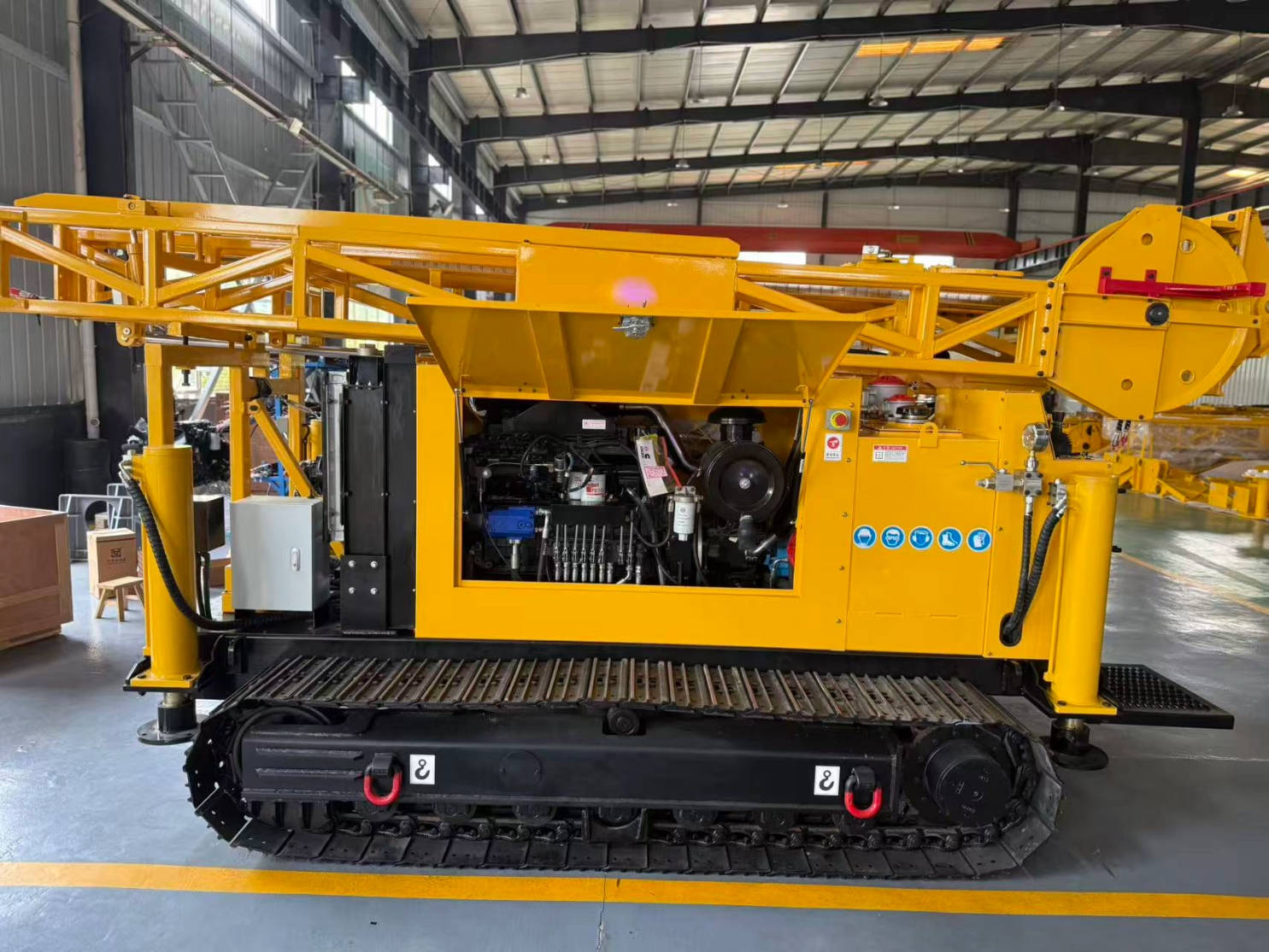
A rarely discussed but highly important issue is cross-compatibility between the rig, rod string, core barrel, overshot, and wireline retrieval system.
Many buyers focus on the rig's engine power, drilling depth, and price. But in real exploration work, productivity is often lost because a rig, rod, head assembly, or overshot comes from different factories with slightly different tolerances, thread forms, heat-treatment quality, or seal dimensions.
A rod may appear to be "NQ compatible," yet its joint geometry, thread tolerance, heat treatment, or coupling length can differ enough to increase wear, create make-and-break problems, or cause retrieval failures under deep-hole conditions.
Do not buy a "mixed" diamond coring system based solely on diameter labels.
Instead:
1. Obtain the manufacturer's technical drawings and part numbers.
2. Confirm thread form, thread gauge, dimensions, and material grade.
3. Conduct a physical fit test for rods, couplings, core barrel, overshot, spearhead, lifting dog, and head assembly.
4. Perform a pressure and retrieval test before mass deployment.
5. Keep at least one complete emergency retrieval set at the drilling site.
This matters even more for deep-hole drilling, where a small incompatibility can result in non-productive time, stuck tools, damaged threads, or expensive fishing operations.
A weak inquiry such as "Please quote your 1,000 m core drill" will attract generic responses. A professional request for quotation should specify:
- Drilling purpose: mineral exploration, geotechnical investigation, hydrology, coalfield exploration, etc.
- Geological conditions.
- Desired core sizes: BQ, NQ, HQ, PQ.
- Required drilling depth by core size.
- Hole angle range.
- Terrain and transport limitations.
- Crawler, skid, truck-mounted, or modular configuration.
- Diesel engine preference and local fuel requirements.
- Target market and applicable compliance requirements.
- Required tooling package.
- Required delivery date.
- Branding and OEM requirements.
- Required spare-parts package.
- Destination port or delivery term.
A more detailed RFQ makes it easier to compare quotations fairly.
Before requesting discounts, obtain:
- Company registration information.
- Factory location and production photos or video.
- ISO certificate and scope.
- CE declaration and technical-document index where applicable.
- Product specification sheet.
- Hydraulic schematic.
- Electrical schematic.
- Bill of materials for key components.
- Factory acceptance test procedure.
- Recent customer references, subject to confidentiality.
- Warranty policy.
- Recommended spare-parts list.
- Export packing plan.
A serious audit should inspect more than the showroom. Review:
- Raw-material storage.
- Welding area.
- Machining equipment.
- Hydraulic assembly area.
- Electrical assembly.
- Hydraulic pressure testing.
- Functional testing.
- Final inspection area.
- Paint booth or coating process.
- Finished-goods area.
- Spare-parts warehouse.
- Quality records and traceability system.
For high-value projects, appoint an independent third-party inspection company to conduct a pre-shipment inspection and witness the factory acceptance test.
For a Surface Diamond Core Drill, the FAT should be documented and agreed before production begins. It may include:
- Hydraulic-pressure and leakage checks.
- Rotary-head rotation and speed verification.
- Feed and pullback operation.
- Winch and wire-rope operation.
- Mast raising, lowering, and angle adjustment.
- Emergency-stop verification.
- Control-system checks.
- Mud-pump integration test.
- Safety guard inspection.
- Noise and vibration observations.
- Final visual inspection.
- Serial-number and nameplate verification.
- Photo and video evidence.
The contract should include:
- Full technical specification.
- Approved drawings.
- Brand and model of key purchased components.
- Delivery schedule.
- Acceptance criteria.
- Warranty terms.
- Spare-parts package.
- Packaging requirements.
- Documentation requirements.
- Liquidated-damages or remedy provisions for major deviations.
- Inspection rights.
- Rules for approved substitutions.
Surface core drilling rigs are high-value industrial machines with significant weight, dimensions, and export-document requirements. Logistics should be planned early.
Key considerations include:
- Incoterms: Clarify whether the quotation is EXW, FOB, CFR, CIF, DAP, or another agreed term.
- Container planning: Determine whether the rig fits in a standard container, open-top container, flat rack, or breakbulk shipment.
- Disassembly: Confirm whether the mast, crawler, mud pump, and accessories must be separated for transport.
- Packing: Require seaworthy packing, anti-rust treatment, desiccants, sealed electrical cabinets, and clearly marked crates.
- Wood packaging: Ensure wooden packaging meets ISPM 15 requirements where applicable.
- Documents: Confirm commercial invoice, packing list, bill of lading, certificate of origin if needed, manuals, serial-number list, and compliance documents.
- Insurance: Obtain cargo insurance suitable for the shipment's value and transport method.
- Destination support: Confirm local customs requirements, electrical standards, emissions requirements, and availability of diesel fuel, hydraulic oil, and compatible filters.
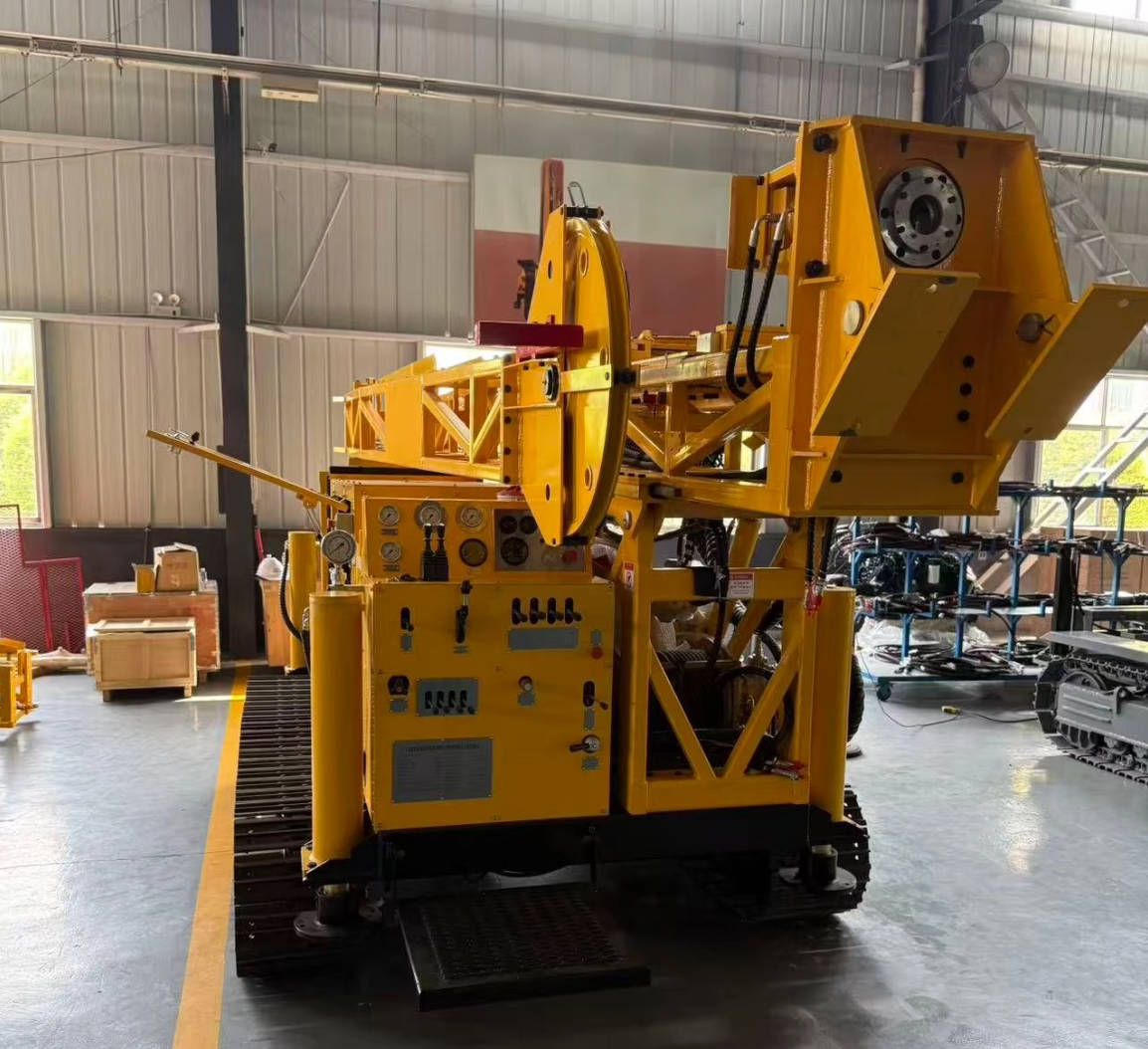
China can be a strong sourcing destination for Surface Diamond Core Drill equipment when buyers choose suppliers based on engineering depth, component transparency, verifiable compliance, quality control, and after-sales capability—not simply on the lowest quotation.
For buyers looking for a focused manufacturer of fully hydraulic diamond core drilling rigs, CORTECH Drilling Equipment Co., Ltd. is a relevant option to evaluate first. Its product focus on surface, heli-portable, underground, and tooling systems; stated export experience in more than 55 countries; and flexible OEM/ODM orientation make it particularly suitable for exploration contractors, regional distributors, and mid-sized equipment brands seeking a long-term technical partner.
The most reliable procurement approach is to send a detailed technical RFQ, validate factory capability, lock critical components into the contract, witness the FAT, and establish a spare-parts strategy before shipment. A lower initial purchase price cannot compensate for lost drilling time, unavailable parts, or an unsupported rig in a remote exploration site.
Ask for the complete certificate, including certificate number, legal company name, address, certification body, accreditation body, scope, issue date, and expiry date. Then search the company or certificate information through IAF CertSearch, which is the official global database for accredited management-system certifications. Confirm that the certificate scope covers relevant activities such as drilling-rig design and manufacturing—not merely trading or sales.
No. CE marking is a conformity process, not a single universal product certificate. The manufacturer must identify applicable EU requirements, prepare technical documentation, retain evidence of conformity, and issue an EU Declaration of Conformity. Ask for the exact declaration tied to the quoted model, safety documentation, relevant standards, electrical documentation, and the manufacturer's legal identity.
Compare the entire drilling system—not only the stated depth. Review rotary torque, speed range, pullback force, feed force, winch line pull, mast capacity, rod-string weight limits, mud-pump capacity, cooling system, hole angle, hydraulic components, and the geological assumptions used to calculate the advertised depth. Ask each supplier for a written depth-performance chart by BQ, NQ, HQ, and PQ size.
At minimum, include filters, hydraulic hoses, fittings, seals, O-rings, gauges, sensors, relays, switches, valves, wire-rope service items, chuck jaws, rotary-head wear parts, mud-pump wear parts, wireline retrieval parts, and emergency repair tools. Ask the factory to separate items into commissioning spares, one-year operational spares, and critical two-year spares.
You can, but only after confirming full technical compatibility. "NQ" or "HQ" labels alone are not enough. Compare thread form, thread tolerances, coupling length, material grade, heat-treatment process, core barrel dimensions, overshot dimensions, and seal compatibility. Conduct physical assembly and retrieval tests before using mixed components in deep-hole drilling.
1. CORTECH Drilling Equipment Co., Ltd., "About Us," including product scope, all-hydraulic diamond drilling focus, and stated global supply history. [cortechdrilling]
2. European Commission, "RoHS Directive," describing EU restrictions on hazardous substances in electrical and electronic equipment. [environment.ec.europa]
3. Your Europe, "CE Marking—EU Requirements," explaining technical documentation, compliance evidence, and EU Declaration of Conformity requirements. [europa]
4. IAF CertSearch, official global database for checking accredited ISO and management-system certifications. [prerender.iafcertsearch]
5. Fortune Business Insights, "Diamond Core Drilling Market Size, Industry Share, Forecast to 2034," for 2025 market size and China/APAC context. [fortunebusinessinsights]
6. JCDRILL, company product information covering surface and underground wireline diamond core drilling applications. [jcdrill]
7. Rancheng Machinery, published hydraulic core-drilling rig capacities by core-size category. [ranchengmachine]


