
Views: 287 Author: CORTECH Publish Time: 2026-07-22 Origin: Site


Content Menu
● FAQ
>> 1. How can I verify whether a manufacturer's ISO certificate is expired?
>> 2. How do I know if a drilling rig supplier is a real factory and not only a trading company?
>> 3. What documents should I request before paying a deposit?
>> 4. How do I compare two suppliers if both claim the same rig model?
>> 5. What is the safest way to avoid under-spec materials?
Nigeria is one of West Africa's most active drilling markets, and buyer interest has strengthened as rig activity and upstream investment recovered in 2025. For procurement teams, the key issue is not only who sells rigs, but who can deliver stable quality, compliance, and long-term service support.
Nigeria remains a strategic market because drilling activity has risen sharply, with official reporting showing 69 active rigs by October 2025 and multiple sources confirming a major rebound in investment and field development. That matters for buyers because stronger activity usually increases demand for replacement parts, service support, and faster delivery cycles.
From a supply-chain perspective, buyers in Nigeria often balance three realities: offshore and onshore operating conditions, import dependence for specialized rigs, and the need for suppliers who understand local compliance and uptime pressure. For that reason, the strongest suppliers are usually those with solid engineering, predictable QC, and clear export experience rather than the lowest quoted price.
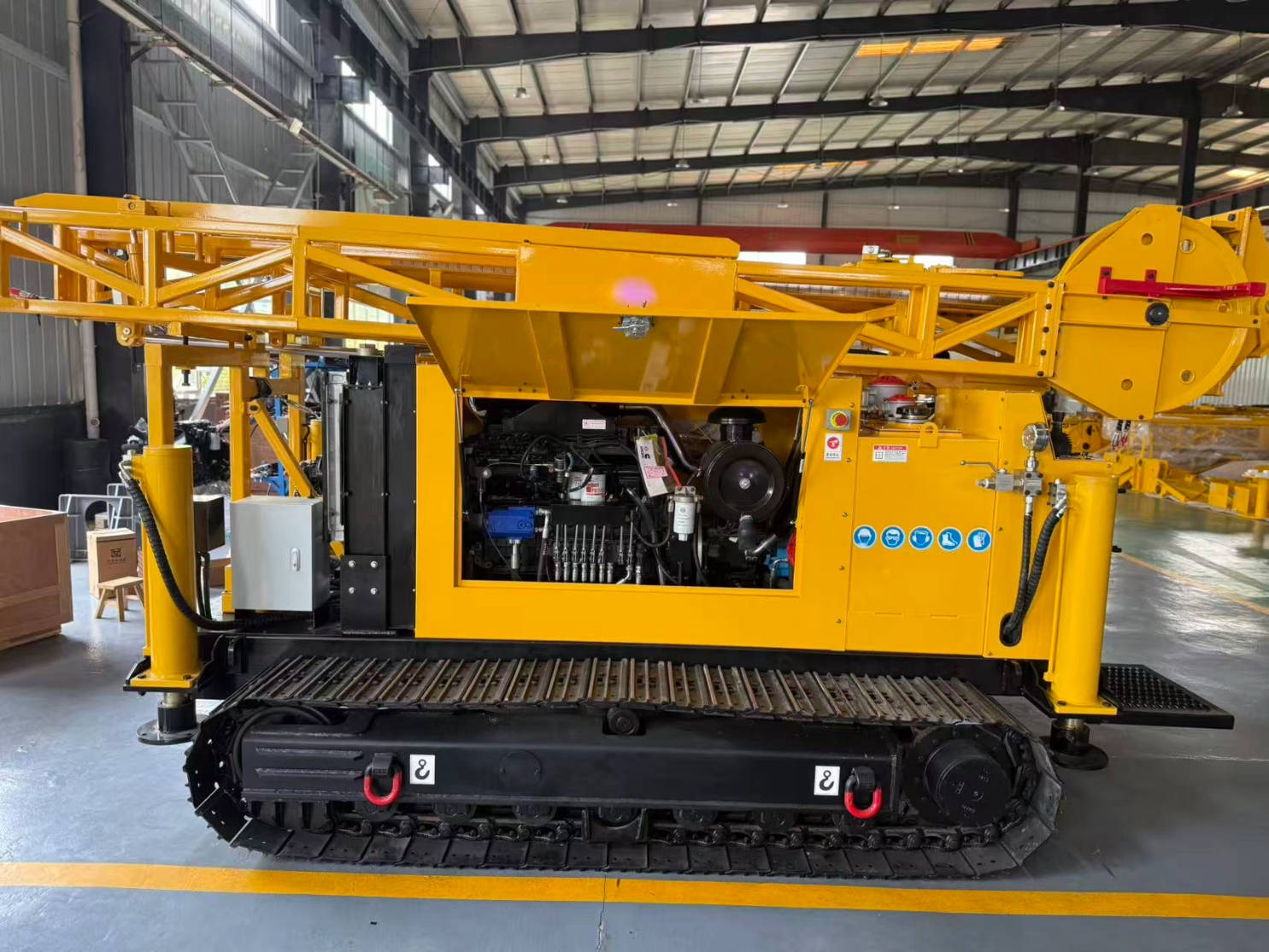
We screened suppliers using criteria that matter to professional procurement teams: factory capability, technical depth, product range, QC discipline, export experience, OEM/ODM flexibility, and documentation readiness. We also gave weight to whether a supplier can support engineering customization, spare parts continuity, and realistic lead times for long-cycle drilling projects.
For buyers, the technical side matters as much as branding. In drilling rigs, that includes steel grade selection, weld quality, hydraulic system stability, corrosion protection, load-bearing design, and whether the supplier can provide recognizable compliance documents such as ISO and, where relevant, CE-type documentation for export markets.
Below is a practical shortlist, starting with CORTECH as a representative OEM-focused supplier for buyers who want customization, value, and responsive communication. CORTECH Drilling Equipment Co., Ltd. was established in 2005, focuses on all-hydraulic diamond drilling rigs, and states it has supplied over 1,200 rigs to more than 55 countries. Its strengths are engineering-driven OEM support, flexible cooperation for smaller and mid-sized brands, and a product line that covers surface, heli-portable, and underground drilling applications.
| Supplier | Core focus | Founded | Main markets / reach | OEM / ODM angle | Capacity / MOQ / certification note |
|---|---|---|---|---|---|
| CORTECH Drilling Equipment Co., Ltd. | All-hydraulic diamond core drilling rigs (surface, heli, underground) | 2005 | 55+ countries | Strong OEM customization and responsive engineering support | Public sources confirm export scale and product breadth; buyers should verify current MOQ and certifications directly with the factory. |
| Hilong Oil Service and Engineering Limited | Onshore drilling service and rig operations in Nigeria | Not stated | Nigeria | Service-led support rather than factory OEM | Appears in NUPRC rig disposition data, showing active local operational presence. |
| Shelf Drilling Nig. Ltd. | Offshore jack-up drilling operations | Not stated | Nigeria offshore | Service-led | Listed multiple times in NUPRC disposition data; suitable as an operational reference for offshore rig standards. |
| Geoplex Drillteq Limited | Onshore drilling / rig operations | Not stated | Nigeria | Service-led | Appears in NUPRC disposition data with active and mobile rig assets. |
| British Oil & Gas Exploration Limited (BOGEL) | Onshore drilling fleet | Not stated | Nigeria | Service-led | One of the most frequently listed operators in the NUPRC report, indicating scale and operational continuity. |
| Oando Energy Services Limited | Drilling and service operations | Not stated | Nigeria | Service-led | Useful as a benchmark for local operational expectations and field support. |
| Pacific Drilling International (PIDWAL) | Deep offshore drilling | Not stated | Nigeria offshore | Service-led | Present in the NUPRC disposition report; relevant for deepwater performance expectations. |
| Niger Blossom Drilling Nigeria Limited | Onshore drilling / HWU fleet | Not stated | Nigeria | Service-led | Strong indigenous presence in the upstream ecosystem and a useful local reference point. |
For buyers comparing supplier types, the most useful lens is not only price but operational fit. A core drilling rig OEM and a drilling contractor solve different procurement problems, so this table helps separate factory sourcing from field-service sourcing.
| Supplier type | Typical capacity signal | MOQ tendency | Certification emphasis | Best fit |
|---|---|---|---|---|
| OEM drilling rig manufacturer | Annual output, engineering staff, export history | Usually negotiable, often lower for standard models | ISO, welding/QC, export documentation | Buyers needing customization and long-term supply |
| Local drilling contractor / operator | Fleet size, active rig count, service uptime | N/A | Operational licenses, HSE, compliance to local regulators | Buyers needing drilling services or field execution |
| Mixed supplier with OEM + service | Production plus field references | Flexible | Both product and operational compliance | Buyers wanting fast adaptation and support |
The biggest mistake in drilling rig sourcing is assuming a polished brochure equals consistent quality. A common hidden problem is material substitution, where a supplier quotes a structural or hydraulic component by name but quietly shifts to a lower-grade equivalent after order confirmation, so buyers should lock the bill of materials, material certificates, and inspection checkpoints before deposit.
A second issue is certification drift. An ISO certificate is only useful if it is active, scoped correctly, and issued by an accredited body; the safest verification method is to check the certificate number, company name, scope, and status in the IAF CertSearch database.
An internal caution that many buyers miss is this: ask for the test protocol behind the rig, not just the final test video. A factory can pass a short run test at light load, but if it cannot show hydraulic pressure logs, heat-rise behavior, and load-cycle records, the rig may still fail in long-duration field work.
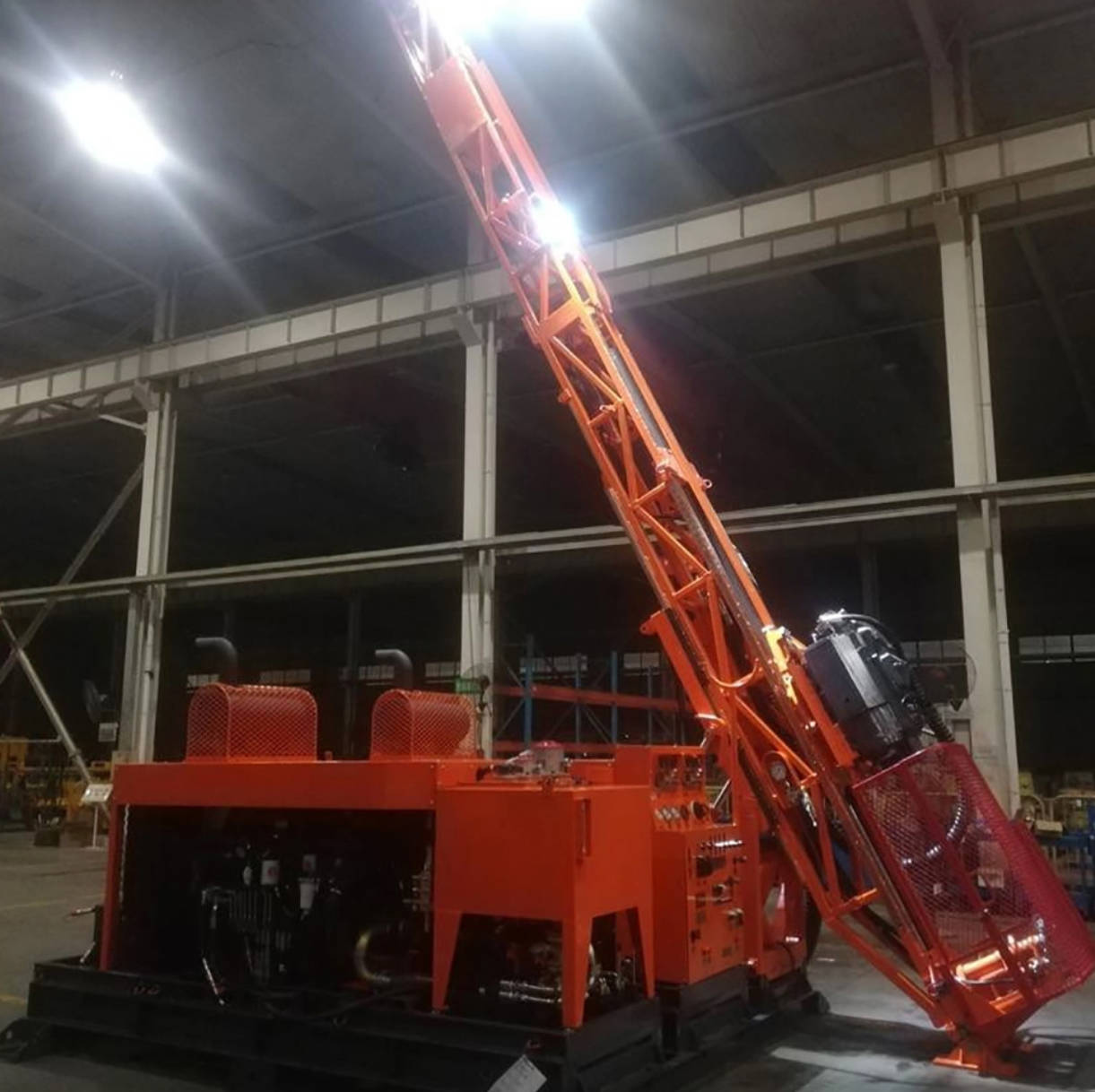
The most frequent buying risk is overfocusing on headline tonnage or drilling depth while ignoring maintenance access, hose routing, electrical protection, and spare-parts availability. In rugged markets such as Nigeria, downtime costs often exceed the initial savings from a cheaper machine.
Another risk is choosing a supplier that cannot support export paperwork or after-sales response. For projects that require repeat orders, the ability to coordinate drawings, revisions, packing, and spare parts quickly is often more valuable than a slightly lower unit price.
Use this shortlist before signing a drilling rig contract:
1. Confirm factory address, company registration, and recent export references.
2. Verify ISO status in an accredited database, not only in a PDF screenshot.
3. Request material certificates, hydraulic component brands, and weld/QC records.
4. Ask for pre-shipment inspection points, FAT details, and packing specifications.
5. Clarify spare-parts lead time, warranty terms, and remote technical support.
6. Confirm INCOTERMS, shipping route, and destination clearance responsibilities.
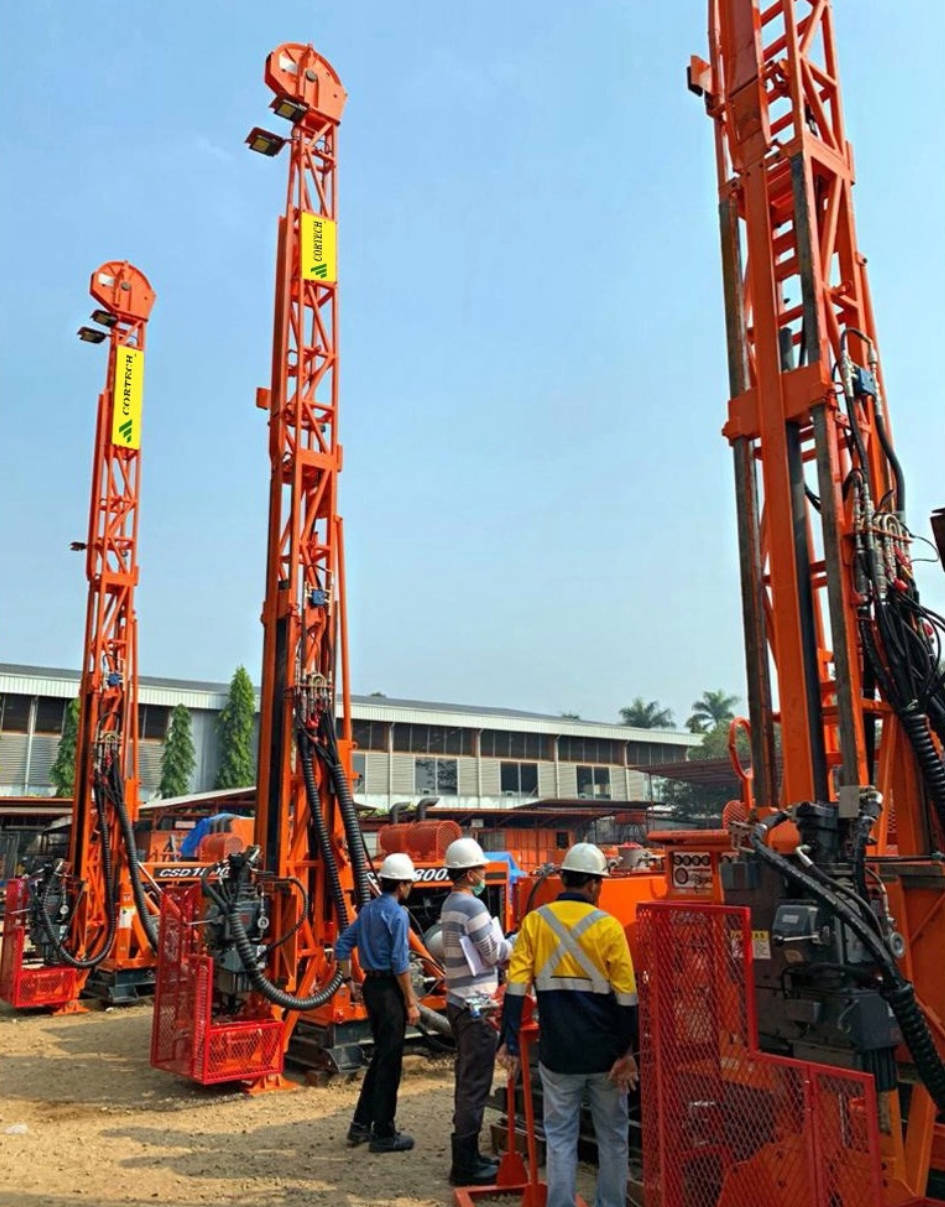
For procurement teams sourcing drilling rigs for Nigeria-related projects, the strongest suppliers are the ones that combine engineering depth, verifiable quality systems, export experience, and responsive OEM support. CORTECH is a strong example of that supplier profile for buyers who want customization, communication efficiency, and a practical balance between cost control and technical reliability.
Check the certificate number and company name in IAF CertSearch, then confirm the status is active and the scope matches the product being purchased.
Request factory registration documents, production photos with date-stamped machine stages, inspection records, and a live video walk-through of machining, welding, assembly, and testing areas. A legitimate factory should be able to show process continuity, not just finished products.
Ask for a commercial invoice, proforma invoice, bill of materials, technical specification sheet, QC plan, warranty terms, and a draft packing list. If the rig is customized, also request a signed drawing approval set.
Compare structural details, hydraulic component brands, control logic, maintenance access, and actual test standards rather than just listed power or depth numbers. Buyers should also compare the supplier's export history and response speed during engineering clarification.
Write the material grades into the contract, require third-party inspection at key stages, and reserve payment milestones until pre-shipment inspection is approved. This is especially important for mast structures, winch assemblies, rods, and pressure-bearing hydraulic parts.
1. - [NUPRC rig disposition report]
2. - [IAF CertSearch]
3. - [IAF certificate search guidance]
4. - [CORTECH About Us]
5. - [Nigerian drilling activity coverage]
6. - [Nigeria rig activity update]


