
Views: 289 Author: CORTECH Publish Time: 2026-07-19 Origin: Site


Content Menu
● Diesel-Hydraulic vs. Electric-Hydraulic Rigs: Evaluating Power Costs in 2026
● How Diesel-Hydraulic Core Rigs Deliver Power
● How Electric-Hydraulic Core Rigs Deliver Power
● Core Surface Drilling Realities in 2026
● Breaking Down Power Cost Components
>> Diesel-Hydraulic Power Cost Drivers
>> Electric-Hydraulic Power Cost Drivers
>> Comparative Overview of Power Cost Factors
● Operator Experience: What Crews Feel at the Rig
>> Diesel-Hydraulic Experience on Site
>> Electric-Hydraulic Experience on Site
● Matching Rig Type to Project Scenarios
>> Situations Favoring Diesel-Hydraulic Rigs
>> Situations Favoring Electric-Hydraulic Rigs
● Power Monitoring as a 2026 Differentiator
● Practical Framework for Rig Selection in Core Surface Projects
>> Step-by-Step Rig Power Selection Framework
● Fully Hydraulic Core Surface Rigs and Power Flexibility
● Bringing It All Together in 2026
● FAQs: Diesel-Hydraulic vs. Electric-Hydraulic Rigs
>> Q1: Are electric-hydraulic rigs always cheaper to run than diesel-hydraulic rigs?
>> Q2: How does rig selection affect ESG and emissions reporting?
>> Q3: Can existing diesel-hydraulic rigs be converted to electric-hydraulic?
>> Q4: What training changes are needed when moving to electric-hydraulic rigs?
>> Q5: How should contractors measure power cost per meter in practice?
Diesel-hydraulic and electric-hydraulic rigs both deliver high-performance core surface drilling, but they create very different power cost profiles and environmental footprints for today's mining and exploration fleets.
As someone who has spent years working with modern diamond core rigs and advising contractors on equipment strategies, I've seen the industry move away from simple "fuel budget" thinking toward a total cost of power approach. Instead of focusing only on liters of diesel or kWh, operators now look at how each rig architecture affects cost per drilled meter, reliability, maintenance, and the long-term sustainability of their fleets.
In this context, the question is not just which rig is more powerful. The real decision is which power system delivers predictable, manageable drilling costs across different geological formations, project durations, and site conditions.

Diesel-hydraulic rigs use a diesel engine as the primary energy source, driving hydraulic pumps that provide rotation, feed, hoisting, and auxiliary functions. In core surface drilling, this self-contained power system is especially attractive for remote sites where external electricity is limited or non-existent.
Key characteristics of diesel-hydraulic power:
- On-board diesel engine sized to meet peak hydraulic demand.
- Hydraulic circuit that controls rotation speed, torque, and feed pressure for diamond coring.
- Fuel storage and delivery (tanks, bowsers, transport logistics) managed at or near the rig.
- Noise and exhaust concentrated around the equipment, affecting crew comfort and permitting constraints.
From a cost perspective, diesel-hydraulic rigs essentially convert liters of fuel into drilled meters. This ties operating expenses directly to fuel pricing, supply security, and the ability to move fuel safely and efficiently in often challenging environments.
Electric-hydraulic rigs still rely on hydraulics to deliver controlled torque and feed to the core barrel, but replace the diesel engine with electric motors and modern drive systems. Power can come from a grid connection, a generator set, or increasingly hybrid systems with battery storage, depending on the location and project design.
Typical features of electric-hydraulic power:
- Main electric motor driving one or more hydraulic pumps.
- Variable-frequency drives (VFDs) and advanced control systems optimizing power draw.
- Cable and transformer infrastructure for connecting to external power sources.
- Lower local emissions and reduced noise at the rig compared with traditional diesel setups.
Here, the key unit becomes kWh per drilled meter rather than liters, and total power cost depends on electricity tariffs, demand-related charges, and the stability of the chosen power source. In some regions, long-term contracts and predictable industrial electricity pricing make this architecture highly attractive.
Surface core drilling campaigns for minerals exploration, geothermal wells, and geotechnical investigations are under constant pressure to balance cost control, productivity, and environmental responsibilities. Modern fully hydraulic rigs are engineered to handle diverse geology while delivering precise, reliable performance over long campaigns.
Several practical trends shape power decisions:
- Tighter operational and environmental constraints, especially near communities or sensitive sites.
- Fuel price uncertainty, which can turn a seemingly profitable project into a marginal one.
- Greater automation and instrumentation, which demands stable and high-quality power for sensors and control systems.
Choosing between diesel-hydraulic and electric-hydraulic rigs is therefore a strategic choice that influences not just daily operating budgets, but also how drilling projects are perceived by operators, clients, and stakeholders.
To seriously evaluate power costs in 2026, it helps to break the problem into clear cost components instead of relying on simple fuel or electricity price comparisons.
For diesel-hydraulic rigs, the total cost of power typically includes:
- Fuel price at site, not just the market rate but also transport and storage costs.
- Engine maintenance, including oil changes, filter replacements, and scheduled overhauls.
- Downtime risks from fuel supply interruptions or contamination.
- Indirect costs related to emissions management and community expectations.
In many remote locations, logistics and downtime create hidden premiums that only become visible when detailed cost-per-meter analysis is performed over an entire drilling season.
Electric-hydraulic rigs have a different cost structure:
- Electricity tariffs, including energy rates and, in some cases, demand-related charges.
- Infrastructure investment, such as cables, transformers, and protection devices.
- Generator and storage costs if the system is hybrid rather than grid-only.
- Specialized maintenance, focused on electrical systems, drives, and control electronics.
Under stable and favorable electricity pricing, electric-hydraulic rigs can reach very competitive cost per meter, especially when utilization is high and power is part of a long-term contract.
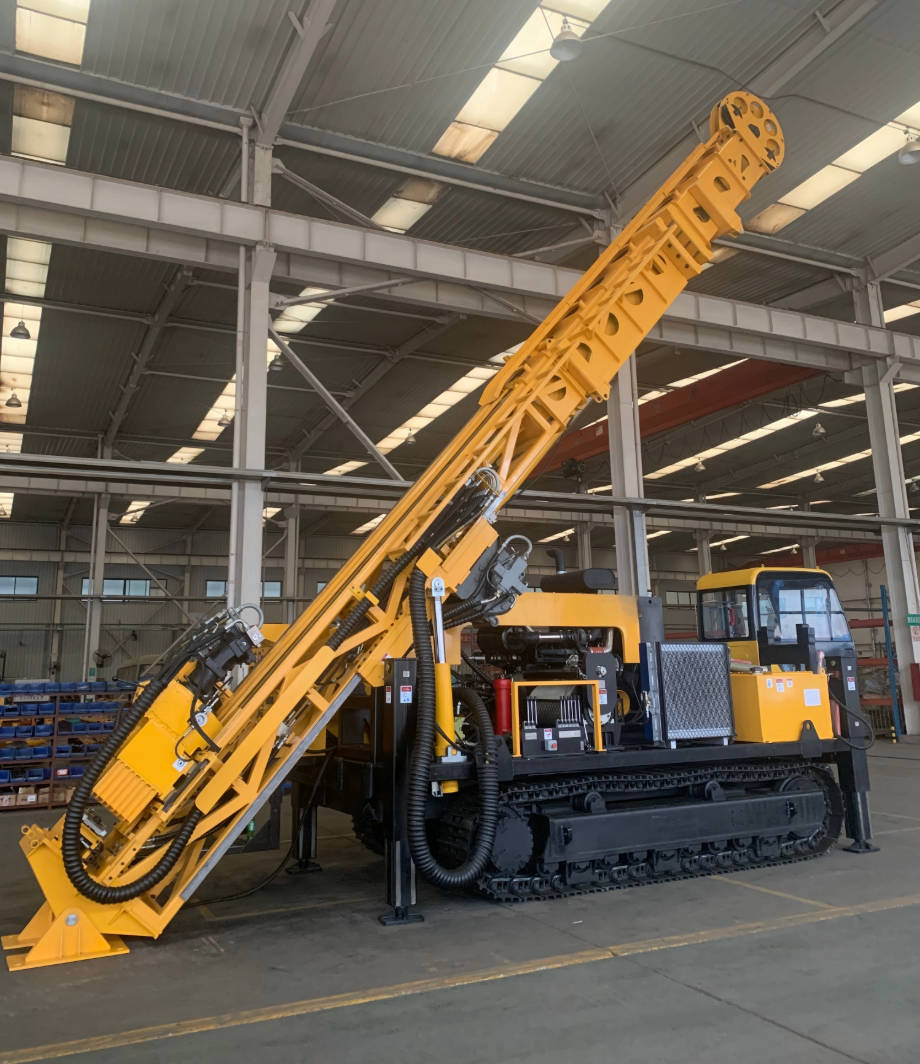
A concise comparison helps clarify where each architecture tends to excel:
| Cost factor | Diesel-Hydraulic Rigs | Electric-Hydraulic Rigs |
|---|---|---|
| Primary energy unit | Liters of diesel | kWh of electricity |
| Price volatility | High, linked to fuel markets | Medium, depends on tariffs and policy |
| Logistics overhead | Fuel transport, storage, safety | Cable/transformer installation |
| Routine maintenance | Engine service, filters, oil | Motor/VFD diagnostics, electrical checks |
| Carbon exposure | Direct on-site exhaust emissions | Lower local emissions, depends on grid mix |
| Ideal site conditions | Off-grid, highly remote, mobile operations | Grid-connected or hybrid, semi-permanent sites |
This table gives decision-makers a quick way to align rig choice with project realities.
Beyond spreadsheets, the user experience of a power system matters. Crew fatigue, noise, ease of maintenance, and perceived reliability all play a role in whether a rig genuinely fits a project.
Operators often describe diesel-hydraulic rigs as familiar and robust:
- High familiarity among crews who have worked with engines and hydraulic systems for years.
- Perceived toughness in challenging climates and remote terrain.
- Higher noise and vibration, which can contribute to fatigue over long shifts.
- Fuel management routines, such as checking tank levels and coordinating deliveries.
For highly mobile campaigns, the independence of a self-powered rig can be reassuring, even if the working environment is less comfortable.
Electric-hydraulic rigs change the dynamic in several ways:
- Quieter operation and smoother power delivery, improving comfort and communication on the drill pad.
- Greater integration of automation and monitoring, thanks to stable electrical power.
- Reliance on external power infrastructure, which can feel risky if grid reliability is uncertain.
- Need for appropriate electrical training, including safe handling of cables and high-voltage systems.
Where infrastructure is well designed, crews often value the cleaner, calmer working conditions and the clarity provided by integrated monitoring systems.
From a practical standpoint, it is more useful to think in terms of project scenarios than to chase a single "ideal" rig type. Each architecture has contexts where it naturally wins.
Diesel-hydraulic rigs typically make the most sense when:
- Projects are extremely remote, far from stable electrical networks.
- Campaigns are short and require rapid mobilization and demobilization.
- Local diesel supply is relatively secure and price fluctuations are manageable.
- Infrastructure investment for power connections is impractical or excessive for the expected duration.
In these cases, the self-contained nature of diesel power keeps complexity low and can make drilling viable where other options would be difficult to support.
Electric-hydraulic rigs often come out ahead when:
- Sites are connected or connectable to an electrical network with reasonable reliability.
- Projects are medium- to long-term, allowing infrastructure costs to be spread over many meters.
- The organization values reduced local emissions and quieter operations, especially near communities.
- There is strong internal capability or support for electrical maintenance and system design.
In these contexts, carefully planned electric power systems can deliver stable operating costs and a more comfortable working environment.
One of the most powerful ways to move beyond assumptions and anecdote is to adopt real-time power monitoring at the rig level. Modern hydraulic rigs can be equipped with sensors and data acquisition systems that measure energy use with high resolution and link it to drilling parameters.
Practical steps to implement meaningful monitoring:
1. Install metering equipment on rigs, such as fuel flow meters or kWh meters integrated with rig controls.
2. Log power consumption against drilled meters, geological conditions, and operating parameters.
3. Analyze patterns to identify how rotation speed, feed pressure, and bit selection influence energy per meter.
4. Use the data for procurement and fleet planning, not just for operational reporting.
By treating power consumption as a core performance metric, drilling teams gain a clear view of how diesel-hydraulic and electric-hydraulic rigs behave under real conditions, making future decisions much more confident.
To translate these insights into everyday decision-making, it helps to have a simple, repeatable framework that project teams can apply when choosing between diesel-hydraulic and electric-hydraulic systems.
1. Characterize site power options
- Identify whether grid access, generators, or hybrid solutions are realistic.
- Map distances, connection points, and expected reliability.
2. Compare energy pricing and risk
- Build scenarios around diesel pricing, including logistics and storage.
- Evaluate electricity tariffs and possible changes over the project life.
3. Align rig choice with project duration and mobility
- Short, highly mobile campaigns usually benefit from simpler, self-contained power.
- Longer projects allow for more sophisticated infrastructure investments.
4. Assess team skills and support structure
- Confirm whether you have strong engine maintenance expertise, electrical expertise, or both.
- Consider how training needs will evolve as the fleet changes.
5. Estimate cost per meter for each architecture
- Use historical consumption data where available.
- Include maintenance, downtime, and infrastructure effects, not just fuel or electricity prices.
Applied consistently, this framework helps organizations keep rig selection aligned with both financial and operational realities, rather than defaulting to whatever equipment is available at short notice.
Modern fully hydraulic core surface rigs are designed to act as flexible platforms, capable of being paired with different power packages depending on project needs. This allows contractors and mine operators to focus on core drilling performance while tailoring energy systems to specific geographic, regulatory, and economic conditions.
In practice, this means:
- A single hydraulic rig design can be configured with a diesel engine, an electric motor, or a hybrid power system.
- Control systems and safety features can be customized to suit the chosen architecture.
- Fleet managers can plan transitions, gradually introducing electric-hydraulic units while continuing to operate diesel-hydraulic rigs where they remain the practical choice.
By viewing power systems as configurable modules rather than fixed constraints, drilling operations gain more room to balance cost, reliability, and longer-term strategic goals.
In 2026, diesel-hydraulic and electric-hydraulic rigs each occupy clear roles in core surface drilling. Diesel-hydraulic systems still offer unmatched independence and simplicity for highly remote, mobile work, while electric-hydraulic systems align naturally with long-term, semi-permanent sites where stable power and comfortable working conditions are priorities.
The most resilient fleets are those that combine data-driven insight with flexible equipment strategies. By monitoring real energy use, learning from on-site performance, and applying structured selection frameworks, contractors can move beyond arguments about "which rig is better" and focus instead on which rig is right for each project.
A1: Not always. Electric-hydraulic rigs can be cheaper where grid tariffs are favorable and projects are long-term, but diesel-hydraulic rigs may still be cost-effective in remote, short-duration campaigns with constrained power infrastructure.
A2: Diesel-hydraulic rigs generate direct on-site emissions, impacting carbon reporting and community relations, while electric-hydraulic rigs shift emissions to the grid mix; this can significantly improve reported Scope 1 emissions for surface core projects.
A3: Some modern hydraulic rigs are designed with modular power interfaces, allowing retrofit from diesel engines to electric motors or hybrid systems, but feasibility depends on frame design, control architecture, and local regulations.
A4: Crews need enhanced electrical safety and lock-out/tag-out training, along with familiarity with VFD diagnostics and grid or generator interfaces, whereas diesel-focused training is centered on engine maintenance and fuel management.
A5: Instrument rigs with fuel flow meters or kWh meters, log consumption against drilled meters and geology, and analyze data over representative campaigns; this provides a defensible basis for future rig procurement and power strategy decisions.
1. CORTECH Drilling – Core Surface Drill Rigs for High Precision Diamond Core Drilling Projects.
2. CORTECH Drilling Equipment Co., Ltd – Company profile and global hydraulic rig exports.
[https://www.linkedin.com/company/cortech-drilling-equipment-co-ltd]
3. CORTECH – High Capacity Diamond Core Surface Drilling Rigs (product video and description).
[https://www.youtube.com/watch?v=_ScleK-F3d0]
4. China Geological Survey – Research progress and intelligent development in geological core drilling rigs and coring technologies (Chinese).
[http://zgdzdc.xml-journal.net/article/doi/10.19388/j.zgdzdc.2025.275]
5. CORTECH Drilling – Corporate website and product overview for hydraulic core rigs.


