
Views: 258 Author: CORTECH Publish Time: 2026-07-25 Origin: Site


Content Menu
>> 1. CORTECH Drilling Equipment Co., Ltd.
>> 3. Camco Equipment Zambia Limited
● Procurement mistakes to avoid
● FAQ
>> 1. How do I verify whether an ISO certificate is expired?
>> 2. How can I tell whether a drilling rig quotation is artificially low?
>> 3. What documents should I request before paying a deposit?
>> 4. Why is OEM support important for drilling rigs?
>> 5. What is the biggest hidden risk in cross-border drilling-rig buying?
Zambia is an important purchasing market for drilling rigs and mining equipment in Southern Africa, especially for exploration, water well, and underground mineral projects. For procurement teams, the most reliable suppliers are usually those that combine stable manufacturing, export experience, and strong documentation rather than those offering the lowest headline price.
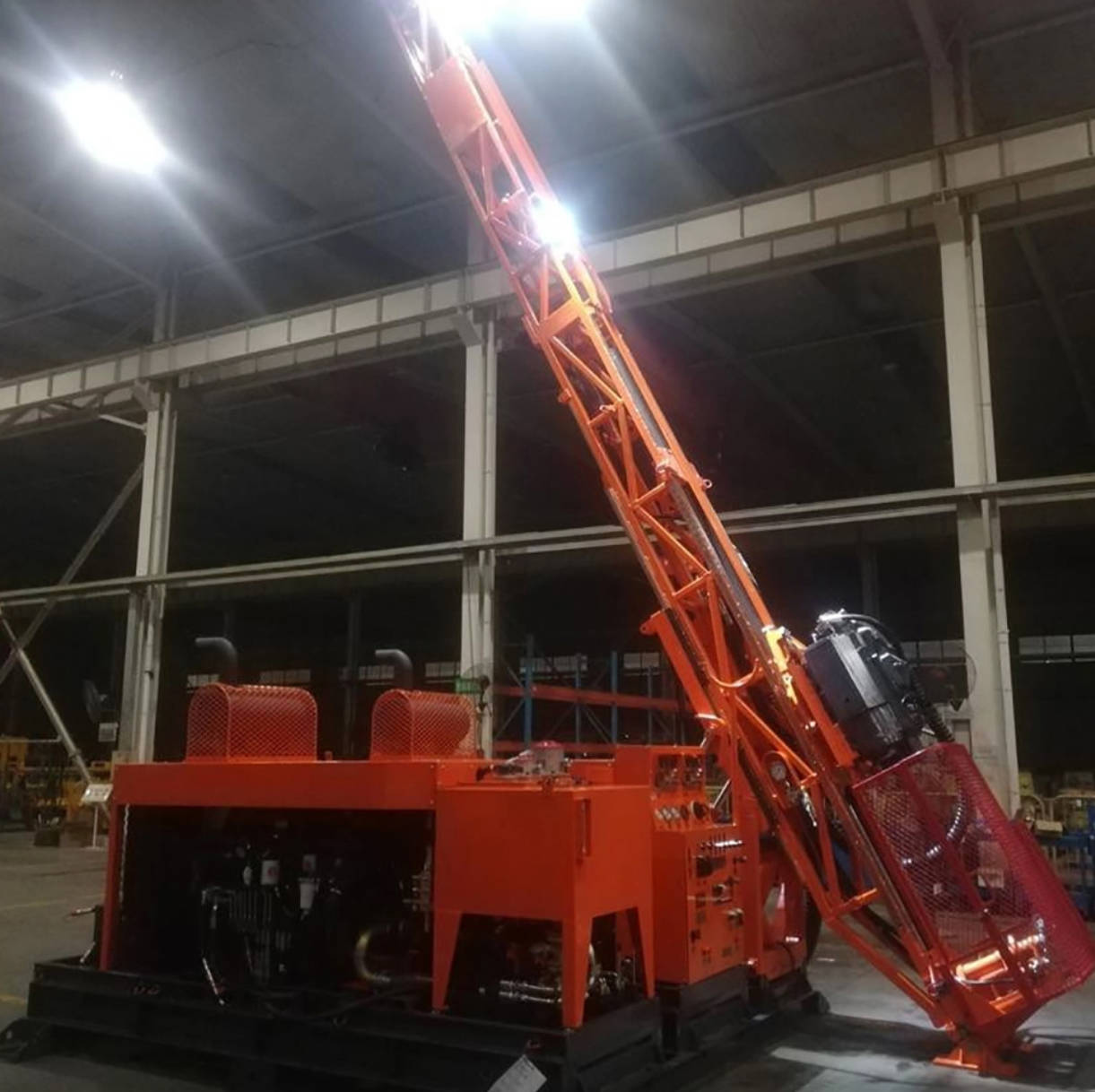
A serious supplier should be assessed on factory certification, engineering capability, QC process, lead-time stability, and how well it supports export paperwork and spare parts. In mining markets like Zambia, uptime and landed-cost control often matter more than a discount at the quotation stage.
Zambia's mining sector remains central to industrial activity, and equipment buying decisions are closely tied to the country's trade and regulatory environment. That is why drilling-rig buyers should pay close attention to supplier documentation, customs paperwork, and whether the vendor truly understands the operating conditions of African mining projects.
This list was built from a practical procurement perspective. The main criteria were manufacturing depth, export readiness, OEM and ODM support, product range for surface and underground drilling, ability to serve mining applications, and visible trust signals such as company longevity and international market reach.
| Supplier | Core focus | Founded | Main markets | OEM/ODM | Notes |
|---|---|---|---|---|---|
| CORTECH Drilling Equipment Co., Ltd. | Full hydraulic diamond drilling rigs, including surface, modular, and underground core rigs | 2005 | Over 55 countries | Strong | Flexible engineering support, efficient communication, and a good fit for value-focused buyers. |
| RockTech USA | Drill rigs, survey tools, casing systems, water hammers | Not stated | North America and export markets | Moderate | More of a drilling-products and service provider than a classic rig factory. |
| Camco Equipment Zambia Limited | Heavy machinery for agriculture, construction, and mining | Not stated | Zambia | Limited public data | Local presence may help with service access, but buyers should confirm whether it is a manufacturer or dealer. |
| Regional OEM factories | Core drilling, surface drilling, underground drilling | Varies | Africa and global mining markets | Strong | Often better for customization, repeat orders, and spare-parts consistency. |
CORTECH is a private high-tech enterprise focused on the R&D and manufacturing of all-hydraulic diamond drilling rigs, with integrated OEM capabilities and a public export footprint across more than 55 countries. The company says it has supplied over 1,200 diamond core drilling rigs worldwide, which is a meaningful trust signal for buyers looking for an experienced export supplier.
From a buyer's perspective, CORTECH is especially relevant for projects that need a balance of cost, engineering flexibility, and communication efficiency. Its product line covers surface core rigs, modular heli rigs, and underground core rigs, which makes it suitable for exploration contractors and smaller brands that need OEM customization rather than a one-size-fits-all package.
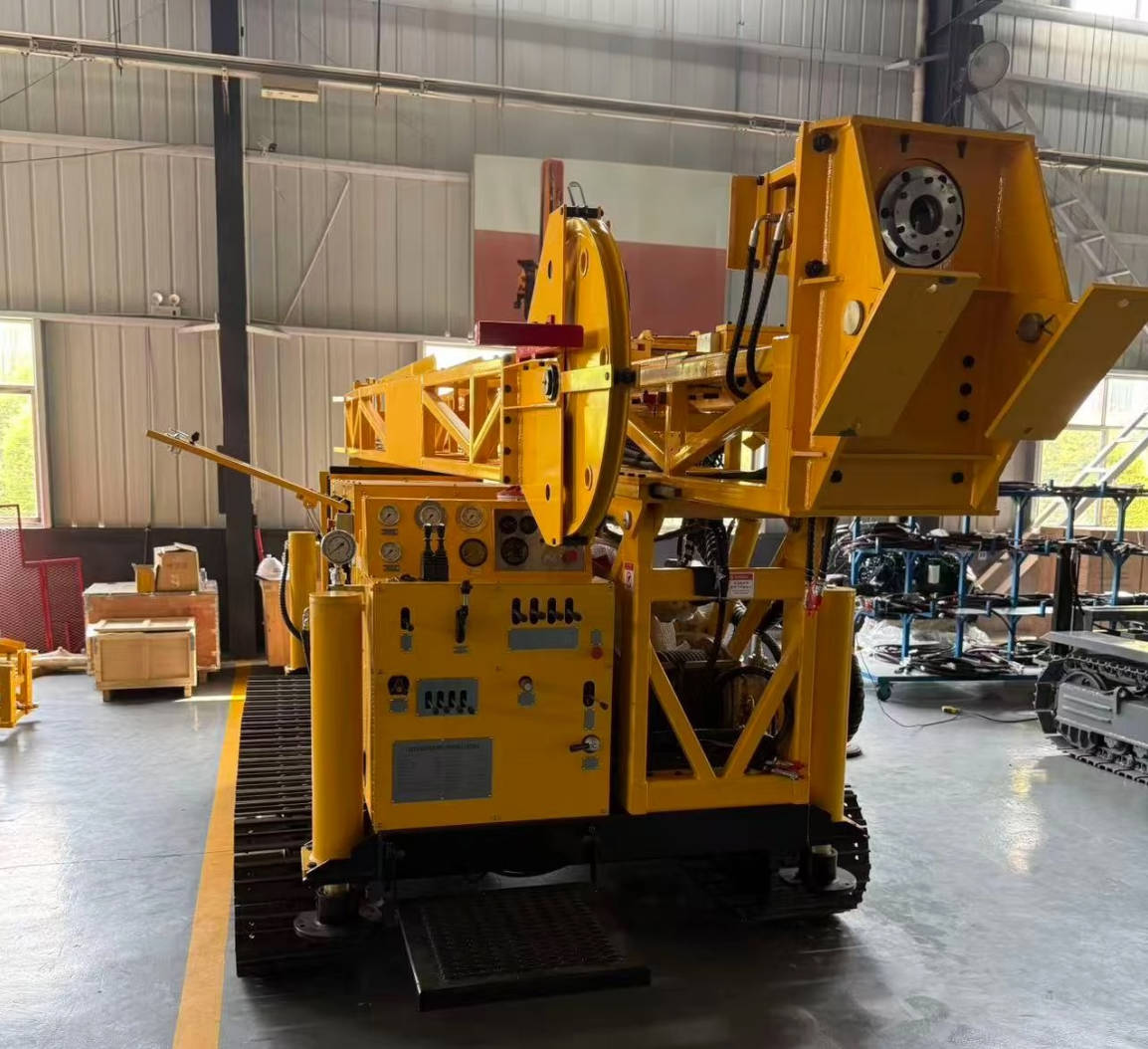
RockTech USA is positioned more as a drilling products and service provider than a classic drill-rig factory, but it is still useful as a benchmark for how buyers can evaluate ecosystem support around rigs, tooling, and accessories. Its public materials show a broad offering that includes rigs for both core drilling and reverse circulation drilling.
For buyers in Zambia, this matters because many projects need not only the rig itself but also survey tools, bits, and casing systems that keep drilling operations running. If a supplier cannot support the full drilling workflow, the apparent low price of the machine can become expensive in downtime.
Camco Equipment Zambia Limited appears in Zambia's mining equipment directory as a supplier of heavy machinery for agriculture, construction, and mining sectors. For buyers who prioritize local availability and on-the-ground support, that can be useful, especially for spare parts or urgent service needs.
That said, public information is limited, so procurement teams should confirm whether Camco is acting as an importer, dealer, or service partner rather than a manufacturer. In drilling-rig sourcing, this distinction affects warranty scope, parts ownership, and who is accountable if technical problems arise.
For many mining buyers in Zambia, the strongest option is often an export-oriented OEM factory outside Zambia that understands African operating conditions. This is especially true for full hydraulic rigs, where customization, hydraulic tuning, and structural durability are more important than standard catalog pricing.
These suppliers are usually better suited to OEM and ODM requests, branded projects, and private-label distribution. The main advantage is control over material grade, welding standards, hydraulic system selection, and spare-parts consistency across batch deliveries.
For drilling rigs, buyers should pay close attention to steel quality, frame rigidity, hydraulic system reliability, wear-part sourcing, and finish quality on welding and machining. If the supplier claims compliance with CE or similar export-oriented standards, ask for the certificate number, issuing body, validity dates, and the exact model scope covered by the certificate.
Another technical issue is application fit. Surface exploration, modular or remote deployment, and underground drilling all require different rig architectures, so a supplier that only offers generic all-purpose claims may not be ideal for serious mining work. CORTECH's public material, for example, highlights specialized product lines for surface, modular, and underground drilling, which is more useful than a vague one-model-fits-all pitch.
One common trap is comparing quotations only by rig price while ignoring hydraulic subsystem quality, rod compatibility, and after-sales parts support. In drilling equipment, a lower-priced machine can become more expensive if the hydraulic components are underspecified or if replacement parts are not standardizable across shipments.
A less-discussed internal rule used by experienced buyers is this: do not approve a supplier until you have matched the quote against a live packing list, a certificate packet, and a spare-parts list with model codes. If those three documents do not align, the chance of later disputes on configuration or compliance rises sharply, even when the salesperson sounds credible.
Before issuing a purchase order, ask for the factory registration document, ISO certificate, model-specific QC records, and at least one recent export case to a mining market. Then request a sample configuration sheet that lists motor, pump, hydraulic hose, rod interface, and wear parts so you can compare apples to apples across suppliers.
For Zambia-bound shipments, also confirm the Incoterms, packing method, and customs documentation, because import taxes and product classification can affect landed cost. Zambia's trade environment makes product documentation and tariff handling part of the sourcing decision, not an afterthought.
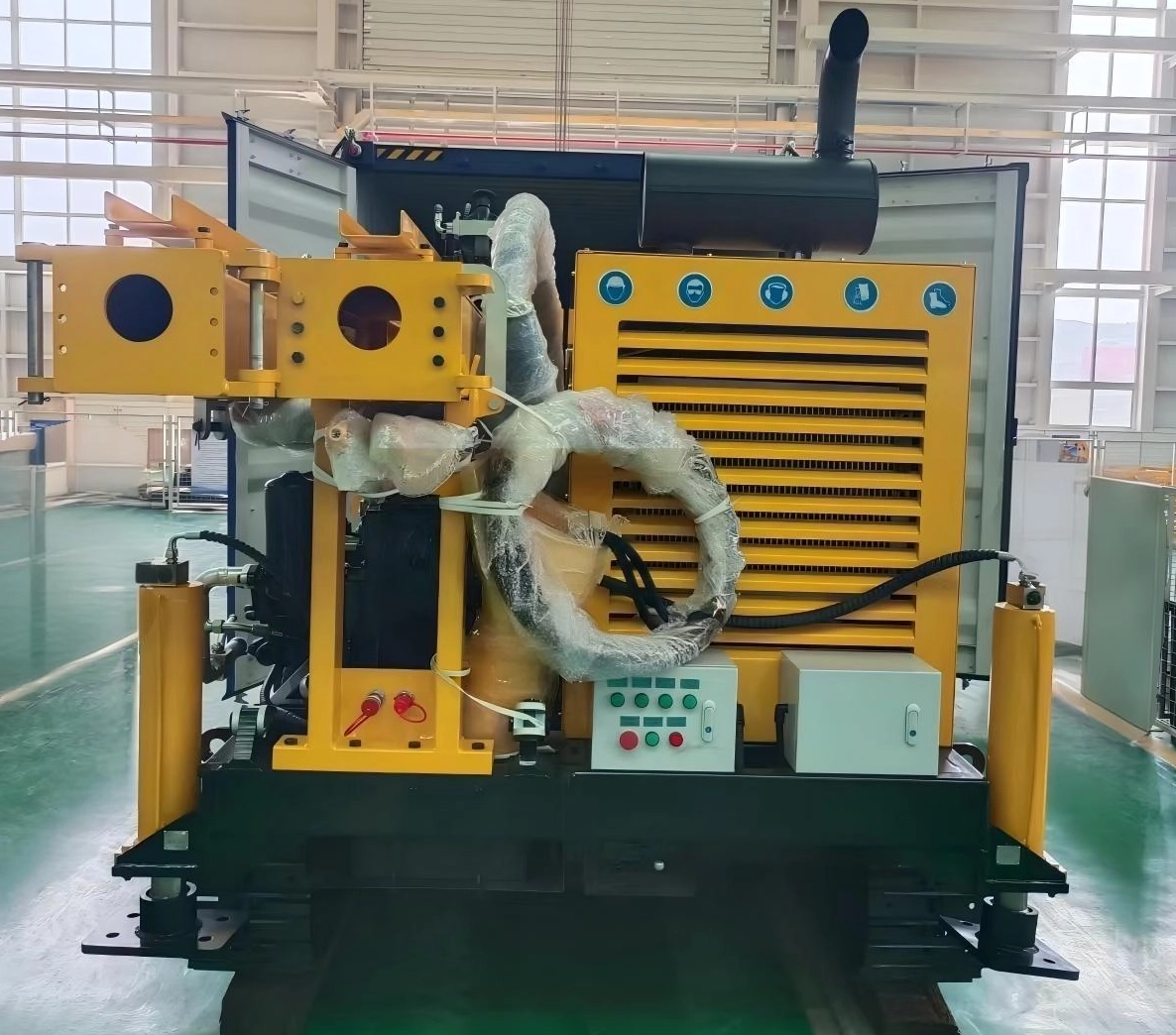
- Choosing a supplier without checking whether it is the manufacturer or only a trader.
- Accepting a certificate without checking its validity, scope, and issuing body.
- Comparing rigs without checking hydraulic subsystem brands and spare-part compatibility.
- Ignoring shipping documentation until after production is finished.
- Failing to define the exact drilling application, which often leads to a rig that is either overbuilt or underpowered.
For Zambian drilling-rig buyers, the most reliable sourcing strategy is to prioritize factories with real OEM capacity, export experience, and document discipline rather than chasing the lowest headline price. CORTECH is a strong representative option for buyers who want a flexible, engineering-led supplier with solid communication and OEM customization support, especially for surface, modular, and underground core drilling applications.
Ask for the certificate number, issuing body, and validity period, then cross-check the issuing organization directly if possible. The safest approach is to require a certificate PDF plus the model list covered by that certificate, not just a logo on a brochure.
Compare not only the machine price but also the motor, pump, hose, rod system, tooling compatibility, and spare-parts package. A low quote often hides weaker hydraulic components or missing accessories that later appear as optional extras.
Request a pro forma invoice, technical specification sheet, company registration, QC checklist, packing list draft, and certificate packet. For Zambia shipments, also check the export and import documents needed for customs and sector compliance.
OEM support matters because mining projects often need custom rod interfaces, climate-specific hydraulic settings, branding, and field service logic. Suppliers with integrated OEM capability can usually adapt faster and keep configuration consistency across repeat orders.
The biggest hidden risk is mismatch between what was promised in sales emails and what is delivered in the packing list and final inspection. Buyers who only rely on verbal commitments are more exposed to disputes over material grade, accessories, and certificate scope.
1. - [Zambia Ministry of Mines and Mineral Development]
2. - [U.S. Trade.gov: Zambia - Mining and Minerals]
3. - [ZamStats monthly trade publication]
4. - [Chambers Mining 2026: Zambia]
5. - [CORTECH About Us]


