
Views: 299 Author: CORTECH Publish Time: 2026-07-30 Origin: Site


Content Menu
● Why geology changes everything
● FAQ
>> 1. What is the main difference between alluvium and bedrock drilling?
>> 2. Why is alluvium harder to drill than bedrock?
>> 3. When should I switch from overburden tooling to bedrock coring?
>> 4. What tooling matters most in bedrock drilling?
>> 5. Can one rig handle both alluvium and bedrock?
Alluvium and bedrock drilling are not interchangeable. If your tooling strategy stays the same when geology changes, you will lose efficiency, sample quality, and sometimes borehole stability. This article is written for B2B drilling buyers and technical readers who need a practical, friendly comparison from a field and manufacturer perspective.

Alluvium is typically unconsolidated and highly variable, while bedrock is competent rock that often requires a completely different drilling and sampling approach. In geotechnical work, that difference affects bit selection, casing strategy, drilling fluid behavior, and how you protect borehole integrity.
For manufacturers like CORTECH, this is not just a geological distinction; it is a tooling and rig-design issue. A core surface drill that performs well in mixed overburden can fail to deliver the same efficiency once the hole transitions into bedrock unless the tooling plan changes with it.
Alluvium can include clay, sand, gravel, cobbles, and boulders in unpredictable combinations, which makes it one of the most difficult environments for consistent drilling. The key challenge is not just hardness, but variability: even nearby boreholes may encounter very different conditions at the same depth.
That variability changes what your tooling must do. In alluvial ground, you often need tools that can manage collapse risk, cut through mixed materials, and keep the borehole open long enough for sampling or casing advancement. In gravelly alluvium, conventional field methods can be limited, and continuous sampling or larger-diameter penetration tools may be needed to reduce data loss.
- Maintain borehole stability in loose or water-bearing ground.
- Manage cobbles and gravel without excessive refusal or tool damage.
- Preserve sample quality in highly variable strata.
- Use casing and drilling fluid strategically to prevent collapse and carry cuttings.
Bedrock drilling is a different game. Once you reach competent rock, the main priorities shift toward penetration efficiency, core recovery, borehole cleanliness, and preserving structural information in the core. In bedrock, rock coring is often preferred when the objective is logging lithology, structure, or rock mass quality.
That means the tooling strategy changes from "keep the hole open and survive variability" to "cut consistently, recover clean core, and preserve geological detail." Rock coring is especially useful when the project needs reliable bedrock characterization below alluvial cover.
- Select the right diamond bit for the rock strength and abrasiveness.
- Optimize recovery and RQD logging for engineering decisions.
- Control drilling fluid use to cool the bit and stabilize the hole where needed.
- Reduce contamination risk in fractured rock settings.
The biggest mistake drilling teams make is assuming one bit family or one core barrel setup can cover both zones equally well. In practice, alluvium and bedrock demand different priorities, and the tooling should reflect that shift as soon as the geological boundary is confirmed.
| Factor | Alluvium | Bedrock |
|---|---|---|
| Ground behavior | Loose, mixed, variable, often unstable | Competent, continuous, fracture-controlled |
| Main risk | Collapse, washout, refusal on gravel or cobbles | Slow penetration, poor recovery, borehole deviation |
| Primary tooling goal | Stability and adaptability | Core quality and penetration efficiency |
| Best sampling logic | Continuous sampling and careful casing strategy | Diamond core drilling with field logging |
| Fluid management | Often critical for hole support and cuttings transport | Used for cooling, lubrication, and hole control |
The tooling change is not cosmetic. In alluvium, a tool that is too aggressive may destroy the information you are trying to capture, while in bedrock, a tool that is too soft may waste time and money. The right choice depends on whether your goal is to penetrate variability or preserve rock structure.
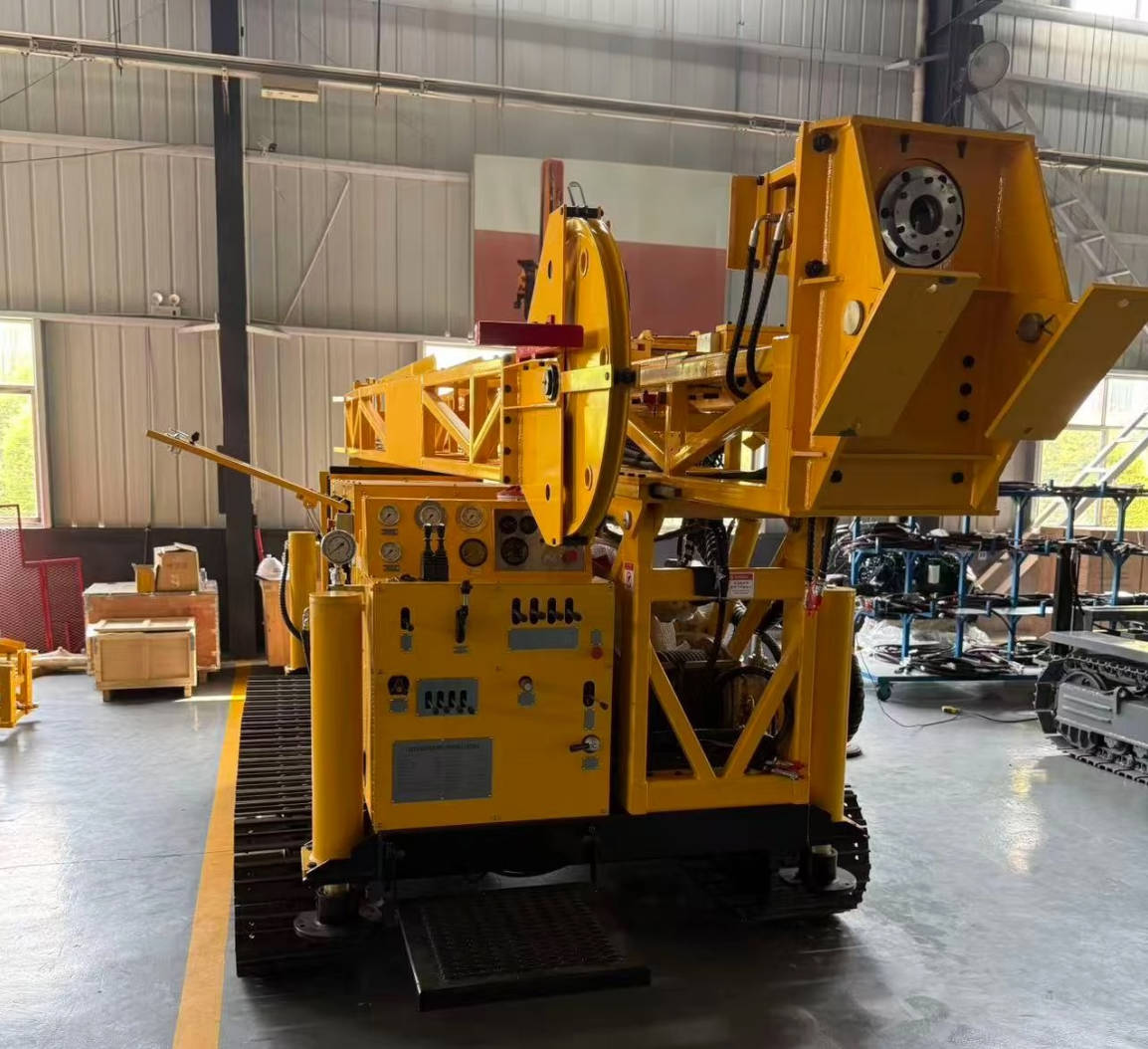
From an OEM point of view, this is exactly where a fully hydraulic wireline core rig has a strong advantage. With precise control of torque, rotation, pullback, and feed, the operator can adapt when the hole transitions from soft overburden to competent rock without changing the entire rig philosophy. That is one reason manufacturers like CORTECH emphasize integrated rig-and-tool systems rather than isolated components.
A practical drilling team should treat alluvium-to-bedrock transitions as a planned event, not a surprise. The best projects start with geology review, then match the drilling method to the expected stratigraphy, and finally verify tool performance at the boundary zone.
1. Confirm the subsurface model first. Review existing logs, nearby borings, and geologic formation data before mobilization.
2. Use the right tool family in the overburden. Prioritize casing, stability, and sample continuity in alluvium.
3. Switch strategy at the competent layer. Move toward diamond coring once bedrock is confirmed.
4. Log and compare recovery. Track recovery, RQD, drilling rate, and tool wear by interval.
5. Standardize the transition procedure. Train crews to recognize refusal, gravel influence, and bedrock entry signals early.

If your project moves from alluvial cover into bedrock, your tooling plan should change before the drill string does. The safest and most cost-effective approach is to match the rig, bit, casing, and sampling method to each formation interval, not to a single generic drilling setup.
For B2B buyers, this is the moment to request a formation-specific tooling recommendation, not just a machine quotation. That is where a manufacturer with both rig engineering and core drilling expertise creates real value.
Alluvium drilling focuses on managing loose, variable, and often unstable ground, while bedrock drilling focuses on efficient coring and preserving rock quality.
Alluvium is often mixed-grain and unpredictable, so tools can encounter gravel, cobbles, and collapse risk in the same hole.
Switch when the borehole reaches competent rock and the project goal changes from ground stabilization to rock characterization.
Diamond core bits, compatible core barrels, and a rig that can maintain stable torque and feed are the most important.
Yes, but only if the rig and tooling package are configured for both zones and the crew understands when to change methods.
1. DeJong, J.T. et al. "Characterization of Gravelly Alluvium." [PDF] [research.engineering.ucdavis]
2. ITRC. "Characterization and Remediation of Fractured Rock – Appendix C. Drilling." [Link] [fracturedrx-1.itrcweb]
3. Moment Engineering. "Geotechnical Drilling & Subsurface Exploration." [Link] [momentengineering]
4. Epiroc. "Traditional Core Drilling." [Link] [epiroc]
5. CORTECH Drilling. "How to Choose an Innovative Core Surface Drill Manufacturer: An Engineer’s Field Perspective." [Link] [cortechdrilling]
6. CORTECH Drilling. "Better, Faster Core Drilling: An Engineer’s Perspective on Choosing Modern Diamond Core Rigs." [Link] [cortechdrilling]
7. Talalay, P.G. "Review on Subglacial Till and Bedrock Drilling." [PDF] [icedrill]


