
Views: 260 Author: CORTECH Publish Time: 2026-07-26 Origin: Site


Content Menu
● Why Hydraulic System Choice Matters in Core Drilling
● What Is a Closed-Loop Hydraulic System?
● What Is an Open-Loop Hydraulic System?
● Closed-Loop Systems in Drilling Applications
● Open-Loop Systems in Drilling Applications
● Which System Fits Core Drilling Better?
● Why Hybrid Design Is Common in Modern Rigs
● Heat Management and Operating Stability
● Maintenance and Field Service
● Performance Factors Buyers Should Review
● FAQ
>> 1. What is the main difference between closed-loop and open-loop hydraulic systems?
>> 2. Which hydraulic system is better for core drilling machines?
>> 3. Does a closed-loop hydraulic system run hotter?
>> 4. Are open-loop systems easier to maintain?
>> 5. Can one drilling rig use both systems?
When evaluating a core drilling machine, the hydraulic system is one of the most important design choices. It influences drilling precision, control response, maintenance effort, energy use, and long-term operating stability. For manufacturers and buyers of full hydraulic wireline diamond core drilling rigs, understanding the difference between closed-loop and open-loop hydraulic systems is essential.
In simple terms, a closed-loop system is built for fast, direct motor control, while an open-loop system is often better suited to broader machine functions such as cylinders, feed systems, and auxiliary movements. In many modern rigs, the most effective answer is not choosing one exclusively, but combining both in a hybrid design.

Core drilling is a demanding application. The rig must deliver stable torque, consistent rotation, controlled feed, and reliable performance under changing rock conditions. That means the hydraulic system is not just a power source. It is part of the drilling result itself.
A well-designed hydraulic system helps the operator maintain smooth drilling, reduce unnecessary stress on components, and adapt more easily to different formations. A poorly matched system can lead to unstable motion, overheating, higher maintenance costs, and lower productivity.
For a machine such as a CORE SURFACE DRILL, the hydraulic architecture directly affects how efficiently the rig converts engine power into usable drilling performance. That is why hydraulic system selection should always be treated as a core design decision, not a minor technical detail.
A closed-loop hydraulic system circulates oil in a continuous circuit between the pump and the hydraulic motor. The fluid is recirculated through the working loop instead of being sent back to a large reservoir after every cycle.
This type of system is often associated with hydrostatic drive applications. It is especially useful when the machine needs precise rotational control, quick response, and compact design. Because the flow path is short and direct, the system can react very efficiently to changes in load and speed.
In core drilling machines, closed-loop systems are often attractive for drill head rotation. They help maintain stable motor behavior and can support fine control when working in variable rock conditions.
An open-loop hydraulic system draws fluid from a reservoir, sends it through the hydraulic circuit, and returns it to the tank after the work is done. This is a very common arrangement in hydraulic machinery because it is flexible and relatively straightforward to design.
Open-loop systems are often used for cylinders and general machine functions. They are well suited to applications such as mast lifting, feed movement, clamping, leveling, and other support operations in drilling equipment.
Because the reservoir acts as a buffer, open-loop systems can also help with heat dissipation and fluid conditioning. That makes them practical in machines that rely on multiple actuators and need easier service access in the field.
| Factor | Closed-Loop System | Open-Loop System |
|---|---|---|
| Fluid path | Circulates continuously in a working loop | Returns fluid to the reservoir after use |
| Best use | Hydraulic motor drive, precise rotation | Cylinders, feed systems, auxiliary functions |
| Control response | Fast and direct | Flexible and versatile |
| Heat behavior | Often runs hotter due to recirculation | Usually cooler because the reservoir helps dissipate heat |
| Space requirement | More compact | Usually larger due to tank and circuit layout |
| Maintenance style | Requires careful temperature and cleanliness management | Often easier to understand and service |
| Typical drilling role | Drill head rotation | Mast, feed, clamp, and support systems |
Closed-loop systems are especially useful when the drill head requires continuous and stable speed control. In a core drilling machine, the drill head must often operate under changing load conditions as the bit moves through different rock layers. A closed-loop circuit can help maintain a more consistent response in these situations.
These systems are also valued for their compact design. That matters in mobile drilling rigs where space, weight, and packaging efficiency are important. A smaller and more direct hydraulic circuit can improve machine integration and reduce unnecessary complexity around the motor drive.
However, closed-loop systems also require thoughtful thermal management. Because the oil recirculates more continuously, heat can build up faster if the system is not designed with adequate cooling. For that reason, a closed-loop solution should always be paired with proper flushing, cooling, and contamination control.
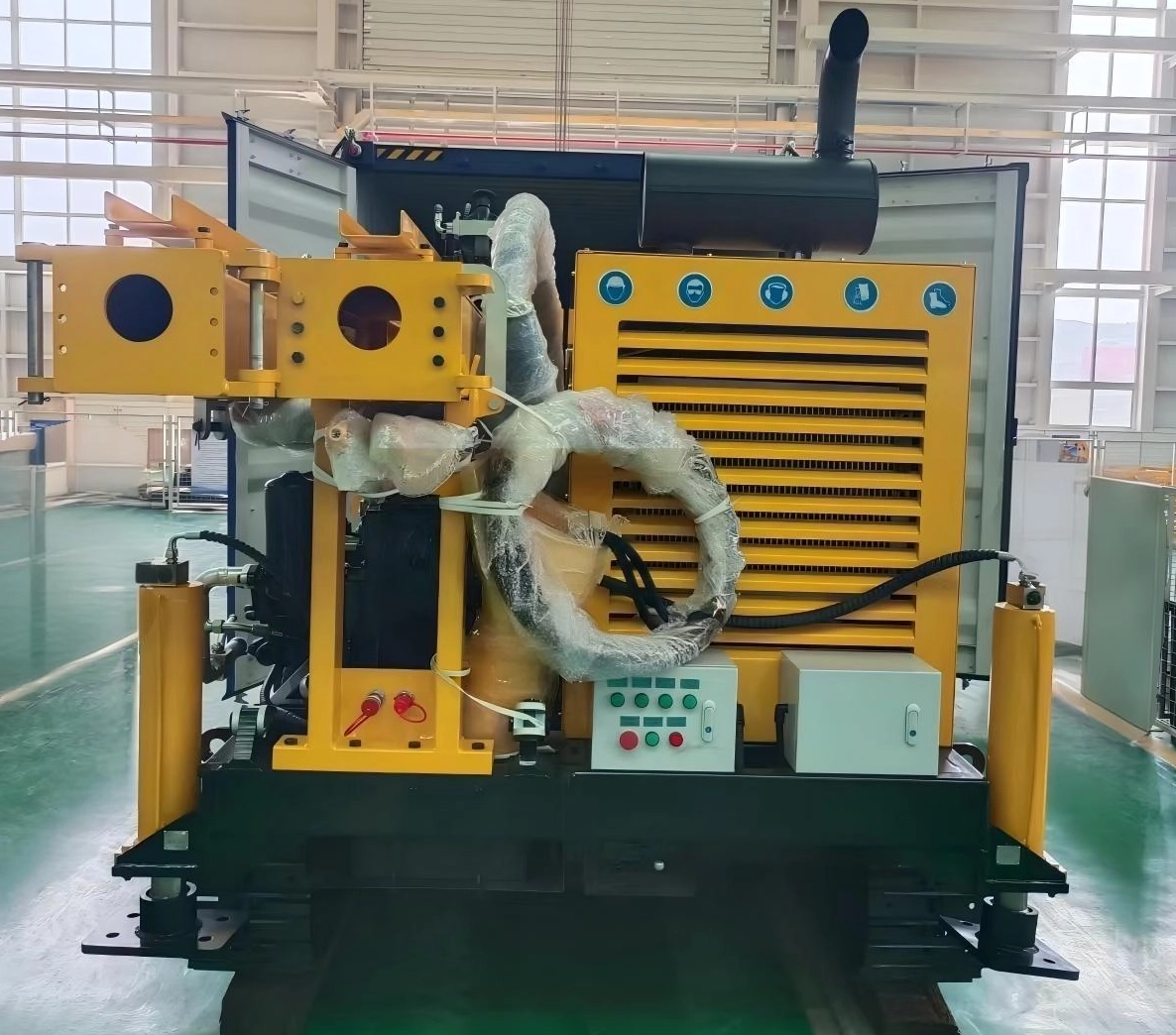
Open-loop systems are widely used in drilling machines because they offer flexibility and straightforward circuit design. They are particularly effective when multiple cylinders or support mechanisms are involved. These functions are common in core drilling rigs, especially in setups that require mast adjustment, feed movement, stabilization, and tool handling.
Another advantage of open-loop systems is serviceability. Since the fluid returns to the reservoir, technicians often find it easier to inspect, troubleshoot, and maintain the system. The reservoir also gives the oil more opportunity to cool and release trapped air or contaminants.
For many drilling applications, open-loop systems provide the practical foundation that supports the machine's operational structure. They may not offer the same direct motor response as a closed-loop circuit, but they deliver reliable performance across a wide range of support functions.
The better choice depends on what part of the machine you are evaluating.
If the system is mainly responsible for drill head rotation, a closed-loop design may be the better fit. It offers stronger control characteristics, a more compact layout, and efficient hydrostatic power transmission.
If the system must manage multiple linear movements and support functions, an open-loop design is often more practical. It is easier to distribute hydraulic power across several actuators and more adaptable to machine-wide functions.
In real-world core drilling machines, the most effective configuration is often a hybrid approach. A rig may use a closed-loop circuit for rotation and an open-loop circuit for feed, mast, and auxiliary operations. This allows the machine to benefit from both precision and flexibility.
Core drilling machines are not single-function tools. They must rotate the drill string, control penetration, manage feed pressure, stabilize the mast, and support setup and repositioning tasks. Because of this, different functions often demand different hydraulic behaviors.
A hybrid design helps engineers optimize each function separately. The drill head can receive direct, responsive control through one circuit, while the remaining machine functions can be handled through a more versatile open-loop structure. This design logic often produces a better balance between performance, cost, and maintainability.
For manufacturers, hybrid architecture also creates more room for product differentiation. It allows the machine to be tailored to exploration, mining, surface drilling, or other field conditions without overengineering one system for every task.
Heat is one of the most important factors in hydraulic drilling performance. Even a well-designed system can lose efficiency if temperature rises too high during long operating cycles. Heat affects oil life, seal durability, component wear, and overall machine stability.
Closed-loop systems may run hotter because the oil is recirculated in a compact working circuit. This does not make them unsuitable, but it does mean they must be paired with strong thermal management. Cooling capacity and fluid cleanliness become critical.
Open-loop systems usually have an easier time dissipating heat because the reservoir helps cool the fluid. That can be a practical advantage in long-shift drilling applications or in hot environments where thermal load is a concern. For this reason, heat management should be considered together with the hydraulic layout, not after it.
Maintenance expectations are different for each system. Closed-loop systems can provide excellent performance, but they often require more attention to cooling, flushing, and hydraulic cleanliness. When problems occur, they may be more specialized to diagnose.
Open-loop systems are often easier to understand at the circuit level. Because the flow path includes a reservoir and broader component layout, technicians may find troubleshooting more straightforward. That can be valuable in remote drilling sites where time, tools, and technical support are limited.
For buyers, the key question is not which system is "better" in the abstract. The real question is which system will remain stable, serviceable, and efficient under the machine's actual working conditions.
Before choosing a core drilling machine, it helps to compare the following practical factors:
- Torque stability. Does the drill head maintain smooth rotation under load?
- Speed response. How quickly does the machine react when operating conditions change?
- Heat control. Can the hydraulic system remain stable during long drilling cycles?
- Service access. Can technicians inspect and repair the system efficiently?
- Energy use. Is power being transferred effectively, or lost through unnecessary heat and throttling?
- System flexibility. Can the machine support multiple drilling functions without excessive complexity?
These points are often more useful than simply asking whether a system is closed-loop or open-loop. The right answer depends on the total machine design.

Use this simple logic when reviewing a drilling rig:
1. Choose a closed-loop setup if the drill head needs precise hydraulic motor control.
2. Choose an open-loop setup if the machine relies heavily on cylinders and auxiliary functions.
3. Choose a hybrid design if both precision and flexibility are important.
4. Prioritize cooling if the rig will run long shifts in hot or dusty conditions.
5. Prioritize serviceability if the equipment will be used in remote or difficult field locations.
This approach helps buyers focus on actual operating needs rather than on circuit type alone.
From a manufacturer's point of view, the best hydraulic system is the one that matches the real duty cycle of the machine. A drilling rig should not be designed around theory alone. It should be designed around field use, operator behavior, service expectations, and production requirements.
In many cases, closed-loop rotation plus open-loop support functions creates the strongest balance. It gives the machine precise control where precision matters most and practical flexibility where the work demands it. That is one reason modern full hydraulic rigs often move toward modular system design instead of relying on a single universal circuit structure.
For a company like CORTECH, this design philosophy is especially relevant. A machine such as a CORE SURFACE DRILL must perform reliably in demanding environments, and hydraulic architecture has a direct influence on that reliability.
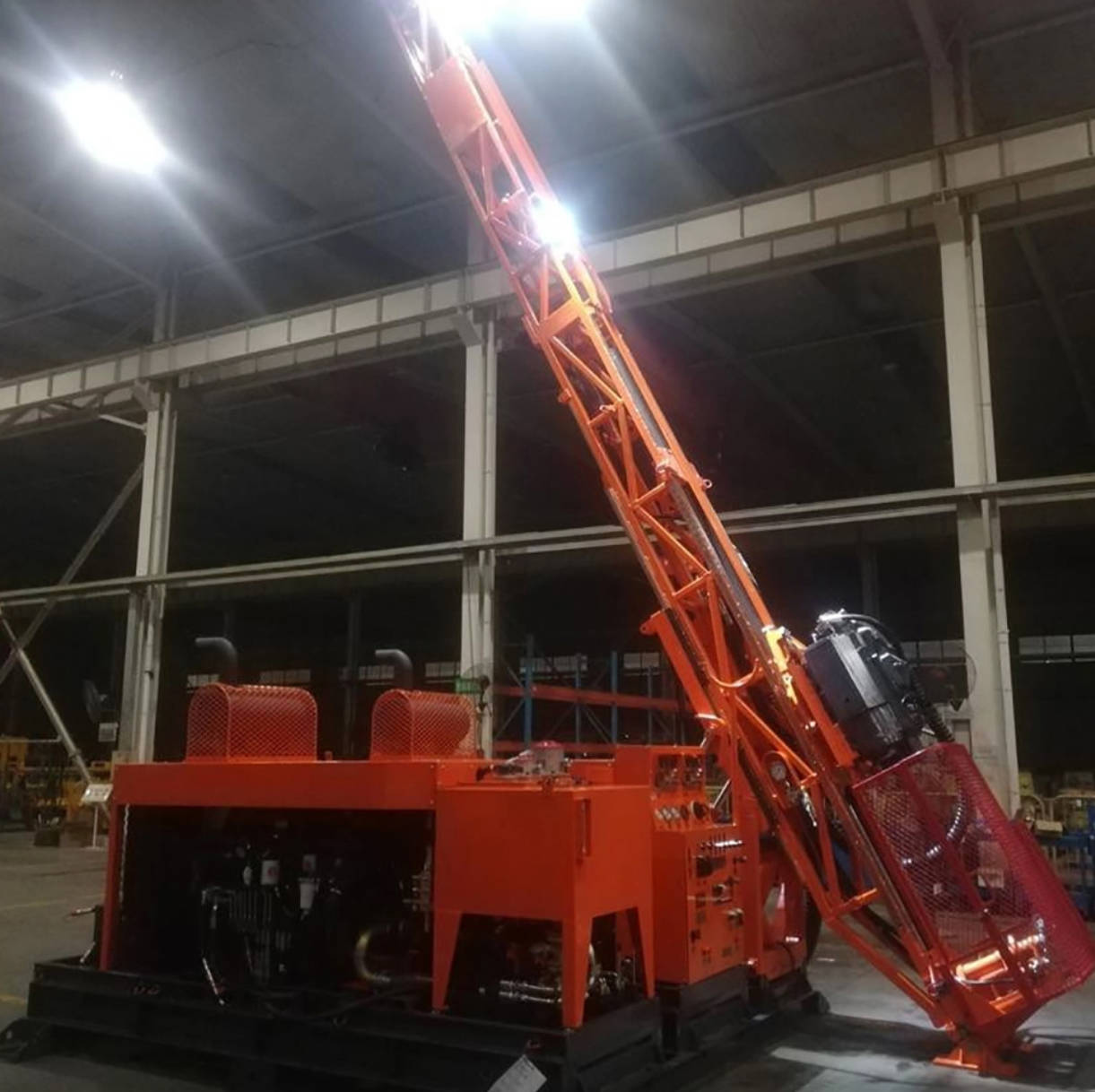
Closed-loop and open-loop hydraulic systems each have clear strengths in core drilling machines. Closed-loop systems are often best for direct, precise drill head control, while open-loop systems are often better for flexible support functions. In many modern rigs, the best solution is a carefully engineered hybrid layout that combines both.
For buyers, the key is to evaluate the full machine as a system. Hydraulic architecture affects drilling quality, maintenance workload, operating stability, and long-term value. A well-matched design can make the difference between a machine that simply works and one that performs consistently in the field.
A closed-loop system circulates oil within a continuous working circuit, while an open-loop system sends fluid from the reservoir through the circuit and back to the tank.
It depends on the application. Closed-loop is often better for drill head rotation, while open-loop is often better for cylinders and support functions.
Yes. Closed-loop systems often generate more heat because the fluid is recirculated more continuously.
They are often easier to inspect and troubleshoot because the circuit is simpler to understand and the reservoir helps with cooling and fluid conditioning.
Yes. Many modern rigs use a hybrid design, with closed-loop for rotation and open-loop for auxiliary functions.
1. Berendsen Fluid Power. "The Difference Between Open Loop Vs Closed Loop Hydraulics."
[https://berendsen.com.au/news/the-difference-between-open-loop-vs-closed-loop-hydraulics/]
2. Cross Company. "Closed Loop VS Open Loop Hydraulic Systems."
[https://www.crossco.com/blog/closed-loop-vs-open-loop-hydraulic-systems/]
3. THM Huade. "What is the Difference Between Open Loop and Closed Loop Hydraulic Systems?"
[https://thmhuade.com/what-is-the-difference-between-open-loop-and-closed-loop-hydraulic-systems/]
4. Power Drives. "Open Loop vs. Closed Loop Hydraulic Systems."
[https://www.powerdrives.com/open-loop-vs-closed-loop-hydraulic-systems/]
5. Fortune Business Insights. "Diamond Core Drilling Market Size, Share and Analysis."
[https://www.fortunebusinessinsights.com/diamond-core-drilling-market-106677]
6. Custom Market Insights. "Global Surface Drilling Rig Market Size, Trends, Share 2032."
[https://www.custommarketinsights.com/report/surface-drilling-rig-market/]
7. Mordor Intelligence. "Drilling Machines Market Size, Trends & Share 2031."
[https://www.mordorintelligence.com/industry-reports/drilling-machines-market]


