
Views: 274 Author: CORTECH Publish Time: 2026-09-25 Origin: Site


Content Menu
● What Do Surface and Underground Core Drills Have in Common?
● Surface Core Drill vs. Underground Core Drill: At a Glance
● Geological Targeting: Where Should the Hole Begin?
>> When a Surface Core Drill Makes More Sense
>> When an Underground Core Drill Makes More Sense
>> Why Borehole Geometry Can Reverse the Choice
● Equipment Design: What Changes Underground?
● Core Quality: Which Rig Produces Better Geological Data?
● Safety and Environmental Controls by Location
>> Surface Drilling: Pad and Water Discipline
>> Underground Drilling: Mine-System Integration
● Practical Cost Model: Compare Cost per Usable Target Metre
● Field-Ready Selection Workflow for Exploration Teams
● How CORTECH Fits the Decision
>> 1. Can a surface core drill be used underground?
>> 2. Is an underground core drill always smaller?
>> 3. Which option is better for deep exploration holes?
>> 4. Does wireline drilling improve core recovery?
>> 5. Which rig is cheaper per metre?
>> 6. What should I send a manufacturer for an accurate proposal?
A surface core drill vs. underground core drill decision is not simply about machine size. Both can use fully hydraulic, wireline diamond coring to recover geological samples. The difference is where each rig starts, which targets it can reach, and what it costs to operate safely. For a new prospect, a surface rig usually provides the most flexible first access. Where mine workings already exist, an underground rig may reach deep or tightly spaced targets through shorter, better-positioned holes.
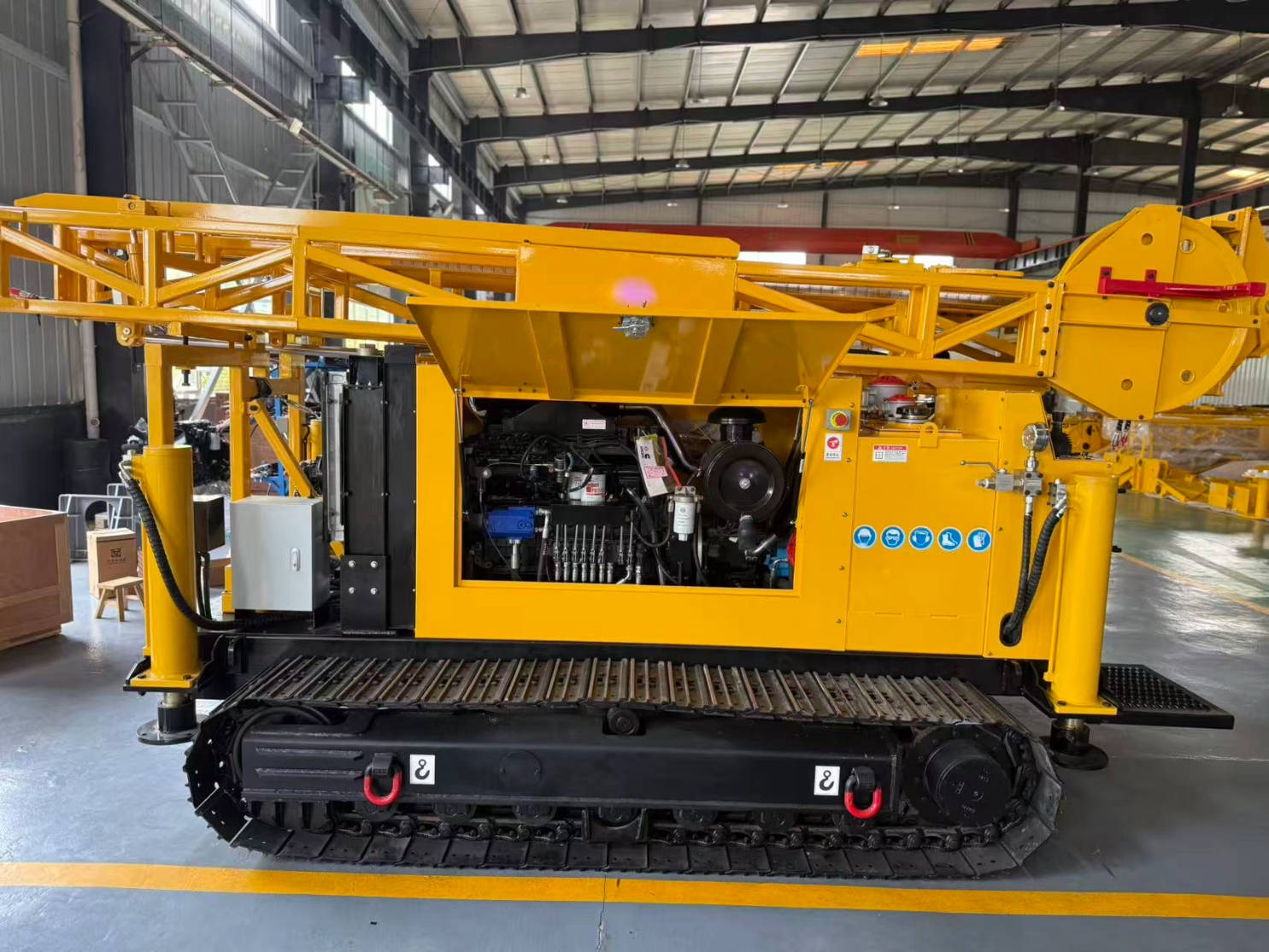
A surface core drill operates from a prepared pad above ground. An underground core drill operates from a mine drive, chamber, or other engineered subsurface location. Each rotates a diamond bit to cut a cylindrical sample. The core helps geologists identify lithology, alteration, mineralization, structures, and rock-mass conditions.
In a wireline system, an overshot retrieves the inner tube through the drill string. Crews can collect core without pulling every rod after each run. Wireline is a retrieval method, not a synonym for surface or underground drilling. Tooling, barrel selection, and drilling practices still need to suit the ground and hole geometry.
For a fully hydraulic rig, hydraulics power functions such as rotation and feed; they do not, by themselves, tell you whether the power unit, controls, water system, or complete installation will fit a mine opening. The project geometry comes first.
| Decision factor | Surface core drill | Underground core drill |
|---|---|---|
| Starting point | Prepared surface pad | Existing underground opening or purpose-built chamber |
| Best-fit program | Regional testing, first-pass targets, broad drill spacing | Infill, near-mine exploration, resource definition, geotechnical targets |
| Access constraint | Roads, terrain, land permissions, weather | Portal and ramp access, drift dimensions, ground support, ventilation |
| Typical layout advantage | Flexible collar placement across a property | Multiple orientations from a suitable chamber near the target |
| Main setup burden | Pad, access, water supply, surface containment | Transport, anchoring, services, chamber preparation |
| Key safety exposure | Traffic, lifting, terrain, weather, open-water controls | Ground conditions, ventilation, confined logistics, shared mine traffic |
| Cost trap | Long holes through non-target ground | Ignoring the cost of building or maintaining underground access |
The better rig is the one that delivers usable core from the required target at the lowest acceptable total program cost and risk. Neither platform is inherently more accurate, safer, or more productive in every setting.
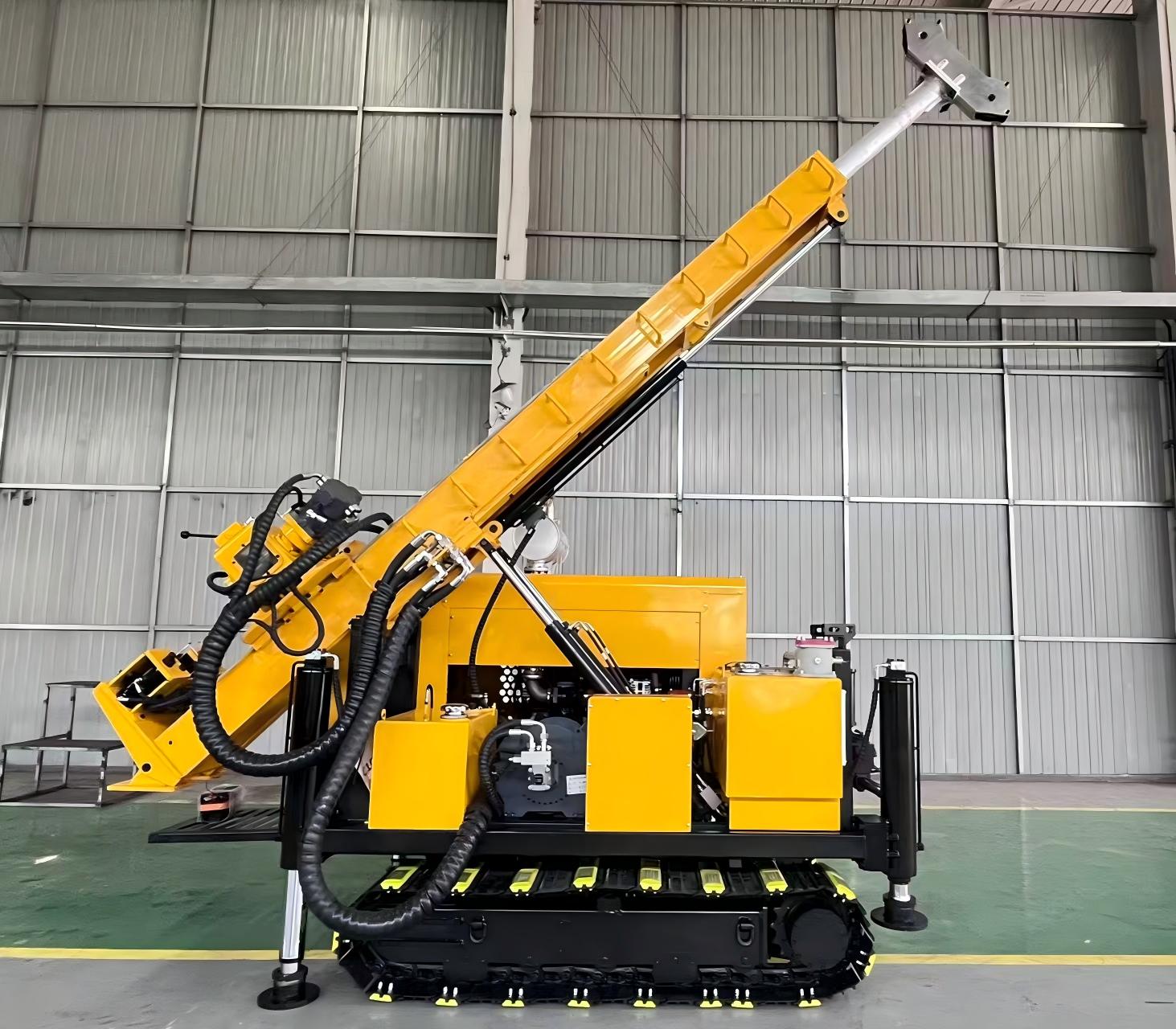
Surface drilling is often the logical starting point when no underground access exists. Geologists can position collars across a wide area to test geophysical anomalies, confirm mineralized trends, and establish an initial three-dimensional picture. Truck-, track-, trailer-, and modular configurations can support different access strategies, subject to the actual terrain and lift plan.
A surface collar may also be the cleanest choice for a deep target when the drill design, hole trajectory, and available pad are favorable. Depth capacity alone is not a selection rule. Published capacities depend on rod size, ground conditions, inclination, and the manufacturer's test assumptions.
The trade-off is distance to target. A surface hole may spend substantial time crossing barren or already understood rock before reaching its objective. Surface access may also require pad construction, water handling, environmental controls, and rehabilitation.
Where supported mine workings already approach the orebody, an underground drill can start closer to the question. A suitable chamber can host a fan of holes that tests extensions, fills gaps between known intersections, or examines the rock around planned excavations. The potential gain is less non-target drilling, not a guarantee of faster penetration.
Underground drilling has a strict spatial budget. Measure the route from portal to drill bay, not just the nominal drift width. Confirm turning clearance, grade, transport envelope, installed services, feed positioning, rod handling space, and escape access. A rig that fits on paper can still be impractical if its power pack, water treatment, or safe operating zone does not.
The closest collar is not necessarily the best collar. A geologist must consider the angle at which the hole intersects the target. A poorly oriented hole can skim a steep structure and produce an ambiguous intercept, even if it is shorter. Survey requirements, expected deviation, existing voids, and the value of oriented core also affect the design.
For example, imagine a steep mineralized zone below an active mine. A surface hole might be longer but cross the zone cleanly. An underground fan might be shorter but run nearly parallel to it. Compare geological information per completed hole, not just metres drilled. This example is illustrative, not a reported field result.
Surface rigs can exploit a larger working envelope where access and pad design allow it. Mast layout, transport format, rod handling, and support equipment still vary widely by model. Underground rigs are often configured around tighter transport and drilling envelopes, with positioning arrangements selected for available headings and planned hole angles.
For either machine, match the drill string and tooling to the program rather than assuming one setup covers all targets. Ask about:
- Required hole diameter: Match sample needs and laboratory plans to a compatible core barrel, bit, rods, and casing strategy.
- Planned depth and inclination: Request model-specific capacity assumptions for the exact rod size and hole direction.
- Ground behavior: Check options for broken zones, core jamming, fluid loss, and overburden or collar stability.
- Hydraulic performance: Compare rotation, torque, feed, pullback, hoist, and water-system requirements as a package.
- Handling and maintenance: Verify guarding, emergency stops, service access, spare parts, and transport or lifting points.
Never equate a catalogue maximum with an engineered hole plan. The driller, geologist, and manufacturer should review the actual profile and ground risks together.
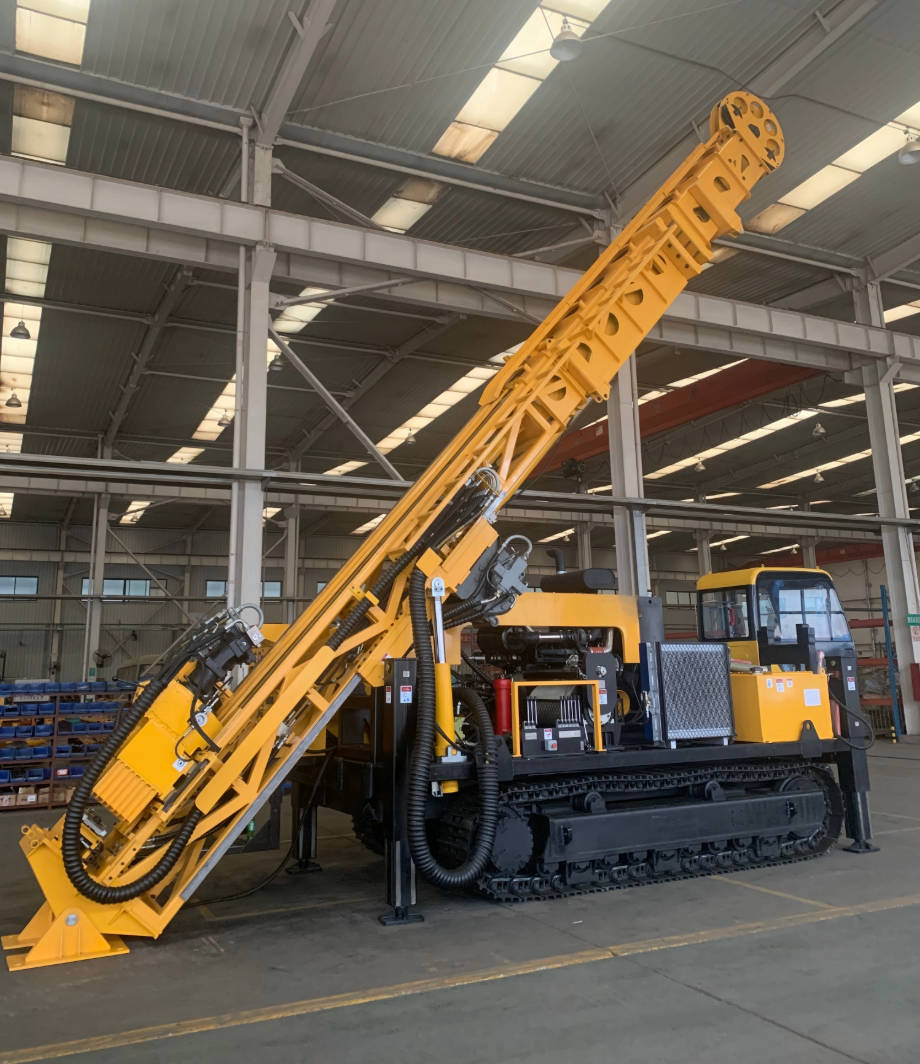
Neither surface nor underground placement automatically improves core recovery. Rock condition, bit selection, barrel design, drilling-fluid management, operator technique, and handling all matter. Wireline retrieval saves repeated full-string trips, but the sample can still be damaged or lost in fractured ground.
A practical quality check is core recovery: recovered core length divided by the drilled run length, multiplied by 100. Rock Quality Designation (RQD) is different: it considers qualifying lengths of sound, intact core relative to the run length. A high recovery figure can therefore coexist with lower RQD in naturally fractured rock. Record drilling-induced breaks separately so they do not masquerade as geological fractures.
The quality-control routine should be consistent across both settings:
1. Confirm collar coordinates, azimuth, dip, and a downhole survey plan before drilling.
2. Label every run and measure recovered length against the drilled interval.
3. Preserve core order; mark losses, natural breaks, and suspected drilling breaks.
4. Photograph and log the core before destructive sampling.
5. Investigate repeated recovery losses before simply increasing feed pressure.
The deliverable is defensible geological information, not just a completed hole. Poorly documented core can undermine an otherwise efficient drilling campaign.
At surface, the work plan should address stable pad construction, equipment movement, lifting, weather, runoff, drilling-fluid containment, and eventual site rehabilitation. Water availability and disposal are not afterthoughts; they can determine whether a pad is workable at all. Land access and permit conditions differ by jurisdiction, so confirm local requirements rather than copying another project's checklist.
Underground, a drill bay is part of a larger operating mine. Ground support, ventilation, water drainage, power distribution, communications, vehicle interaction, and emergency routes must fit the mine's approved procedures. Training and site-specific hazard controls apply to drilling crews as well as mine personnel, according to local rules.
A hydraulic drive does not eliminate ventilation needs. The whole installation—including any engine-driven power source—must be reviewed with the mine's ventilation and safety teams. Neither a compact rig nor remote controls replace ground assessment, guarding, lockout procedures, or trained operators.
The cheapest quoted metre may be the most expensive way to answer the geological question. Build two program-level estimates using the same target and the same definition of success:
Program cost = access and setup + drilling and consumables + services and support + delays and remedial work + closure.
Then divide each estimate by the metres of usable target interval recovered, not merely total metres advanced. This is a planning metric, not a universal accounting standard.
For illustration only, suppose a surface plan costs 600,000 units and returns 240 usable target metres. Its planning ratio is 2,500 units per usable target metre. An underground plan costs 520,000 units and returns 260 usable target metres: 2,000 units per usable target metre. If constructing the underground access adds 180,000 units, its ratio rises to about 2,692. The rig choice flips without any change in drilling speed.
Run sensitivity checks for core loss, access delays, hole deviation, and additional drilling. Do not invent benchmark rates: request local contractor and mine-infrastructure quotes instead.
Before requesting a rig proposal, assemble a short design brief. It helps suppliers respond with a workable system rather than a headline depth rating.
1. Define the decision: Specify whether the core must prove continuity, resolve structure, support mine design, or test a new anomaly.
2. Map the collars: Compare feasible surface pads and existing underground chambers against the same three-dimensional target model.
3. Check physical access: Record transport limits, drill-bay dimensions, pad bearing, water and power availability, and safe work zones.
4. Set sample requirements: Specify diameter, recovery objectives, orientation needs, logging workflow, and survey frequency.
5. Price the whole program: Include preparation, consumables, shifts, services, lost-time risks, rehabilitation, and any new excavation.
6. Validate with specialists: Have the mine or site safety lead, geologist, experienced driller, and equipment supplier review the final plan.
This workflow is especially useful when comparing a surface core drill with an underground core drill for the same deposit. It separates target geometry from marketing claims and exposes hidden costs early.

CORTECH manufactures and sells fully hydraulic wireline diamond core drills for surface and underground applications. The useful question for a buyer is not "Which CORTECH rig is bigger?" It is "Which configuration fits our collars, transport route, hole design, services, and core-quality requirements?"
For a meaningful recommendation, provide CORTECH with the target depth and inclination, proposed rod and core sizes, expected geology, surface access or underground opening dimensions, available power and water, and relevant site restrictions. Request a model-specific layout and capacity review. Do not treat an unverified specification as a project commitment.
Planning a geological exploration program? Send CORTECH your collar plan, target geometry, access dimensions, and required core size. Ask for a side-by-side surface and underground rig configuration review before you finalize the drilling budget.
Not merely because it can drill core. The complete rig and support system must fit the access route and chamber, operate within the mine's approved power and ventilation arrangements, and satisfy site safety requirements. Ask the manufacturer and mine team to assess a specific configuration.
No. Underground systems are designed around access and operating envelopes, but configurations vary. Evaluate transport dimensions, components, positioning range, and safe working clearance rather than a broad size label.
Neither wins by depth alone. Consider the available collar, hole angle, rod size, ground conditions, deviation risk, and the manufacturer's capacity assumptions. Underground access may shorten the path; a surface collar may offer better target geometry.
Wireline primarily changes how the inner tube is retrieved. It reduces repeated rod pulling, but recovery still depends on ground conditions, tooling, fluids, technique, and careful handling. Select the barrel and drilling parameters for the formation.
A quoted drilling rate cannot answer that question by itself. Add access development, setup, services, downtime, consumables, and closure. Then compare cost against the usable geological interval recovered and the decisions it enables.
Share a target and collar plan, proposed depths and angles, required core diameter, geological conditions, transport limits, available power and water, and site-specific safety requirements. Request assumptions in writing so competing proposals can be compared fairly.
The technical explanations and planning guidance above draw on the following sources. The cost example and decision workflow are original illustrative analysis, not published project performance data. CORTECH's company description was supplied in the article brief; no unverified CORTECH model specifications are asserted.
1. Epiroc, ["Core Drilling Rigs | Underground & Surface Exploration"]. Surface rig configurations, underground rig families, transport, handling, and drilling-environment selection.
2. Epiroc, ["Wireline Core Drilling"]. Wireline inner-tube retrieval, bits, stabilization, and drilling-tool considerations.
3. Boart Longyear, ["The Ins and Outs of Wireline Core Retrieval Systems"]. Overshot, inner tube, latch mechanism, tooling wear, and retrieval limitations.
4. Boart Longyear, ["Exploration: Underground"]. Underground rig options and wireline tooling context.
5. Texas Department of Transportation, ["Percent Recovery and Rock Quality Designation (RQD)"]. Recovery and RQD calculations and treatment of mechanical breaks.
6. Mine Safety and Health Administration, ["Part 48 Reference Guide"], February 2017. U.S. mine-training framework and mine-specific ground-control and ventilation topics; consult the rules applicable to your site.
7. State Government of Victoria, ["Exploration and Rehabilitation of Mineral Exploration Sites"]. Drill pads, water and drilling-fluid management, disturbance, and rehabilitation; jurisdiction-specific guidance.


