
Views: 216 Author: CORTECH Publish Time: 2026-10-24 Origin: Site


Content Menu
● How Much Does a Diamond Drill Cost by Equipment Type?
>> Concrete Diamond Drills Versus Exploration Core Drilling Rigs
● What Determines a Diamond Core Drilling Rig Price?
>> Drilling Depth and Core Diameter
>> Hydraulic Performance and Rotation Control
>> Wireline Equipment and Rod Handling
● What Is Included in the Diamond Drill Purchase Price?
● New Versus Used Diamond Drills: Which Costs Less?
>> When a Used Rig Can Make Sense
>> When a New Rig May Be the Better Investment
● How to Calculate the Total Cost of Diamond Drilling
>> An Illustrative Cost-per-Meter Comparison
● Three Often-Overlooked Factors That Change Drilling Economics
>> 1. Core Recovery Changes the Value of Each Meter
>> 2. Bit Life Must Be Evaluated Against Penetration Rate
>> 3. Downtime Extends More Than the Rig Bill
● How to Request an Accurate CORTECH Diamond Drill Quotation
>> 1. How Much Does a Diamond Drill Cost for Mineral Exploration?
>> 2. Why Are Some Diamond Drills Only a Few Thousand Dollars?
>> 3. Does the Rig Price Include Drill Rods and Diamond Bits?
>> 4. Is Buying a Used Diamond Core Drill Always Cheaper?
>> 5. What Is the Best Way to Reduce Diamond Drilling Cost per Meter?
>> 6. Can CORTECH Provide a Fixed Price Without Project Details?
How much does a diamond drill cost? A professional concrete diamond drill can cost a few thousand US dollars, while an exploration core drilling rig represents a much larger investment. Public used-equipment listings include older machines around US$32,500 and more substantial rigs at US$85,000–95,000. Other exploration rigs are advertised above C$200,000. New fully hydraulic systems require configuration-specific quotations.
The difference comes down to what you are buying: a cutting tool, a concrete coring machine, or a complete mineral exploration drilling system.
At CORTECH, our focus is fully hydraulic wireline diamond core drilling rigs, including CORE SURFACE DRILL equipment. For these applications, I would evaluate price against one central measure: value—the cost of obtaining usable geological information safely and consistently.
This guide explains published price examples, the factors behind a diamond core drilling rig price, and how to build a realistic purchasing budget.
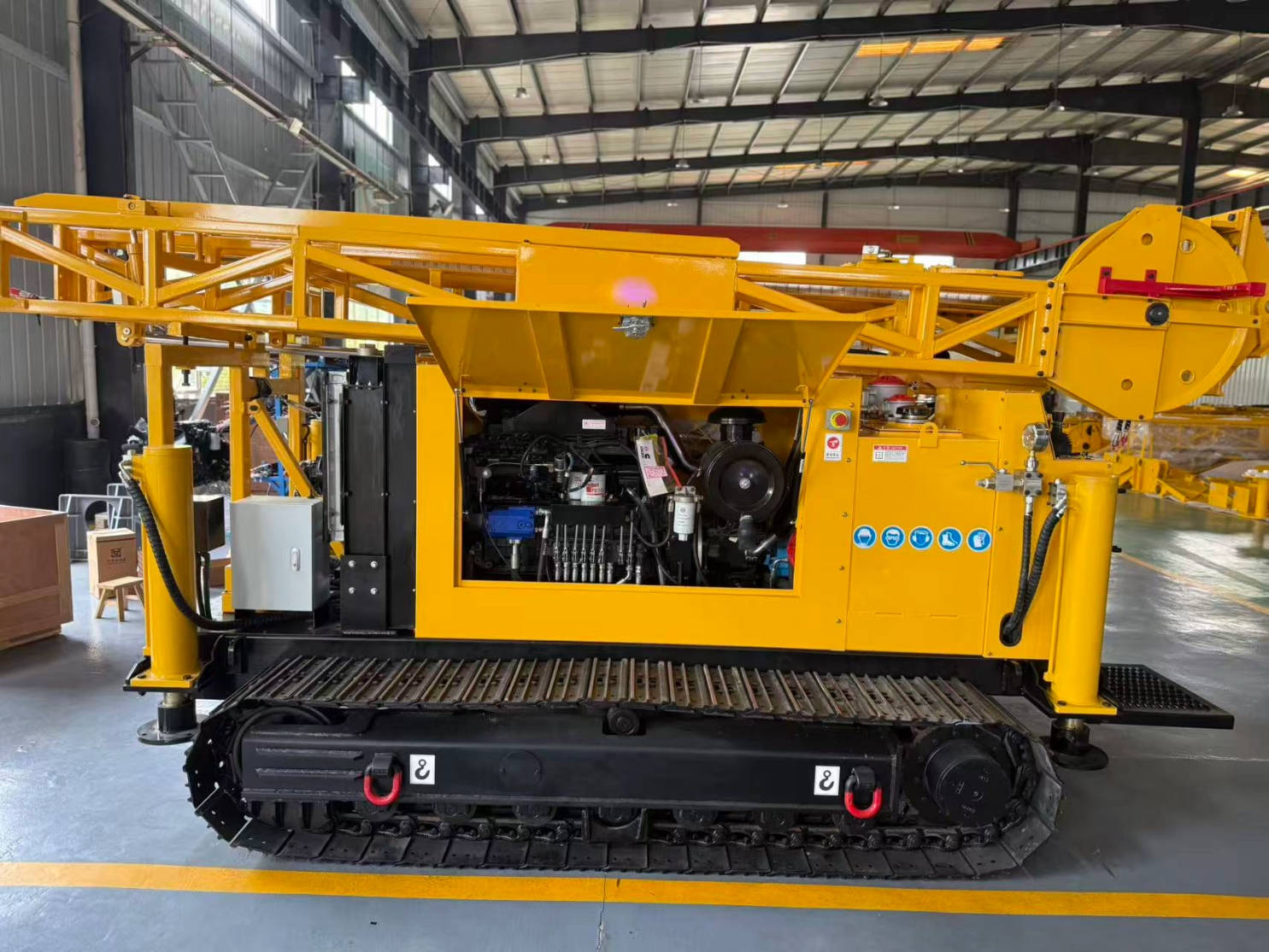
"Diamond drill" describes several very different products. Comparing them without separating their applications can produce misleading budgets.
| Equipment category | Published price example or pricing approach | Typical application |
|---|---|---|
| Professional concrete diamond drill | One manufacturer lists a corded model from US$3,649 | Concrete, masonry, and service penetrations |
| Older used exploration rig | One truck-mounted listing asks US$32,500, with repairs and missing equipment noted | Budget-sensitive exploration, subject to inspection |
| Used exploration core drill | Selected listings ask US$85,000 and US$95,000 | Geological and mineral exploration |
| Used or rebuilt higher-capacity equipment | Selected listings ask C$205,000–325,000 | Larger exploration programs, depending on configuration |
| New fully hydraulic wireline core drilling rig | Project-specific quotation | Surface mineral exploration and geological sampling |
These are individual advertised examples, not market averages or completed transaction prices. US dollars and Canadian dollars are shown separately; no currency conversion has been applied.
Accessories, tooling, freight, taxes, and commissioning may be excluded. Public prices can also change or relate to equipment that is no longer available.
A concrete diamond drill makes relatively short holes through construction materials. An exploration rig advances a drill string into geological formations and retrieves cylindrical samples for examination.
The exploration system may require:
- A diesel engine and hydraulic power system.
- A rotation head and feed assembly.
- Main and wireline winches.
- Drill rods, casing, and core barrels.
- Fluid circulation equipment.
- A crawler, skid, or other mounting arrangement.
A construction-tool price is therefore not a useful benchmark for budgeting a mineral exploration rig.
Depth capacity is meaningful only when paired with a specified rod and core size.
A rig's capacity with a smaller drill string does not establish its capacity with a larger one. Deeper drilling also increases the importance of pullback capacity, drill-string condition, hydraulic performance, and winch capability.
Before comparing prices, specify:
- Required final depth.
- Core and borehole diameter.
- Rod system.
- Hole inclination.
- Expected ground conditions.
For example, a quotation for 600-meter drilling should identify the relevant tooling configuration rather than simply state "600-meter capacity."
A fully hydraulic diamond drilling rig offers control over rotation and feed. However, engine power alone does not describe its practical drilling capability.
I would ask suppliers to explain:
- Available torque across the working speed range.
- Feed and pullback ratings.
- Cooling arrangements for the intended climate.
- Hydraulic component specifications.
- Service access and replacement-part availability.
The objective is to match the operating range to the formation and tooling—not simply purchase the largest engine available.
Crawler-mounted equipment can simplify movement between accessible drill pads. Skid-mounted equipment may suit projects where relocation is infrequent or external transport is already available.
Neither arrangement is automatically cheaper over the entire project.
Compare the purchase-price difference with transport requirements, ground preparation, loading equipment, and the number of planned moves. A lower-priced mounting arrangement may become expensive if every relocation needs additional machinery.
Wireline systems retrieve the sample-receiving inner tube through the drill string, avoiding removal of the entire string for each routine core recovery cycle.
That can improve productivity, but the quotation must identify the actual package.
Check wireline rope capacity, winch specifications, overshot compatibility, and core barrel components. If mechanized rod handling is offered, confirm its scope and compatibility rather than assuming it is standard.

The most useful comparison is not machine against machine. It is complete operating package against complete operating package.
| Budget item | Questions to resolve before ordering |
|---|---|
| Base rig | Which engine, rotation head, mast, and mounting system are included? |
| Drill rods and casing | What sizes, quantities, thread systems, and lengths are supplied? |
| Coring tools | Are core barrels, inner tubes, overshots, bits, and reaming shells included? |
| Fluid system | Are the pump, mixer, tanks, hoses, and fittings included? |
| Initial spares | Which filters, seals, hoses, and wear parts are supplied? |
| Delivery | Who pays for packing, freight, insurance, unloading, and inland transport? |
| Commissioning | Does the price include startup support and operator instruction? |
| Warranty | What is covered, excluded, and required to maintain coverage? |
An inexpensive rig quotation can become a much larger purchase once missing tooling and support equipment are added.
Ask for an itemized bill of supply. "Complete package" should describe a documented scope, not a sales phrase.
Used equipment may reduce initial expenditure when its capacity matches the program and its condition is independently verified.
However, low advertised prices sometimes reflect missing pumps, worn rotation components, incomplete tooling, or repairs.
Before purchasing, arrange an inspection covering:
1. Engine condition and available service records.
2. Hydraulic pressures, leaks, and operating temperatures.
3. Rotation head, chuck, and clamp wear.
4. Mast, winches, wire ropes, and structural condition.
5. Tooling compatibility and missing components.
6. Parts availability and estimated refurbishment costs.
Compare the inspected, repaired, delivered price—not the listing price alone.
A new rig may be preferable when the project needs a defined configuration, documented acceptance testing, and clearly agreed support responsibilities.
It can also reduce uncertainty about previous maintenance and component condition.
That does not guarantee better economics. Buyers still need to verify specifications, delivery timing, warranty terms, and the supplier's ability to support the machine in the destination country.
The purchase price is only one part of diamond drilling cost.
A practical ownership calculation is:
Lifecycle cost=purchase and setup+operating and support costs+finance costs−resale proceeds
Operating costs may include labor, fuel, fluids, bits, rods, repairs, transport, supervision, and site support.
For project planning, divide consistently defined costs by completed meters. Separately assess whether the recovered core meets the geological program's requirements.
Consider two hypothetical rigs over the same evaluation period:
| Assumption | Rig A | Rig B |
|---|---|---|
| Purchase and setup | US$180,000 | US$240,000 |
| Operating and support expenditure | US$420,000 | US$390,000 |
| Expected resale proceeds | US$60,000 | US$90,000 |
| Planned completed drilling | 10,000 m | 12,000 m |
| Net evaluated cost | US$540,000 | US$540,000 |
| Evaluated cost per meter | US$54 | US$45 |
These figures are illustrative assumptions, not CORTECH prices, customer results, or industry averages. Finance costs are excluded.
Rig B costs more initially but achieves a lower modeled cost per meter because the assumed production and residual value differ. That conclusion holds only if those assumptions are realistic.
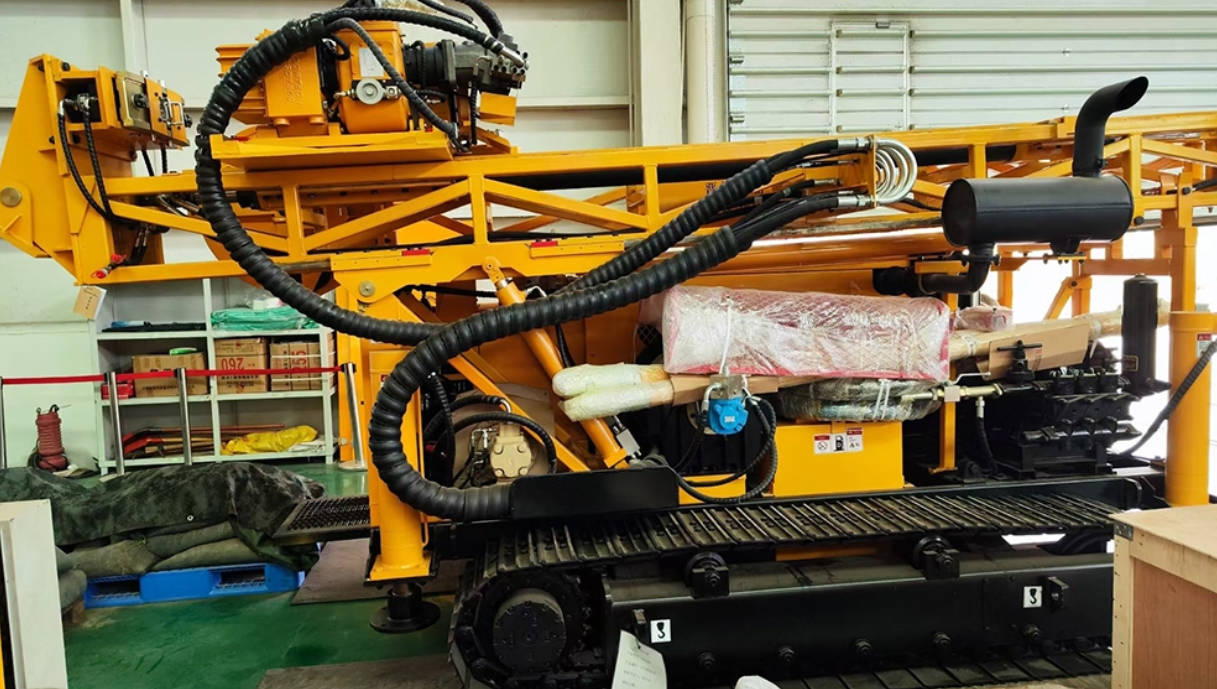
Drilled meters and useful geological information are not interchangeable.
Poor recovery can leave important intervals inadequately represented. Decisions about sampling methods, repeat drilling, or additional investigation then belong with the responsible geological team.
Monitor core recovery alongside interval condition and sample quality. Avoid assuming that a high recovery percentage alone guarantees representative samples.
A cheaper diamond core bit is not necessarily less expensive to operate.
Bit selection involves formation hardness, abrasiveness, drilling conditions, equipment capability, and the balance between penetration rate and service life.
For deeper holes, replacing a worn bit can require substantial rod-tripping time. Track bit purchase cost together with meters drilled, penetration rate, and replacement-related downtime.
A stopped rig may still leave crews, accommodation, supervision, and support equipment generating costs.
In an illustrative scenario, US$2,000 of daily standing costs creates US$6,000 of exposure over three idle days, before considering schedule consequences.
This is why a critical-spares list, preventive maintenance plan, and agreed technical-support process deserve attention during procurement—not after the first breakdown.
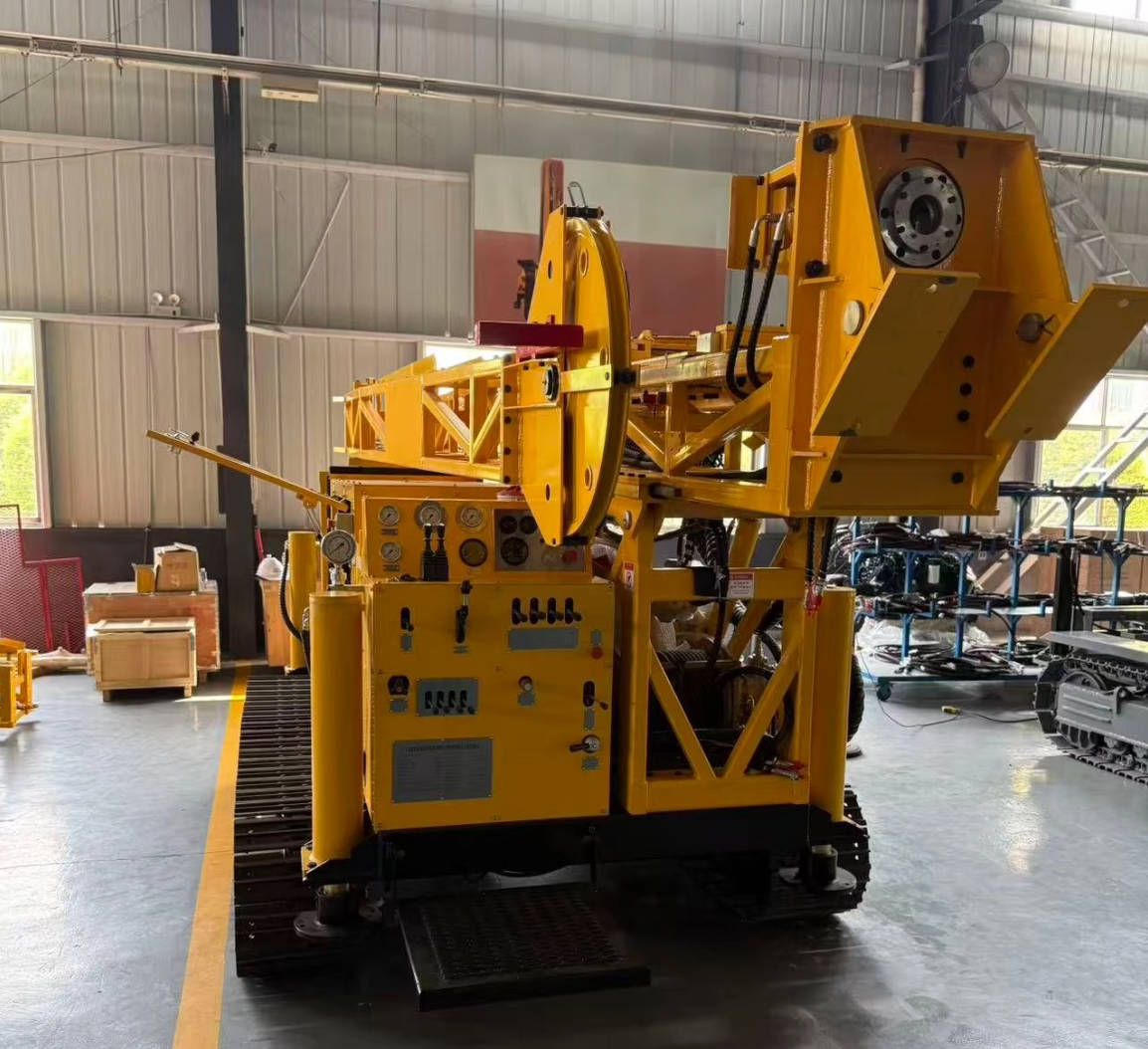
A useful quotation starts with an operating specification.
CORTECH develops and manufactures fully hydraulic diamond core drilling equipment, including surface drilling systems. To discuss an appropriate CORE SURFACE DRILL configuration, prepare the following information:
1. Application: mineral exploration, geological investigation, or another coring task.
2. Required depth: maximum planned depth and typical hole depth.
3. Tooling: preferred core diameter and rod system.
4. Geology: expected hardness, abrasiveness, fractures, and unstable intervals.
5. Site conditions: access, elevation, climate, and available water.
6. Mobility: crawler, skid, or other transport requirements.
7. Supply scope: rig only or tooling, pumps, spares, and commissioning.
8. Destination: delivery location and required commercial terms.
I would also request a written acceptance procedure covering agreed functions and supplied components.
Send this specification to CORTECH and request an itemized technical and commercial proposal. Ask the team to separate the base rig, optional equipment, tooling, delivery, and startup support so your purchasing decision rests on a comparable scope.
Published examples range from an older used machine at US$32,500 to larger used or rebuilt rigs advertised above C$200,000. These examples differ substantially in condition and scope. A new hydraulic wireline rig requires a quotation based on depth, tooling, mobility, and supplied equipment.
Those prices commonly refer to concrete coring tools rather than complete exploration drilling systems. Construction drills and mineral exploration rigs differ in drilling depth, power systems, sample retrieval, tooling, and supporting equipment.
Not necessarily. Some quotations cover only the base machine. Request a supply list specifying rods, casing, core barrels, bits, reaming shells, pumps, hoses, and accessories. Also confirm quantities; a small starter package may not support the planned depth.
No. Refurbishment, missing equipment, transport, downtime, and limited parts availability can outweigh the initial saving. Compare inspected and commissioned costs against a new machine with equivalent capability and supply scope.
Match the rig and tooling to the ground, maintain equipment, monitor drilling performance, and address causes of downtime. Evaluate penetration rate, core recovery, bit life, and completed meters together. Improving one metric while damaging sample quality is not a useful saving.
A meaningful proposal needs enough information to define the equipment. Depth, core diameter, geology, mounting requirements, destination, and accessories affect scope. Providing these details allows CORTECH to prepare a configuration-specific quotation rather than an ambiguous headline price.
1. Hilti USA. "DD 150-U Core Drill." Manufacturer product page supporting the US$3,649 starting-price example and the distinction between construction coring and exploration drilling. [hilti]
2. Sun Machinery. "Core Drill Specials." Page dated October 9, 2026. Supports the individual used-equipment asking prices, currencies, condition descriptions, and package limitations discussed above. These are advertisements, not verified transaction values. [sunmachinery]
3. CORTECH. "Full Hydraulic Diamond Core Drilling Rigs Manufacturer." Manufacturer information supporting the company's hydraulic diamond drilling focus and CORE SURFACE DRILL product category. [cortechdrilling]
4. Boart Longyear. "Quantifying Drilling Efficiencies—Why Drilling Metrics Matter." October 10, 2018. Supports discussion of drilling productivity, support costs, downtime, maintenance, and quality core recovery. [boartlongyear]
5. Boart Longyear. "Longyear Bits—Selecting the Right Bit in 5 Easy Steps." January 9, 2019. Supports the discussion of formation-specific bit selection, penetration rate, bit life, and performance tracking. [boartlongyear]
6. Boart Longyear. "The Ins and Outs of Wireline Core Retrieval Systems." June 5, 2017. Supports the explanation of inner-tube retrieval through the drill string. All hypothetical budgets and purchasing frameworks in this article are editorial illustrations, not reported field results. [boartlongyear]


