
Views: 287 Author: CORTECH Publish Time: 2026-07-28 Origin: Site


Content Menu
● Why Terrain Should Decide the Rig
● Mountainous Exploration Requirements
● Desert Drilling Requirements
● Wireline Core Drilling Advantages
● The Portable Rig Selection Framework
>> 1. Match the rig to terrain
>> 2. Match the rig to depth and recovery needs
>> 3. Match the rig to service conditions
>> 4. Match the rig to site logistics
>> 5. Match the rig to operator skill
● Field Experience From Exploration Projects
● CORTECH Positioning for Buyers
● FAQ
>> 1. What is the best portable rig for mountainous exploration?
>> 2. Why is desert drilling harder than it looks?
>> 3. Is wireline core drilling better for remote projects?
>> 4. What rig features matter most in harsh environments?
>> 5. How do I choose between mountain and desert rig configurations?
>> 6. Why should manufacturers emphasize E-E-A-T in drilling content?
When drilling moves from the controlled environment of a test site into mountainous exploration or desert drilling, the rig becomes more than a machine. It becomes a field strategy. For mineral exploration, geotechnical programs, and remote surface coring, the right portable rig can determine core quality, operating safety, logistics cost, and project speed.
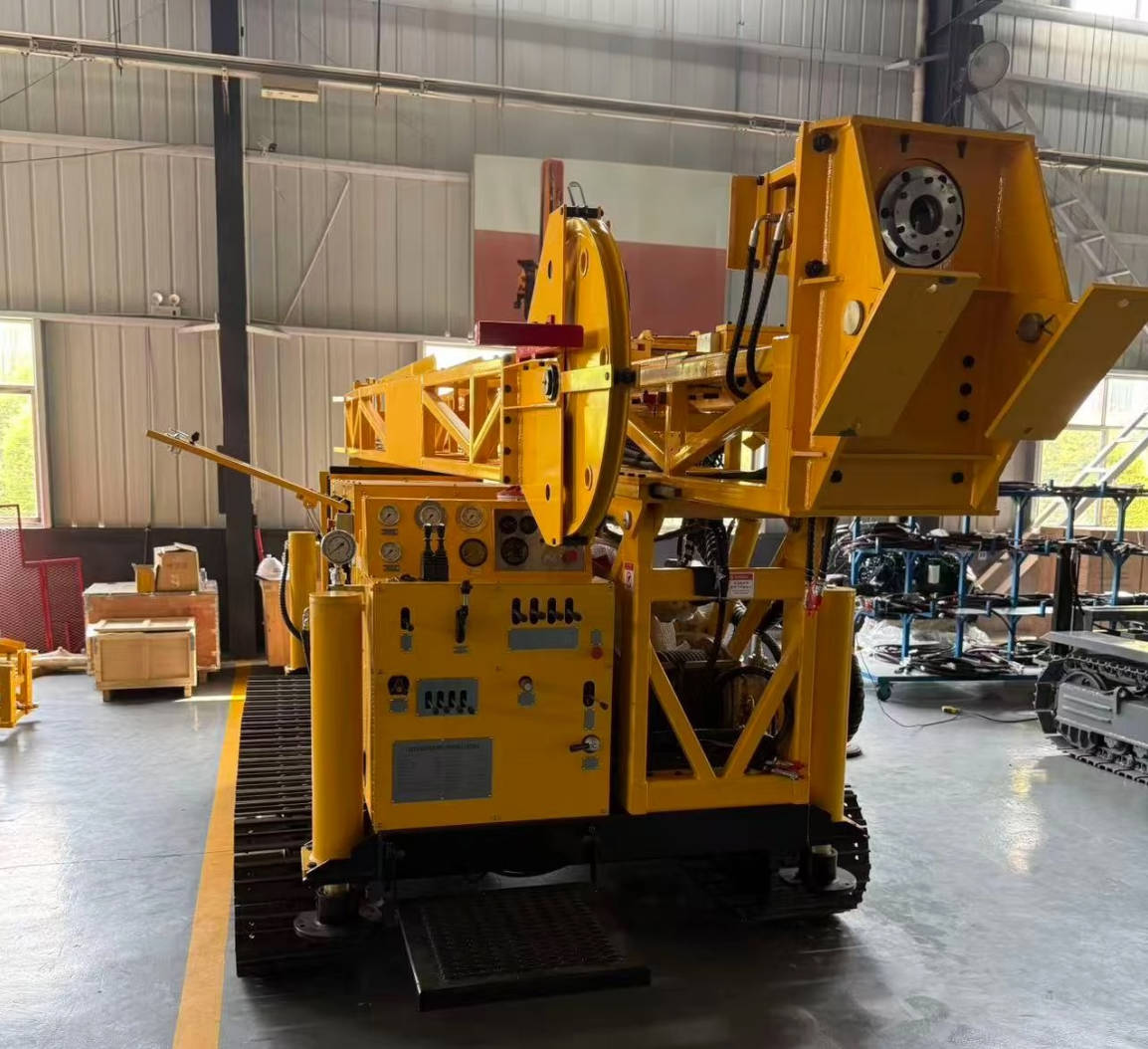
From a manufacturer's point of view, this is where a full hydraulic wireline diamond core drilling rig proves its value. CORTECH's all-hydraulic diamond drilling focus reflects a simple truth: in harsh terrain, performance depends on stability, control, transportability, and reliable core recovery.
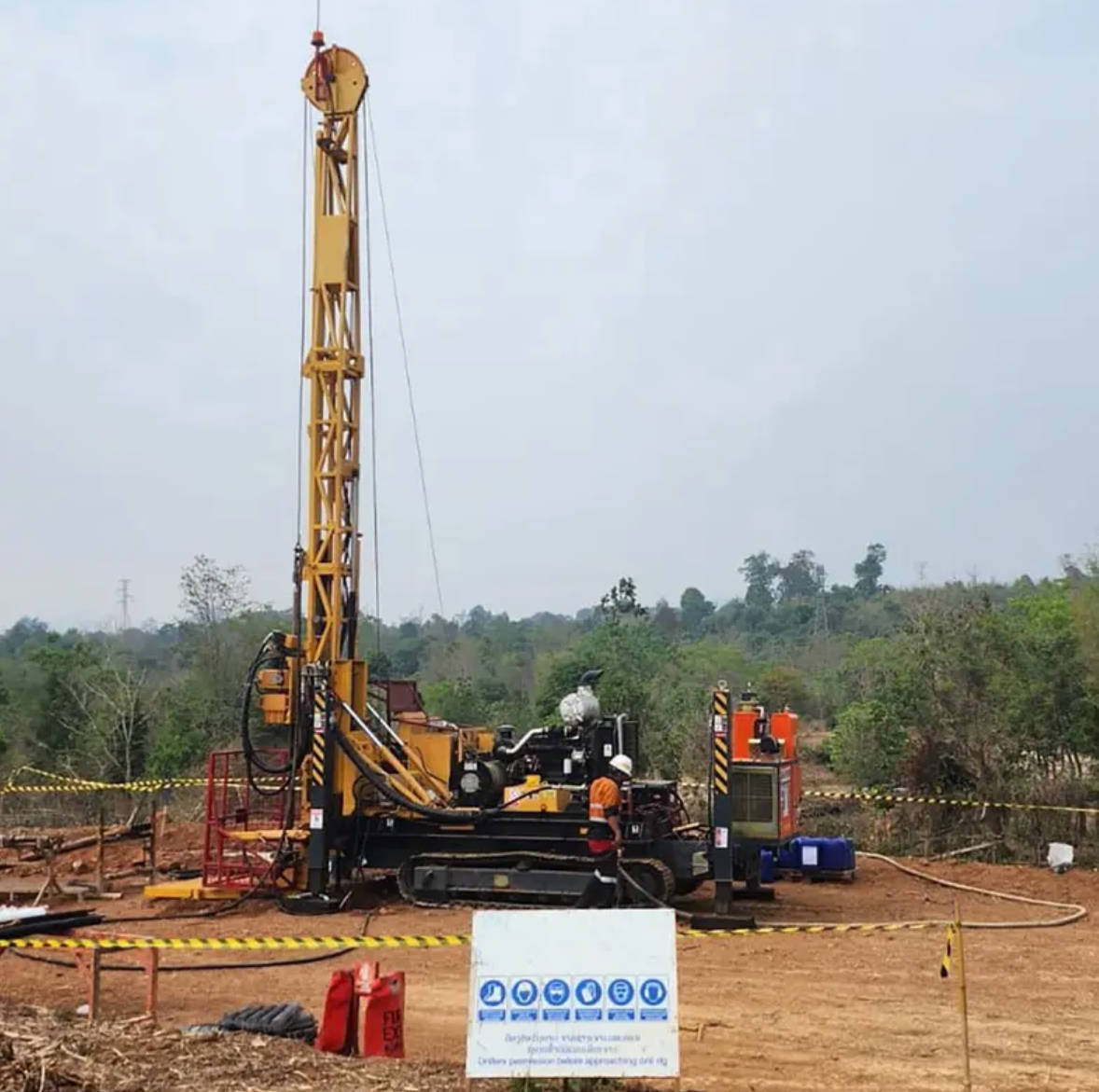
Mountain and desert projects may both seem "remote," but they stress drilling equipment in very different ways. Mountainous zones punish traction, setup stability, and route access, while desert sites challenge heat management, dust control, water supply, and long-distance logistics.
A portable rig is not automatically the best choice just because it is light. In practice, the best rig is the one that balances mobility with drilling accuracy, especially when core recovery and borehole integrity matter.
For buyers, the question is not "Which rig is stronger?" It is "Which rig will keep producing usable core in this specific environment?"
Mountain exploration projects usually involve steep gradients, uneven ground, narrow access roads, and unstable drilling pads. Track-mounted or highly maneuverable rigs are often preferred because they can access difficult terrain more effectively than larger systems.
In these conditions, the rig should offer:
- Strong chassis stability for slope setup.
- Excellent maneuverability for rough access routes.
- Secure anchoring and leveling to keep the mast true.
- Reliable hydraulic control for precise feed and rotation.
- Compact transport dimensions for mountain roads and staging areas.
A mountain rig must also reduce operator fatigue. Small mistakes on a slope become expensive fast, especially when the hole alignment must stay accurate and the ground support changes during drilling.
Desert drilling looks easier from a distance because the terrain is flatter, but the environment is often more punishing. Heat, sand, abrasive dust, and limited water supply can shorten component life and increase maintenance demand. Remote access also means delayed service response and higher downtime risk.
A desert rig should prioritize:
- Dust resistance and filtration for hydraulic and engine systems.
- Heat tolerance for long operating cycles.
- Fuel efficiency for remote deployments.
- Fast relocation between widely spaced holes.
- Easy maintenance access to reduce service time.
In desert exploration, productivity is often lost not through slope instability, but through environmental wear and logistics delays. That is why the rig should be selected with cooling, sealing, and maintenance simplicity in mind.
| Factor | Mountainous Exploration | Desert Drilling |
|---|---|---|
| Terrain access | Steep, uneven, limited roads | Wide-open access, but remote routes |
| Main risk | Instability, slope safety, setup accuracy | Heat, dust, wear, long logistics |
| Preferred rig traits | Compact, stable, highly maneuverable | Durable, dust-resistant, thermally stable |
| Setup priority | Anchoring and leveling | Cooling and contamination control |
| Maintenance focus | Chassis, braking, hydraulic response | Filters, seals, cooling system |
| Operational challenge | Safe positioning on slopes | Keeping uptime in abrasive conditions |
This comparison shows why the same portable rig may perform well in one terrain and poorly in another. The best choice depends on whether your project is constrained more by access or by environmental stress.
For both terrains, wireline core drilling offers a major operational advantage. Wireline systems are designed for medium to ultra-deep boreholes and efficient core extraction, which helps reduce rod handling time and improve productivity.
That matters because time spent pulling rods is time lost to exposure, instability, and fuel consumption. In mountainous projects, fewer rod-handling cycles improve safety on difficult ground. In desert projects, shorter cycle times reduce heat exposure and conserve resources.
For mineral exploration buyers, the wireline method is often the more strategic choice when the project depends on sample recovery, speed, and consistency.
A serious selection process should go beyond price. The right portable rig should be evaluated through a practical field checklist.
If the project is in steep mountains, prioritize maneuverability and rig stability. If the project is in desert flats, prioritize durability and cooling.
Wireline core drilling is better suited for deeper programs and situations where core recovery matters.
Ask whether the rig can handle dust, heat, long transport, and limited maintenance support.
Consider road access, pad size, water supply, fuel availability, and the time needed to move between holes.
A rig that is technically powerful but hard to control can reduce field efficiency. In rough terrain, intuitive hydraulic control and simple maintenance access are not luxuries; they are productivity tools.
In real exploration programs, the most successful teams do not choose equipment by brochure language. They choose it by how the rig behaves during setup, drilling, and recovery. Experience from harsh-condition diamond drilling shows that hydraulic systems and ergonomic controls matter because they reduce strain and improve control in difficult environments.
That is especially important for portable rigs, where operators must often manage transport, setup, and drilling with limited support. A rig that behaves predictably saves time in every stage of the job.
For CORTECH, this is where product design and field reality should align: a high-performance hydraulic drilling rig must be built for precision, but also for the operational rhythm of remote exploration.
Demand for core drilling equipment continues to grow alongside infrastructure and construction activity. One market report projects the global construction industry core drill market to expand from USD 1.16 billion in 2024 to USD 2.35 billion by 2032, reflecting sustained demand for drilling technology. Another report projects the market to reach USD 1.27 billion in 2026 and USD 2.81 billion by 2035.
For manufacturers, this means buyers are not just comparing machines; they are comparing risk, uptime, and total field productivity. That trend favors rigs that combine portability with strong hydraulic performance and reliable core recovery.
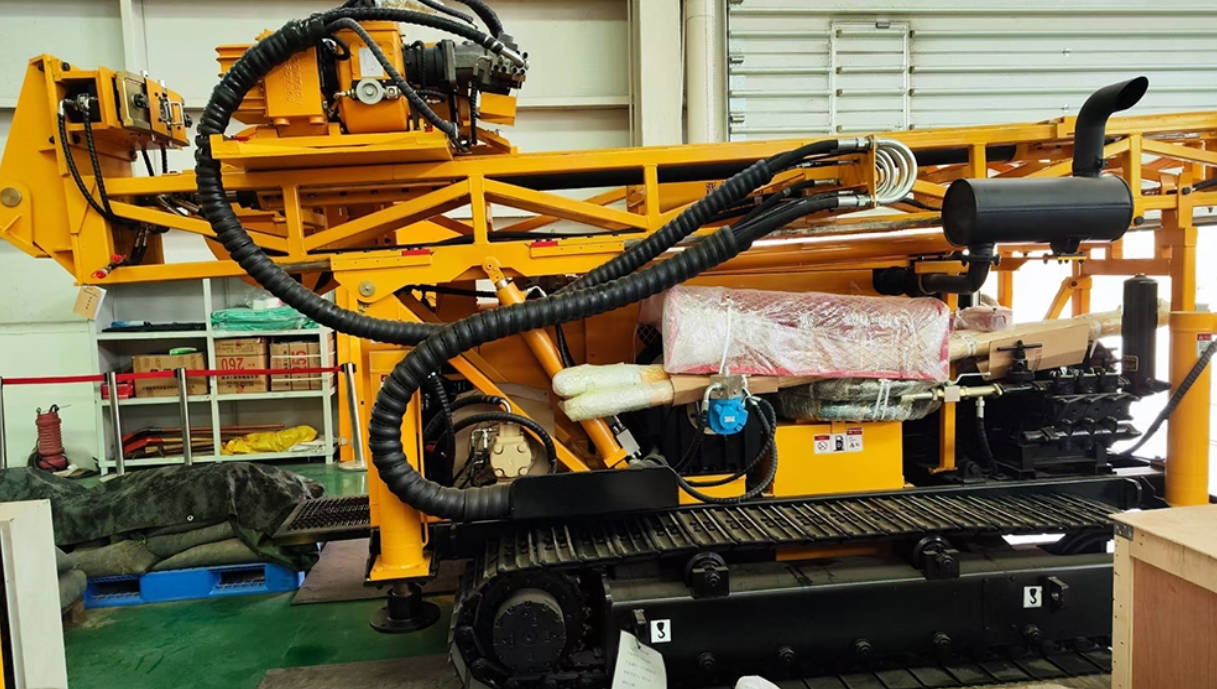
CORTECH's position as a developer and manufacturer of all-hydraulic diamond drilling rigs gives it a natural advantage in this conversation. The company's surface core drill offering is built around the needs of global exploration, where site conditions vary and reliability matters.
For buyers comparing mountain and desert projects, the key takeaway is simple: select a rig that can travel, stabilize, and drill consistently in the specific environment you face. A strong portable rig is one that supports accurate core sampling without forcing the team to compromise on safety or efficiency.
If your project includes steep access roads, unstable pads, or long-distance desert deployments, your rig selection should begin with terrain analysis, not catalog comparison. The next step is to request a technical recommendation based on depth, core diameter, transport limits, and operating environment.
Contact CORTECH to request a tailored portable rig recommendation for your mountain or desert drilling program, including rig configuration, hydraulic system options, and field-use planning based on your project conditions.
A compact, stable, highly maneuverable rig is usually best because steep terrain demands secure setup, accurate leveling, and strong access control.
Desert projects often suffer from extreme heat, abrasive dust, limited water, and remote logistics, all of which can increase wear and downtime.
Yes. Wireline systems reduce rod handling time and improve efficiency, which is especially valuable in deep or remote exploration programs.
Hydraulic reliability, operator-friendly controls, dust protection, thermal stability, and easy maintenance access matter most.
Start with terrain, then evaluate access, depth, sample recovery needs, and site logistics. The right rig should match the environment, not just the budget.
Because technical buyers want practical guidance backed by real application logic, and search engines reward content that demonstrates expertise, experience, authority, and trustworthiness.
1. CORTECH official website — product positioning and company background: [https://www.cortechdrilling.com/] [cortechdrilling]
2. CORTECH surface core drilling page: [https://www.cortechdrilling.com/core-surface-drill-rigs-for-high-precision-diamond-core-drilling-projects.html] [cortechdrilling]
3. Epiroc wireline core drilling overview: [https://www.epiroc.com/en-us/products/rock-drilling-tools/core-drilling-tools/exploration-drilling] [epiroc]
4. FHWA / Transportation research on track drilling rigs and difficult terrain: [https://rosap.ntl.bts.gov/view/dot/64457/dot_64457_DS1.pdf] [rosap.ntl.bts]
5. FHWA context-sensitive rock slope design page: [https://www.fhwa.dot.gov/clas/ctip/context_sensitive_rock_slope_design/ch_3_5.aspx] [fhwa.dot]
6. Boart Longyear surface exploration drilling products: [https://www.boartlongyear.com/products/exploration/exploration-surface/] [boartlongyear]
7. Platinum Diamond Drilling article on exploration equipment: [https://www.platinumdiamonddrilling.ca/post/top-tools-and-equipment-for-exploration-diamond-drilling] [platinumdiamonddrilling]
8. Market report on construction industry core drill demand: [https://www.businessresearchinsights.com/market-reports/construction-industry-core-drill-market-105854] [businessresearchinsights]
9. CORTECH LinkedIn company profile: [https://www.linkedin.com/company/cortech-drilling-equipment-co-ltd] [linkedin]


