
Views: 222 Author: CORTECH Publish Time: 2026-05-25 Origin: Site


As a geotechnical consultant who has sat on both sides of the table – specifying rigs for demanding projects and reviewing core logs in the office – I've seen one pattern repeat: the right geotechnical drill makes or breaks your investigation. When crews run modern full‑hydraulic core surface rigs instead of dated, under‑powered machines, you see it immediately in core recovery, schedule, and safety. [geoengineer]
Below I'll walk through how geotechnical drilling is changing, what "the right drill" really means in 2026, and why equipment like CORE SURFACE DRILL and CORE HELI DRILL rigs from CORTECH are increasingly becoming the backbone of serious investigation programs worldwide. [cortechdrilling]

Global demand for subsurface data is rising fast as governments and owners push for resilient infrastructure, renewable energy, and stricter environmental compliance. Geotechnical engineering services are expected to grow from about 144.8 billion USD in 2024 to 227.7 billion USD by 2032, at a CAGR close to 5.8%, which directly drives demand for efficient drilling capacity. [geoengineer]
At the same time, environmental and geotechnical drilling markets in North America and Europe are forecast to grow in the mid‑single to low‑double‑digit range through 2033, supported by groundwater protection, urban redevelopment, and remediation work. In this context, choosing the right drilling rig is no longer a procurement detail; it is a strategic engineering decision. [linkedin]
From a project manager's perspective, three KPIs define drilling success:
- Data quality – core recovery, sample disturbance, and borehole verticality.
- Project economics – cost per meter, mobilization time, and change‑order risk.
- ESG and safety – spill prevention, noise, emissions, and operator safety.
Traditional rotary or percussive rigs can still "get holes in the ground," but they often struggle with the tighter tolerances, mixed formations, and intensive QA/QC requirements on today's projects. That's why many owners and specialist contractors are shifting to full‑hydraulic wireline diamond CORE SURFACE DRILL rigs for critical investigations where every meter of core matters. [heicoin]
- Rotary rigs – good for speed in softer formations and auger drilling, less ideal for high‑quality core.
- Percussive/DTH rigs – effective in hard rock for fast penetration but typically deliver chips, not core.
- Wireline diamond core rigs – optimized for continuous, oriented core and precise geotechnical data.
From a geotechnical engineer's viewpoint, full‑hydraulic wireline core rigs deliver the most decision‑grade information for foundation design, tunnel alignments, and slope stability, especially in complex geology. [heicoin]
A CORE SURFACE DRILL is a fully hydraulic, surface‑mounted wireline diamond core drilling rig designed to extract continuous core from the ground for mineral exploration, geotechnical investigations, and environmental projects. CORTECH's CORE SURFACE DRILL series sits in this category, integrating a hydraulic power pack, feed frame, wireline winch, and control system optimized for stability and safety at the surface. [cortechdrilling]
Compared with underground rigs, surface core drills typically offer:
- Larger footprints for stability and rod handling.
- Higher pullback for deeper holes in exploration or tall structures.
- Easier integration of mud systems, sediment control, and support equipment. [cortechdrilling]
For projects like high‑rise foundations, bridges, dams, landslide mitigation and large industrial facilities, a dedicated core surface rig is often the most efficient way to obtain reliable, continuous core to depth.
CORTECH's CORE HELI DRILL platform represents a modular, heli‑portable approach that geotechnical teams value when access is constrained – steep slopes, remote sites, or environmentally sensitive areas. Modular design allows the rig to be broken into manageable components for helicopter transport, narrow access, or underground transfer, then reassembled quickly near the borehole. [cortechdrilling]
From an owner's perspective, this kind of modular, all‑hydraulic rig opens up previously inaccessible sites without resorting to compromised methods like shallow test pits or limited probing. That means better data, fewer assumptions, and lower contingency in the final design. [cortechdrilling]
As a field engineer, you immediately notice the difference when a crew upgrades to a modern full‑hydraulic wireline system:
- Faster rod handling and trip times thanks to integrated winches and rod handlers.
- More consistent penetration rates through mixed soil–rock profiles.
- Better control of torque, feed, and rotation to maintain core integrity.
- Cleaner, safer work areas with fewer manual handling risks. [cortechdrilling]
The effect on project metrics can be summarized simply: more meters per shift, higher core recovery, and better safety statistics. Over a multi‑rig, multi‑month investigation program, those incremental gains translate into major savings on cost per meter and time to completion. [geoengineer]
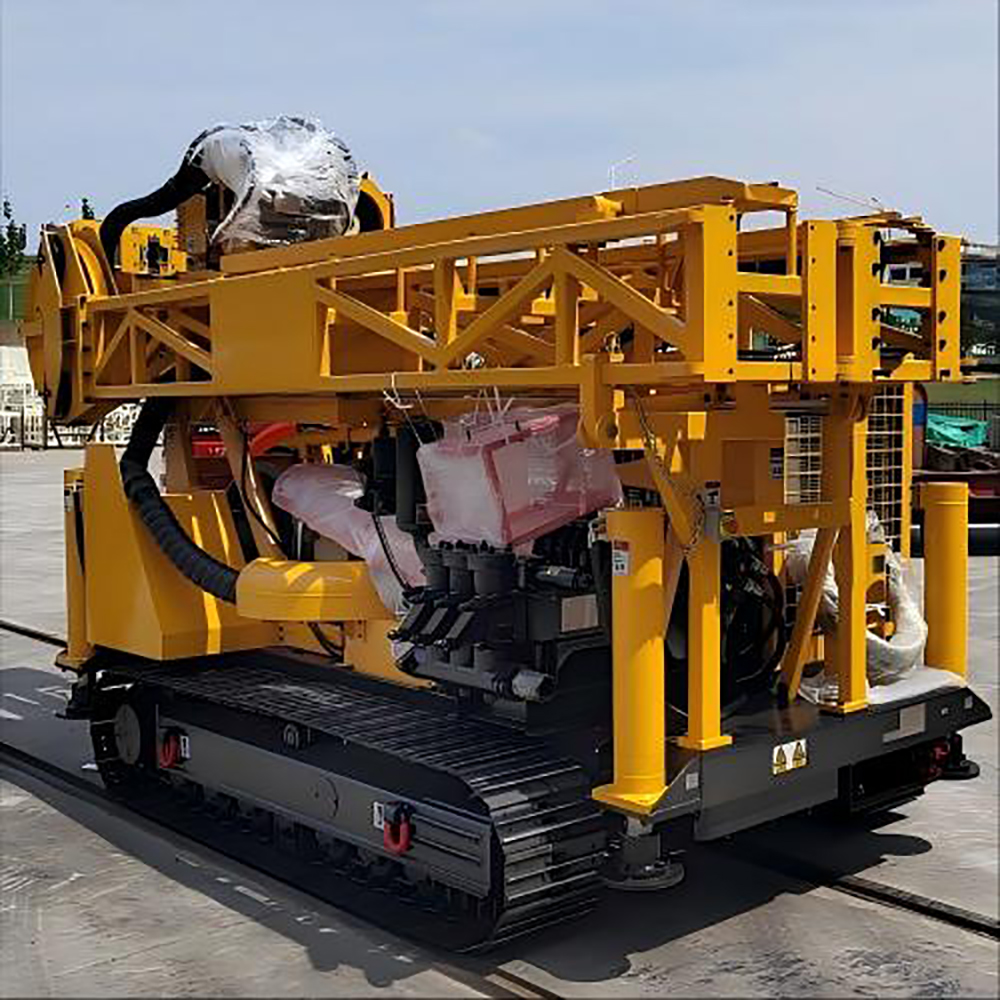
From an equipment selection standpoint, many contractors must choose between surface‑configured rigs and underground‑optimized units for combined exploration and geotechnical programs. The table below captures key differences often discussed during technical evaluations. [cortechdrilling]
| Factor | Surface core drill | Underground core drill |
|---|---|---|
| Primary use | Exploration, geotechnical, deep boreholes cortechdrilling | In‑mine delineation, underground exploration cortechdrilling |
| Footprint | Larger pad, higher mast for pullback cortechdrilling | Compact, modular, lower mast height cortechdrilling |
| Access | Road‑accessible, open sites | Drives, drifts, limited clearances |
| Safety focus | Pad stability, mast control, winch safety | Ventilation, clearance, modular handling |
| Typical depth range | From shallow to deep exploration depending on model cortechdrilling | Medium to deep delineation holes within mine layouts cortechdrilling |
Modern manufacturers like CORTECH design both surface and underground Series rigs, allowing fleets to standardize on common hydraulics, wireline systems, and tooling while tailoring layout to the environment. [cortechdrilling]
In theory, high‑end diamond core surface rigs can achieve impressive design depths, but the real‑world limit depends on more than just nameplate power. Key constraints include: [cortechdrilling]
- Available torque and pullback capacity.
- Drill string design, diameter, and weight in the hole.
- Circulation system efficiency and formation stability.
- Bit selection, WOB (weight on bit), and drilling parameters. [cortechdrilling]
Expert guides from CORTECH emphasize matching rig capacity, drill rod design, and bit technology to your target depth and formation rather than chasing unrealistic depth promises. For owners, the *practical* question is: How many meters of high‑quality core can this rig deliver per shift at the required depth in this geology? [cortechdrilling]
Having reviewed dozens of tender specifications and post‑project reviews, I consistently see the same failure modes when rigs are poorly matched to geotechnical work. To avoid expensive lessons, focus on these selection criteria:
- Full‑hydraulic feed control and responsive rotation are critical to protect fragile soil–rock interfaces.
- Wireline systems reduce the number of trips and minimize disturbance, especially in fractured or weathered rock. [heicoin]
- Guarded moving parts, stable mast design, and clean hose routing reduce incident risk.
- Integrated rod handling and winches decrease manual lifting and pinch‑point exposure. [cortechdrilling]
- Robust hydraulic systems and OEM‑grade components directly impact downtime.
- Local support and spare‑parts availability matter as much as the initial capital cost. [made-in-china]
- Low‑spill hydraulic layouts, bundled hoses, and containment options are now standard expectations on many public projects.
- Efficient rigs also mean less fuel per meter, fewer site visits, and a smaller overall footprint. [linkedin]
Manufacturers such as CORTECH position their second‑generation hydraulic systems and all‑hydraulic wireline rigs precisely against these criteria, with a focus on reliability, safety, and long‑term cost per meter. [cortechdrilling]
Modern geotechnical rigs rely on advanced hydraulic circuits to deliver smooth, controllable torque and feed across a wide range of formations. Second‑generation systems emphasize energy efficiency, heat control, and precise operator feedback, which all contribute to higher penetration rates and better bit life. [cortechdrilling]
From a field perspective, a stable hydraulic platform means fewer stalls, more predictable performance in transitions (soil to rock, soft to hard), and less fatigue for operators managing the controls all day. [cortechdrilling]
Drill rods and tooling are often overlooked in procurement discussions, yet they are responsible for transmitting all the load, torque, and circulation energy downhole. Specialist manufacturers highlight: [cortechdrilling]
- High‑grade steel selection and heat treatment for thread life.
- Precision machining and QC to maintain straightness and thread compatibility.
- Matching rod diameter, weight, and connection type to rig capacity. [cortechdrilling]
In addition to rods, core bits, reaming shells, and wireline tools must be aligned with both geology and rig performance to unlock full productivity and core recovery potential. [heicoin]

Core surface drills are high‑precision hydraulic machines, and small lapses in maintenance can quickly translate into downtime. An expert‑level daily routine typically includes: [cortechdrilling]
1. Walk‑around inspection for leaks, damaged hoses, or loose fasteners.
2. Cleaning of mast, rod handling areas, and working platforms.
3. Checks of hydraulic oil level, filters, and temperature.
4. Greasing key pivot points and wireline sheaves.
Crews that treat cleaning and inspection as non‑negotiable daily tasks consistently report fewer unplanned stoppages and longer component life. [cortechdrilling]
Changing core bits at the right time and following safe procedures directly affects both safety and cost per meter. Expert guides recommend: [cortechdrilling]
- Monitoring ROP (rate of penetration) and torque for early signs of wear.
- Using consistent torque procedures and thread compound on bit changes.
- Avoiding cross‑threading and over‑tightening that damage expensive tooling. [cortechdrilling]
In practice, I see modern core surface drills used across three broad geotechnical and environmental segments:
- Infrastructure foundations: Bridges, high‑rise towers, port structures, rail, and highways where deep boreholes and high‑quality rock core are essential to reduce design uncertainty. [geoengineer]
- Slopes and tunnels: Landslide investigations, open‑pit stability, and tunnel alignment studies where oriented core and structural logging drive stability assessments.
- Environmental and remediation work: Characterizing contaminated sites, landfills, and groundwater conditions, often under strict environmental controls. [linkedin]
In each case, the combination of wireline diamond core drilling, responsive hydraulics, and modular rig design allows teams to deliver better subsurface models with less guesswork and fewer costly surprises during construction. [heicoin]
For owners, consultants, or drilling contractors planning a purchase or fleet upgrade, this concise process helps align rig choice with project reality:
1. Define your core projects. List expected depth ranges, formations, and access constraints over the next 3–5 years.
2. Prioritize data quality vs. speed. For high‑risk structures, continuous core quality usually outweighs raw penetration rate.
3. Match rig capacity and tooling. Ensure hydraulic power, pullback, and drill rods are matched to the toughest planned hole.
4. Assess safety and ESG requirements. Check that mast design, guarding, spill control, and noise/emission profiles align with client and regulatory expectations.
5. Evaluate modularity and transport. For remote or constrained sites, modular or heli‑portable rigs like CORE HELI DRILL can dramatically reduce logistics risk.
6. Verify OEM support. Confirm training, parts availability, and technical support, especially on international projects.
7. Calculate lifetime cost per meter. Compare rigs on total cost of ownership and expected cost per drilled meter, not just purchase price.
When you follow a structured evaluation like this, the right geotechnical drill becomes a predictable value generator instead of a cost wildcard. [geoengineer]
CORTECH, established in 2005, has evolved into a specialized manufacturer of all‑hydraulic diamond core drilling rigs, including both surface and underground configurations. Their CORE SURFACE DRILL lineup and related underground models are designed around: [linkedin]
- Second‑generation hydraulic systems focused on reliability and operator control.
- Wireline diamond core systems optimized for core quality and recovery.
- Modular layouts to support surface, underground, and remote‑access applications.
With more than 1,200 rigs delivered into over 55 countries according to manufacturer materials, CORTECH has positioned itself as an OEM‑friendly partner for B2B drilling contractors and mining or geotechnical owners seeking factory‑direct rigs and tooling support. For project teams, that combination of field‑oriented engineering and global experience translates into better risk control on complex investigations. [made-in-china]
If you are planning a major investigation program, mine expansion, or remediation portfolio, this is the moment to revisit your drilling strategy. A short technical consultation can help you benchmark your current rigs against modern full‑hydraulic core surface solutions and identify where targeted upgrades could cut cost per meter and improve safety.
Talk with a CORTECH technical specialist to review your upcoming projects, depth requirements, and formation challenges, and explore how CORE SURFACE DRILL or CORE HELI DRILL platforms can support your geotechnical drilling program. [cortechdrilling]
The primary advantage is the combination of high‑quality continuous core and tight control over drilling parameters, which leads to better data for design, fewer unknowns, and reduced overall project risk. Wireline systems also improve safety and productivity by minimizing manual handling and trip time. [heicoin]
You should consider modular or heli‑portable rigs like CORE HELI DRILL when access is limited by terrain, environmental constraints, or lack of road infrastructure. In these scenarios, being able to transport rig modules by helicopter or small vehicles allows you to collect high‑quality core in locations that would otherwise be infeasible or prohibitively expensive. [geoengineer]
Rig choice affects cost per meter through penetration rates, downtime, bit and tooling consumption, and crew size. Modern full‑hydraulic rigs with optimized hydraulics and tooling typically deliver more consistent meters per shift and lower maintenance overhead, which gradually drives cost per meter down over the life of the rig. [geoengineer]
No. While wireline diamond core rigs originated in mineral exploration, they are now widely used for geotechnical, tunneling, and environmental projects where high‑quality core and precise borehole control are critical. Their ability to provide continuous, oriented core makes them ideal for structural geology, slope stability, and foundation design. [heicoin]
Look for a manufacturer with proven field experience, robust hydraulic design, and integrated tooling support, plus strong after‑sales service and parts availability in your region. Companies such as CORTECH that specialize in all‑hydraulic core rigs and export globally can offer both technical depth and the logistical reliability needed for long‑term fleet planning. [made-in-china]
1. GeoEngineer.org – "Geotechnical Engineering 2032 Boom: Trends, Challenges, and Emerging Opportunities." Available at: [https://www.geoengineer.org/news/geotechnical-engineering-2032-boom-trends-challenges-and-emerging-opportunities] [geoengineer]
2. LinkedIn – "United States Environmental and Geotechnical Drilling Market." Market overview and forecast 2026–2033. [linkedin]
3. LinkedIn – "Europe Environmental and Geotechnical Drilling Market Trends and …" Growth drivers and CAGR projections. [linkedin]
4. CORTECH Drilling Equipment Co., Ltd – Official website and product pages, including CORE SURFACE DRILL and related articles.[https://www.cortechdrilling.com] [cortechdrilling]
5. LinkedIn – CORTECH Drilling Equipment Co Ltd company profile, corporate background and establishment date. [linkedin]
6. Made‑in‑China – "Cortech Drilling Equipment Co., Ltd." Company overview and positioning in drilling products and services. [made-in-china]
7. Heicoin – "Core Drilling Machine Explained: Types, Applications & Benefits." Overview of core drilling principles and benefits. [heicoin]


