
Views: 270 Author: CORTECH Publish Time: 2026-08-02 Origin: Site


Content Menu
● Why Extreme Climates Change Drilling Strategy
● Permafrost Drilling: The Cold-Region Reality
>> Main challenges in permafrost drilling
>> What works best in cold environments
● Tropical Exploration: Heat, Rain, and Corrosion
>> Main challenges in tropical drilling
>> What works best in tropical environments
● The Engineering Differences That Matter Most
>> 1. Hydraulic system behavior
● Practical Operating Checklist
● Why CORTECH's Rig Philosophy Fits Extreme Work
● FAQ
>> 1. Which is harder: permafrost drilling or tropical exploration?
>> 2. What type of rig is best for extreme climates?
>> 3. Why does hydraulic fluid matter so much?
>> 4. How do you protect core samples in harsh weather?
>> 5. What is the biggest mistake companies make?
Extreme climates punish drilling rigs in very different ways. In permafrost drilling, the challenge is not only cold; it is frozen ground, brittle materials, limited daylight, and the risk of thaw-related instability. In tropical exploration, the problem shifts to heat, humidity, heavy rainfall, corrosion, soft ground, and sudden weather shutdowns. For rig owners, contractors, and exploration managers, the real question is simple: how do you keep diamond core drilling productive, safe, and accurate when the environment fights back?
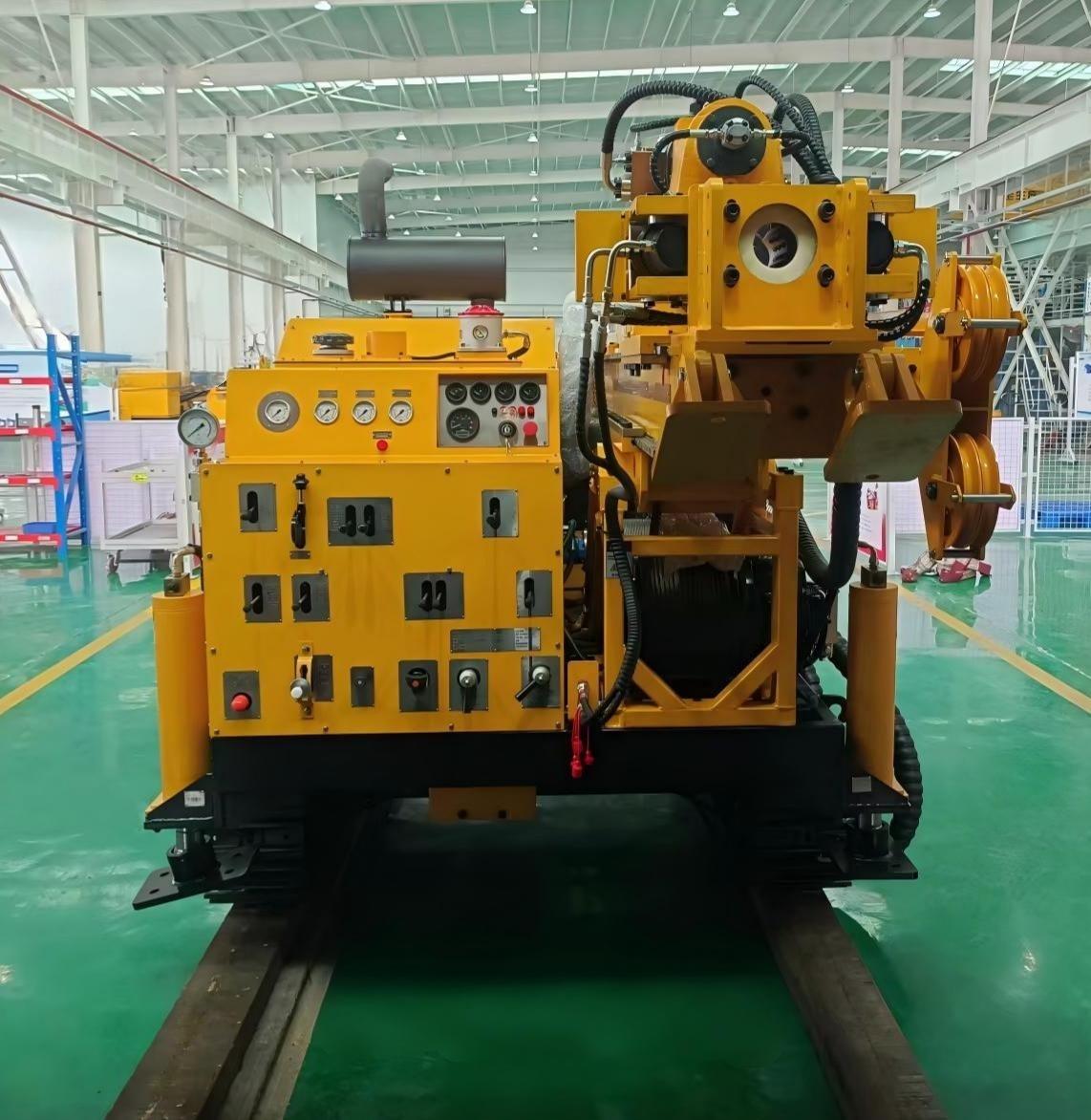
Drilling in extreme climates is not a standard operating condition with a few adjustments. It changes equipment selection, site logistics, safety planning, maintenance routines, and even drilling season length. In cold regions, frozen terrain can support heavy equipment but also creates risks around hydraulic performance, seal failure, and formation thaw. In tropical regions, the ground may be easier to access in dry windows, but moisture, storms, mud, and corrosion can halt operations fast..pdf)
From user perspective, the best drilling strategy is the one built on field experience, local climate data, and machine specifications, not on generic assumptions. CORTECH's full-hydraulic diamond core drilling rigs are designed for demanding terrain and harsh environments, which makes them a useful reference point when discussing how modern rigs should be configured for climate stress.
Permafrost drilling usually happens in remote, high-latitude, or high-altitude settings where ground conditions are frozen for long periods. This environment creates a very specific set of operational constraints. The rig must start reliably in low temperatures, hydraulic oil must remain workable, and core recovery must be protected from freeze damage during handling and transport..pdf)
- Hydraulic thickening, which slows response and reduces efficiency in subzero startup conditions.
- Brittle materials, because seals, hoses, and metal components can lose resilience at very low temperatures.
- Frozen logistics, including transport over snow-covered terrain and short seasonal access windows..pdf)
- Formation thaw, which can alter borehole stability and sample integrity if warm fluids are mismanaged.
- Crew safety risks, such as frostbite, reduced visibility, and weather-related delays.
In permafrost drilling, successful crews typically use preheated hydraulic systems, cold-weather fluids, insulated lines, winterized cabins, and carefully planned start-up procedures. This is where a full-hydraulic rig can offer an advantage, because smoother power delivery and controlled operating systems help reduce mechanical shock in cold starts.
A practical rule: if the machine cannot start cleanly, it cannot drill cleanly. That matters especially for wireline core drilling, where stable rotation, predictable torque, and reliable hoisting directly affect sample quality. CORTECH's full-hydraulic rig lineup is positioned around those priorities.
Tropical exploration is often misunderstood as easier because the ground is unfrozen. In practice, it brings a different kind of operational pressure. The rig may face high humidity, heavy rainfall, lightning risk, unstable access roads, rapid vegetation growth, and corrosion on exposed parts.
- Rainfall and flooding, which can make site access impossible and destabilize pads and roads.
- Corrosion, because moisture and salt-laden air accelerate wear on metals, fasteners, and connectors.
- Mud and soft ground, which can reduce rig mobility and increase the risk of bogging down.
- Crew heat stress, especially during long shifts with limited shade or airflow.
- Storm interruptions, which can halt drilling, lifting, and transport for safety reasons.
The most effective tropical drilling programs combine drainage planning, corrosion control, weather monitoring, rapid cleanup, and disciplined maintenance intervals. Hydraulic systems should be protected from contamination and overheating, while electrical and control components need extra sealing and inspection.
In this setting, a rig's mobility matters as much as its power. Track-mounted or modular systems can help when terrain changes quickly after rain. CORTECH's CORE SURFACE DRILL, CORE HELI DRILL, and CORE U/G DRILL categories are relevant here because different deployment modes suit different access and terrain conditions.
| Factor | Permafrost Drilling | Tropical Exploration |
|---|---|---|
| Primary climate stress | Subzero temperatures, frozen ground | Heat, humidity, rain, corrosion |
| Main equipment risk | Hydraulic viscosity loss, brittle components | Water ingress, rust, overheating |
| Access challenge | Frozen logistics, short seasonal window | Mud, flooding, storm delays |
| Safety focus | Cold exposure, visibility, thaw instability | Heat stress, lightning, slippery surfaces |
| Best rig traits | Winterization, reliable cold starts, torque stability | Sealing, mobility, cooling, corrosion resistance |
| Sample handling concern | Core preservation during freezing conditions | Core protection from moisture and contamination |
This table shows an important insight: both environments punish downtime, but for different reasons. In permafrost, the rig must stay functional in cold-start conditions. In tropical regions, it must stay clean, dry, and stable under water and heat stress..pdf)
When choosing an exploration diamond drilling rig for extreme climates, four engineering factors deserve special attention.
Hydraulic systems are highly sensitive to temperature. Cold weather increases fluid viscosity; hot weather can thin fluid and increase wear risk. The right fluid grade, reservoir design, and cooling or heating support are critical to stable operation.
In permafrost, low-temperature embrittlement is a real concern. In tropical sites, corrosion resistance is the bigger issue. That means seals, hoses, coatings, and structural steel should be selected for the actual climate, not just the drilling depth.
Permafrost operations often require transport across remote frozen ground, while tropical operations often need machines that can move through soft, muddy, or flooded terrain. Crawler bases, compact transport profiles, and modular rig layouts are especially valuable.
Whether you drill into frozen ground or tropical formations, the objective is the same: retrieve intact, readable core. That means stable rotation, controlled feed pressure, and a wireline system that reduces rod handling and improves efficiency.
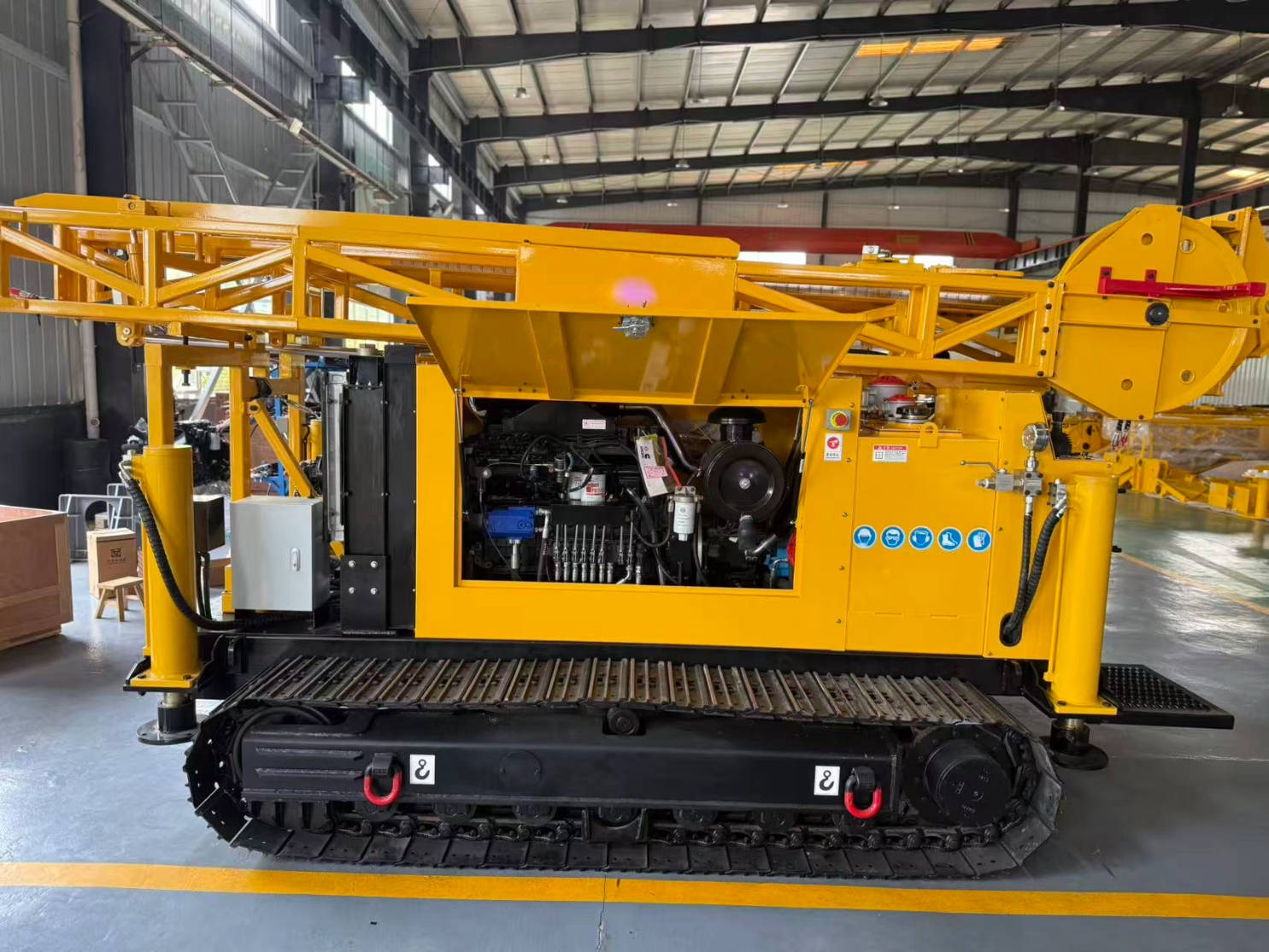
Here is the part many procurement teams miss: climate readiness is not a feature, it is a system. A rig that looks strong on paper can still fail in the field if the fluid, seals, cabin protection, startup protocol, and maintenance plan are not aligned. The same is true for drilling crews; training and discipline often determine whether a project stays on schedule.
In my view, the best extreme-climate projects do three things well:
1. They match the rig to the climate, not the brochure.
2. They plan for shutdowns, not just production.
3. They treat maintenance as production insurance, especially before seasonal windows close.
This is where manufacturers like CORTECH can add value, because a full-hydraulic core drilling platform is easier to configure for climate-specific requirements than a rigid, one-size-fits-all system.
If you are planning a project in permafrost or tropical terrain, use this checklist before mobilization:
1. Review climate history for the site, including temperature ranges, rainfall, and seasonal access windows.
2. Specify the hydraulic fluid for the expected startup temperature and operating heat.
3. Inspect seals, hoses, and cable protection, especially in wet or freezing environments.
4. Plan drainage, snow management, or pad stabilization based on the dominant risk.
5. Prepare a weather shutdown protocol for storms, whiteouts, or extreme heat.
6. Use a rig platform with enough torque and mobility for the terrain and depth target.
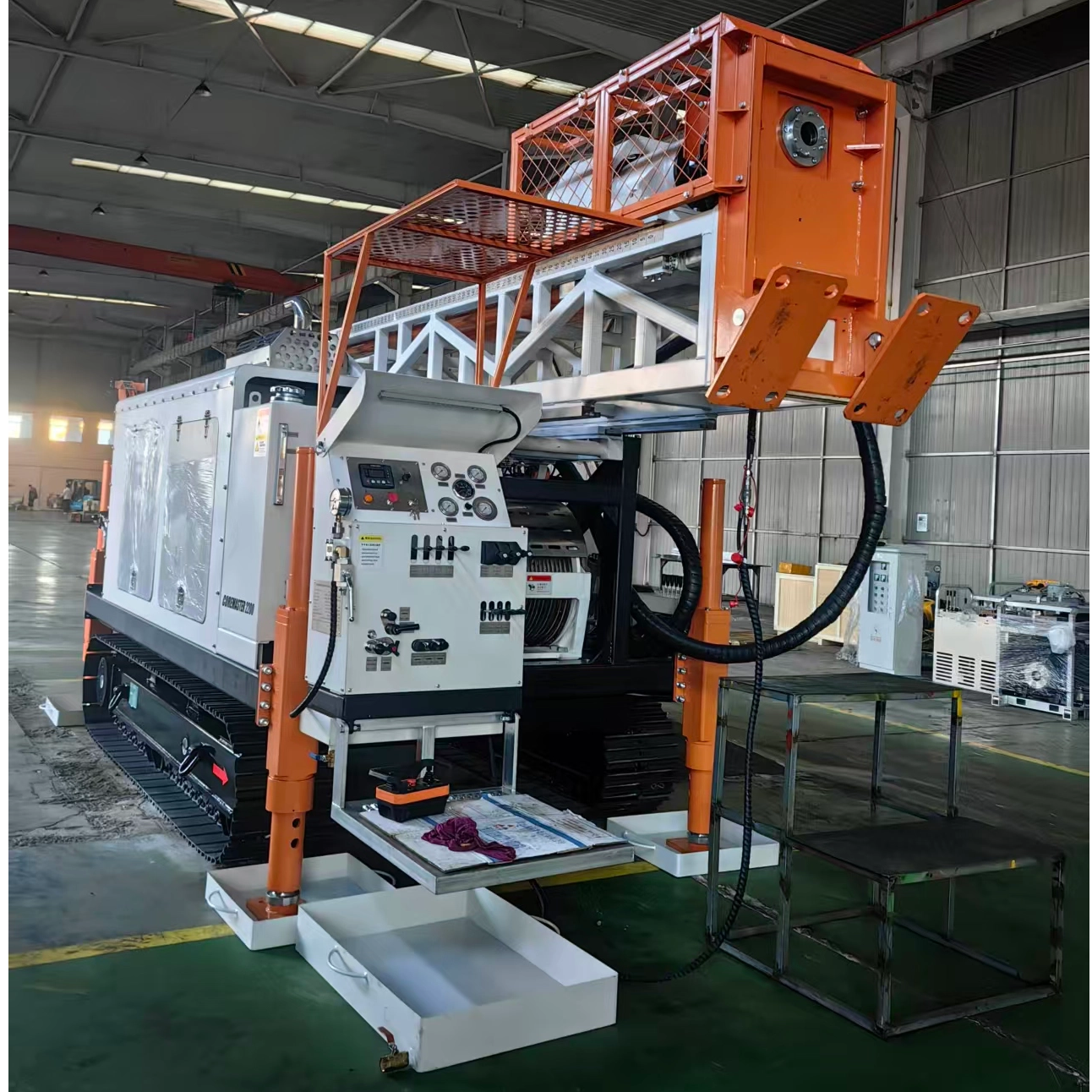
For exploration teams working in harsh regions, full-hydraulic diamond drilling offers practical advantages: stable power transfer, easier control, and better adaptability across different formations. CORTECH's product positioning around surface, heli, and underground core drilling is relevant because extreme climates often require a different deployment model, not just a stronger machine.
If your project is moving between mountainous access, remote surface exploration, and underground work, a modular rig approach can simplify logistics and improve utilization. That flexibility is one of the strongest responses to climate-driven drilling complexity.
Need a rig configuration built for your climate and project depth? Contact CORTECH to discuss a tailored full-hydraulic core drilling solution for permafrost drilling, tropical exploration, or multi-climate exploration programs. A climate-specific rig plan can reduce downtime, protect core quality, and improve drilling economics.
Both are difficult, but for different reasons. Permafrost drilling is harder for cold-start reliability, frozen logistics, and material brittleness, while tropical exploration is harder for rainfall, corrosion, heat stress, and access disruption..pdf)
A full-hydraulic core drilling rig is often the best starting point because it offers stable power delivery, easier control, and better adaptability. The final choice should still depend on depth, access, and terrain.
Hydraulic fluid viscosity changes with temperature. In cold weather, fluid can thicken and reduce responsiveness; in hot weather, fluid can thin and reduce protection. That directly affects drilling performance and maintenance life.
Use sealed core handling, fast sample transfer, weatherproof storage, and a workflow that minimizes exposure to moisture, freezing, or contamination. This is especially important in permafrost and tropical drilling programs..pdf)
They underestimate climate as an engineering variable. Many projects fail not because of geology, but because the rig, fluid, logistics, and crew procedures were not designed for the environment.
1. Christiansen, H.H. et al. “Ground ice content, drilling methods and equipment...”
[https://tc.copernicus.org/articles/15/2931/2021/] [epic.awi].pdf)
2. Eppelbaum, L.V. “Well drilling in permafrost regions: dynamics of the thawed...”
[https://link.springer.com/article/10.1134/S1062739119111035] [polarresearch]
3. Gilbert, G.L. et al. “Coring of unconsolidated permafrost deposits.”
[https://www.nature.com/articles/s41598-019-51209-y] [members.cgs]
4. ICMM. “Building resilience in the mining and metals industry.”
[https://www.icmm.com/en-gb/stories/resilience/mining-metals-industry-climate-change] [downloads.regulations]
5. CORTECH Drilling. “Core Drilling Rigs | Underground & Surface Exploration.”
[https://www.cortechdrilling.com/] [cortechdrilling]
6. CORTECH Drilling. “Cortech Drilling Equipment Co Ltd.”
[https://www.cortechdrilling.com/about/] [linkedin]
7. ASTM D2983 / hydraulic fluid viscosity guidance references.
[https://www.astm.org/] [kaycantest]
8. Weather and drilling safety guidance for extreme climates.
[https://www.mining.com/web/managing-extreme-weather-impacts-on-mining-operations/] [dtn]


